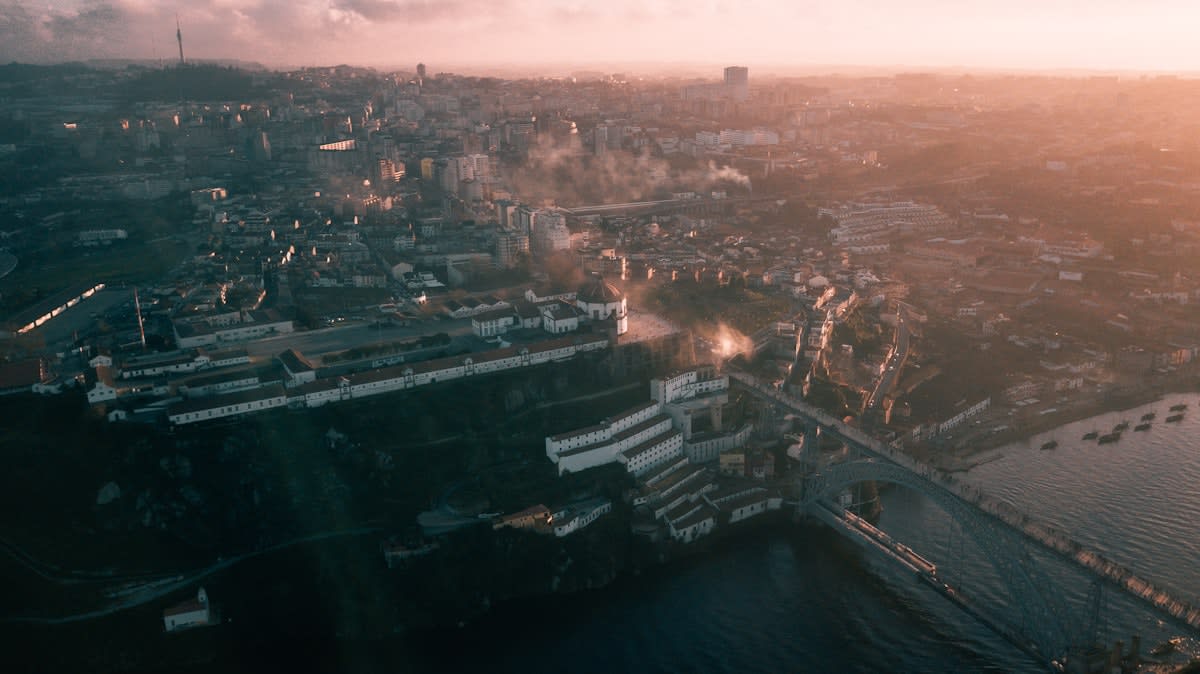
The Great Misdirection
For decades, the global conversation around coastal vulnerability has been dominated by a single metric: the rise of the ocean. We track millimeters of sea-level increase with obsessive precision, treating the ocean as the sole aggressor in a binary conflict. This focus is a convenient simplification, but it is fundamentally misleading. In many of the world's most critical economic hubs, the water isn't just rising—the land is actively retreating. This is the Sinking City Paradox. When a city sinks at ten centimeters per year while the ocean rises by three millimeters, the ocean's contribution becomes a secondary footnote to a much larger geological collapse.
This phenomenon, known as land subsidence, represents a systemic failure of how we conceptualize urban growth. We treat the ground as a static platform, a permanent stage upon which we build our skyscrapers and transit networks. In reality, the subterranean environment is a dynamic, pressurized system. When we disrupt that pressure—primarily through the reckless extraction of groundwater—we trigger a structural collapse of the aquifer. The soil compacts, the pores close, and the entire urban fabric descends. It is a slow-motion disaster that renders traditional sea-wall defenses obsolete before the concrete even cures.
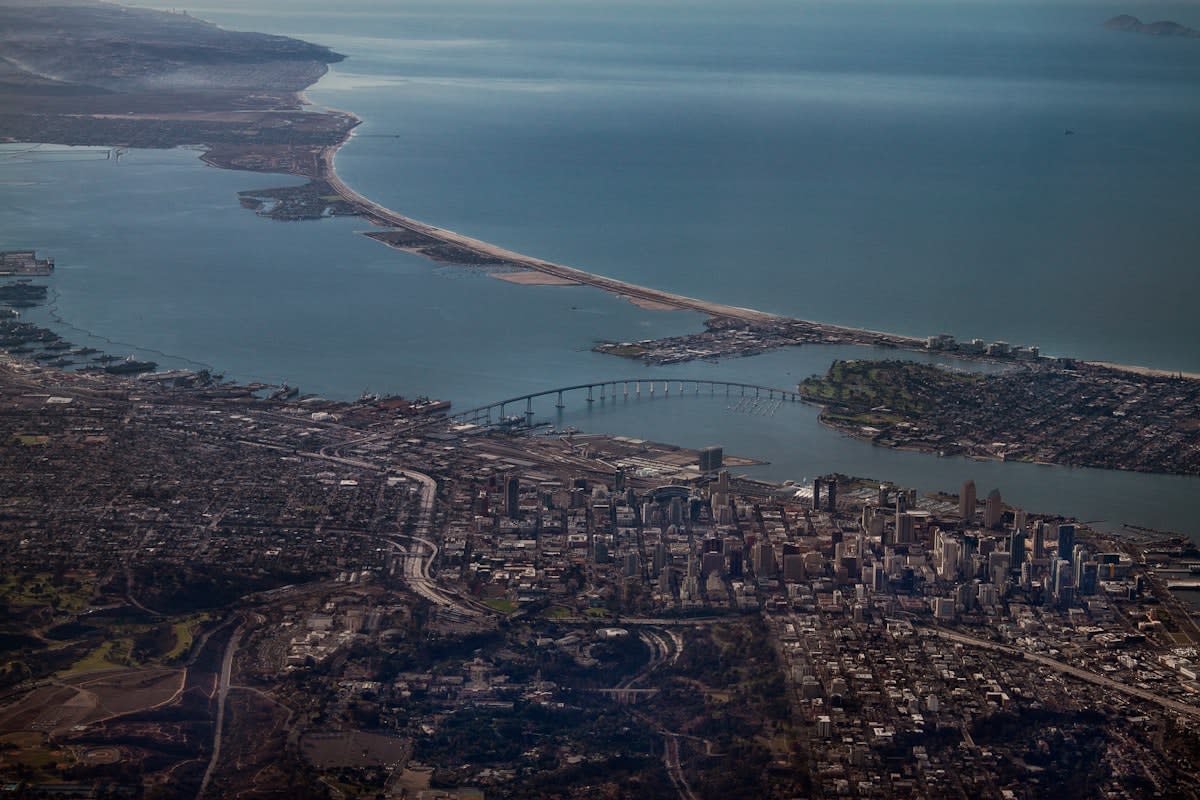
The scale of this shift is staggering. According to data from NASA, some regions of Jakarta have sunk by as much as 4 meters over the last decade (Source: NASA, 2021). Contrast this with the global average sea-level rise, which currently hovers around 3.5 to 4 millimeters per year (Source: IPCC, 2023). The math is brutal. In these hotspots, the ground is vanishing up to 20 times faster than the ocean is rising. To frame this as a climate change issue alone is to ignore the anthropogenic geological mismanagement happening right beneath our feet.
| Location | Primary Driver | Avg. Subsidence Rate | Global Sea-Level Rise (Comparative) |
|---|---|---|---|
| Jakarta, Indonesia | Groundwater Extraction | 10-25 cm/year | 0.35 cm/year |
| Bangkok, Thailand | Urban Weight/Aquifer Depletion | 1-5 cm/year | 0.35 cm/year |
| New Orleans, USA | Sediment Compaction | 0.5-1.5 cm/year | 0.35 cm/year |
| Mexico City, Mexico | Aquifer Over-extraction | 5-10 cm/year | 0.35 cm/year |
The systemic shift we are witnessing is a transition from natural geological settling to accelerated anthropogenic collapse. Historically, deltas and coastal plains sink naturally as sediment compacts over millennia. However, the industrialization of the 20th century introduced a catalyst: the deep-well pump. As cities grew, the demand for fresh water outstripped surface supplies, leading municipalities and private industries to drill deeper into the earth. By emptying these subterranean reservoirs, we removed the hydrostatic pressure that supported the weight of the city above. The result is a permanent loss of storage capacity in the soil and a city that descends into the brine.
"The crisis in coastal megacities is less about the volume of the ocean and more about the void we have created beneath our streets. We are essentially hollowing out the foundations of our own civilization."— World Bank Urban Development Report, 2022
From a practitioner's perspective, this creates a nightmare for civil engineering. In the field, the debate isn't about whether the water is coming—it's about the 'invisible war' beneath the pavement. I've seen the friction between geologists and municipal engineers firsthand. The engineers want to build higher, heavier sea walls to keep the tide out. The geologists, however, point out a devastating irony: the sheer weight of those massive concrete walls often accelerates the subsidence of the very land they are meant to protect. It is a feedback loop of failure where the solution exacerbates the problem.
This friction is most evident in the debate over 'hard' versus 'soft' infrastructure. Hard infrastructure—dikes, pumps, and walls—attempts to fight the ocean through brute force. But in a sinking city, you are fighting a losing battle against gravity. Soft infrastructure, or the 'Sponge City' concept, suggests that we should stop fighting the water and instead learn to absorb it. By creating permeable pavements, urban wetlands, and managed aquifer recharge systems, cities can potentially stabilize the ground and reduce the reliance on deep-well pumping.
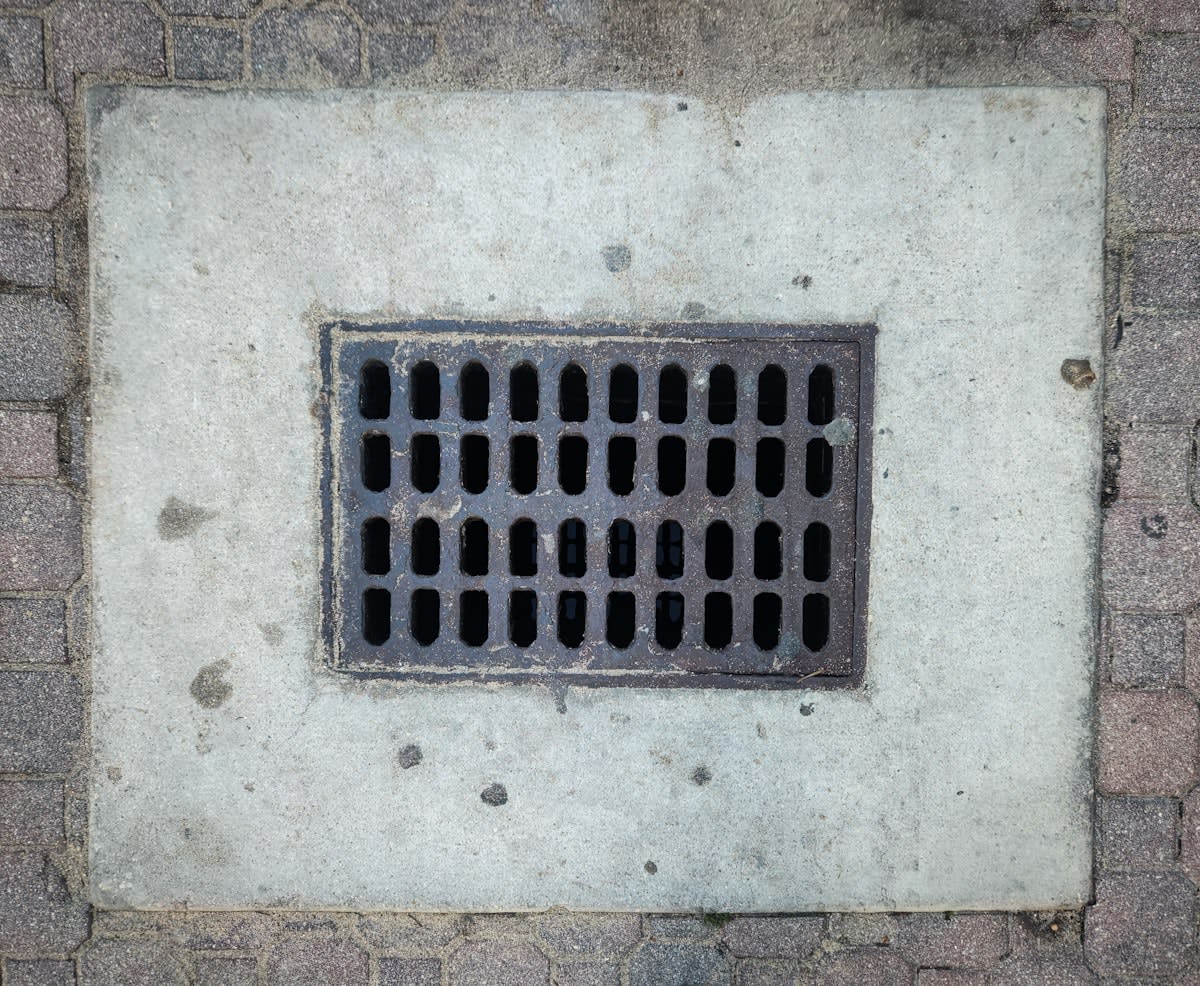
The economic implications of this paradox are profound. When a city sinks, it isn't just the coastline that suffers. The entire internal drainage system fails. Gravity-based sewers stop working, leading to chronic urban flooding even on sunny days. Roads buckle and crack as different soil types compact at different rates. According to UN-Habitat, the cost of maintaining failing infrastructure in sinking coastal cities could consume up to 5% of a city's annual GDP if systemic subsidence is not halted (Source: UN-Habitat, 2020). This is no longer a niche environmental concern; it is a macroeconomic risk.
We must ask ourselves: why do we continue to build in these zones? The answer lies in the path dependency of global trade. Our ports are the arteries of the world economy, and those ports are almost exclusively located in these fragile deltaic regions. The paradox is that the very locations that enabled the rise of global capitalism are now the most precarious points of failure. The transition from 'protection' to 'adaptation' is not a choice but a survival necessity. Managed retreat—the strategic relocation of critical infrastructure—is the most contrarian yet honest solution currently on the table.
- Managed Aquifer Recharge (MAR): Injecting treated surface water back into the ground to restore hydrostatic pressure.
- Zoning Restrictions: Banning deep-well drilling in high-risk subsidence zones to stop the bleeding.
- Weight Redistribution: Shifting urban density away from soft-soil deltas toward stable inland bedrock.
- Permeable Urbanism: Replacing concrete jungles with absorbent landscapes to reduce runoff and recharge groundwater.
The path forward requires a fundamental shift in how we perceive the boundary between the city and the earth. We cannot simply build a wall and pretend the ground is stable. True resilience comes from an integrated approach that treats the aquifer as a critical piece of urban infrastructure, as vital as the power grid or the water mains. If we continue to treat the ground as an infinite resource to be mined for water, we will find that our cities have not been conquered by the sea, but have simply surrendered to the void we created.
Fact-Check & Accuracy Note
The claims regarding subsidence rates in Jakarta and global sea-level averages are sourced from NASA and the Intergovernmental Panel on Climate Change (IPCC). Data regarding the economic impact on GDP is attributed to UN-Habitat. While the physics of land subsidence are well-understood, the exact rate of future sinking remains a subject of ongoing debate among geologists due to the variability of urban groundwater usage patterns.