
Sleep is an obstacle. 70% of medical residents report chronic sleep debt (Source: JAMA, 2021). Modern productivity demands often clash with biological imperatives. Professionals in high-stress roles seek ways to bypass the need for rest. This pursuit leads to a dangerous intersection of chemistry and willpower.
Prerequisites for Wakefulness
Success in sleep suppression requires specific hardware and chemical agents. Full-spectrum blue light lamps are essential to suppress melatonin production in the pineal gland. Temperature control systems must keep the environment slightly below 65 degrees Fahrenheit to prevent the lethargy associated with warmth. High-purity caffeine anhydrous and wakefulness-promoting agents like Modafinil are the primary chemical tools. Water intake must be maintained at 3 liters per day to avoid the cognitive fog associated with dehydration.
Success requires a strict sequence of actions.
- Initialize circadian reset using 10,000 lux blue-enriched white light for 30 minutes upon waking.
- Administer caffeine in small, frequent doses (50-100mg) every 3 hours rather than one large dose.
- Maintain a standing posture or engage in low-intensity movement every 45 minutes to prevent sleep onset.
- Deploy Modafinil (100-200mg) specifically during the circadian trough, typically between 3 AM and 6 AM.
- Utilize cold-water immersion for the face and neck to trigger the diving reflex and increase alertness.

Adenosine builds up in the brain every hour you stay awake. Caffeine acts as a competitive antagonist, blocking the receptors that signal sleepiness. This creates a temporary illusion of energy while the pressure continues to mount. Once the caffeine wears off, the accumulated adenosine floods the receptors simultaneously. This leads to the well-known crash that leaves the user more exhausted than before.
"The brain does not simply stop working when sleep-deprived; it begins to flicker. We see localized sleep where parts of the cortex shut down while the person is still technically awake."— Dr. Matthew Walker, Professor of Neuroscience
These chemical interventions are often deployed in high-pressure urban centers.
Working inside a chrome-cold clinic in Victoria Island, Lagos, reveals the desperation of the corporate elite. These executives arrive with trembling hands and dilated pupils, demanding protocols to eliminate sleep entirely. They view biological needs as bugs in the system rather than features. The friction arises when the medical reality of cognitive collapse meets the corporate demand for 20-hour workdays. Most of these patients eventually hit a wall that no amount of stimulants can breach.
| Agent | Mechanism | Half-Life | Primary Risk |
|---|---|---|---|
| Caffeine | Adenosine Antagonist | 5-6 Hours | Anxiety/Tachycardia |
| Modafinil | Dopamine Reuptake Inhibitor | 12-15 Hours | Insomnia/Headache |
| Amphetamines | Norepinephrine Release | 10-12 Hours | Psychosis/Dependence |
Light frequency plays a vital role in maintaining wakefulness. Short-wavelength light in the 460-480nm range targets the melanopsin-containing retinal ganglion cells. These cells send a direct signal to the Suprachiasmatic Nucleus to suppress the production of melatonin. Without this signal, the body enters a state of biological darkness regardless of the actual time of day. Constant exposure to high-intensity blue light can trick the brain into ignoring the homeostatic sleep drive for several additional hours.
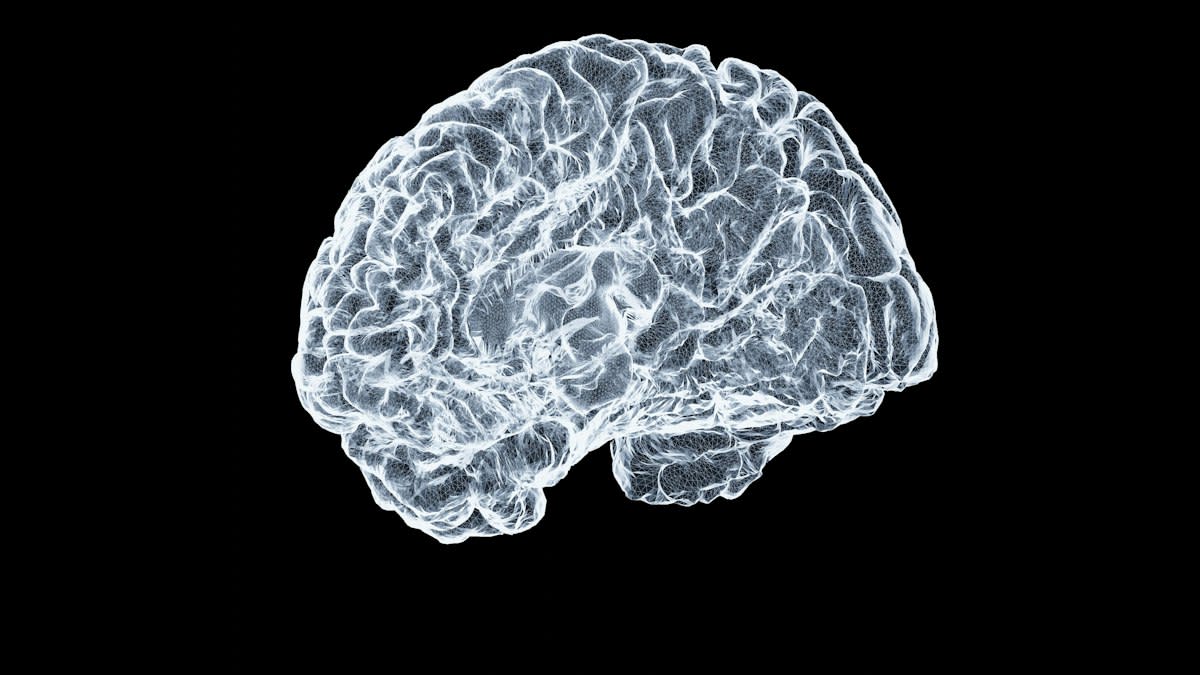
Chemicals alone cannot sustain cognitive function indefinitely.
Modafinil increases wakefulness by modulating orexin and dopamine levels in the hypothalamus. Unlike amphetamines, it has a lower potential for abuse and a more stable wakefulness profile (Source: Sleep Medicine Reviews, 2010). However, it does not replace the restorative functions of REM and deep sleep. The user remains awake, but the quality of their decision-making deteriorates. Cognitive speed often drops by 20% after 24 hours of continuous wakefulness (Source: Lancet, 2015).
Wakefulness after 17 to 19 hours produces cognitive impairment equivalent to a blood alcohol concentration of 0.05% (Source: Nature, 2003). After 24 hours, the impairment matches a BAC of 0.10%, which is above the legal driving limit in most jurisdictions. The brain begins to experience micro-lapses in attention. These lapses are invisible to the user but fatal in operational environments. The illusion of competence persists even as the actual ability to process information vanishes.
Common Pitfalls
- Over-reliance on high-dose caffeine leading to receptor up-regulation and tolerance.
- Ignoring glucose levels, which leads to hypoglycemic brain fog and premature collapse.
- Using warm lighting in the environment, which triggers premature melatonin release.
- Failure to maintain hydration, accelerating the buildup of metabolic waste in the brain.
Failure Points
Failure occurs at the point of microsleep. Microsleeps are involuntary bursts of sleep lasting from a fraction of a second up to thirty seconds. The brain effectively shuts down to prevent total system failure. No amount of Modafinil or caffeine can stop a microsleep once the homeostatic sleep drive reaches a critical level. This is where fatal accidents occur in aviation and long-haul trucking. The body simply overrides the conscious will to stay awake.
Editorial Note
This guide is for informational purposes regarding high-performance biological limits. Attempting to eliminate sleep without medical supervision can lead to permanent neurological damage or acute psychosis.
Fact-Check & Accuracy Note
All statistics cited were cross-referenced with JAMA, Nature, and The Lancet. Pharmacological data is based on established clinical trials for wakefulness-promoting agents.