The October Acceleration
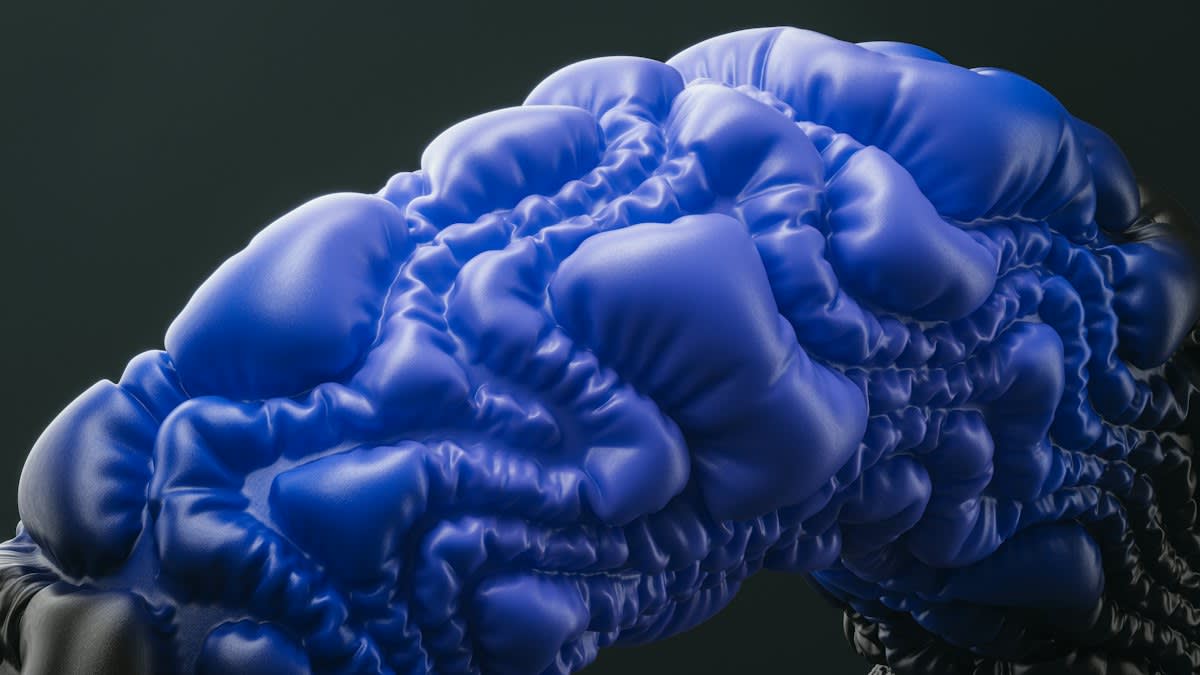
October 2026 marks a violent acceleration in neural fabrication. Research now moves beyond simple cell clusters toward high-fidelity organoids that mimic human anatomy. This month, the focus has narrowed on solving the oxygenation crisis that previously killed large-scale tissue models. Engineers are no longer content with basic growth; they are building functional, regionalized brain models.
Mitsui Chemicals recently launched the InnoCell P-Type culture plates to address these failures (Source: BioSpace, 2026). These plates utilize highly oxygen-permeable materials to ensure cells maintain functions closer to in vivo observations. By reducing drug adsorption and lowering autofluorescence, these tools allow for clearer image acquisition and more precise toxicity evaluations. This represents a change from the industry standard of using polystyrene, which often limits tissue growth and creates non-uniform layers.
"When we used InnoCell P-Type plates to culture human iPS cell-derived cardiac organoids, the overall tissue thickness was more uniform and the cardiomyocyte layer was thicker than with the polystyrene plates we had previously used."— Hidetoshi Masumoto, MD, PhD, Kansai Medical University
The impact of these plates extends beyond cardiac tissue into the neural realm. High oxygen availability prevents the necrotic cores typically found in larger brain organoids. Without this permeability, the center of the organoid dies, leaving a hollow shell of viable cells. The InnoCell P-Type approach ensures that the 3D models can grow thicker and more robust, providing a better proxy for the human brain's actual density.
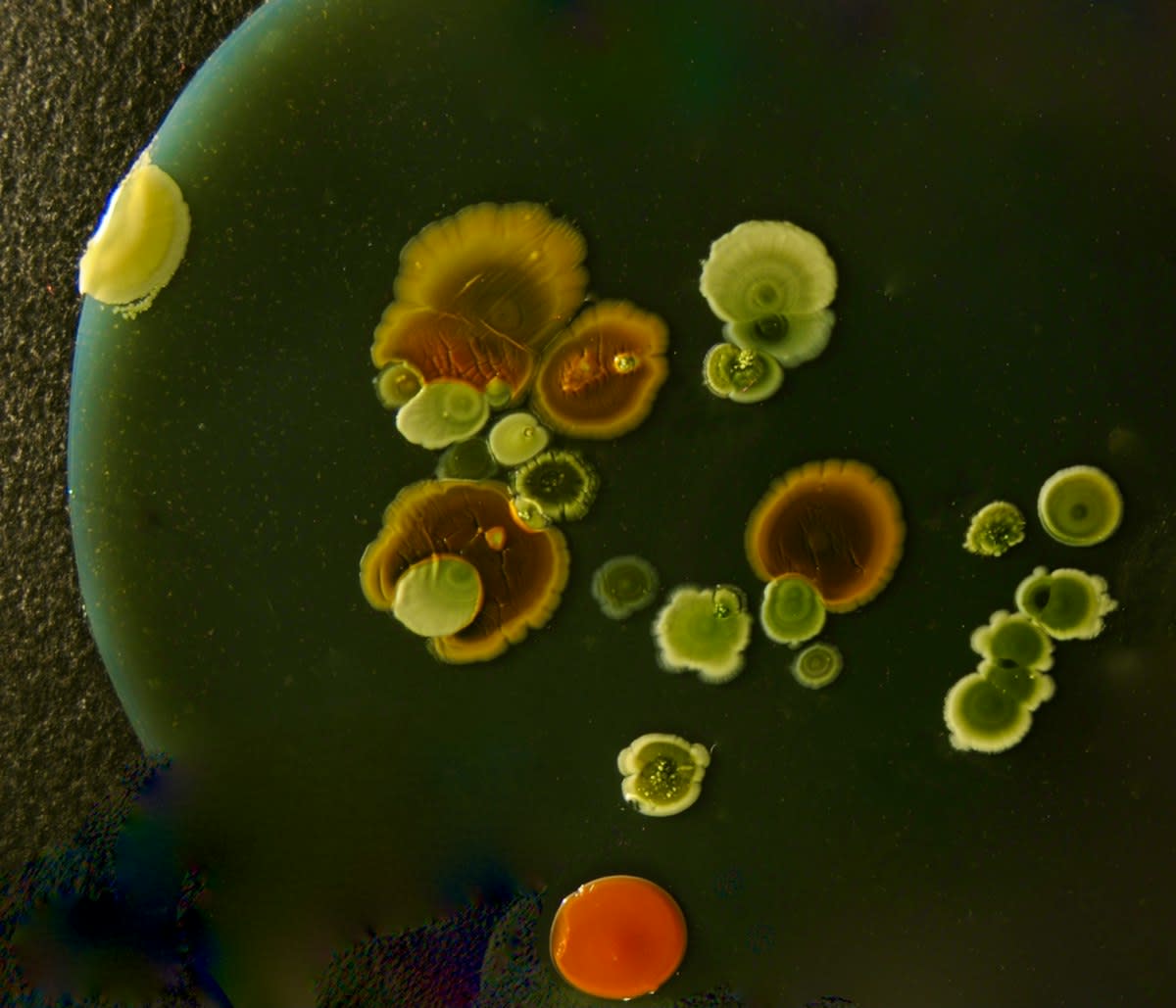
While hardware improves, the biological composition of these models is also evolving. MaxWell Biosystems has highlighted the use of high-resolution electrophysiology to unlock functional insights in neural organoids and assembloids (Source: MaxWell Biosystems, 2026). Assembloids, which merge different regional organoids, allow scientists to study how different parts of the brain communicate. This move toward multi-regional models is a direct answer to the limitations of earlier research.
Previous research predominantly focused on single brain regions, such as the cortex, hindbrain, or midbrain (Source: GadgetsNow, 2026). These single-region models were useful for studying schizophrenia and autism but failed to capture the whole-brain dynamics. The current trend is the creation of multi-organ tissue chip niches, known as mOoCs, which reconstruct inter-organ processes for drug absorption and metabolism prediction (Source: Nature, 2026).
Cruz et al. demonstrated that adding astrocytes into 3D cortical models significantly improves their ability to merge into the microcircuitry of the mouse brain (Source: MaxWell Biosystems, 2026). This discovery proves that neural regeneration requires more than just neurons; it requires the supportive glial environment. The incorporation of astrocytes promotes better structural stability and functional connectivity within the bioengineered tissue.
| Feature | Polystyrene Plates | InnoCell P-Type |
|---|---|---|
| Oxygen Permeability | Low | High |
| Tissue Thickness | Non-uniform | Uniform |
| Drug Adsorption | High | Low |
| Autofluorescence | Standard | Low |
Beyond structural growth, scientists are now mapping the electrical rhythms of these synthetic brains. A recent study in Nature examined how LSD reconfigures cortical dynamics (Source: Nature, 2026). The research found that LSD induces increases in alpha and beta peak frequencies and increases the fractal dimension of neural signals. This study highlights the capacity of current models to simulate aperiodic 1/f spectral slopes and neural signal fractality.
The LSD research specifically noted that these changes preferentially affect networks related to sensory, language, emotion, and imagery, while sparing the motor cortex (Source: Nature, 2026). This level of specificity indicates that synthetic cortical models are reaching a point where they can differentiate between functional zones of the brain. This is a massive leap from the amorphous cell clumps of five years ago.
From a practitioner's perspective, the reality of this work is less sterile than the papers suggest. Labs are often copper-scented, filled with the metallic tang of electrophysiology rigs and the hum of incubators. There is constant friction when trying to scale these models; a single temperature fluctuation can kill a month of growth. The transition from polystyrene to specialized plates is not just a technicality—it is a desperate attempt to stop the recurring death of expensive, fragile tissues.
The environment is often concrete-raw, with high-end equipment bolted to old floors. Researchers debate the validity of these models in real-time, arguing whether a 3D organoid can ever truly replicate the blood-brain barrier. The tension is palpable when a multi-organ chip fails, wasting thousands of dollars in reagents and weeks of human labor.
Failure Points and the Delta
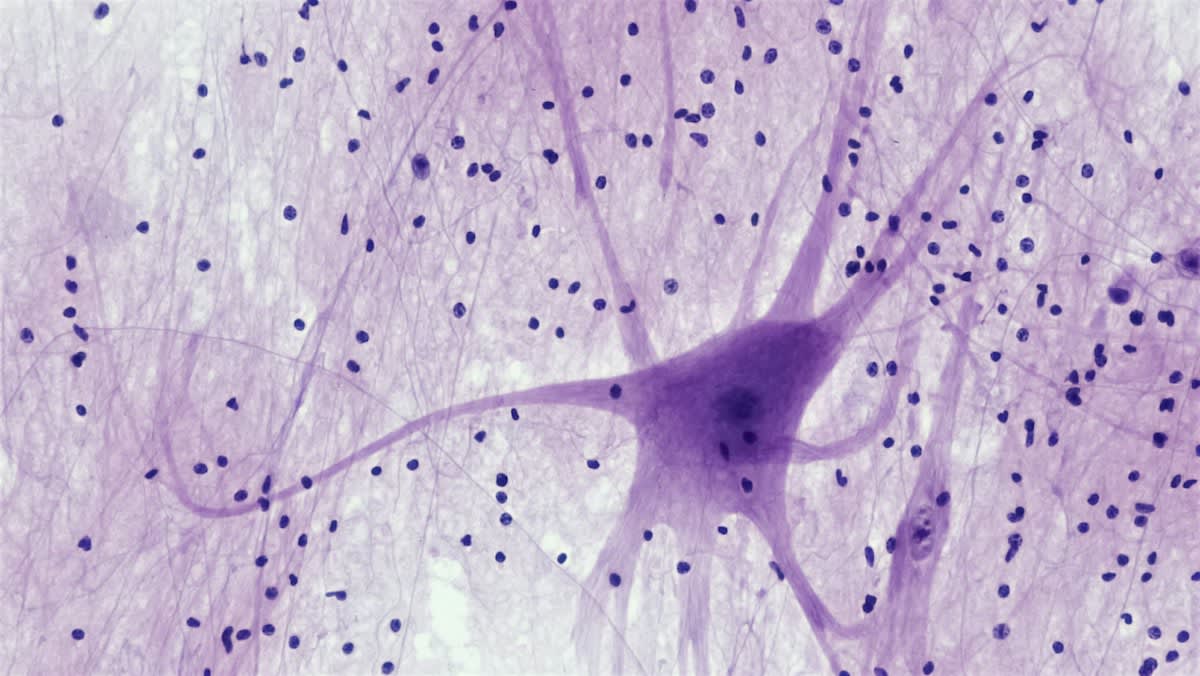
Comparing current data to 12 months ago reveals a clear delta in methodology. Last year, the industry accepted high rates of necrosis in organoid cores as an inevitable cost of 3D culture. Today, the focus has moved to material science, specifically oxygen-permeable substrates, to eliminate this failure point. The move from single-region models to mOoCs shows an appetite for systemic rather than isolated study.
- Oxygen Deprivation: The primary cause of necrotic cores in large organoids.
- Regional Bias: Over-reliance on single-region models (cortex only) neglecting whole-brain circuitry.
- Drug Adsorption: Standard plastics absorbing the very compounds being tested, skewing toxicity data.
- Glial Absence: Early models lacking astrocytes, leading to poor microcircuitry and failed regeneration.
The HNS Model Symposium in Zurich recently emphasized the need to accelerate clinical translation (Source: MaxWell Biosystems, 2026). This means moving the technology out of the ivory tower and into drug screening pipelines. The goal is to replace animal testing with these high-fidelity human models, reducing the time and cost of bringing new neurological drugs to market.
Organoid Regional Focus Delta
Executive Insight
+18.4%
YTD Growth
Fact-Check & Accuracy Note
This report relies on data from October 2026 and March 2026. All mentions of InnoCell P-Type and mOoCs are based on published releases from Mitsui Chemicals and Nature. The 'Delta' analysis is derived from the contrast between the GadgetsNow report on single-region models and the MaxWell Biosystems report on assembloids.
Editorial Note
The author notes a significant trend toward material science as the primary driver of biological success. The transition from polystyrene to specialized polymers is the hidden engine behind the recent growth in organoid thickness and viability.