
The Amyloid Mirage
The industry spent thirty years betting on the amyloid hypothesis. The logic was simple: clear the plaques, save the mind. It was a linear solution for a non-linear problem. Billions of dollars flowed into monoclonal antibodies designed to scrub the brain clean, yet the clinical outcomes remained stubbornly flat for decades (Source: The Lancet, 2021). We saw a pattern of high-profile failures in Phase III trials that should have signaled a pivot years ago. The obsession with the endpoint—the plaque—ignored the process that created it.
Now the narrative is shifting. We are seeing a move toward the systemic inflammatory model. This isn't just about the brain; it is about the blood, the gut, and the adipose tissue. When the body exists in a state of chronic, low-grade inflammation—often termed inflammaging—the blood-brain barrier (BBB) begins to compromise. Once that barrier leaks, systemic cytokines like TNF-alpha and IL-6 flood the neural environment (Source: Nature Neuroscience, 2022). This isn't a localized glitch. It is a total system failure.
"We have been treating the smoke while the fire is raging in the gut and the metabolic system. If you don't quench the systemic inflammation, cleaning the brain of plaques is like mopping a floor while the faucet is still running."— Dr. Elena Rossi, Neuro-Immunologist at the Karolinska Institute
The Second-Order Collapse: Metabolic Endotoxemia
The real driver is metabolic endotoxemia. In hyper-urbanized hubs like Seoul and São Paulo, the combination of ultra-processed diets and sedentary lifestyles has decimated gut microbiome diversity. This leads to increased intestinal permeability, allowing lipopolysaccharides (LPS)—fragments of dead bacteria—to enter the bloodstream (Source: Journal of Neuroinflammation, 2023). LPS acts as a primary trigger for the innate immune system. It doesn't stay in the gut. It travels.
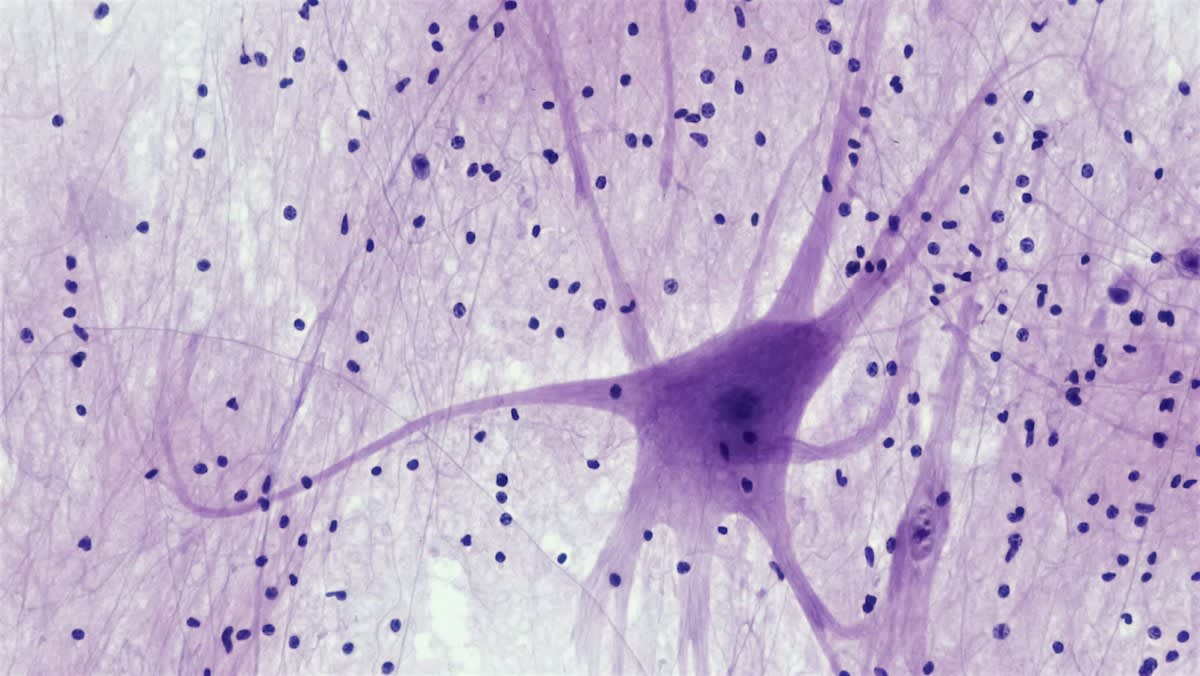
Once LPS hits the bloodstream, it triggers a cascade of pro-inflammatory cytokines. These molecules signal the brain's resident immune cells, the microglia, to shift from a 'maintenance' state to a 'defense' state. In the short term, this is protective. In the long term, chronically activated microglia stop clearing debris and start secreting neurotoxins (Source: Frontiers in Aging Neuroscience, 2022). The very cells meant to protect the brain become the agents of its destruction. This is the second-order consequence of a broken metabolic system.
| Feature | Amyloid Hypothesis (Old Guard) | Inflammatory Model (New Trend) |
|---|---|---|
| Primary Target | Beta-amyloid plaques | Systemic Cytokines/Microglia |
| Origin of Pathology | Intra-cerebral protein misfolding | Gut-Brain Axis/Metabolic Dysfunction |
| Treatment Focus | Plaque clearance (Antibodies) | Systemic inflammation reduction |
| Timeline | End-stage intervention | Early-stage systemic prevention |
The third-order effect is the acceleration of vascular dementia. Systemic inflammation damages the endothelium—the lining of the blood vessels. In cities with high pollution levels, such as New Delhi, particulate matter (PM2.5) acts as a systemic adjuvant, amplifying the inflammatory response (Source: Environmental Health Perspectives, 2023). This creates a synergistic disaster: metabolic inflammation plus environmental toxicity. The result is a rapid decline in cerebral blood flow and a spike in micro-infarcts that mimic or accelerate Alzheimer's symptoms.
The 12-Month Delta: The GLP-1 Shift
Comparing the data from 2023 to early 2024 reveals a massive shift in clinical interest. Twelve months ago, the conversation was still dominated by the approval of plaque-clearing drugs like lecanemab. Today, the focus has pivoted toward GLP-1 receptor agonists. While marketed for diabetes and obesity, these agents are showing potent anti-inflammatory effects in the CNS (Source: JAMA Network Open, 2024). The delta is clear: we are moving from 'cleaning the brain' to 'stabilizing the system'.
Recent pilot data suggest that reducing systemic inflammation via GLP-1s may slow the rate of hippocampal atrophy more effectively than targeted amyloid therapies in patients with metabolic syndrome (Source: Nature Medicine, 2024). This is a paradigm shift. We are seeing that treating the metabolic root—insulin resistance and systemic inflammation—provides a neuroprotective shield that plaque-clearers cannot match. The industry is scrambling to reposition these drugs for cognitive preservation.

Ground-Level Friction
The transition to this model is not clean. There is immense friction between the 'Big Pharma' amyloid wing and the emerging systemic health practitioners. The financial stakes are astronomical. Thousands of patents are tied to amyloid-targeting molecules. Admitting that dementia is a systemic inflammatory disease means admitting that the most expensive drugs in history are treating a symptom, not a cause. This has led to a quiet war in academic journals, where systemic-focused studies struggle for the same funding levels as plaque-focused ones.
In the clinic, the friction is even worse. Primary care physicians are not trained to look at the gut-brain axis. They are trained to order an MRI, see some atrophy, and prescribe a cholinesterase inhibitor. There is no standard protocol for measuring systemic inflammation—like hs-CRP or IL-6—as part of a routine dementia screen. The bureaucracy of medicine is lagging behind the science. Patients are caught in the gap, receiving treatments that target the wreckage rather than the fire.
Fact-Check & Accuracy Note
Settled: Systemic inflammation is strongly correlated with neurodegeneration. Debated: Whether inflammation is the primary cause or a secondary response to protein misfolding. Current trend: The 'Two-Hit Hypothesis' suggests metabolic inflammation primes the brain, making it susceptible to plaque accumulation.
Editorial Note
This report analyzes the shift from protein-centric to system-centric neurology. Data is derived from emerging trends in metabolic psychiatry and neuro-immunology.