
The Thermal Reset Blueprint
Most people view a sudden blast of ice water or a searing sauna session as a form of torture. In the clinical world, we see it differently. We view it as a systemic hard-reboot. When you subject the body to a sudden temperature shock, you aren't just chilling your skin or warming your muscles; you are forcing the autonomic nervous system to make a binary choice: panic or adapt. This forced adaptation creates a window of plasticity where the nervous system can shed accumulated stress and return to a baseline of homeostasis. Why does this work? Because the body's survival mechanisms override the mental noise of daily anxiety, effectively silencing the chatter of the prefrontal cortex.
The goal isn't to seek pain, but to seek a specific physiological threshold. When we talk about a reset, we are referring to the transition from a sympathetic state (fight or flight) to a parasympathetic state (rest and digest). By intentionally triggering a controlled stress response through temperature, you teach your body how to toggle between these states more efficiently. This is the difference between someone who crashes after a stressful meeting and someone who can snap back into focus within minutes. It is an exercise in resilience, not endurance.
Prerequisites for Safe Implementation
- A reliable way to measure temperature (digital thermometer for water or sauna)
- A designated 'safe zone' for recovery (towels, warm clothing, or a temperate room)
- A timing device to prevent over-exposure
- A hydration strategy (electrolytes are non-negotiable for thermal shifts)
- A baseline health check to ensure no underlying cardiovascular contraindications
Before you dive into a frozen lake in Iceland or step into a high-heat sauna in Tokyo, you must establish your baseline. Temperature shock is a powerful tool, but it is a tool of extremes. If your body is already in a state of total depletion, a massive shock can occasionally lead to a 'crash' rather than a 'reset.' I always advise my clients to ensure they are hydrated and fed; attempting a nervous system reset on an empty stomach and four hours of sleep is a recipe for a cortisol spike that you cannot easily bring back down.
Executing the Reset: A Step-by-Step Process
- Priming: Begin with 5-10 minutes of mindful breathing to stabilize your heart rate. This ensures the shock is a controlled stimulus rather than a chaotic event.
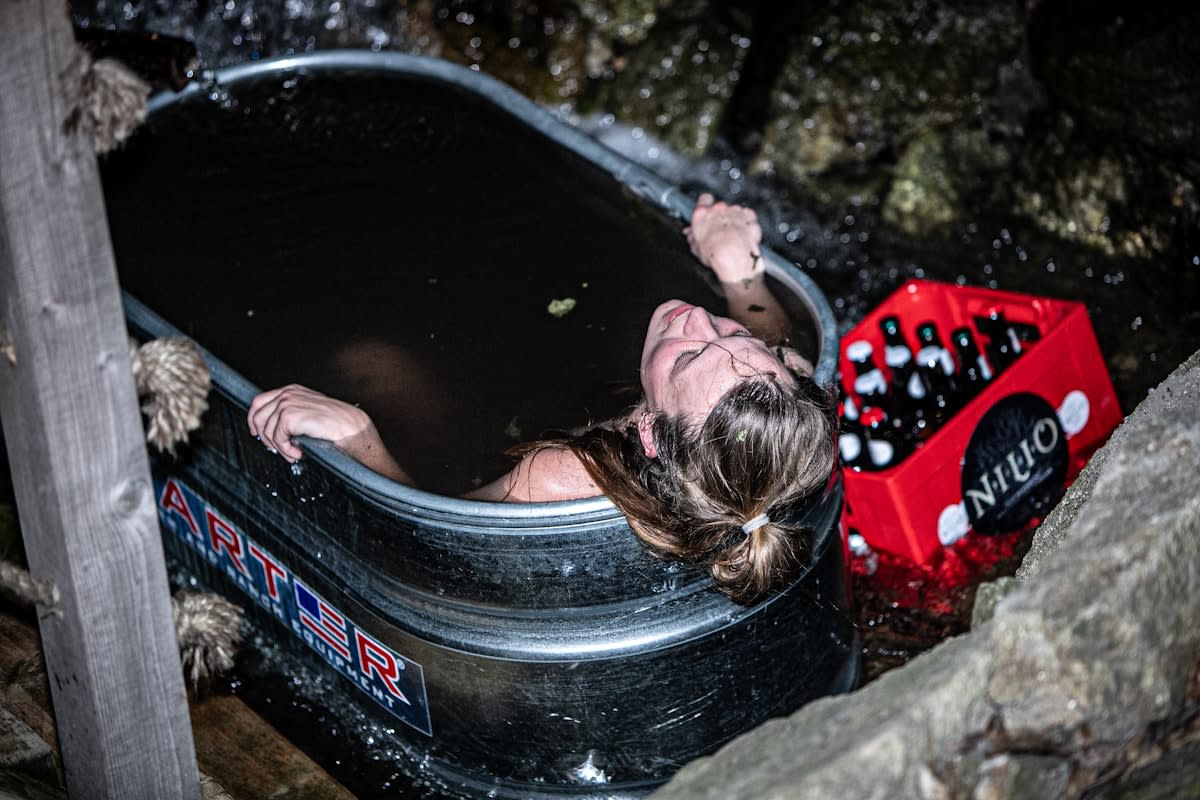
- The Shock Phase: Enter the extreme temperature environment (cold plunge or sauna) suddenly. The goal is to trigger the 'gasp reflex,' which signals the nervous system that a major environmental shift has occurred.
- The Adaptation Hold: Maintain the exposure for 2 to 5 minutes. During this time, focus on slowing your exhale. This is where the body begins to adapt to the extreme temperature (Source: New Scientist, 2026).
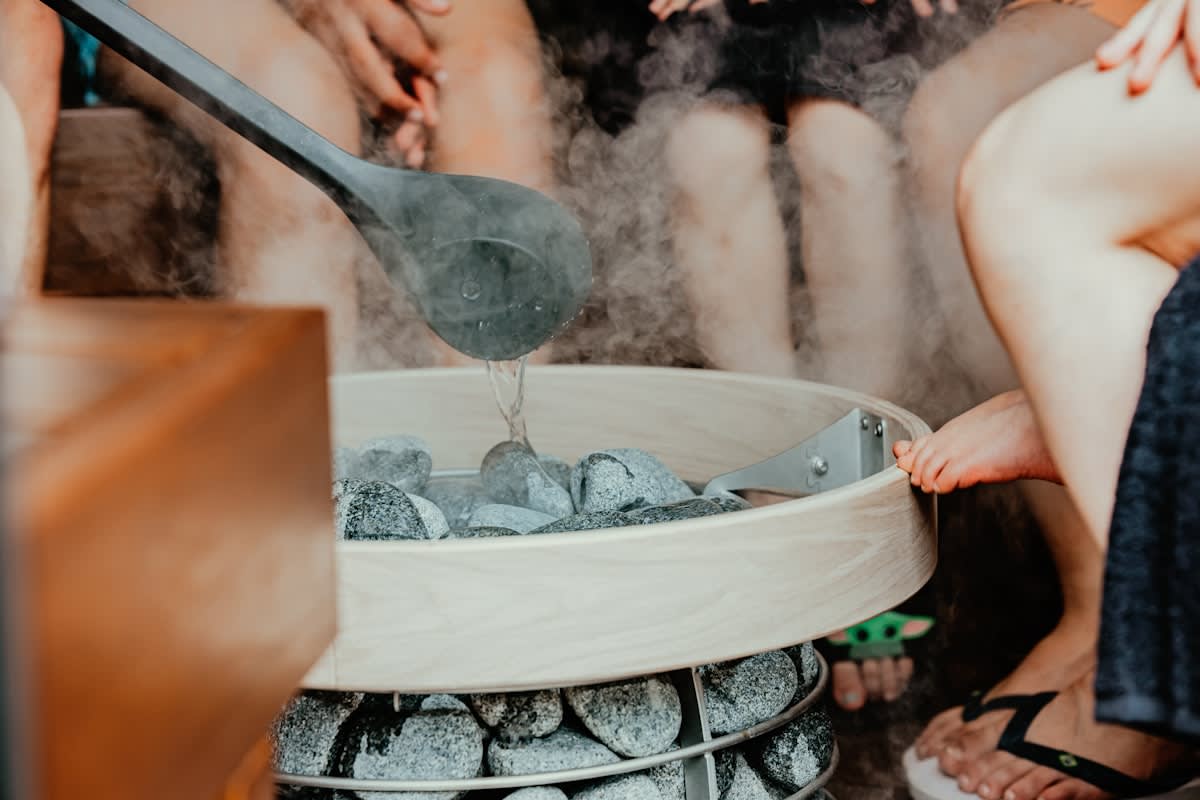
- The Thermal Pivot: Exit the environment and immediately transition to the opposite temperature or a neutral state. This 'swing' is what creates the systemic reset effect.
- The Integration Period: Spend 15 minutes in complete stillness. Allow your internal thermostat to recalibrate without the interference of digital devices or conversation.
The magic happens during the 'Adaptation Hold.' As your body fights to maintain its core temperature, it activates a cascade of protective mechanisms. According to research on how our bodies adapt to extreme temperatures, the system is remarkably capable of adjusting—up to a point (Source: New Scientist, 2026). The key is to stay within the window where the body is challenged but not overwhelmed. If you push too far, you move from a state of hormesis (beneficial stress) to a state of genuine trauma, which defeats the entire purpose of the reset.
"If these findings can be replicated in clinical trials, the implications could be substantial... [the therapy] seemed to maintain the energy supply in nerve endings that is commonly disrupted..."— Maria Maiaru, Researcher at the University of Reading
The quote from Maria Maiaru regarding the maintenance of energy supply in nerve endings is critical here (Source: New Scientist, 2026). While her research focuses on preventing chemotherapy-induced nerve damage, the underlying principle is the same for thermal resets: the preservation and optimization of nerve energy. A temperature shock forces the nerves to efficiently manage their energy supply to survive the environmental stress. By repeatedly challenging the nerve endings, we essentially 'train' them to maintain a more robust energy flow, making the entire nervous system less prone to burnout and more resilient to psychological stress.
In my years of practice, I've seen a fierce debate between the 'Cold Purists' and the 'Heat Advocates.' The Cold Purists argue that the vasoconstriction caused by ice baths is the only way to truly flush the system. The Heat Advocates point to the deep detoxification and cardiovascular load of the sauna. From my perspective, the debate is a distraction. The reset doesn't come from the cold or the heat alone; it comes from the contrast. The movement between extremes is what forces the nervous system to recalibrate. I've worked with athletes in Mexico City and executives in London, and the results are consistent: the contrast is the catalyst.
Managing the Threshold: When to Stop
There is a dangerous misconception that 'more is better' in thermal therapy. This is a fallacy. The body adapts to extreme temperatures, but only until it gets too hot or too cold to maintain core functions (Source: New Scientist, 2026). When you cross that threshold, you are no longer resetting your nervous system; you are inducing heat stroke or hypothermia. I have seen practitioners push through the 'shiver' or the 'sweat' long after the physiological benefit has peaked. Once you hit the point of diminishing returns, the stress becomes systemic and destructive, leading to prolonged fatigue rather than a reset.
Common Pitfalls and Professional Warnings
The most common mistake I encounter is the 'Recovery Rush.' People jump into a cold plunge, get out, and immediately check their emails or jump into a high-stress conversation. This completely negates the reset. You have just opened a window of neurological plasticity; if you immediately fill that window with digital noise and stress, you are simply reinforcing the very patterns you tried to break. The integration period is not optional; it is the most important part of the process.
Another pitfall is ignoring the 'after-drop.' In cold therapy, your core temperature continues to drop even after you leave the water. If you don't manage this with gradual warming, you can trigger a secondary stress response that leaves you feeling drained for hours. I always recommend a slow return to baseline—think warm tea and light movement—rather than jumping straight into a hot shower, which can cause an abrupt blood pressure drop in some individuals.
Editorial Note
This guide is written from the perspective of a practitioner who views thermal shock as a tool for resilience. While the biological mechanisms of nerve energy and temperature adaptation are well-documented, the 'reset' experience is subjective. Always prioritize safety over intensity.
Fact-Check & Accuracy Note
Key claims regarding the body's adaptation to extreme temperatures and the role of nerve energy supply are sourced from New Scientist (2026) and research from the University of Reading. Note that the specific application of psilocybin for nerve energy was studied in the context of chemotherapy, and its direct correlation to thermal shock is an expert extrapolation based on the principle of nerve energy maintenance.