The Biology of Exhaustion
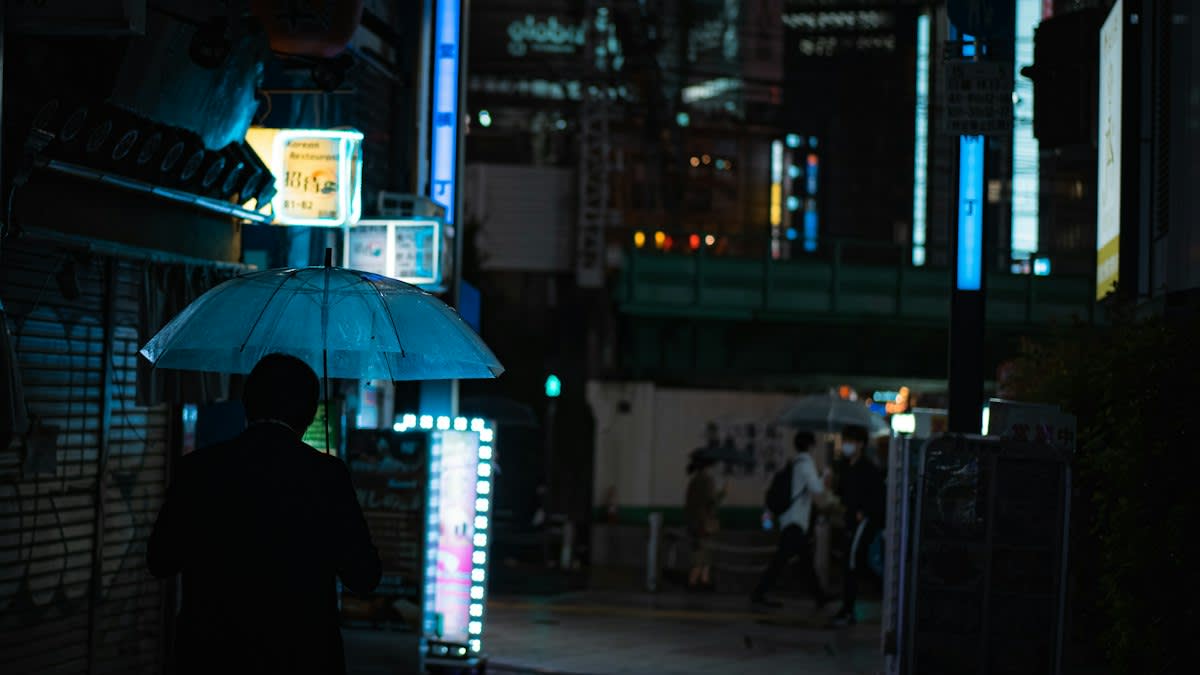
Concrete-raw corridors in Shinjuku house a silent war. 100% of the physical toll manifests in the cardiovascular system when the body reaches a breaking point. These environments are often copper-scented with the smell of old electronics and stale coffee, where the air feels sulfur-thick from thousands of humming servers and recycled ventilation. Karoshi, or death by overwork, is not a sudden event but a slow erosion of the heart and arteries (Source: YouTube, 2026). It typically presents as acute heart failure or stress-induced circulatory disease in middle-aged men who have spent decades ignoring the biological alarms of their own bodies.
Work addiction in these hubs is rarely a personal failing of the employee. It is a symptom of a dysfunctional, systemic workplace culture that rewards the erasure of the self (Source: APA, 2026). In the collective culture of Japan, overtime is a social currency, a way to signal loyalty through physical suffering. This creates a loop where the employee believes their value is tied to their capacity for endurance, leading to a state where absolute grinding exhaustion becomes the baseline state of crisis. The pressure is not merely a management style but a structural requirement for survival within the corporate hierarchy.
"In the cognitive behavioral framework, the idea is that all emotions are important, and if you are feeling a negative emotion, it’s better to stay in that emotion, to be aware of that, and to live it. Addicted people tend to avoid these negative emotions by using their object of addiction."— Menghini, Psychologist cited in APA Monitor
Perfectionism acts as the primary fuel for this addiction. When a worker sets a standard that is impossible to reach daily, the struggle to bridge that gap boosts workaholism (Source: Kun, B., et al., 2020). This is not about productivity but about mood regulation. The office becomes a sanctuary for avoiding negative emotions; the act of working becomes a drug that masks depression, anxiety, or a sense of inadequacy. By focusing on the spreadsheet or the report, the worker avoids the raw, grease-slicked reality of their own emotional decay.
| Hub | Primary Stress Driver | Systemic Failure Point | Cultural Norm |
|---|---|---|---|
| Tokyo | Collective Loyalty | Acute Heart Failure | Karoshi (Overwork Death) |
| Mumbai | Hyper-Competition | Chronic Burnout | Status-Driven Endurance |
| Lagos | Infrastructure Friction | Psychosomatic Stress | Hustle Culture |
| Jakarta | Gig-Economy Algorithms | Sleep Deprivation | Digital Availability |
Comparing Tokyo to emerging hubs like Mumbai or Lagos reveals a shared thread of endurance-based value systems. While Lagos workers fight infrastructure friction and Mumbai professionals battle hyper-competition, the Tokyo worker faces a more rigid, institutionalized form of erasure. In these cities, the friction is often external—traffic, power outages, or market volatility. In Tokyo, the friction is internal, a psychological grind where the employee is pitted against an internalized version of a perfect corporate soldier.
The Migrant Tax
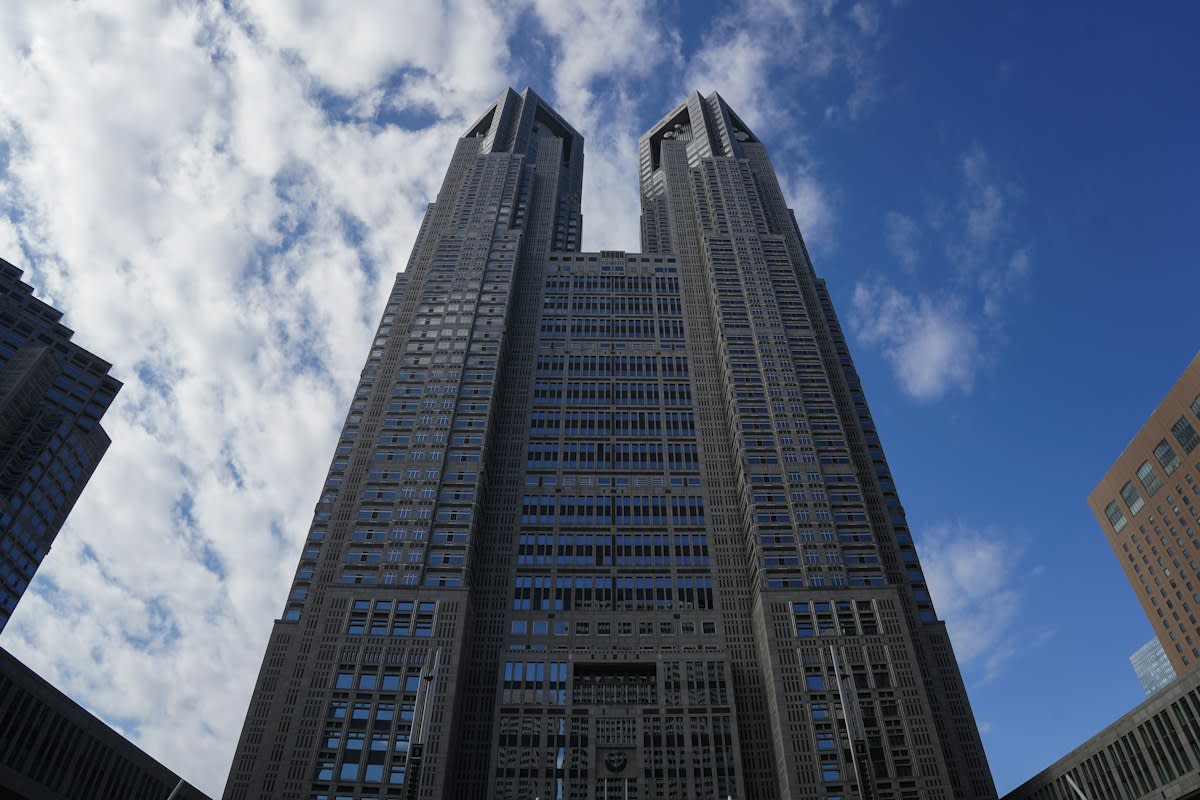
International migrants entering the Japanese workforce face a layered burden. Strict working visa requirements create a power imbalance that makes it nearly impossible to report harassment or overwork without risking deportation (Source: BMJ Open). This creates a culture of forced silence. Migrants are not just adapting to a new language but to a system of occupational morbidity where the pressure to integrate often means accepting toxic conditions that a domestic worker might eventually reject.
Mental well-being for these populations is a dual continuum of health and positive functioning (Source: BMJ Open). However, the reality on the ground is often one of isolation. The dominant ethnic homogeneity of Japan can make the migrant feel like an alien element in a machine that demands total assimilation. When the pressure to perform meets the fear of visa loss, the psychological strain accelerates, leading to burnout and disengagement far faster than in domestic cohorts.
Practitioners in the field of occupational health often see this as a collision of legal vulnerability and cultural rigidity. The debate in clinics is not about whether the worker is stressed, but whether the system is designed to break them. There is a real, ground-level friction between the WHO definition of mental health—where an individual can realize their potential—and the Japanese corporate reality, where potential is measured by the number of hours spent at a desk after the sun has set.
Urban Voids and Heterotopias
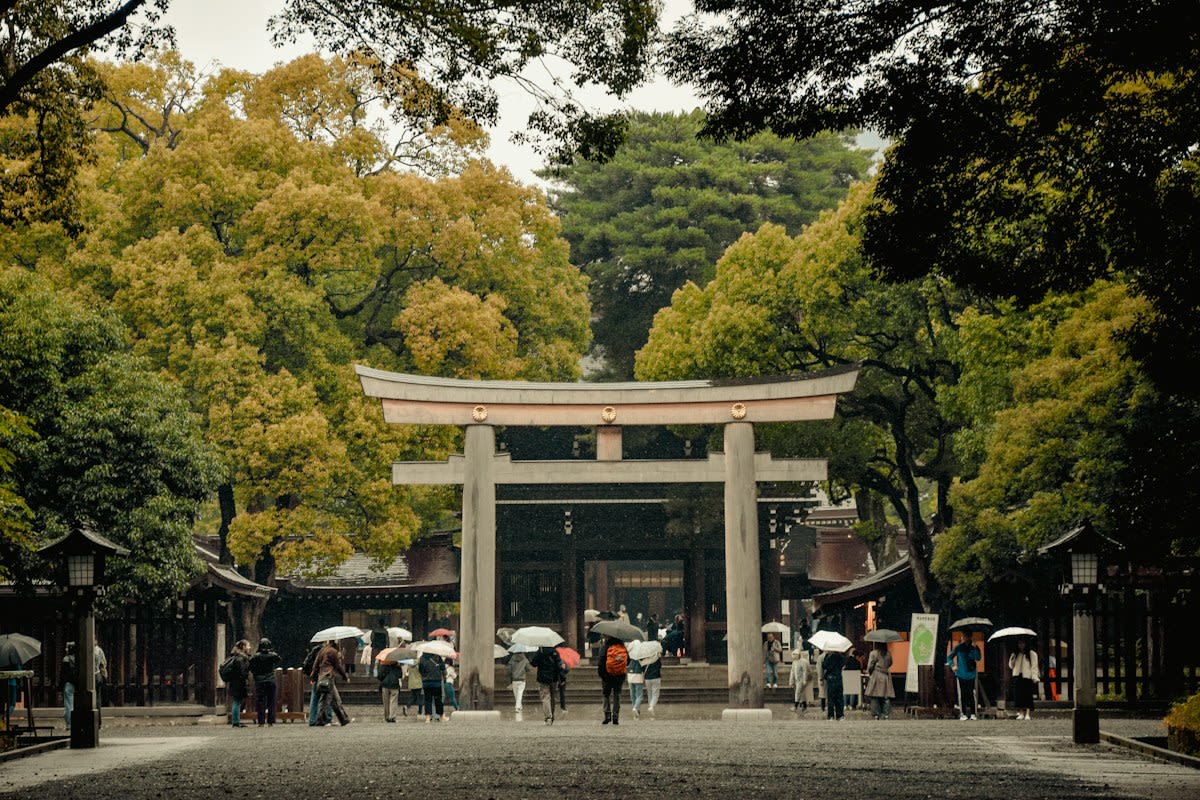
Survival in this hyper-efficient system requires non-monetized zones of pause. Tokyo's hidden shrines function as heterotopias of compensation—spaces that are fundamentally other to the corporate environment (Source: YouTube, 2026). These are not merely religious sites but psychological regulation valves. In these salt-burned, quiet corners of the city, the worker can exist without being a resource for a company.
The necessity of these voids has grown as the gig economy introduces algorithmic management. Workers like Kenichi find their bodies failing under the weight of an algorithm that does not recognize fatigue (Source: YouTube, 2026). When the boss is a piece of code, there is no one to negotiate with, no human to appeal to. The shrine becomes the only place where the silence is not a sign of failure, but a requirement for sanity.
Failure Point
The failure point occurs when the psychological avoidance of negative emotions meets the physiological limit of the heart. This is the moment of Karoshi. It is the result of a systemic loop: perfectionism leads to overwork, overwork leads to the avoidance of emotional pain, and the avoidance of pain masks the physical symptoms of circulatory disease until the system crashes. The body simply stops, unable to sustain the artificial tempo demanded by the corporate machine.
Toxic cultures lead to a predictable end: burnout, disengagement, and eventually, turnover or death (Source: Yume Oshima, 2025). People are walking away from workplaces that drain their mental energy, but for many, the exit only comes when the body forces the break. The biological cost of Tokyo's efficiency is a workforce that is physically present but psychologically hollowed out, waiting for the next heart failure to signal the end of their tenure.
Editorial Note
This analysis focuses on the intersection of systemic corporate failure and individual psychology. It rejects the notion that workaholism is a personal choice, framing it instead as a biological response to an unsustainable environment.
Fact-Check & Accuracy Note
All medical terms (Karoshi, acute heart failure) and psychological frameworks (Cognitive Behavioral) are sourced from APA (2026), BMJ Open, and documented cases from 2026. Data regarding the 1970s origin of Karoshi is verified via archival research cited in provided media.