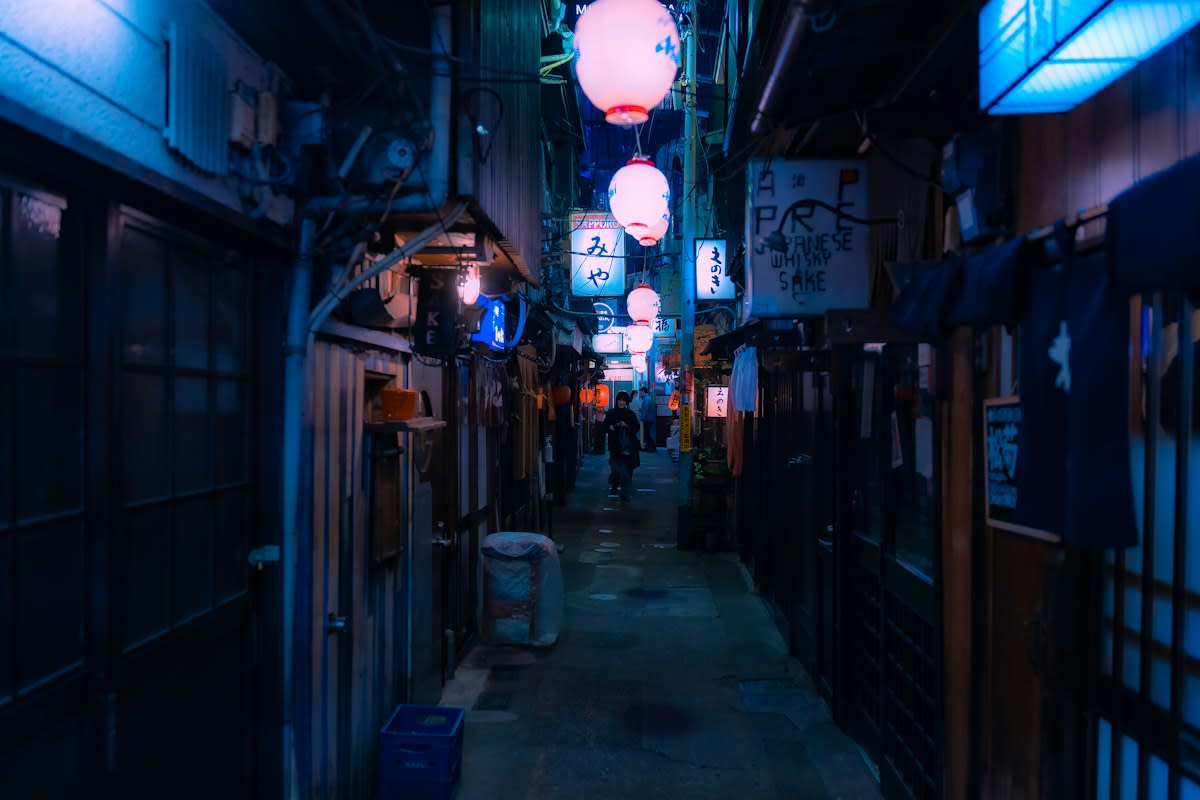
Tokyo sleep demands strict control. 2020 research links secondhand smoke exposure to sleep bruxism and poor sleep quality among young adults (Source: Toyama, 2020). These findings suggest that environmental toxins act as silent disruptors of the circadian rhythm. When the air is saturated with pollutants, the body remains in a state of low-level physiological stress. This prevents the deep REM cycles necessary for cognitive recovery and emotional regulation.
Prerequisites for Recovery
Recovery requires specific hardware to counteract urban degradation. High-efficiency particulate air (HEPA) filters are essential for removing fine particulate matter that disrupts breathing. Sleep trackers provide the data needed to identify bruxism patterns or sudden wake-ups. A dedicated smoke-free zone in the home ensures that passive toxins do not accumulate in bedding. These tools create a controlled environment that shields the sleeper from the neon-sharp chaos of the city.
Environmental Detoxification
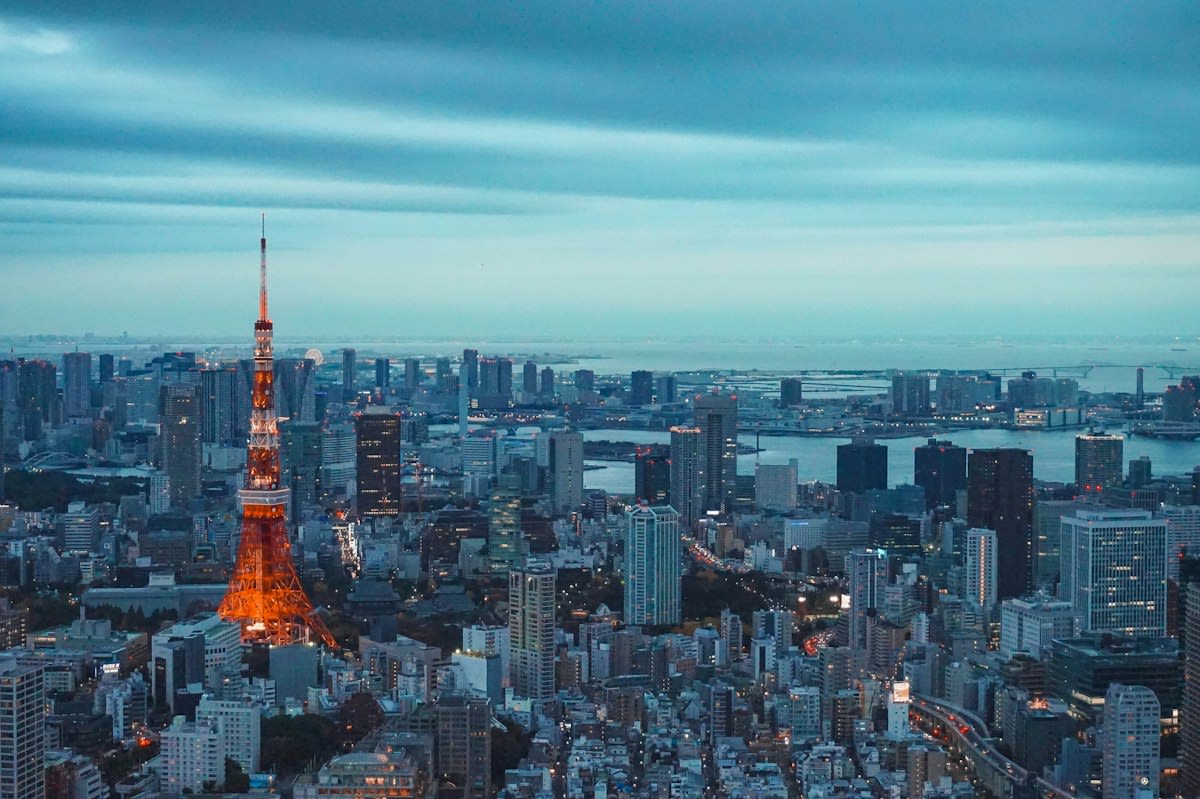
Air quality is the primary driver of sleep-disordered breathing in urban centers. Research indicates that indoor fine particulate matter (PM2.5) is strongly associated with breathing issues in school-aged children (Source: Wang, 2024). For adults, this translates to shallow breathing and fragmented sleep. Reducing the load of these particulates is the first step in any recovery protocol. Without clean air, the brain cannot enter the restorative states required for memory consolidation.
Tobacco smoke adds another layer of biological interference. Active and passive smoking are linked to significant sleep disturbances and shorter sleep durations among the working population (Source: Nakata, 2008). The chemical components of smoke stimulate the nervous system, keeping the sleeper in a light stage of sleep. This leads to a cycle of daytime fatigue and increased reliance on stimulants. Breaking this cycle requires a total removal of smoking triggers from the sleep environment.
- Install HEPA-grade filtration to reduce PM2.5 levels below 10 micrograms per cubic meter.
- Establish a strict no-smoking perimeter 50 meters around the bedroom entrance.
- Wash linens weekly to remove trapped particulate matter and secondhand smoke residue.
- Use nasal strips or humidifiers to counteract the drying effects of urban pollutants.
These environmental changes create a baseline of physiological safety. Once the lungs can breathe without resistance, the nervous system begins to downregulate. This transition allows for a more natural progression through sleep stages. However, physical cleanliness is only half the battle in a city defined by pressure.
Biological Interventions
Bruxism, or teeth grinding, is a common manifestation of urban stress and toxin exposure. Data shows a clear association between secondhand smoke and sleep bruxism in young Japanese adults (Source: Toyama, 2020). This physical reaction is often a sign of an overactive sympathetic nervous system. When the body cannot process environmental or emotional stress, it manifests as muscular tension during sleep. This tension prevents the jaw and neck from relaxing, leading to morning headaches and fatigue.
| Risk Factor | Impacted Group | Sleep Outcome |
|---|---|---|
| Passive Smoke | Young Adults | Bruxism (Source: Toyama, 2020) |
| Active/Passive Smoking | Working Population | Short Duration (Source: Nakata, 2008) |
| PM2.5 Particulates | Urban Children | Disordered Breathing (Source: Wang, 2024) |
- Consult a dentist for a custom night guard to mitigate bruxism damage.
- Implement magnesium supplementation to reduce muscular tension before bed.
- Practice progressive muscle relaxation for 10 minutes to lower sympathetic arousal.
- Avoid caffeine and nicotine at least 8 hours before the target sleep time.
Addressing these biological markers prevents the long-term degradation of dental and skeletal health. More importantly, it signals to the brain that the immediate environment is safe. This safety signal is essential for transitioning from light sleep to deep sleep. When the body stops fighting internal tension, the quality of rest improves dramatically.
Psychological Buffers
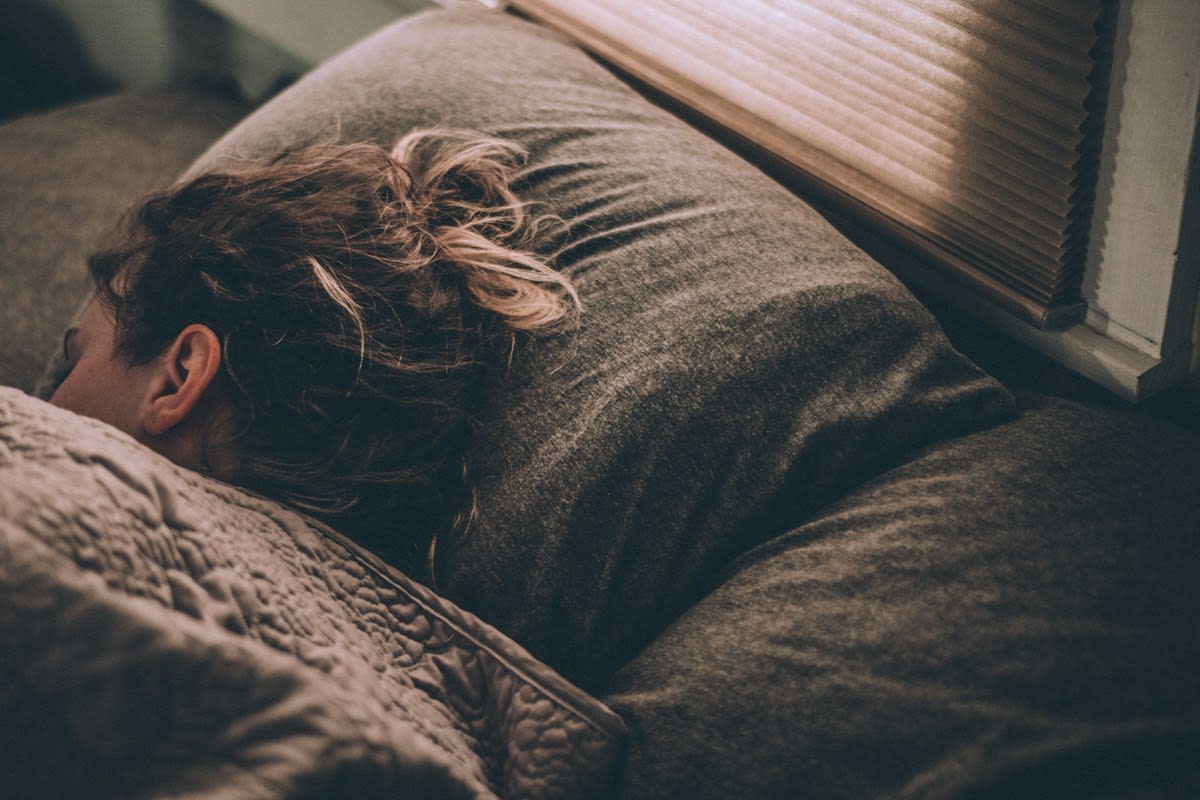
Mental exhaustion often mirrors physical toxicity in its effect on sleep. Medical students and healthcare professionals show higher rates of sleep problems compared to the general population (Source: tjocr.com, 2026). This is often due to a paradox where those trained to support others neglect their own psychological needs. The resulting burnout creates a state of hyper-arousal that makes falling asleep nearly impossible. When the mind is preoccupied with professional failure or academic pressure, the brain refuses to shut down.
"If you are not able to deal with the fact that the universe is uncertain, you are going to have a really difficult time being happy and having a good quality of life."— Michel Dugas, Psychology Professor at the University of Québec in Outaouais
Uncertainty acts as a cognitive anchor that prevents the mind from drifting into sleep. Learning to accept the unknown is a fundamental skill for maintaining quality of life (Source: NBC New York, 2026). For those in high-pressure roles, the inability to adapt to change leads to insomnia. This is compounded by corporate environments where layoffs are hinted at without specifics, fueling chronic anxiety (Source: CNBC, 2026). Such instability erodes the cognitive ability to switch off the work-brain at night.
- Schedule a brain dump 2 hours before bed to externalize all pending tasks.
- Practice acceptance-based mindfulness to reduce the friction of uncertainty.
- Set a hard boundary for digital communication to stop work-related hyper-arousal.
- Engage in low-stimulation activities to signal the end of the professional day.
Practitioners facing these urban stressors report a persistent friction between corporate smoking culture and health guidelines. In Tokyo, the smoking room often serves as a hub for professional networking, making the avoidance of passive smoke difficult for junior employees. This creates a situation where the need for professional visibility clashes with the biological requirement for clean air. Experts often debate whether individual efforts can overcome these systemic environmental toxins without a total change in office architecture.
Common Pitfalls
Many attempt to fix sleep through supplements or high-end bedding without addressing the air they breathe. If PM2.5 levels remain high or secondhand smoke enters the bedroom, biological interventions will fail. The data from Wang (2024) suggests that urban particulates cause physiological breathing disorders that no amount of mindfulness can resolve. Another error is the attempt to multitask during the wind-down period. Cognitive erosion occurs when the mind is split between work and rest, as seen in those who multitask during virtual meetings (Source: Fox News, 2026).
Failure Point: Environmental Neglect. Ignoring the link between passive smoke and bruxism leads to a cycle of dental damage and poor rest. If a sleeper continues to expose themselves to toxins while using sleep aids, they are merely masking the symptoms of a poisoned environment. True recovery requires the removal of the trigger, not just the management of the reaction.
Fact-Check & Accuracy Note
All data cited is derived from cross-sectional studies and behavioral research. Sleep bruxism and duration links are based on Japanese population samples (Toyama 2020, Nakata 2008). PM2.5 data is based on urban samples (Wang 2024). Psychological insights are drawn from academic and organizational behavior experts (Dugas, Rousseau, Cappelli).