
For decades, the difference between a gold medalist and a runner-up was attributed to 'grit' or 'natural talent.' That era is dead. Today, the margin of victory is found in the decimals. Professional sports have shifted from intuitive coaching to a rigorous, data-driven science where every heartbeat, stride, and nutrient is tracked, analyzed, and optimized. Why should this level of precision be reserved only for those with Olympic sponsorships? Whether you are a corporate executive optimizing for cognitive endurance or a weekend warrior chasing a personal best, the frameworks of professional sports analytics are accessible and applicable to your daily routine.
The current global landscape reflects a massive surge in this direction. A global health and wellness trend is driving increased participation in sports like running, a phenomenon that is expected to be long-lasting (Source: UBS, 2026). This isn't just about more people jogging; it is about a systemic shift toward 'performance living.' We are seeing the democratization of tools that were once locked behind the doors of high-performance centers in Europe or North America. Now, the same technology driving a sporting revolution in regions like India—including wearable health monitoring and biochemical analysis—is available to the broader public (Source: Youth Inc Mag, 2026).
Prerequisites: Your Performance Stack
Before you can optimize, you must measure. You cannot manage what you do not track. To implement a professional-grade analytics workflow, you need a stack that covers three primary domains: biometric input, activity output, and recovery markers. You don't need a million-dollar lab, but you do need consistency in how you collect your data.
- Wearable Technology: A device capable of monitoring heart rate variability (HRV), sleep stages, and resting heart rate to track overall health (Source: Youth Inc Mag, 2026).
- Activity Trackers: GPS-enabled devices for precise performance tracking and distance/intensity metrics (Source: Youth Inc Mag, 2026).
- Biochemical Baselines: Access to blood panels or metabolic testing to understand your unique nutritional and hormonal needs (Source: Youth Inc Mag, 2026).
- Visual Capture Tools: A high-frame-rate camera (even a modern smartphone) for video analysis of form and movement (Source: Youth Inc Mag, 2026).
Once these tools are in place, the goal isn't to collect data for the sake of it. The goal is to find the 'signal' amidst the 'noise.' Professional athletes don't look at a single data point; they look at trends over time. This is where the transition from a casual user to a master practitioner happens.
The Implementation Framework: 4 Steps to Optimization
Implementing sports analytics is a recursive loop. You measure, you adjust, you test, and you refine. If you skip a step, you aren't practicing analytics; you're just guessing with a fancy watch on your wrist.
- Establish Your Biochemical and Health Baseline: Start with biochemical analysis to identify deficiencies or strengths in your system (Source: Youth Inc Mag, 2026). Use your wearable tech to establish a 14-day baseline of your resting heart rate and sleep quality. This tells you what 'normal' looks like for your body before you introduce new stressors.
- Quantify Performance Output: Use GPS tracking and data analytics to monitor your output (Source: Youth Inc Mag, 2026). Instead of 'running hard,' track your pace, cadence, and heart rate zones. This removes the subjectivity from your training and allows you to see exactly when your performance plateaus.
- Apply Technical Refinement via Video and AI: Utilize video analysis to scrutinize your form (Source: Youth Inc Mag, 2026). Compare your movements against elite benchmarks. If available, leverage AI-assisted coaching tools to identify inefficiencies in your kinetic chain that a human eye might miss.
- Close the Loop with Recovery Monitoring: Use recovery labs or monitoring tools to determine your readiness for the next session (Source: Youth Inc Mag, 2026). If your HRV is low or your biochemical markers suggest systemic inflammation, the 'analytical' choice is to reduce intensity, regardless of what your calendar says.
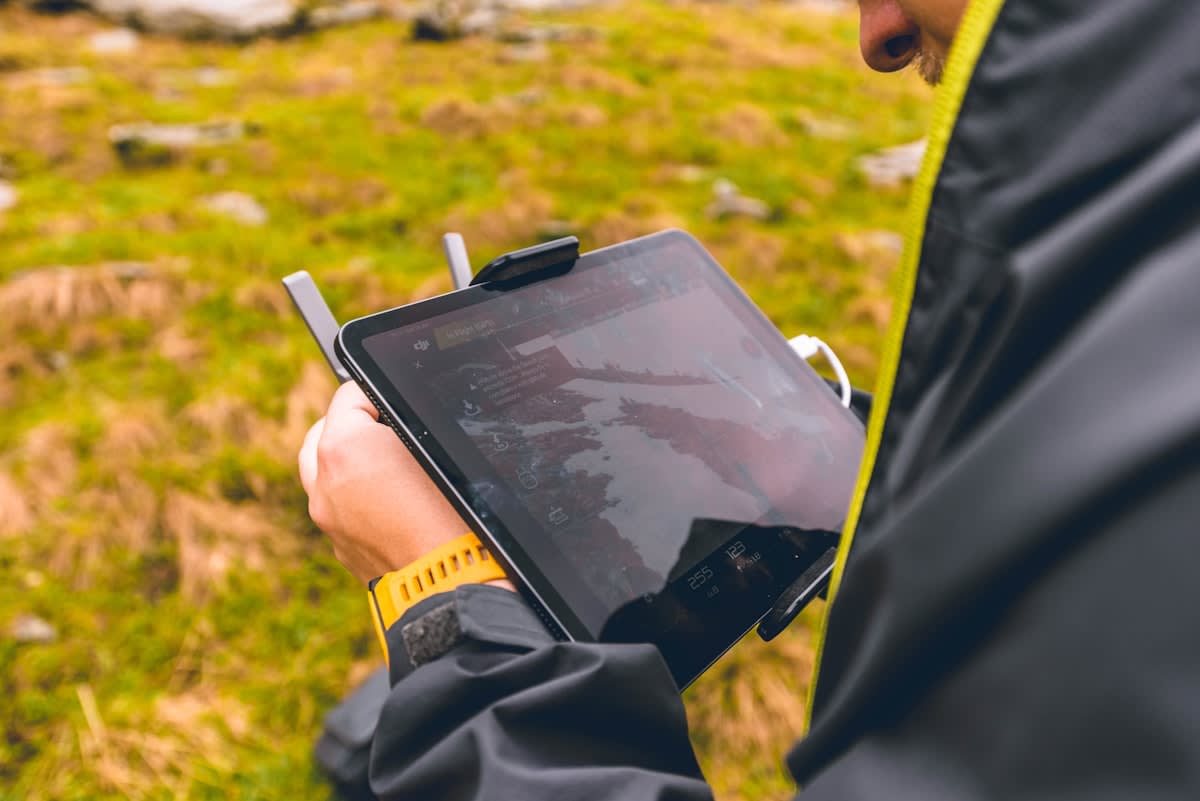
To make this work, you must think like a performance analyst. In the professional world, the performance analyst doesn't just hand over a spreadsheet; they provide a recommendation. When you look at your data, ask: 'What is this telling me to change tomorrow?' If the data doesn't lead to a change in behavior, it is useless.
The Practitioner's Perspective: Data vs. Intuition
Having spent years implementing these systems, I can tell you that the biggest friction isn't the technology—it's the ego. I've sat in rooms where strength and conditioning coaches and performance analysts argue vehemently over a single metric. The coach says, 'The athlete looks tired; we need to pull back.' The analyst says, 'The GPS data and biochemical markers show they are primed for a peak load.' This tension is where the real work happens. The 'Master Practitioner' knows that data is a flashlight, not a map. It illuminates the path, but it doesn't walk it for you.
"Technology is changing how athletes and sports personalities train. There is video analysis for matches, wearable technology for athletes to monitor health, data analytics help with performance tracking, AI-assisted coaching, sports medicine, recovery monitoring and biochemical analysis. This ensures better training and performance on all levels, helping athletes give their best."— Youth Inc Mag, Report on India's Sporting Revolution, 2026
The real debate on the ground is whether we are over-quantifying the human experience. When you track every calorie and every minute of REM sleep, you risk losing the 'feel' of the sport. However, the evidence is clear: those who can balance biological intuition with hard data consistently outperform those who rely on only one. The goal is to use analytics to validate your intuition, not replace it.
Common Pitfalls in Performance Analytics
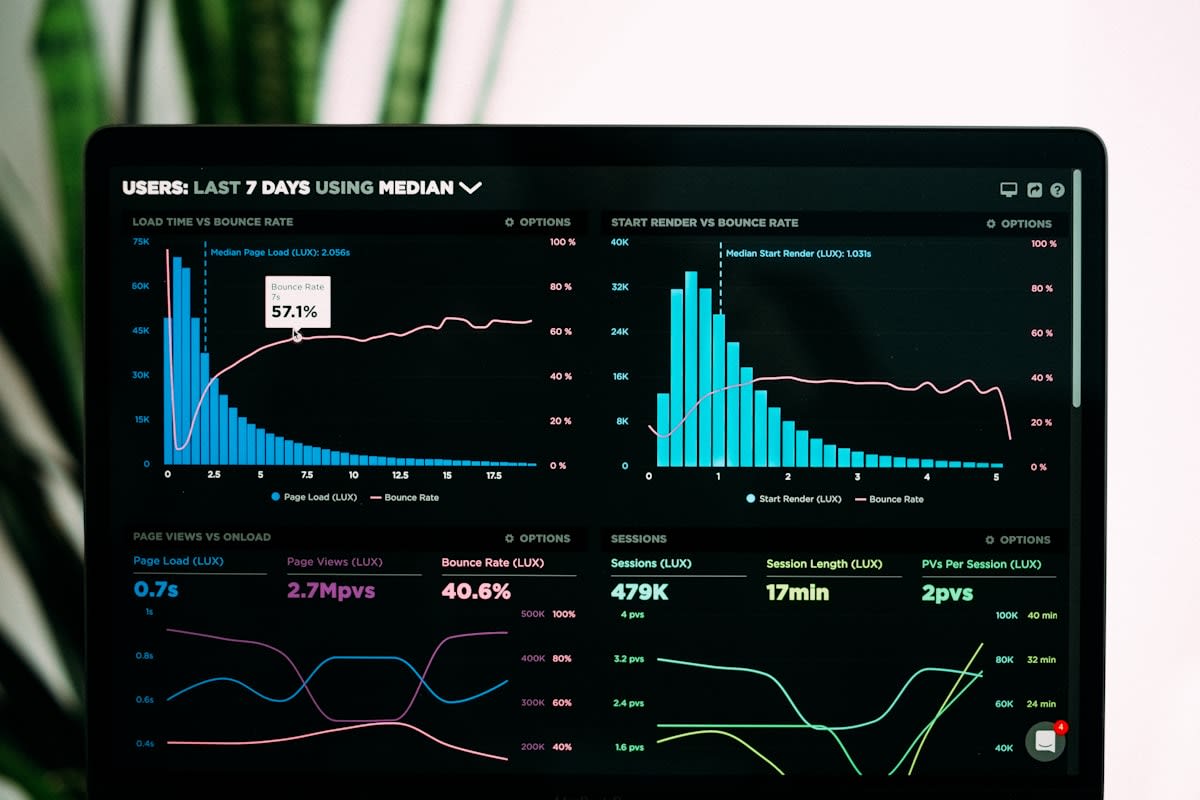
Most people fail at sports analytics because they fall into the 'Collection Trap.' They buy every wearable and app available but never synthesize the data into a plan. They become collectors of metrics rather than optimizers of performance.
- The Vanity Metric Trap: Focusing on numbers that look good (like total steps) rather than numbers that drive performance (like heart rate recovery).
- Ignoring the Lag: Forgetting that biochemical changes often lag behind physical effort. You might feel great today, but your markers might show you're on the edge of burnout.
- Over-reliance on AI: Using AI-assisted coaching as a replacement for a qualified sports nutritionist or physiotherapist rather than as a supportive tool (Source: Youth Inc Mag, 2026).
- Data Paralyis: Spending more time analyzing the sleep score than actually sleeping.
To avoid these pitfalls, remember that the ultimate metric is your actual performance. If your data says you are peaking but your times are slowing down, trust the stopwatch. The data is there to serve the result, not the other way around.
Fact-Check & Accuracy Note
Key claims regarding the use of video analysis, wearable tech, biochemical analysis, and the role of performance analysts are sourced from Youth Inc Mag (2026). The trend regarding global health and wellness driving sports participation is attributed to UBS (2026). There is ongoing debate in the field regarding the balance between data-driven prescriptions and athlete intuition.