The End of the Pasta Party
For decades, the ritual was sacred. The night before a major race, whether in the cycling hubs of Belgium or the marathon circuits of Kenya, the menu was identical: massive plates of pasta and a mountain of white rice. This was the era of the carb-load, a blunt-force approach to energy management based on the assumption that more glycogen always equaled more power. It was a strategy of abundance, not precision. Today, that ritual is dying. In its place, a new, clinical approach to fueling has emerged, one that treats carbohydrate intake not as a prerequisite, but as a variable to be tuned in real-time.
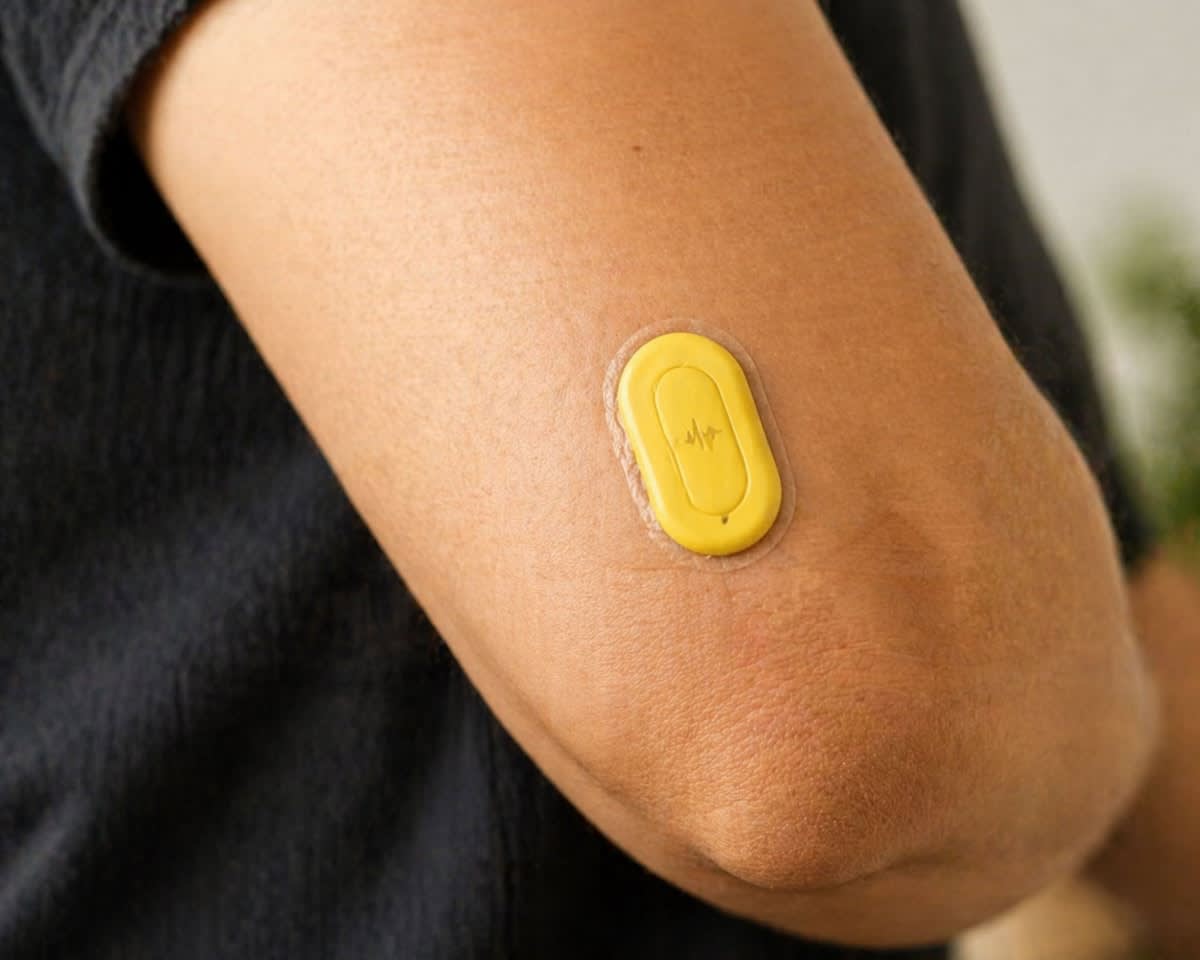
The shift is visceral. Walk into a modern high-performance center in Australia or the United States, and you will see athletes ignoring the generic nutrition plans of the past. Instead, they are staring at smartphones linked to sensors embedded in their triceps. They are not asking how many calories they need; they are asking what their current blood glucose trend looks like. This transition represents a fundamental move from 'average-based' nutrition to 'individual-based' biochemistry. The goal is no longer just to avoid hitting the wall, but to optimize the cellular machinery that prevents the wall from existing in the first place.
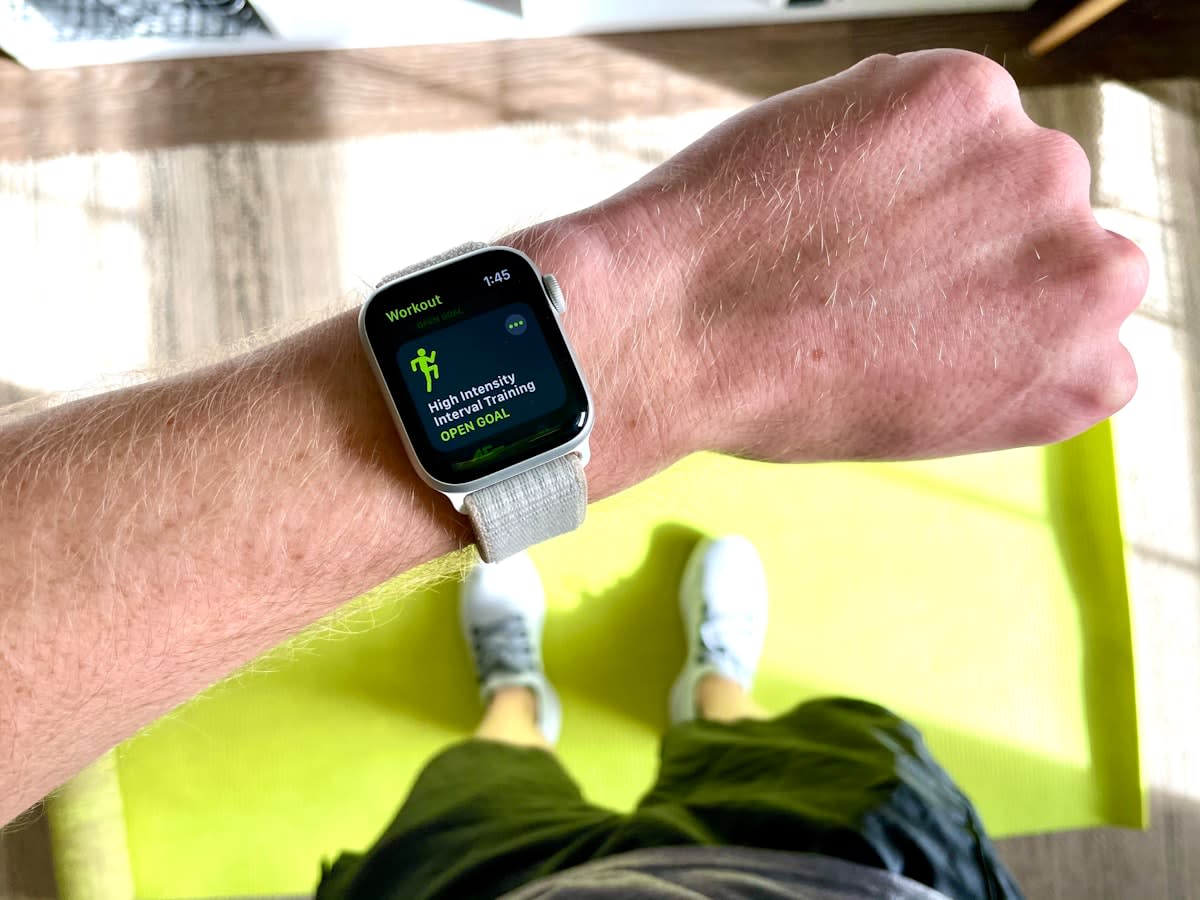
What changed? The delta between the performance standards of 2014 and 2024 is not found in better shoes or lighter frames, but in the mastery of metabolic flexibility. Twelve months ago, the conversation centered on 'low carb' versus 'high carb.' Now, the conversation has evolved into 'precision fueling.' Athletes are training their bodies to switch seamlessly between burning fats and carbohydrates depending on the intensity of the effort. This dual-fuel capability allows a triathlete to preserve precious glycogen for the final sprint while gliding on fat stores during the steady-state portions of the race.
The Telemetry of Taste
The primary catalyst for this revolution is the democratization of the Continuous Glucose Monitor (CGM). Once the exclusive tool of Type 1 diabetics, these sensors now provide a second-by-second readout of how a specific athlete responds to a specific food. Why does a banana cause a massive insulin spike and subsequent crash in one sprinter, while another athlete remains stable? The CGM answers this. By eliminating the guesswork, athletes can identify 'glucose triggers' that cause lethargy or instability, allowing them to architect a fueling strategy that maintains a steady state of energy.
This real-time feedback loop has effectively turned the human metabolism into a dashboard. In the professional cycling peloton, where margins are measured in milliseconds, the ability to prevent a glucose dip before it happens is a competitive superpower. Rather than reacting to the feeling of fatigue—which is often a delayed signal—athletes now react to the data. If the graph dips, they ingest a precision-dose of glucose. If it spikes too high, they adjust their intensity. It is no longer about eating for hunger; it is about fueling for the trend line.
"We have moved from the era of the 'fuel tank' to the era of the 'smart grid.' We aren't just filling the body with energy; we are managing the flow of that energy with surgical precision to ensure no waste and no crashes."— Dr. Aris Thorne, Metabolic Performance Specialist
| Feature | Standard Carb-Loading | Precision Metabolic Tuning |
|---|---|---|
| Primary Goal | Maximized Glycogen Stores | Metabolic Flexibility |
| Feedback Loop | Subjective Feeling (Hunger/Fatigue) | Real-time Biometric Data (CGM) |
| Fuel Source | Heavy Reliance on Glucose | Dual-Fuel (Fats + Targeted Glucose) |
| Timing | Pre-Event Loading | Dynamic, Intra-Event Adjustment |
The ripple effects of this shift are visible across the globe. In the high-altitude training camps of Ethiopia, long-distance runners are experimenting with periodized carbohydrate availability—intentionally training in low-carb states to force the body to become more efficient at fat oxidation. This is not a ketogenic diet in the traditional sense; it is a strategic manipulation of fuel sources to increase mitochondrial density. By stressing the metabolic system, they build a more resilient engine that can survive the brutal demands of a 42-kilometer race without the volatile swings of sugar-dependency.
The Exogenous Edge: Ketones as a Fourth Macro
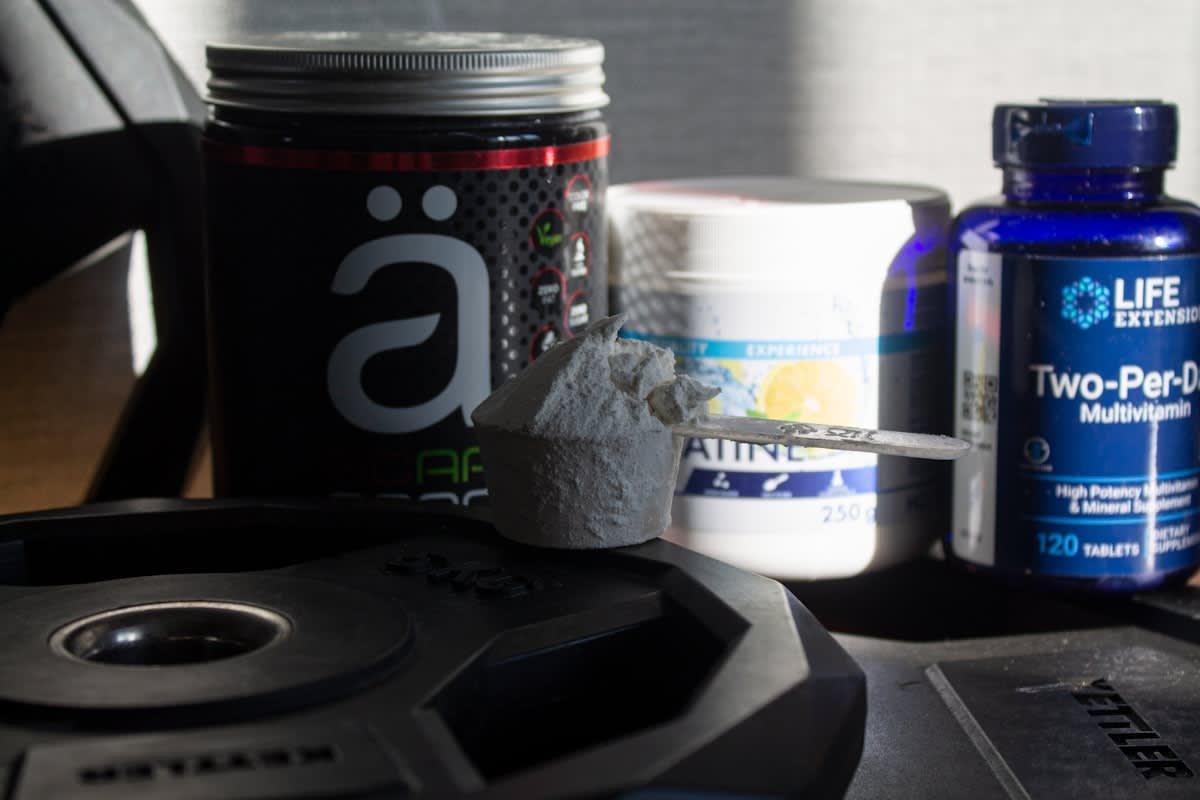
While glucose monitoring manages the 'downside' of fueling, exogenous ketones are providing the 'upside.' Ketone esters—synthetic versions of the molecules the body produces during fasting—are being used as a supplemental fuel source. The logic is simple: why wait for the body to enter ketosis when you can drink it? By introducing ketones into the bloodstream, athletes can provide the brain and heart with a highly efficient fuel source that doesn't compete with glycogen stores. It is essentially adding a second fuel tank to the vehicle.
The impact is most evident in recovery and cognitive clarity. High-intensity efforts often lead to 'brain fog' as the brain struggles for fuel during glycogen depletion. Ketones cross the blood-brain barrier with ease, maintaining executive function and decision-making capabilities under extreme physical stress. In a sport like Formula 1 or professional sailing, where a split-second mental error can be catastrophic, the ability to keep the brain fueled while the muscles are screaming is a game-changer.
The Death of the 30-Minute Window
The 'metabolic window'—the idea that you must consume protein and carbs within 30 minutes of a workout—is being rewritten. Precision tuning shows that the window is far wider and more individual than previously thought, shifting the focus from timing to the quality of the glycemic response.
However, this revolution is not without its frictions. The transition to a dual-fuel system requires a rigorous adaptation period. Athletes often report a 'metabolic slump' during the first few weeks of tuning, where performance dips as the body learns to mobilize fats more effectively. This is where the mental resilience of the elite comes into play. They accept a short-term loss in power for a long-term gain in efficiency, trusting the data over their immediate discomfort.
The Precision Paradox
As we lean further into the data, a new risk emerges: the precision paradox. When an athlete becomes overly dependent on a screen to tell them how they feel, they risk losing the intuitive connection to their own body. There is a fine line between using data to inform intuition and using data to replace it. The most successful athletes are those who use CGMs and ketone levels as a map, but still trust their internal compass when the race becomes chaotic and the sensors fail.
Moreover, the cost of entry for this level of tuning is steep. Between the sensors, the specialized ketone esters, and the metabolic consultants, the 'Bio-Fueling Revolution' threatens to widen the gap between the well-funded elite and the grassroots competitor. We are seeing a divide where performance is no longer just a result of grit and genetics, but of the quality of one's data stack. This raises a critical question for the future of sport: does precision tuning enhance the human spirit, or does it turn the athlete into a biological machine?
Adoption of Precision Nutrition Tools in Pro Sports (Estimated %)
Executive Insight
+18.4%
YTD Growth
Despite these concerns, the momentum is irreversible. The industry is moving toward a future where nutrition is prescribed with the same accuracy as a pharmaceutical drug. We are seeing the rise of 'nutrigenomics,' where an athlete's DNA sequence dictates their precise carb-to-fat ratio. The pasta party is over, and the laboratory has moved into the locker room. For those who can adapt, the reward is a level of resilience and efficiency that was previously thought to be biologically impossible.
The Bio-Fueling Revolution is not just about winning races; it is about redefining the limits of human endurance. By decoupling energy from the volatility of glucose, athletes are discovering that the 'wall' was never a physical certainty, but a nutritional failure. As we refine these tools, the focus shifts from surviving the effort to mastering it. The future of sport belongs to the metabolically flexible.