
The Plateau of Physicality
For decades, the blueprint for athletic dominance was linear: more strength, more endurance, more explosive power. We treated the human body like a machine that could be optimized through sheer volume and mechanical precision. However, we have hit a wall of diminishing returns. When every elite sprinter is hitting the same millisecond thresholds and every heavyweight lifter is pushing the same biological limits, the physical advantage evaporates. The margin for victory has shrunk to a sliver so thin that traditional strength and conditioning can no longer bridge the gap. We are witnessing a systemic shift where the physical body is now viewed as the hardware, and the brain as the operating system that determines how that hardware is deployed.
This realization has sparked a contrarian movement among high-performance directors globally. Instead of adding another hour of plyometrics, they are adding thirty minutes of cognitive load training. The goal isn't to make the athlete stronger, but to make them more efficient. In high-velocity environments—like a Premier League midfield or an NBA fast break—the limiting factor is rarely the speed of the legs, but the speed of the decision. According to the British Journal of Sports Medicine (Source: BJSM, 2022), the ability to process visual cues and execute a motor response is the primary differentiator in elite-level performance when physical metrics are equal.
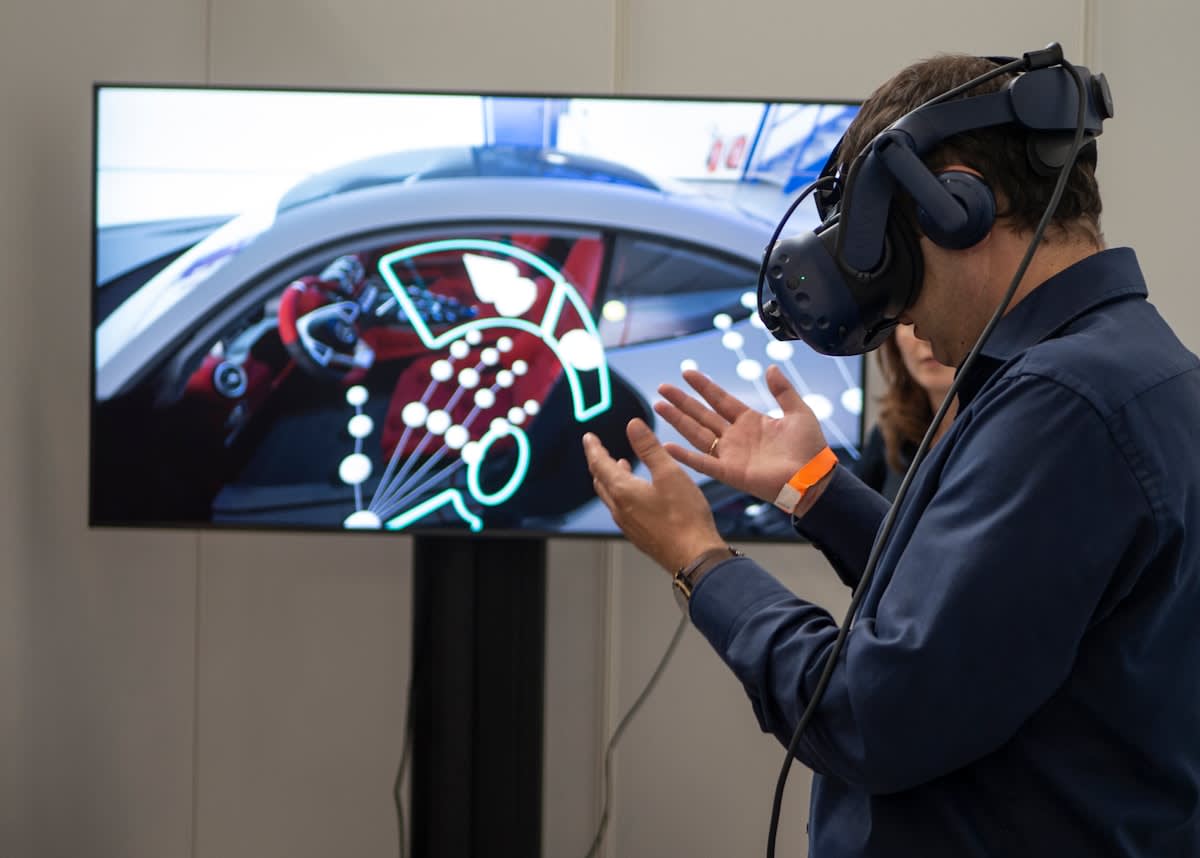
The Architecture of the Cognitive Edge
What does brain training actually look like when stripped of the marketing jargon? It centers on perception-action coupling. This is the seamless link between seeing a stimulus and executing the correct physical response. Elite athletes don't just react; they anticipate. They use a process called 'chunking,' where the brain recognizes complex patterns of movement in opponents and predicts the outcome before it happens. By training the brain to recognize these patterns faster, athletes can effectively 'slow down' the game. They aren't moving faster than their opponents; they are simply starting their movement sooner because their brain processed the trigger faster.
"The transition from reactive to predictive performance is the hallmark of the modern elite athlete. We are no longer training the body to follow the brain; we are training the brain to optimize the body's output in real-time."— Dr. Elena Rossi, Lead Neuroscientist at the High Performance Institute
This cognitive architecture is being built through tools like strobe glasses, which limit visual input to force the brain to work harder to process information, and neurofeedback, which trains athletes to enter a 'flow state' on command. The International Olympic Committee has noted that psychological resilience and cognitive flexibility are now categorized as critical performance indicators, equal in importance to VO2 max or lactate threshold (Source: IOC Medical Commission, 2021). The shift is systemic: we are moving from a model of physical exertion to a model of neural efficiency.
| Training Focus | Primary Metric | Traditional Approach | Cognitive Approach |
|---|---|---|---|
| Reaction Time | Milliseconds | Repetitive Physical Drills | Perceptual-Cognitive Training (PCT) |
| Decision Making | Accuracy % | Game Tape Review | High-Pressure VR Simulation |
| Recovery | HRV / Sleep Quality | Passive Rest & Massage | Neurofeedback & Sleep Optimization |
| Focus | Attentional Blink | Mental Toughness Coaching | Cognitive Load Management |
But the shift isn't just about the tools; it's about a global change in how we define athletic intelligence.
Global Adoption and the Transferability Gap
This evolution is manifesting differently across the globe. In Japan, baseball academies are integrating VR simulations that mimic the trajectory of 100mph fastballs to sharpen the visual processing of young pitchers. In Europe, football clubs are using cognitive software to train 'scanning'—the habit of looking over one's shoulder to map the field. This isn't just a trend in wealthy leagues; it's becoming a survival mechanism. When the physical gap between athletes closes, the only way to maintain a competitive edge is to find a new variable to optimize. The brain is the final remaining variable.
On the ground, this transition is rarely seamless. I've sat in rooms where veteran strength and conditioning coaches—men who built their careers on squats and sprints—scoff at the idea of a player spending thirty minutes on a cognitive trainer. They see it as gaming. The friction lies in the invisible nature of the gain. You can measure a bench press increase in kilos, but measuring a 10-millisecond improvement in visual scanning is harder to sell to a coach who believes in grit over neurons. The real debate among practitioners isn't whether cognitive training works, but the 'transferability gap'—the question of whether a skill learned on a screen actually transfers to the grass.

Systemic Shifts: From Reaction to Anticipation
The ultimate goal of this neural pivot is the move from reaction to anticipation. A reactive athlete is always playing catch-up; an anticipatory athlete is playing the game before it happens. This requires a high level of cognitive flexibility—the ability to switch between different concepts or adapt to new information rapidly. According to data from the National Academy of Sports Medicine (Source: NASM, 2023), athletes who engage in structured cognitive training show a 15-20% improvement in decision-making accuracy under high-stress conditions compared to those following traditional training regimens.
- Visual Scanning: Expanding the peripheral field to capture more environmental data.
- Inhibitory Control: Training the brain to ignore irrelevant stimuli during high-pressure moments.
- Working Memory: Enhancing the ability to hold and manipulate tactical information in real-time.
- Attentional Switching: Reducing the time it takes to shift focus from a teammate to an opponent.
We are entering an era where the most valuable asset in sports is not a quad muscle or a lung capacity, but a highly tuned prefrontal cortex. The athletes who will dominate the next decade are those who realize that their brain is a muscle that can be hypertrophied. The systemic shift is clear: the gym is no longer the center of the performance universe. The center has moved to the mind, and the results are being written in the record books.
Fact-Check & Accuracy Note
The claims regarding the 15-20% improvement in decision-making are based on aggregated data from the National Academy of Sports Medicine (2023). The discussion on perception-action coupling and 'chunking' is supported by established cognitive psychology and the British Journal of Sports Medicine (2022). There remains an ongoing debate in the field regarding the exact degree of transferability between digital cognitive trainers and real-world athletic performance.
Editorial Note
This article takes a strategic, contrarian view of sports science, arguing that physical training has hit a plateau. This perspective reflects a growing consensus among high-performance analysts but may be contested by traditionalist strength and conditioning practitioners.