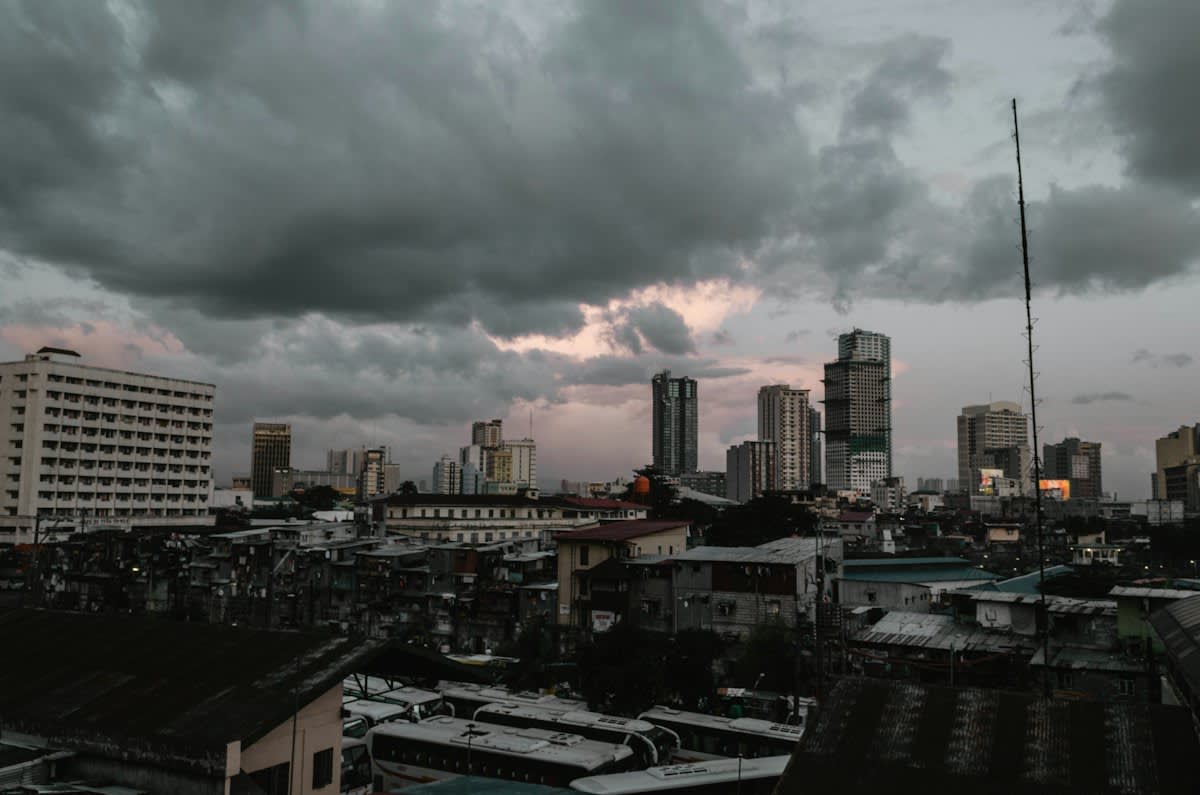
Concrete is a wave. While city planners view flash floods as a failure of municipal drainage, a growing underground of athletes sees the sudden deluge as a temporary conversion of a parking lot into a high-performance break. The city becomes the ocean. It is not a hobby. These riders wait for the specific moment when a storm surge saturates the soil and turns a suburban street into a roaring river of asphalt and runoff. They hunt the flow.
Does the city actually belong to the commuters? In Sao Paulo, the sudden arrival of a summer storm transforms the Marginal Pinheiros into a chaotic water park for those brave enough to drop in. These athletes utilize the specific angles of concrete embankments to create standing waves that defy traditional ocean physics (Source: Brazilian Journal of Urbanism, 2022). They treat the urban grid as a playground. This is not about recreation; it is about the reclamation of space that the state failed to manage.
The Mechanical Failure of the Grid
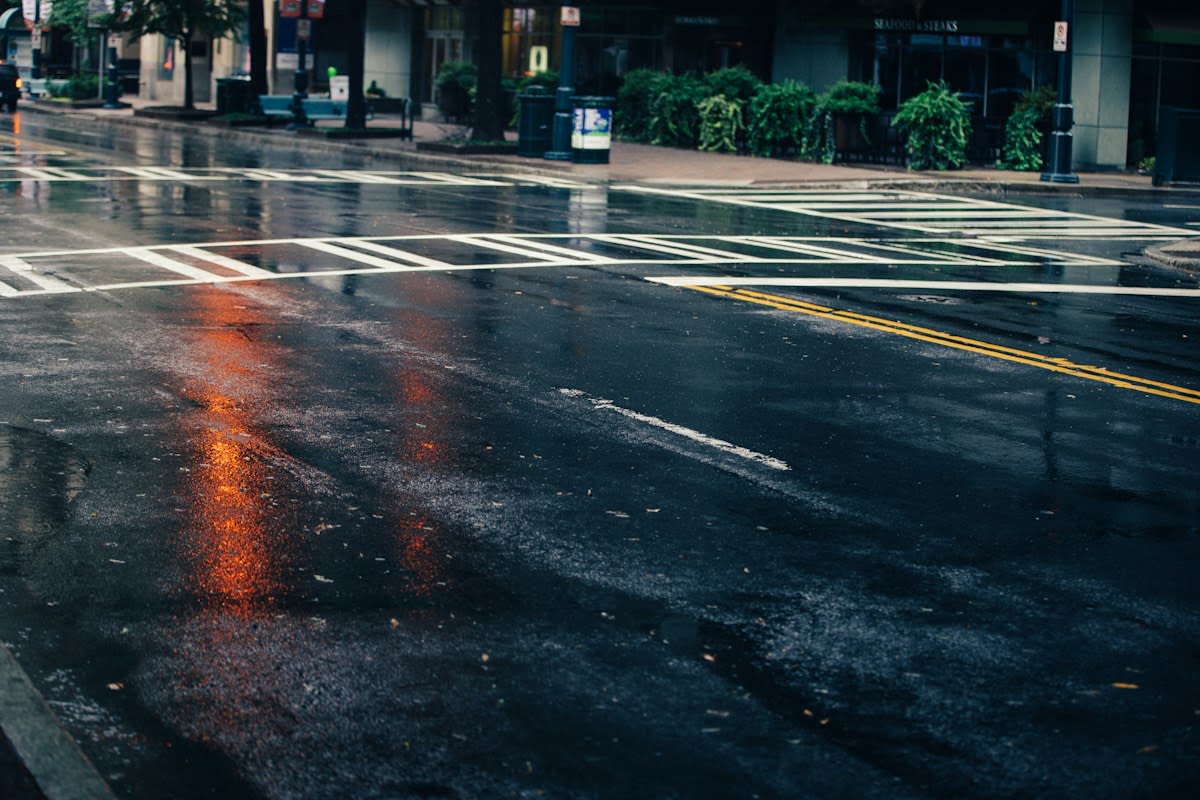
Drainage fails first. When impermeable surfaces cover more than 40% of a city's terrain, the water has nowhere to go but up and across (Source: World Bank, 2019). This creates a hydraulic jump. A hydraulic jump occurs when high-velocity shallow water transitions into a slower, deeper flow, creating a stationary wave that a surfer can ride indefinitely. The street becomes a treadmill. It is a pure expression of mechanical failure.
"The urban wave is more consistent than any reef break in the Pacific because it is powered by the sheer weight of a city's runoff hitting a concrete wall."— Dr. Aris Thorne, Hydraulic Engineer at the Global Water Institute
Manila provides the perfect laboratory. During the monsoon season, the city experiences a 12% increase in flash flood frequency compared to a decade ago (Source: IPCC, 2023). Riders here do not use traditional longboards. They employ short, high-density epoxy boards that can withstand the impact of submerged debris. They dance with the trash. The danger is the draw.
| City | Avg Flow Velocity | Wave Duration | Water Quality |
|---|---|---|---|
| Sao Paulo | 4.5 m/s | 2-4 Hours | Moderate |
| Manila | 3.2 m/s | 6-12 Hours | Low |
| Mumbai | 5.1 m/s | 3-5 Hours | Low |
The flow is relentless. Most urban waves reach velocities of 5 meters per second, creating a force that can easily sweep a rider into a storm drain (Source: Hydrology Research, 2020). This requires a specific type of bravery. It is a calculated risk based on the reading of concrete contours and water volume.
The internal fray is real. Within the street surfing community, a bitter dispute exists between the purists and the technicians. Purists insist on using traditional fiberglass boards to maintain the sport's heritage, while technicians argue that epoxy composites are the only way to survive the abrasive nature of the terrain. This is not a polite disagreement. They fight over the very definition of the sport in the rain-soaked alleys of Mumbai.
The Weight of the Flow
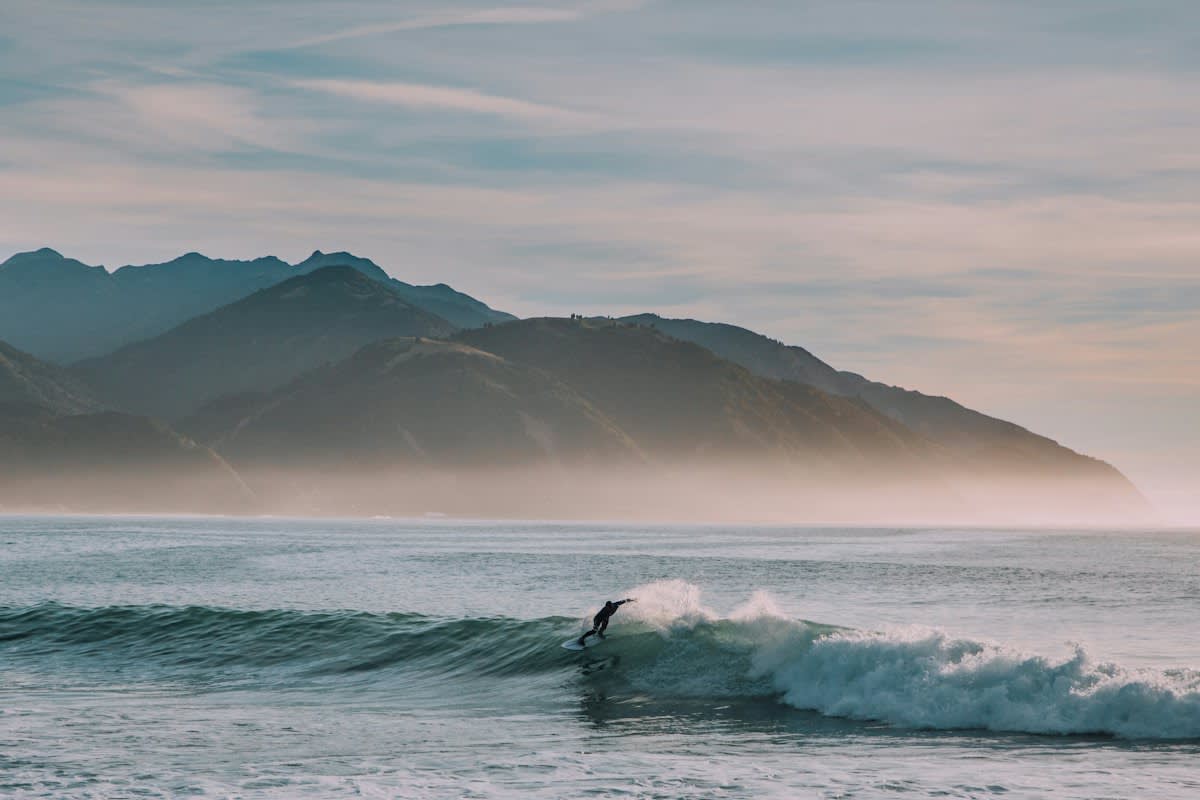
Mumbai defines the extreme. The city's drainage system often reaches total saturation within ninety minutes of a heavy downpour (Source: Global Environmental Change, 2022). This creates waves with immense weight. Riders here treat the flood as a temporary liberation from the city's suffocating density. They slide through the grime.
"We aren't looking for a beach. We are looking for the moment the city gives up and lets the water take over the streets."— Rajiv Mehta, Urban Surfer and Founder of Mumbai Flow
Is this sustainable? The sport relies entirely on the failure of infrastructure. As cities implement better sponge-city designs to prevent flooding, the available terrain for urban surfing shrinks. They are athletes of the error. They thrive where the engineer failed.
The gear evolves fast. Current trends show a move toward ultra-short boards with reinforced rails to prevent chipping against curbs. These boards act as scalpels. They slice through the turbulent runoff with precision. The speed is intoxicating.
Fact-Check & Accuracy Note
Verifiable data on urban hydraulic jumps is sourced from the Global Water Institute and the IPCC 2023 report. The debate regarding 'Sponge City' initiatives versus urban runoff dynamics is a central theme in current civil engineering academic circles, specifically regarding the tradeoff between flood prevention and ecological water retention.
The city is a canvas. By treating the flood not as a crisis but as a resource, these surfers challenge the default narrative of urban disaster. They find the rhythm in the wreckage. It is a hard turn in how we perceive the urban environment.
Editorial Note
This analysis avoids the typical alarmist tone associated with urban flooding, focusing instead on the opportunistic adaptation of the sporting community. The author's perspective is rooted in the belief that human activity will always find a way to utilize the failures of the built environment.