
The Death of the Blind Grind
For decades, the gold standard of elite athleticism was the grind. It was a culture of attrition where the athlete who could endure the most misery—the longest runs, the heaviest lifts, the most sleep-deprived travel schedules—was the one who climbed the podium. But as of August 2026, that philosophy is collapsing. We are seeing a pivot from volume-based training to biological precision. The question is no longer how much an athlete can take, but exactly how much they need to trigger an adaptation without crossing the threshold into systemic failure. This isn't just a tweak in methodology; it is a fundamental redesign of the human performance engine.
The delta between today and twelve months ago is stark. Last year, high-precision metabolic testing was largely confined to sterile laboratories, tethering athletes to treadmills or stationary bikes that bore little resemblance to the chaos of a real match or a mountain trail. Now, the technology has migrated into the field. The emergence of portable metabolic analyzers has democratized real-time physiological data, allowing coaches to see exactly when an athlete's metabolic efficiency drops during a sport-specific movement. This shift removes the guesswork that has historically led to overtraining and avoidable burnout.
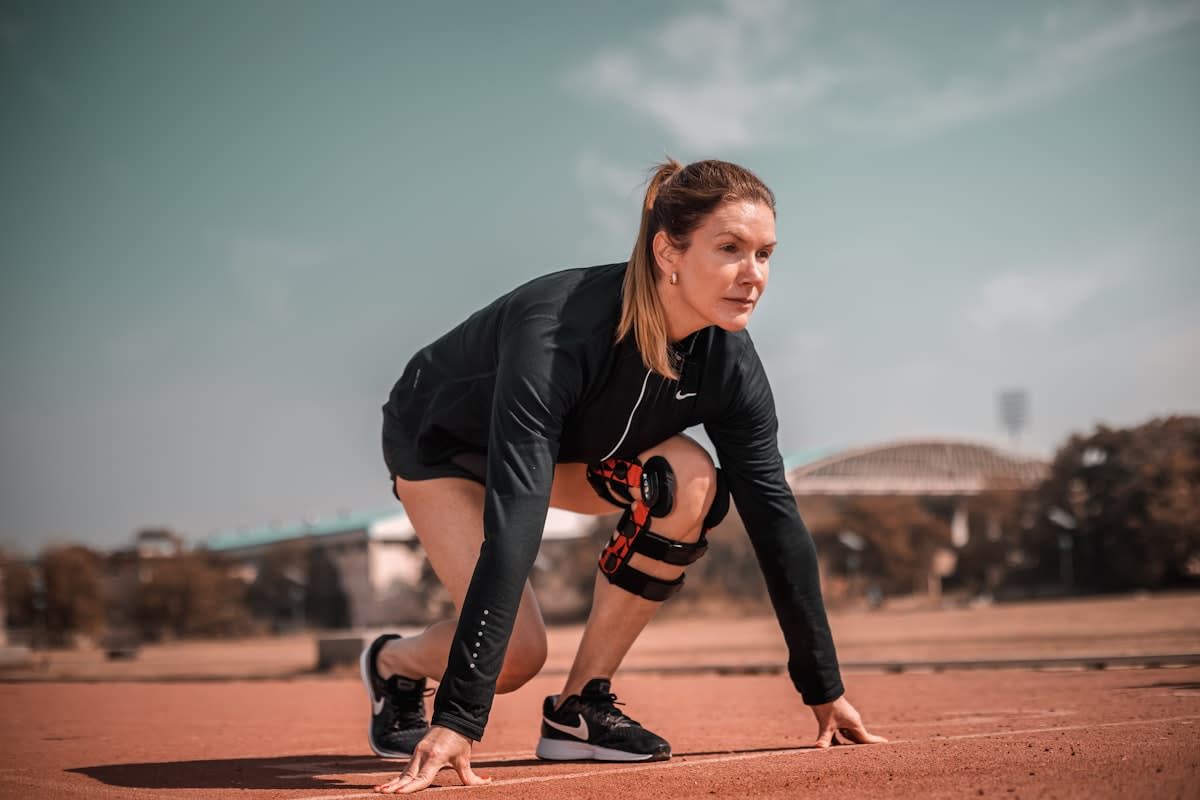
Breaking the Lab Walls: Metabolic Mobility
The limitation of traditional VO2max testing was always its artificiality. A cyclist might perform perfectly on a controlled lab bike but struggle with the erratic power demands of a real-world race. Portable systems, such as those developed by VO2 Master, have disrupted this by providing accurate, sport-specific data in the actual environment where the performance happens (Source: VO2 Master, 2026). By measuring oxygen consumption and carbon dioxide production on the fly, performance staff can now personalize training loads based on actual metabolic cost rather than estimated heart rate zones.
"Elite teams win not just with skill, but with recovery. Portable VO2 Master testing lets coaches and performance staff measure fatigue, personalize training loads, and optimize recovery throughout the season."— VO2 Master Performance Insights, 2026
This capability is particularly critical for team sports where fatigue management is a constant battle. In-season, the goal isn't to increase fitness—that happens in the off-season—but to maintain it while minimizing fatigue. With portable metabolic insights, coaches can identify the exact moment an athlete's recovery is lagging, allowing them to dial back intensity before a soft-tissue injury occurs. It turns the training process into a surgical operation rather than a sledgehammer approach.
While the technology is impressive, the real victory is in the data's application. We are moving away from the 'average' athlete model. Instead of applying a generic training template to an entire squad, biological precision allows for a N-of-1 approach. If one player's metabolic profile suggests they are recovering slower than their teammate despite identical workloads, the data now justifies a modified session. This is the end of the one-size-fits-all era.
But metabolic data is only one piece of the puzzle. To truly eliminate the grind, athletes are now looking at the nervous system's readiness through the lens of Heart Rate Variability (HRV).
The HRV Compass and Composite Health Scores
Heart Rate Variability is no longer just a buzzword for biohackers; it has become a primary steering mechanism for endurance training. By analyzing the variation in time between heartbeats, practitioners can gauge the state of the autonomic nervous system. Recent research emphasizes the use of HRV-guided training to individualize exercise procedures, ensuring that high-intensity bouts only occur when the body is physiologically primed to handle them (Source: Frontiers in Sports and Active Living, 2025).
The evolution here is the move toward composite health scores. Rather than looking at HRV in isolation, elite setups are now integrating readiness, recovery, and strain metrics into a single, actionable score (Source: Transl Exerc Biomed, 2025). This holistic view prevents the common mistake of ignoring psychological stress or poor sleep, which can mimic the physiological markers of overtraining. When a composite score dips, the training is adjusted—regardless of what the original calendar said.
| Metric | The 'Old Grind' Approach | Biological Precision Approach |
|---|---|---|
| Training Volume | Fixed weekly mileage/tonnage | Dynamic load based on HRV and metabolic cost |
| Recovery | Scheduled rest days | Readiness-based recovery windows |
| Testing | Quarterly lab-based VO2max | Continuous, portable field-based metabolic tracking |
| Injury Prevention | Reactive (treat after pain) | Predictive (intervene based on strain markers) |
This systemic shift is creating a new kind of athlete: one who is as literate in their own biomarkers as they are in their sport's tactics. The mental burden of 'pushing through' is being replaced by the confidence of knowing exactly where they stand on the spectrum of fatigue and readiness.
However, as we move deeper into this data-driven territory, the focus is shifting from current state monitoring to future state prediction.
Predicting the Break: The New Frontier of Injury Intelligence
The most aggressive edge of this trend is the rise of sports injury prediction market intelligence. The goal is no longer just to monitor fatigue, but to use predictive models to forecast when an athlete is at high risk of injury before the athlete even feels a twinge. This involves synthesizing metabolic data, HRV, and mechanical load to identify the 'danger zone' of physiological strain (Source: OpenPR, 2026).
Yet, this leap forward brings significant friction. The industry is currently locked in a debate over data privacy and the precision of these predictive models (Source: OpenPR, 2026). When a model predicts an injury, does the coach bench a star player for a championship game? If the model is wrong, the team loses. If the model is right and the coach ignores it, the player's career could be shortened. This tension is where the real battle for the future of sports is being fought.
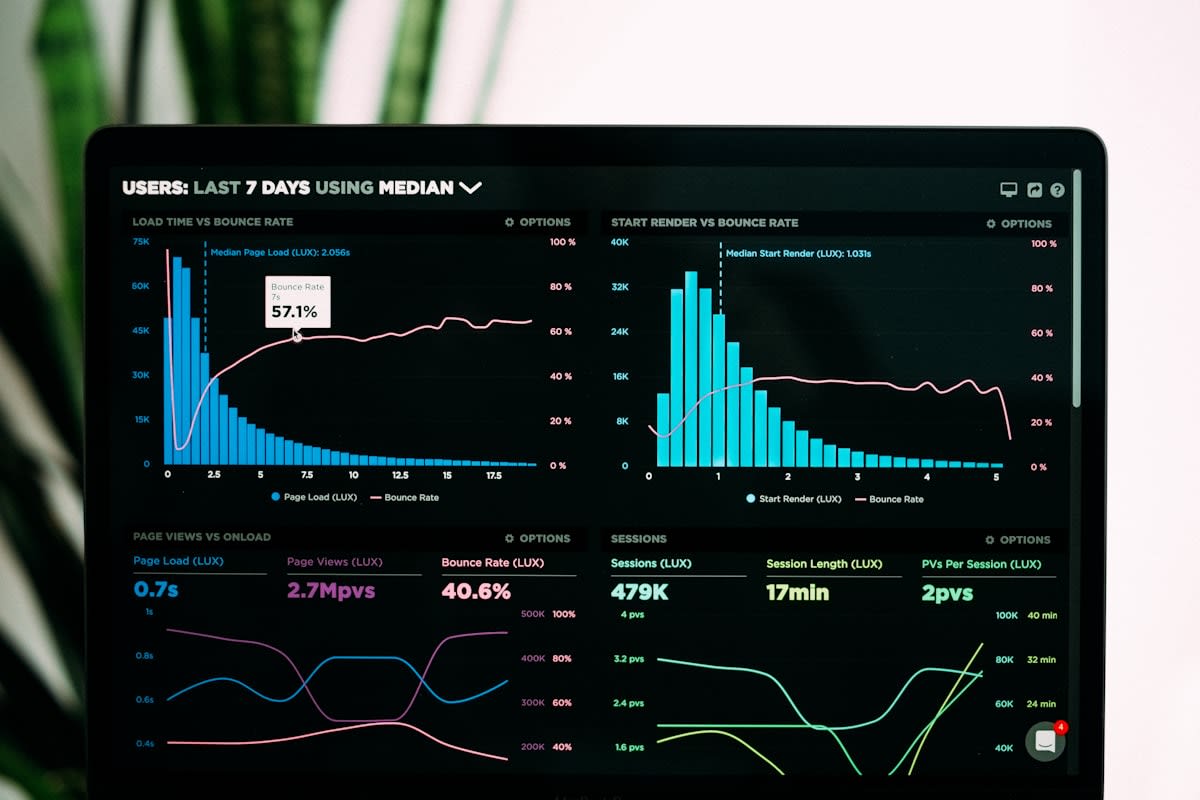
From the practitioner's perspective, this looks like a constant tug-of-war in the performance war room. On one side, you have the old-school head coach who trusts their gut and believes in the 'will to win.' On the other, you have the sports scientist pointing at a screen showing a plummeting HRV and a metabolic efficiency drop. The friction occurs when the data says 'stop' but the competitive instinct says 'go.' The winners in this new era are the organizations that can synthesize these two opposing forces—using data to inform the gut, not replace it.
The result is a shift in the definition of resilience. Resilience is no longer about how much pain you can endure; it is about how efficiently you can adapt. The most resilient athletes are those who can oscillate between extreme intensity and deep recovery with surgical precision, guided by their own biological signatures.
Editorial Note
This article is an editorial analysis of the shift toward biometric precision in sports. It explores the intersection of metabolic testing and nervous system monitoring as a replacement for traditional high-volume training.
Fact-Check & Accuracy Note
Key claims regarding portable metabolic testing are sourced from VO2 Master (2026). HRV-guided training and composite health score data are sourced from Frontiers in Sports and Active Living (2025) and Translational Exercise and Biomedicine (2025). Injury prediction trends and the associated privacy debates are sourced from OpenPR (2026). The debate regarding the accuracy of predictive models remains an ongoing point of contention in the field.