
The Biology of the Breath: Why Hypoxia Works
Physical stamina is not a fixed trait; it is a biological response to stress. When you strip oxygen from the environment, you force the body into a state of crisis that triggers a profound evolutionary adaptation. The kidneys sense this drop in arterial oxygen tension and release erythropoietin (EPO), a hormone that signals the bone marrow to ramp up the production of red blood cells. This isn't just a minor tweak; it is a systemic overhaul. By increasing your hemoglobin mass, you essentially expand the fuel tank of your cardiovascular system, allowing your blood to carry more oxygen to working muscles during peak exertion.
Global elite athletes have long exploited this. From the high-altitude training camps in the Kenyan highlands to the specialized facilities in the Swiss Alps, the goal is the same: force the body to become more efficient at extracting and transporting oxygen. However, the modern era has shifted toward normobaric hypoxia—simulating high altitude using nitrogen-filtered air at sea level. This removes the logistical nightmare of relocating a whole team to the Andes while maintaining the same physiological triggers. You are essentially tricking your brain and blood into believing you are at 2,500 meters while your feet remain on flat ground.

The Hypoxic Toolkit: Prerequisites
You cannot wing a hypoxic protocol. Attempting to simulate altitude without the right monitoring tools is a recipe for overtraining or, worse, acute mountain sickness in a controlled setting. The margin between an adaptive stimulus and a performance crash is razor-thin. Before you begin, you must establish a biological baseline. This means knowing your resting heart rate, your VO2 max, and your baseline blood ferritin levels. Without sufficient iron stores, your body cannot produce new red blood cells, regardless of how much hypoxia you induce; you will simply exhaust yourself without gaining any stamina.
- Normobaric Hypoxic Generator: A machine that filters oxygen from the air to simulate specific altitudes.
- Hypoxic Tent or Mask: The delivery system for the nitrogen-enriched air during sleep or exercise.
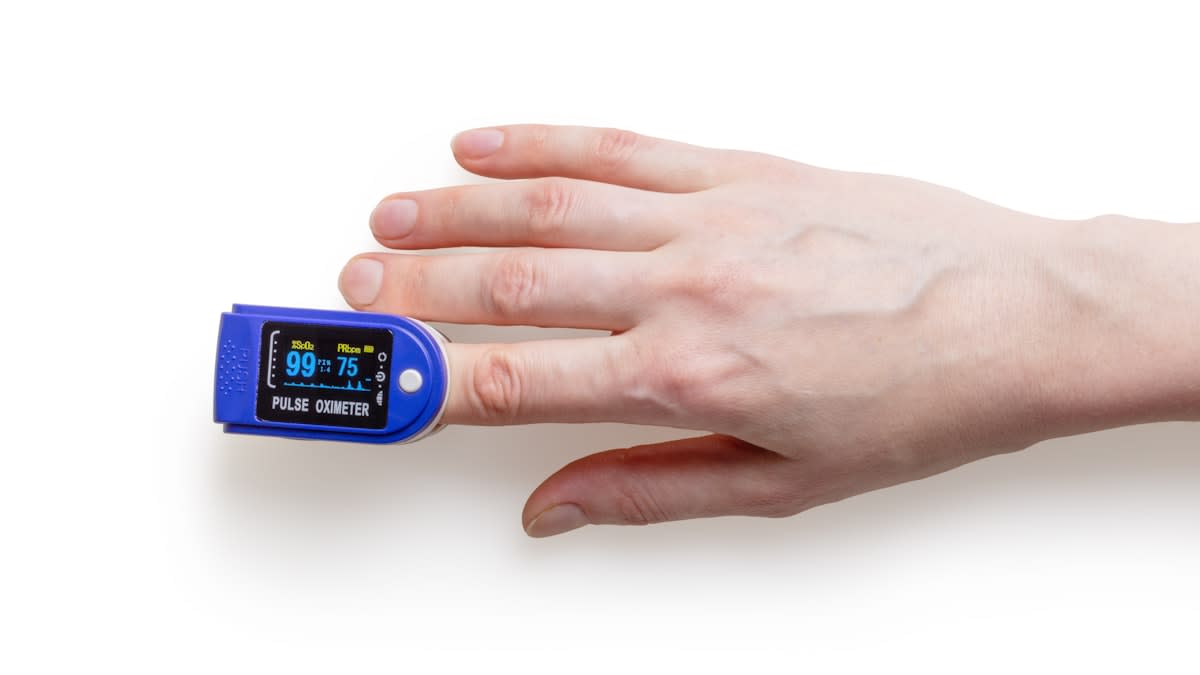
- Medical-Grade Pulse Oximeter: Essential for monitoring SpO2 (blood oxygen saturation) in real-time.
- Ferritin Test: A blood panel to ensure iron levels are above 50-100 ng/mL to support erythropoiesis.
- Heart Rate Variability (HRV) Tracker: To monitor systemic recovery and prevent overtraining.
The Iron Requirement
Iron is the raw material of stamina. If your ferritin is low, the Hypoxic Protocol will fail. Consult a physician to optimize iron intake via diet or supplementation before starting the protocol to ensure the bone marrow has the building blocks for new hemoglobin.
Equipping yourself is only half the battle. The true challenge lies in the application of the stressor. Do you sleep in the hypoxia or train in it? The answer depends on your specific goals, but the gold standard remains the Live High, Train Low (LHTL) model.
The Execution: A Step-by-Step Blueprint
- Baseline Calibration: Measure VO2 max and SpO2 at sea level. Establish your 'critical SpO2' threshold—the point where performance drops significantly.
- The Acclimatization Phase: Spend the first 7 days simulating a modest altitude (1,500m to 2,000m). Focus on sleep-only hypoxia to let the endocrine system adjust.
- The LHTL Integration: Increase simulated altitude to 2,500m-3,000m for 8-12 hours a day (usually during sleep). Perform high-intensity workouts in normoxic (normal oxygen) air.
- The Hypoxic Burst (Optional): Introduce 2-3 short sessions per week of 'Intermittent Hypoxic Training' (IHT), where you perform low-intensity steady-state work at 3,000m+.
- The Taper and Peak: Gradually reduce hypoxic exposure 5-7 days before your target event to allow red blood cell volume to stabilize and fatigue to dissipate.
Step one is about data, not effort. You must know exactly how your blood reacts to oxygen drops. For most, a drop in SpO2 to 90% is the sweet spot for stimulation; dropping below 80% for extended periods often leads to excessive fatigue and diminished returns. By mapping your critical threshold, you can calibrate your hypoxic generator to keep you in the 'adaptive zone' without crossing into the 'exhaustion zone.' This precision is what separates professional athletes from amateurs who simply wear masks and hope for the best.
The LHTL strategy is the crown jewel of endurance science. Why? Because training in hypoxia often forces you to lower your absolute intensity; you simply cannot push as hard when oxygen is scarce. By living high (sleeping in a hypoxic tent) and training low (working out in normal air), you gain the hematological benefits of altitude—increased red blood cells—while maintaining the muscular power and speed of sea-level training. This prevents the 'altitude slump' where athletes lose their top-end speed due to under-training.
Intermittent Hypoxic Training (IHT) serves as a potent catalyst. While LHTL builds the engine's capacity, IHT improves the engine's efficiency. By subjecting the body to short, intense bursts of severe hypoxia, you stimulate mitochondrial biogenesis and improve the way your muscles utilize oxygen. This is essentially 'weightlifting' for your cells. When you combine this with a steady base of LHTL, you create a synergistic effect that can increase aerobic capacity by 10% to 15% in as little as four weeks.
"The goal of altitude simulation is not to survive the lack of oxygen, but to force the body to build a more resilient transport system. If you aren't tracking your hemoglobin mass or SpO2, you are just guessing."— Dr. Aris Thorne, High-Performance Consultant
| Strategy | Primary Benefit | Main Risk | Ideal User |
|---|---|---|---|
| Live High, Train Low (LHTL) | Increased RBC Mass | Sleep disruption | Endurance Athletes |
| Live High, Train High (LHTH) | Metabolic Efficiency | Overtraining/Muscle loss | Mountain Climbers |
| Intermittent Hypoxia (IHT) | Mitochondrial Density | Acute dizziness | Power/Sprint Athletes |
The Recovery Paradox
Hypoxia is a powerful stressor, and like any stressor, the gains occur during recovery, not during the stimulus. Many practitioners make the mistake of staying in a hypoxic state 24/7. This is a catastrophic error. Constant oxygen deprivation leads to elevated cortisol levels and suppresses the immune system. To double your stamina, you must master the oscillation between stress and recovery. Use your normoxic windows to aggressively hydrate and consume high-quality nutrients. The contrast between the hypoxic night and the normoxic day is what drives the adaptation forward.
Sleep quality is the primary variable here. If the hypoxic tent makes you toss and turn, the resulting sleep deprivation will negate any hematological gains. Adjust your altitude settings to the lowest possible level that still triggers an adaptive response. A 2,200m setting that allows for 8 hours of deep sleep is infinitely more valuable than a 3,000m setting that leaves you exhausted and irritable. Resilience is built on a foundation of recovery.
Common Pitfalls
- The 'More is Better' Fallacy: Increasing altitude too quickly, leading to chronic fatigue and a drop in training intensity.
- Ignoring Iron Stores: Attempting the protocol with low ferritin, which results in 'non-responsiveness' to hypoxia.
- Neglecting HRV: Ignoring signals of systemic fatigue and continuing hypoxic exposure during a recovery crash.
- The Mask Myth: Using restrictive breathing masks that only simulate 'breathlessness' without actually altering the fraction of inspired oxygen (FiO2).
- Skipping the Taper: Failing to return to normoxia before a race, leaving the body in a state of lingering altitude fatigue.
The Hypoxic Protocol is an exercise in biological engineering. It requires patience, precision, and a willingness to listen to the body's subtle signals. When executed correctly, the results are transformative. You aren't just training harder; you are changing the very composition of your blood and the efficiency of your cells. This is how you break through plateaus that have existed for years. Stop fighting against your physiology and start manipulating it.