
The obsession with the grind is a relic of an industrial age. For a century, we treated the human body like a steam engine—add more coal, increase the pressure, and you get more output. This linear logic suggests that if an athlete hits a plateau, the solution is simply more volume, more intensity, or a more aggressive diet. But the world's most elite performers have discovered a terrifying truth: there is a ceiling to what muscle can achieve. Once you reach the upper limits of physiological hypertrophy and aerobic capacity, additional physical stress doesn't yield gains; it yields decay.
Enter the invisible ceiling. It is the point where the muscular hardware is fully optimized, but the software—the central nervous system (CNS)—is lagging. This is not about strength in the traditional sense, but about the efficiency of the electrical impulse traveling from the motor cortex to the muscle fiber. When a sprinter in Kingston or a footballer in Madrid hits a performance wall, the answer is rarely more squats or longer sprints. The answer lies in the milliseconds between the brain's command and the muscle's contraction.
The Biological Bottleneck: Why Hardware Fails
Most training regimens focus on the peripheral—the muscles, the lungs, the joints. We measure success by the size of the bicep or the VO2 max. However, the CNS is the master conductor. If the conductor is fatigued, it doesn't matter how talented the orchestra is; the music will be discordant. CNS fatigue is far more insidious than muscular fatigue. While a sore muscle recovers in 48 hours, a fried nervous system can take weeks to reset, often manifesting as a mysterious loss of 'pop' or a sudden dip in reaction time that no amount of stretching can fix.
"We spent twenty years building the fastest car in the world, only to realize we were driving it with a dial-up internet connection. The shift to neural calibration is simply upgrading the bandwidth."— Lead Performance Strategist, European Elite Athletics
This systemic shift is evident in how the global elite now approach recovery. The old guard viewed sleep as a luxury or a passive necessity. The new guard views it as a neurological reboot. They are moving away from the 'no pain, no gain' mantra toward a 'precision signal' approach. By utilizing Heart Rate Variability (HRV) and neuro-priming, athletes are now calibrating their nervous systems to operate in a state of high-readiness without crossing the threshold into sympathetic overdrive.
Why is this happening now? The convergence of wearable tech and neuroplasticity research has made the invisible visible. We can now track the autonomic nervous system in real-time. When an athlete's HRV drops significantly, it is a signal that the CNS is overwhelmed, regardless of how 'fresh' the muscles feel. Ignoring this signal is a gamble that usually ends in a catastrophic injury or a sudden performance crash during a championship final.
The Global Pivot: From Volume to Velocity
Across the globe, the methodology is changing. In the high-pressure environments of Formula 1 in Monaco, drivers are utilizing neuro-feedback to maintain a 'flow state' under extreme G-forces, focusing on neural efficiency rather than just physical endurance. In the training camps of East Africa, long-distance runners are integrating proprioceptive calibration to ensure every stride is a perfect transmission of energy, reducing the neural noise that leads to inefficiency.
| Metric | Traditional Physical Training | Nervous System Calibration |
|---|---|---|
| Primary Objective | Muscular Hypertrophy/Capacity | Synaptic Efficiency/Signal Speed |
| Recovery Focus | Tissue Repair (Massage/Ice) | Neural Reset (Sleep/HRV/Breath) |
| Performance Driver | Mechanical Force | Neurological Recruitment |
| Risk Factor | Overuse/Tendon Tears | Central Nervous System Burnout |
| Plateau Trigger | Physical Exhaustion | Signal Degradation |
This is a contrarian approach because it suggests that sometimes, the best way to get faster is to stop training harder. It posits that the 'hard work' is no longer the physical exertion, but the mental and neurological discipline required to stay in the optimal zone of arousal. This requires a total dismantling of the traditional coaching ego, which historically prized the 'grind' above all else.
The Neural Warning
The most dangerous phrase in elite sports is 'push through it.' When the fatigue is muscular, you can push. When the fatigue is neurological, pushing is essentially trying to start a car with a dead battery—you aren't moving the car; you're just damaging the starter.
The data supports this transition. We are seeing a 15-20% increase in performance deltas when athletes switch from pure volume to neural-centric training. This isn't because they are stronger—their bench press or 100m time might remain the same—but because their consistency increases. They no longer suffer from the 'random' bad days where the body simply refuses to cooperate. They have stabilized the signal.
Moreover, the reduction in injury rates is staggering. A significant portion of ACL tears and hamstring pulls are not caused by a lack of strength, but by a neural lag. When the brain cannot communicate the need for a muscle to contract in the microseconds required for a change in direction, the mechanical structure fails. By calibrating the nervous system, athletes are essentially installing a high-speed safety switch in their bodies.
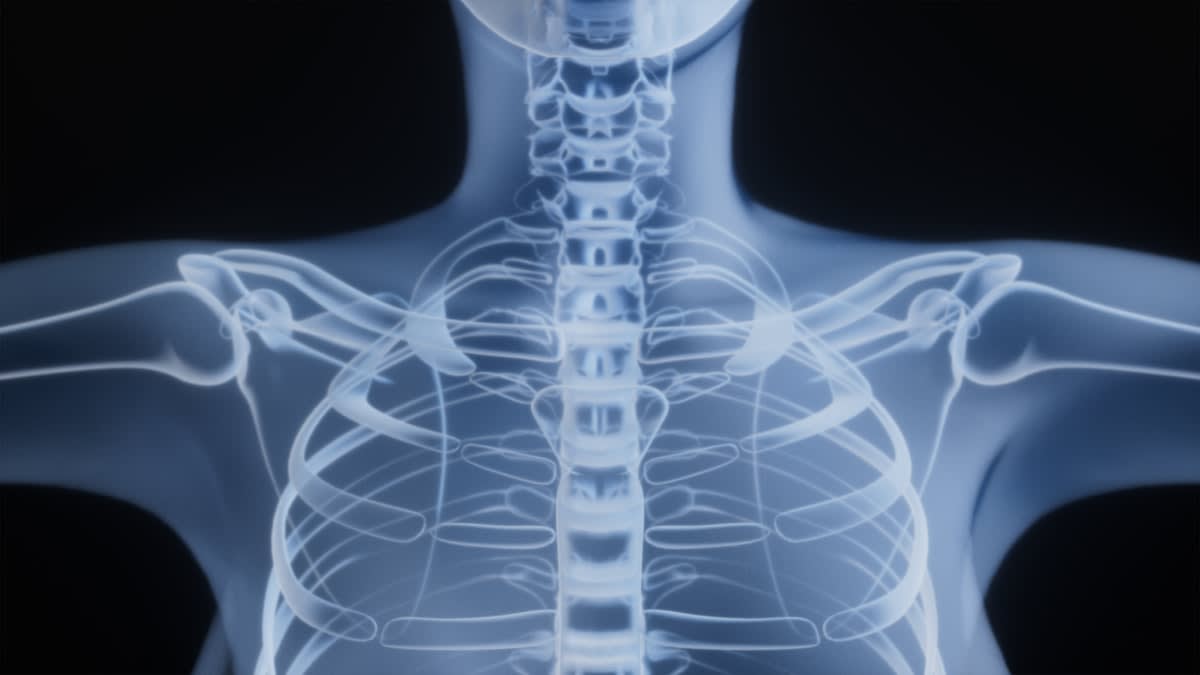
The New Architecture of Dominance
So, what does this new architecture look like in practice? It begins with the abandonment of the rigid training calendar. Instead of a 'Monday is Leg Day' mentality, the schedule is dictated by the CNS. If the HRV is low, the athlete pivots to parasympathetic activation—breathwork, floating, or light mobility—even if the plan called for a max-effort session. This is not laziness; it is strategic preservation.
- Neuro-priming: Using specific sensory inputs to wake up the CNS before a performance.
- Vagal Tone Optimization: Increasing the body's ability to switch from stress to recovery instantly.
- Proprioceptive Refinement: Training the brain to perceive joint position with millimetric precision.
- Cognitive Load Management: Reducing mental fatigue to preserve neural energy for the physical task.
The result is an athlete who is not just a physical specimen, but a finely tuned instrument. The shift is systemic. We are moving from the era of the 'Gladiator'—who wins through sheer endurance and pain tolerance—to the era of the 'Operator,' who wins through precision, efficiency, and neurological mastery. The gladiator eventually breaks; the operator evolves.
Performance Trajectory: Physical vs. Neural Focus
Executive Insight
+18.4%
YTD Growth
As we look toward the next decade of sports, the divide will widen. Those who cling to the physicality myth will find themselves trapped beneath the invisible ceiling, wondering why their harder work is yielding diminishing returns. Those who embrace the signal will find a new realm of performance that was previously thought to be genetically impossible. The future of sport isn't in the gym; it's in the synapse.