
Prerequisites for High-Ratio Optimization
Achieving a sustainable load-recovery ratio requires more than just a gym membership or a basic diet. You need a precise infrastructure for tracking physiological stress and a ruthless commitment to data-driven cessation. This includes access to high-density protein sources and creatine for muscle restoration, environmental monitoring tools for heat acclimation, and a granular tracking system for game-time load—measured in plays, minutes, or mileage. Without these baseline tools, any attempt at optimization is merely guesswork.
- Metabolic Stack: Concentrated protein powder and creatine monohydrate.
- Environmental Controls: Tools to monitor and simulate extreme heat and humidity.
- Load Metrics: Tracking software to monitor plays per game and success rates.
- Recovery Windows: Dedicated periods of complete physiological shutdown.
The Execution Protocol
- Establish a Load Ceiling based on performance objectives.
- Calibrate Environmental Stressors to build systemic tolerance.
- Implement a Metabolic Restoration Stack for muscle and energy recovery.
- Analyze Efficiency Ratios to ensure load is producing a positive outcome.
- Enforce Mandatory Shutdowns to prevent ligament and bone failure.
The first step involves establishing a load ceiling. Look at the Washington Wizards' approach with rookie AJ Dybantsa during the 2026 Summer League. After Dybantsa averaged 25.0 points, 7.0 rebounds, and 2.0 assists over two appearances, the organization shut him down. The goal was not to maximize his stats in a meaningless league, but to recognize that the objective—evaluation—had been met. Once the data point is secured, additional load becomes a liability rather than an asset.

Environmental stressors must be treated as a specific form of load. The 2026 Tour de France provided a brutal example of this, becoming the hottest in history and forcing a stage shortening for the first time in 123 years. To counter this, Olav Aleksander Bu and the Norwegian method utilize limited but frequent exposure to extreme heat under close supervision. This builds a physiological tolerance that prevents the body from crashing when humidity and temperature spike, effectively shifting the athlete's breaking point.
"Pairing creatine with protein powder is one of the most common supplement stacks available for improved performance and recovery."— Marwa Ahmed, Strength and Conditioning Coach
Metabolic restoration is where the ratio is actually balanced. Protein powder provides the concentrated amino acids necessary for muscle growth, while creatine supplies the energy required for high-intensity bursts. As Marwa Ahmed notes, stacking these two is a standard for a reason: one repairs the structure, the other restores the fuel. Endurance athletes like Jessie Diggins echo this necessity, emphasizing that proper fueling and recovery routines are the only way to rebound from the grueling mileage of cross-country skiing and trail runs.
Efficiency ratios determine if the load is actually working. If you are putting in high volume but seeing low success, you are simply digging a hole. The Green Bay Packers' 2025 High Red Zone data illustrates this perfectly. Averaging 5.4 plays per game in that area, they maintained a 42.4% success rate. When load is high but the success rate is mediocre, the risk of injury increases without a corresponding increase in victory probability.
| Play Type | Success Rate | Load Distribution |
|---|---|---|
| Passing | 43.1% | 55.4% Pass Rate |
| Running | 41.5% | 44.6% Run Rate |
| Overall | 42.4% | 5.4 Plays/Game |
The final, and most critical, step is the mandatory shutdown. In the NFL, the cost of ignoring the recovery ratio is seen in the uphill battles faced by stars like Patrick Mahomes and Malik Nabers. Torn ligaments and broken bones do not follow a linear recovery path. When the body signals a breakdown, the load must drop to zero. The arrival of Kenneth Walker III to the Chiefs' backfield is a strategic move to reduce the physical load on Mahomes, allowing his knee to recover without the pressure of carrying the entire offensive burden.
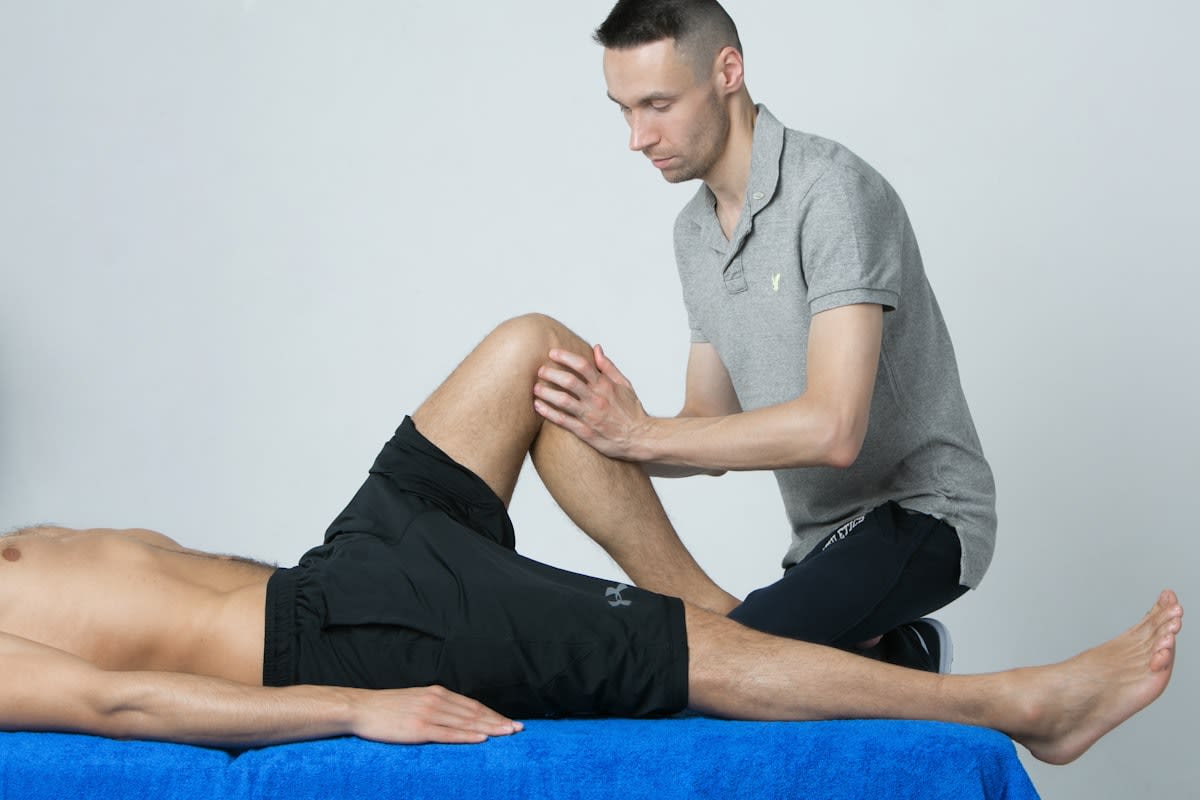
The Injury Warning
Ligament and bone injuries are not simple setbacks; they are systemic failures. Recovery from these requires a total recalibration of the load-recovery ratio, often involving a prolonged period where recovery is the primary training objective.
Why do so many athletes fail this framework? They mistake activity for progress. The Packers could have leaned further into their passing game, which had a slightly higher success rate of 43.1% compared to 41.5% for running. By not optimizing the distribution of their load, they left efficiency on the table. True elite performance requires the courage to stop when the data says you've done enough, as seen with the Wizards' decision to pull Dybantsa from the court.
Common Pitfalls in Load Management
The most frequent error is the 'more is better' fallacy. Athletes often believe that pushing through extreme heat or playing through a lingering ligament strain demonstrates resilience. In reality, it demonstrates a failure to understand the ratio. When the Tour de France is forced to shorten a stage, it is an admission that the environmental load has exceeded the human capacity for recovery. Ignoring these limits leads to the kind of season-ending injuries that plague NFL training camps.
Another failure point is the neglect of metabolic synergy. Taking protein without creatine, or training for endurance without a specific fueling routine like Jessie Diggins', leaves the athlete vulnerable. You cannot recover from a high-load phase if the chemical building blocks are missing. If the recovery side of the equation is underfunded, the load side will eventually cause a structural collapse, regardless of the athlete's mental toughness.
Finally, many fail by ignoring the success rate of their load. If your plays per game are high but your success rate is stagnant, you are merely accumulating fatigue. The goal is to maximize the success rate per unit of load. By analyzing the delta between passing and running success, or the specific point where a rookie's performance plateaus, you can trim the fat from your training and focus only on the load that produces a result.