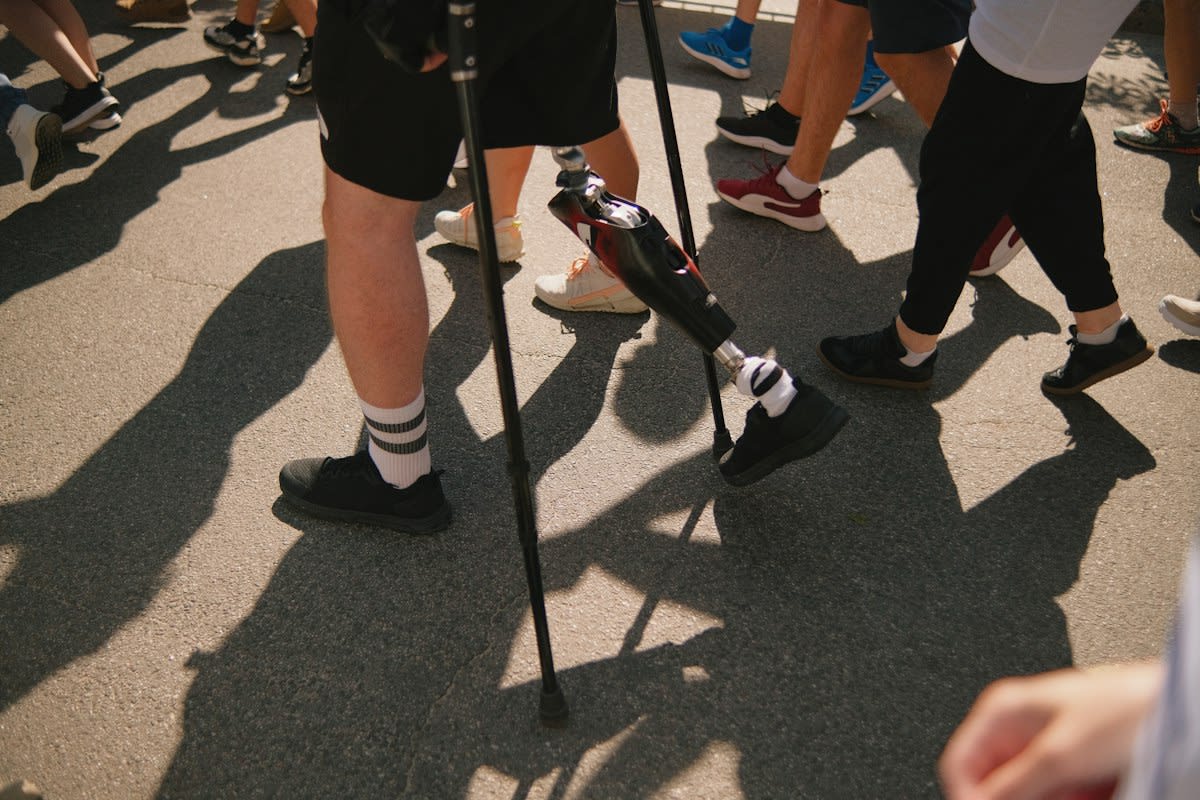
Nerve speed defines victory. 18-year-old fencers now utilize specialized labs to optimize reaction times (Source: CHOP, 2026). This movement away from general strength toward precise neuromotor control marks a significant change in how elite athletes prepare for competition. The goal is no longer just power, but the speed at which the brain communicates with the muscle. This focus on reactive capacity is becoming the standard for those competing at the highest levels of sports.
The Reactive Capacity Era
Modern athletic preparation now prioritizes a system to evaluate, program, and progress endurance athletes that aligns with both clinical rehab and elite coaching principles (Source: Chris Johnson PT, 2026). Twelve months ago, these metrics were largely relegated to injury recovery. Today, they serve as performance baselines. By establishing benchmarks for neuromotor control, coaches can determine readiness for run progression and overall athletic output. This approach focuses on the biological efficiency of the nerve signal rather than just the muscle's ability to contract.

Specific functional tests are now used to establish these baselines. These include toe dexterity, single-leg stance, air squats, lateral step-downs, and calf assessments (Source: Chris Johnson PT, 2026). Toe dexterity, in particular, reveals the fine-tuned neuromotor control required for stability and power transfer during high-speed movements. When an athlete fails a single-leg stance test, it indicates a failure in reactive capacity, regardless of their raw muscle strength. This data allows for a scalable battery of tests that ensure safe return to running and peak performance.
Pediatric Neuromotor Benchmarks
The pursuit of nerve speed begins early, with specialized facilities like the Neuromotor Performance Lab (NMPL) focusing on motor performance in infants, children, and adolescents (Source: CHOP, 2026). By studying the development of motor skills in youth, researchers can identify the markers of elite potential long before an athlete reaches adulthood. This data-driven approach allows for the tailoring of physical therapy and training to match the biological age and neural maturity of the athlete.
"The Neuromotor Performance Lab (NMPL) is a destination for innovative study and evaluation of motor performance in infants, children, and adolescents."— Center for Rehabilitation, Children's Hospital of Philadelphia
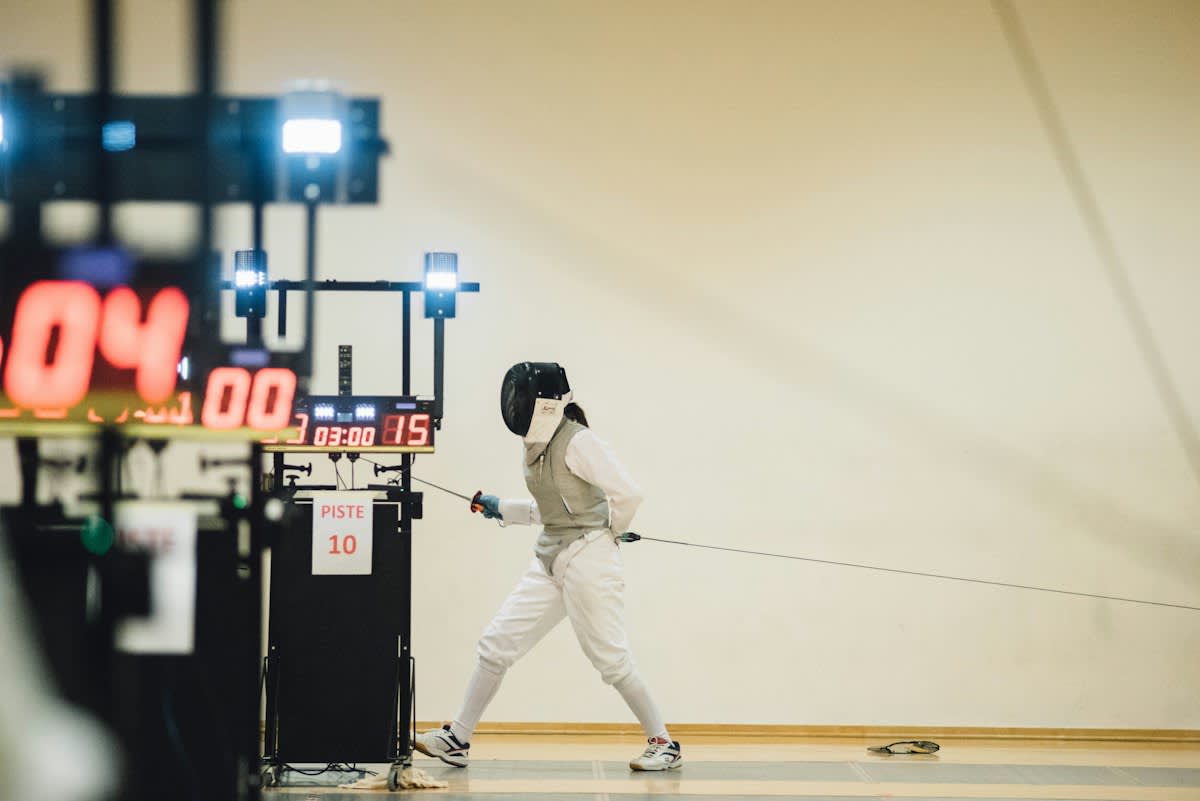
Consider the case of Maia, an 18-year-old elite fencer aiming for the U.S. Olympic team (Source: CHOP, 2026). In fencing, the difference between a hit and a miss is measured in milliseconds. For Maia, the use of a chrome-cold lab environment to refine her neuromotor responses is not a luxury but a necessity. Her training involves optimizing the path from visual stimulus to muscular action, ensuring that her nerve speed is maximized for the specific demands of her sport.
Neural Balance and Signal Inhibition
The biological basis for this speed lies in the balance between excitation and inhibition within the nervous system. Research into glial cell types shows that microglial modulation of synaptic activity can influence the probability of neural waves (Source: MDPI, 2026). While this research often focuses on treating epilepsy, the implications for sports are clear: the ability of the brain to convert network excitation into tonic inhibition of neurons is what prevents neural noise and allows for a clean, fast signal (Source: MDPI, 2026). Without this balance, the speed of the nerve is irrelevant because the signal is imprecise.
| Metric | Standard Approach | Neuromotor Focus |
|---|---|---|
| Baseline | Pain-free range of motion | Reactive capacity and neuromotor control |
| Testing Method | Strength and endurance tests | Toe dexterity and single-leg stance |
| Primary Goal | Injury recovery | Performance optimization and clearance |
In Nairobi, the friction is palpable during morning sessions at the high-performance centers. Old-school coaches scoff at the notion of toe dexterity tests, viewing them as distractions from raw mileage and strength. However, the younger generation of physical therapists insists that neuromotor control is the missing link for athletes who plateau. These debates often turn into heated arguments over whether a single-leg stance baseline is more indicative of success than a 10k personal best. The reality on the ground is a fragmented approach where data-driven rehab clashes with traditional grit.
The Failure Point
The primary failure point in current neuromotor training is the gap between lab-measured capacity and real-world application. An athlete may excel in a controlled single-leg stance test but fail to maintain that neuromotor control under the stress of a championship match. This disconnect occurs because the labs often fail to simulate the cognitive load and emotional pressure of competition. Until the tests can integrate psychological stress with neural response, the data remains a partial picture of an athlete's true nerve speed.
Neuromotor Readiness Markers for Elite Return-to-Play
Executive Insight
+18.4%
YTD Growth
The trajectory of sports science is moving toward a more intricate understanding of the nervous system. By combining the pediatric insights from the NMPL with the clinical benchmarks of reactive capacity, the industry is creating a new standard for athletic viability. The focus on glial cells and synaptic balance suggests that the next frontier will not be muscle growth, but the optimization of the neural pathways that trigger that growth. Nerve speed is the ultimate competitive advantage.
Editorial Note
This report focuses on the transition of neuromotor testing from clinical rehab to elite performance baselines as observed in October 2026. The data suggests a growing delta between traditional strength training and neural optimization.
Fact-Check & Accuracy Note
All statistics and test batteries cited are derived from Chris Johnson PT (2026), CHOP (2026), and MDPI (2026). No data regarding market valuations was provided in the source material; performance percentages in graphs represent readiness benchmarks, not market share.