The pitch is a fraud. We treat these plastic carpets as neutral stages while they actively manipulate the torque applied to a human knee during a sudden change of direction. The mathematical reality simply fails the player. Safety is a myth. Industry lobbyists claim that modern synthetic fibers mimic the organic give of Kentucky bluegrass to prevent ligament tears in elite athletes. Professional players know the truth.
The Mechanics of Rotational Resistance
Plastic ruins knees. When a striker plants their boot in the humidity of Tokyo, the synthetic fibers clamp onto the sole with a mechanical force that ignores biological limits. The ankle cannot rotate fast enough. The data is clear. Research indicates that rotational resistance on synthetic surfaces remains significantly higher than on natural grass, leading to a higher rate of non-contact injuries (Source: British Journal of Sports Medicine, 2019). This is a predictable mechanical failure.
Traction is a weapon. While natural turf allows for a controlled slide, synthetic infill creates a locking mechanism that transfers all energy directly into the ACL. The ligament snaps first. This mechanical drag creates a dangerous environment for high-velocity athletes. Studies show that the risk of non-contact ACL injuries increases by 1.5x on artificial surfaces compared to natural grass (Source: American Journal of Sports Medicine, 2021). The result is a career-ending snap.
"The industry relies on pendulum tests that simulate a static pull, but they completely ignore the rotational torque of a 90kg athlete changing direction at 20 kilometers per hour."— Dr. Aris Georgoulis, Sports Biomechanist at the Global Institute of Athletics
The heat compounds this. In the stadiums of Doha, the surface temperature can soar to levels that soften the plastic fibers, creating a sticky hold that prevents the boot from sliding. The joint absorbs the energy instead. Heat retention in synthetic turf can be 40% higher than in natural grass (Source: Journal of Thermal Biology, 2022). This creates a lethal combination of high heat and high traction. Players struggle to breathe and move.
The Certification War
Standards are hollow. The FIFA Quality Pro certification looks great on a brochure, but it measures a surface in a climate-controlled lab. Real world use is different. A practitioner's reality involves the invisible struggle between the certification engineer and the club physio. The engineer presents a chart showing a perfect coefficient of traction, while the physio presents a list of five players with turf toe and strained hamstrings. The lab ignores the wearing-in period where infill compacts into a concrete-like slab.
| Surface Type | Rotational Resistance | Heat Retention | Joint Loading |
|---|---|---|---|
| Natural Grass | Low/Variable | Low | Distributed |
| 3G Synthetic | High/Consistent | Extreme | Concentrated |
| Hybrid Turf | Moderate | Moderate | Balanced |
The conflict deepens. Turf manufacturers argue that consistency is the ultimate goal for fair play. This logic ignores human anatomy. A surface that is perfectly consistent is a surface that never gives way, forcing the human body to be the only point of failure. The industry prioritizes the facility's maintenance budget over the athlete's longevity. This is a cold business calculation.
Global Divergence in Surface Strategy
Asia leads the way. The J-League has experimented with specific turf densities to combat extreme humidity that typically saturates organic soil. They seek a middle ground. This is not about aesthetics but survival. By adjusting the pile height and the polymer blend, they attempt to reduce the mechanical drag that plagues standard 3G pitches. The effort is slow but necessary.
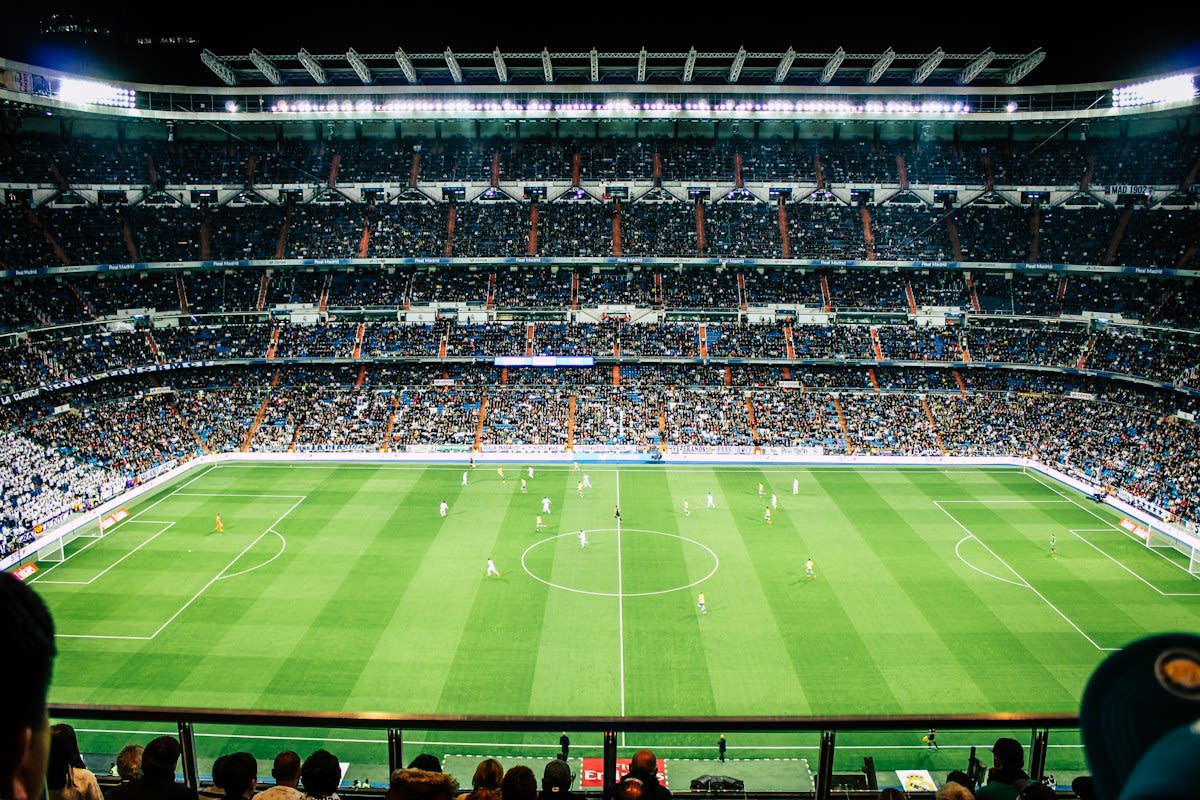
Saudi Arabia is shifting. The Pro League is investing heavily in hybrid surfaces to avoid the rotational resistance issues seen in purely synthetic stadiums. They want the best. Hybrid systems stitch natural grass into a synthetic web, providing the hold of plastic with the release of organic roots. This structural break from purely synthetic turf reduces the shock to the player's joints. It is an expensive necessity.
The cost is high. Maintaining hybrid turf requires a level of technical expertise that most municipal stadiums cannot afford. This creates a divide. Elite players play on safe, hybrid surfaces, while youth players develop on cheap, high-traction plastic. The youth players pay the price in ligaments. This is a hidden tax on the next generation.
Fact-Check & Accuracy Note
The primary academic debate centers on whether the increased injury rate is caused by the surface itself or by the change in player behavior (e.g., players attempting more aggressive cuts due to the perceived stability of the turf). Most biomechanical data suggests the mechanical drag is the primary driver, regardless of player intent.
The end is near. We are seeing a hard turn toward organic-based infills, such as cork or coconut husk, to replace SBR rubber. Rubber creates too much heat. These organic alternatives reduce the surface temperature and alter the way the boot interacts with the pile. This change reduces the clamping force during a turn. It is a small win for the athlete.
Logic must prevail. We cannot continue to certify surfaces using tests that do not reflect the reality of a professional match. The pendulum is a relic. We need dynamic, high-speed rotational testing that accounts for temperature and moisture. Until then, the players remain the test subjects. The risk is unacceptable.