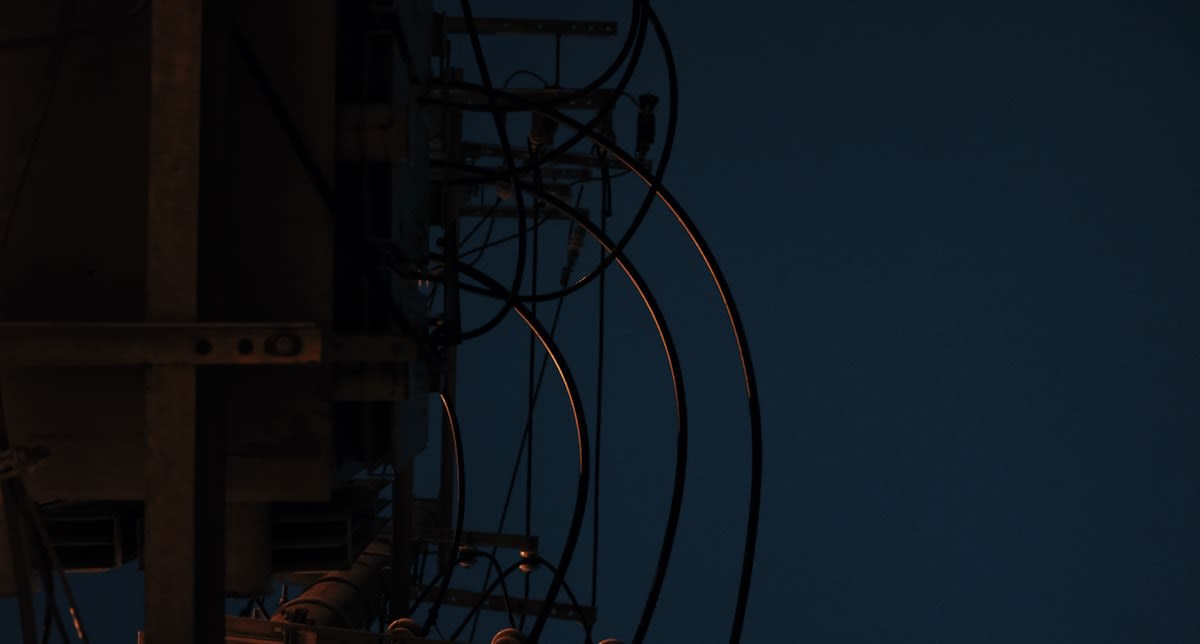
Twelve months ago, the boardroom conversations in Silicon Valley and Shenzhen were dominated by a single metric: compute. The race was a frantic scramble for H100s, B200s, and whatever silicon could be coaxed out of TSMC's fabs. But a tectonic shift has occurred. The bottleneck has migrated. We are no longer just fighting for the chips that process the data; we are fighting for the heavy iron that delivers the electricity. The AI revolution has officially collided with the physical reality of the electrical grid, and the most critical point of failure is the power transformer.
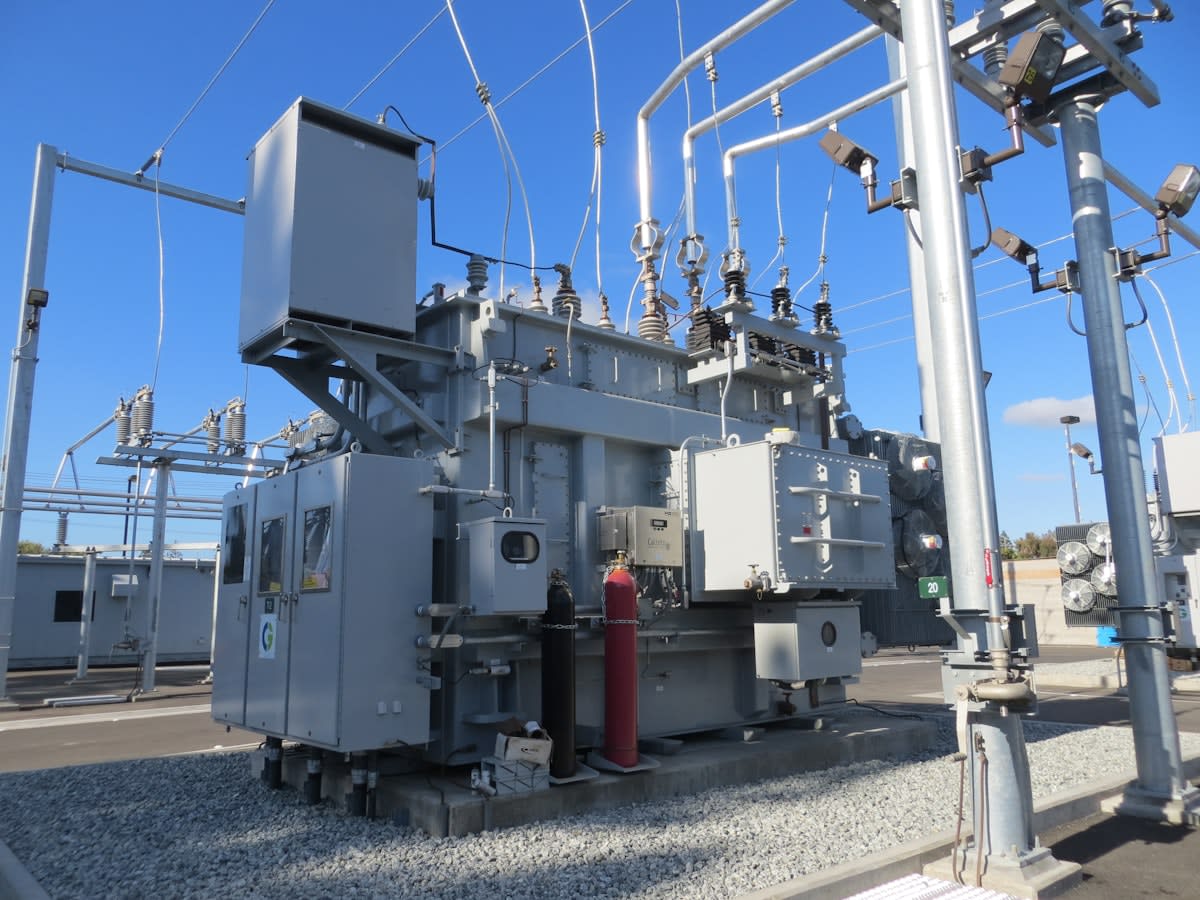
Why does a piece of equipment that looks like a giant metal box from the 1950s matter in the age of generative AI? Because data centers are essentially power plants that happen to run software. To take high-voltage electricity from the transmission grid and step it down to a usable level for a server rack, you need a transformer. These aren't off-the-shelf components you can order on Amazon. They are bespoke, massive, and incredibly slow to manufacture. As hyperscalers build clusters that demand gigawatts of power, the demand for these units has surged beyond the capacity of a global supply chain that spent the last three decades in a state of stagnation.
The Great Delta: From Chip Hunger to Grid Hunger
Compare the landscape of early 2023 to today. Back then, the primary anxiety was the 'chip gap'—the time between ordering a GPU and having it racked. Now, the industry is staring at a 'power gap' that is far more stubborn. We have seen lead times for large power transformers (LPTs) explode. In some regions, what used to be a 12-month wait has ballooned into a 36-to-48-month ordeal. You can buy ten thousand GPUs in a week, but you cannot conjure a substation transformer out of thin air. This delta represents a fundamental shift in the risk profile of AI scaling.
| Metric | Q1 2023 State | Q1 2024 State | Impact |
|---|---|---|---|
| Primary Bottleneck | GPU Availability | Grid Interconnection | Shift to Physical Infrastructure |
| Average LPT Lead Time | 12-18 Months | 36-48 Months | Project delays of 2+ years |
| Focus of Capex | Model Training/R&D | Energy Sourcing/Substations | Infrastructure-heavy spending |
| Energy Demand Growth | Linear/Predictable | Exponential/Volatile | Grid instability risks |
Does this mean the AI boom is slowing? Hardly. It means the nature of the competition has changed. The winners are no longer just those with the best algorithms, but those with the best relationships with electrical equipment manufacturers. We are seeing a new kind of corporate diplomacy, where tech giants are bypassing traditional utilities to secure direct supply agreements with transformer OEMs in Europe and Asia. It is a raw, industrial race for copper, grain-oriented electrical steel (GOES), and specialized engineering talent.
The Transformer Paradox
The 'Transformer Paradox': While AI researchers use 'Transformers' as the architecture for LLMs, the physical transformers on the grid are the only things keeping those digital transformers from going dark. One is a mathematical concept; the other is 50 tons of steel and oil.
A Global Grid Under Pressure
This isn't just a North American problem. In the European Union, the push for green energy is already competing for the same transformer capacity needed for AI. Wind farms and solar arrays require the same stepping-up and stepping-down infrastructure as a massive GPU cluster in the Nordics. In Southeast Asia, the rapid build-out of data centers in hubs like Malaysia and Indonesia is clashing with aging municipal grids that were never designed for the concentrated load of a generative AI campus. The result is a global bidding war for a handful of qualified manufacturers.
Consider the material constraints. Grain-oriented electrical steel is the heart of these machines, and the supply is concentrated in a few global players. When you combine this with the volatility of copper prices and a shortage of specialized electricians who know how to install these behemoths, you get a perfect storm. How do you scale a trillion-parameter model when you can't get the power to the building? The answer is adaptation, not alarmism.
"We have spent a decade optimizing the software layer and the chip layer, but we completely ignored the electrons. The grid is the final frontier of AI optimization."— Industry Lead, Global Energy Infrastructure
The industry is now pivoting toward resilience. We are seeing a surge in the adoption of modular transformers—smaller, prefabricated units that can be deployed faster than traditional custom builds. There is also a renewed interest in 'behind-the-meter' power solutions, where data centers build their own microgrids or partner with small modular reactor (SMR) developers to bypass the main grid entirely. This isn't just a workaround; it's a fundamental redesign of how we think about industrial power.
The Opportunity in the Crunch
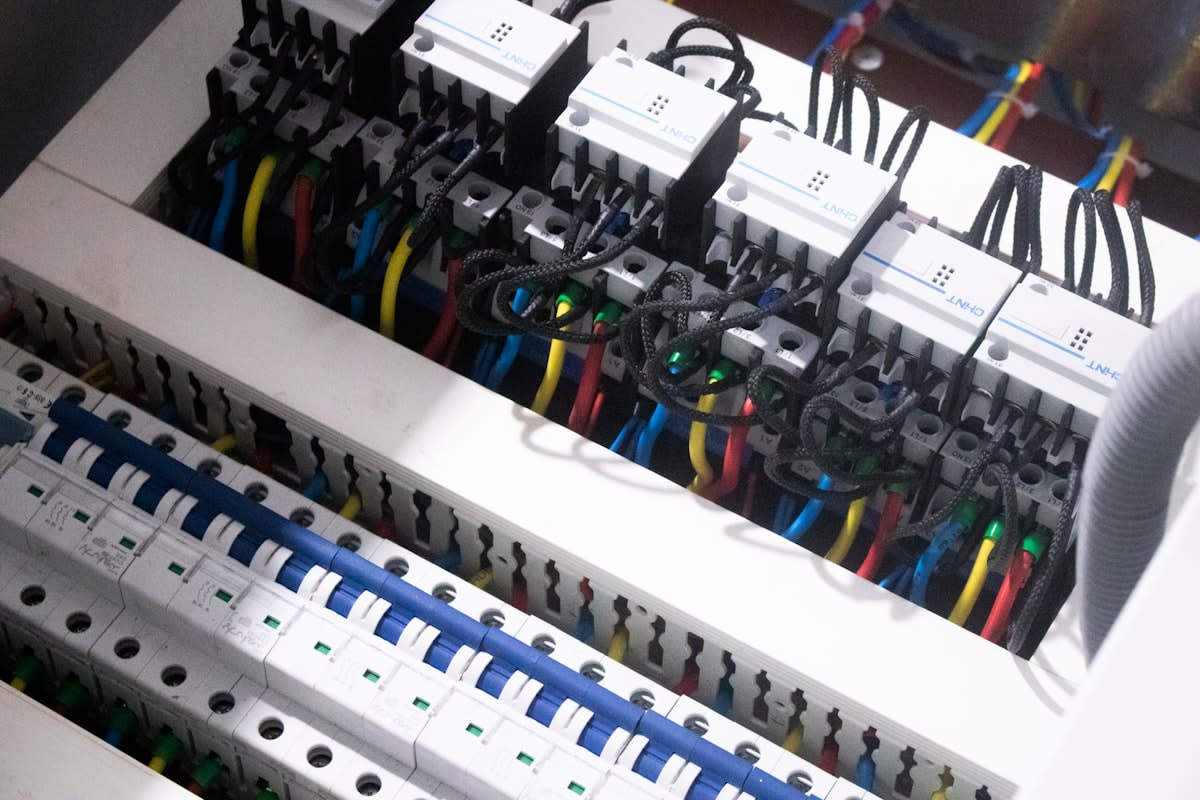
Where others see a crisis, the strategic players see an opening. The 'Power Crunch' is driving a massive wave of innovation in power electronics. We are seeing the emergence of solid-state transformers (SSTs), which replace heavy magnetic cores with semiconductors. While still in their infancy for high-voltage applications, SSTs promise a future where power distribution is as programmable as the software running on the servers. Imagine a grid that can dynamically route power to the most efficient clusters in real-time.
- Modularization: Shifting from bespoke, multi-year builds to standardized, scalable power blocks.
- Material Science: Developing new alloys to reduce the reliance on rare grain-oriented electrical steel.
- Direct Sourcing: Hyperscalers investing directly in transformer manufacturing plants to secure their own pipelines.
- Grid Software: Using AI to optimize the existing load, reducing the need for new physical hardware.
The race for transformers is ultimately a race for sovereignty. Nations that can modernize their grids and secure their supply chains for electrical infrastructure will be the ones that host the next generation of AI hubs. The geopolitical map is being redrawn not by who has the most data, but by who has the most stable and scalable voltage. It is a return to the industrial foundations of power, proving that even in the cloud, physics still wins.
As we look toward the next 12 months, the focus will shift from merely securing hardware to optimizing the energy-compute ratio. The industry is beginning to realize that the most efficient model isn't the one with the most parameters, but the one that requires the least amount of grid infrastructure to run. The transformer shortage is forcing a long-overdue conversation about energy efficiency that the AI boom had previously ignored in its rush for scale.
Estimated AI Data Center Power Demand Growth (Projected)
Executive Insight
+18.4%
YTD Growth
In the end, the Great Power Crunch is a catalyst. It is forcing a convergence between the fast-moving world of software and the slow-moving world of heavy industry. This collision is messy, expensive, and frustrating for those used to the speed of a software update. But it is also necessary. To build a truly global AI infrastructure, we must first rebuild the machines that power it. The race is on, and the finish line is measured in kilovolts.