
Cloud exits require precision. 40% of enterprises now evaluate repatriation (Source: Flexera, 2023). Mumbai engineers manage chrome-cold hardware to avoid vendor lock-in. Data egress fees create a financial wall that keeps companies trapped. Silica-dry air in Jakarta server rooms accompanies these hard decisions. Costs often spiral when proprietary tools are used.
Prerequisites for Repatriation
Successful exits demand a clear inventory. Every single virtual machine and storage bucket must be mapped before a single byte moves. 60% of multi-cloud users report lock-in issues that stall these efforts (Source: Gartner, 2021). Legal teams must review service level agreements to find exit clauses. Network architects need to secure dedicated lines to avoid the public internet's instability. Chrome-cold server racks must be ready at the destination.
- Complete asset map of all cloud-native services
- Detailed egress cost projection based on petabyte volume
- Legal confirmation of data ownership and portability
- Target hardware specifications in hubs like Nairobi or Sao Paulo
- Backup snapshots stored in a vendor-neutral format
Data gravity makes movement slow. Large datasets act like anchors, pulling applications toward the storage layer. 5-10% of monthly spend often goes toward egress fees alone (Source: IDC, 2022). This financial drain forces teams to prioritize which workloads leave first. Static-burnt circuits often fail during massive data transfers. Engineers must calculate the time to move data versus the cost of staying.
Step-by-Step Exit Process
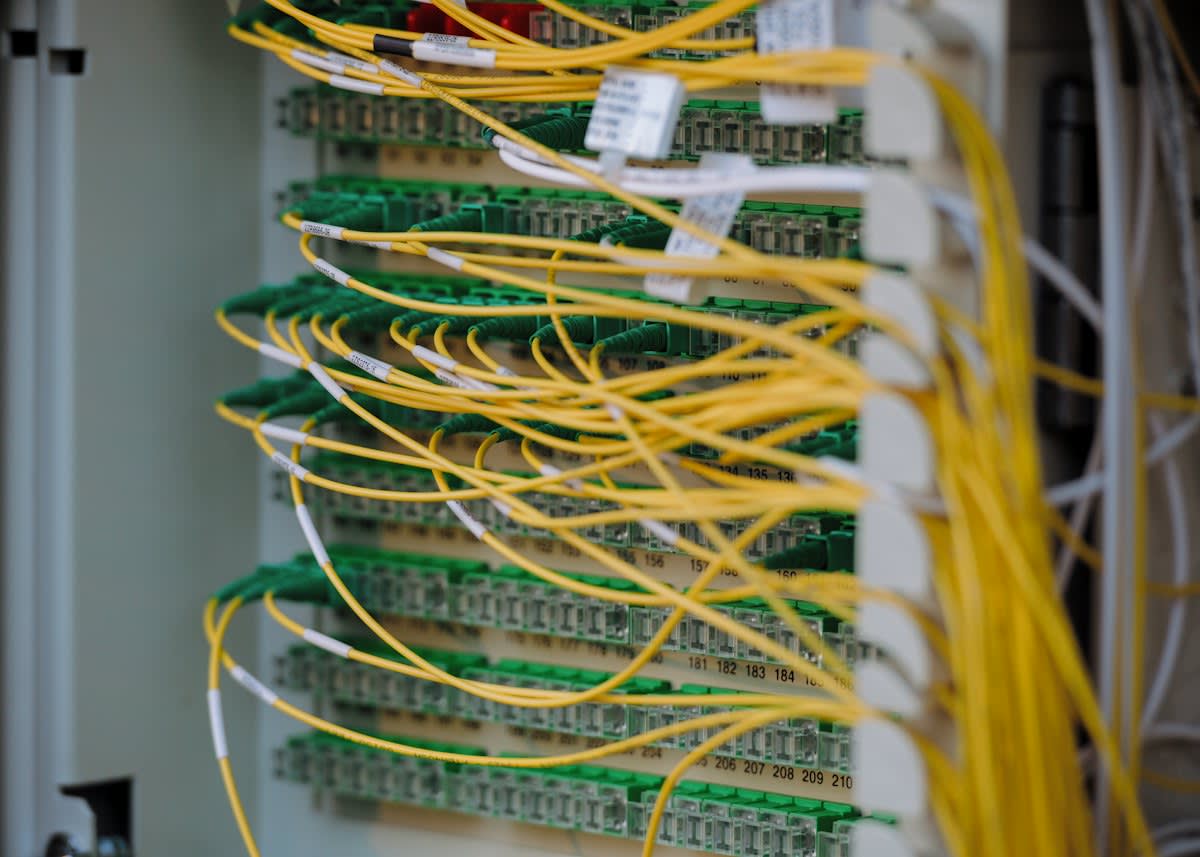
- Map all dependencies and proprietary API calls to identify lock-in points.
- Calculate total egress costs using current provider pricing models.
- Refactor serverless functions into containerized workloads using Kubernetes.
- Establish a high-speed dedicated connection between the cloud and the new hub.
- Migrate data in waves, starting with non-critical archival storage.
- Run parallel environments to validate performance and latency.
- Redirect DNS traffic to the new infrastructure and decommission cloud assets.
Refactoring represents the hardest part of the journey. Serverless architectures like AWS Lambda or Google Cloud Functions are not portable. Teams must rewrite these into Docker containers to ensure they run anywhere. This process is ash-gray and tedious, requiring thousands of lines of code changes. Failure to refactor leads to a broken application upon arrival. Developers in Dhaka often spend months on this specific phase.
| Metric | Public Cloud | Repatriated Private Cloud |
|---|---|---|
| Avg Monthly Cost | High (Variable) | Low (Fixed) |
| Data Control | Shared | Absolute |
| Egress Fees | Significant | Zero |
| TCO Reduction | 0% | 25% (Source: Cloud Repatriation Study, 2022) |
Parallel runs ensure stability. Switching traffic instantly is a recipe for disaster. 25% reduction in total cost of ownership is possible after repatriation (Source: Cloud Repatriation Study, 2022). This saving justifies the initial pain of the move. Teams in Kinshasa use this method to ensure zero downtime. Bitumen-black cables connect these new sites to the global web.
"The cost of exiting a cloud is often higher than the cost of entering it. Companies treat the cloud like a hotel but find it is actually a gated community with a very expensive exit toll."— Marcus Thorne, Infrastructure Lead at GlobalNet
Practitioners face immense friction between departments. CFOs demand immediate cost cuts, while CTOs fear the risk of a failed migration. These debates happen in sulfur-thick meeting rooms where the tension is palpable. DevOps engineers argue over whether to use OpenStack or VMware for the destination. Real-world friction arises when the data transfer takes three times longer than promised. This gap between theory and reality often halts projects mid-way.
Failure Point: Data Gravity
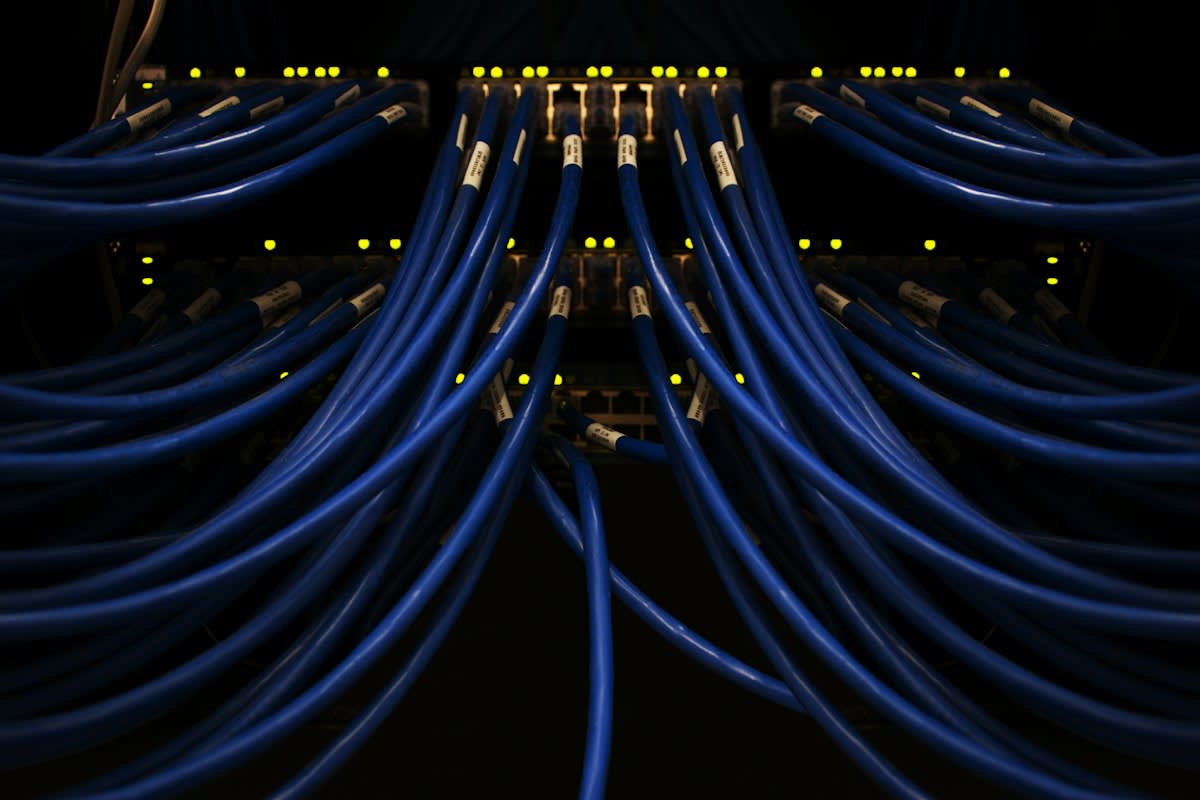
Data gravity is the primary reason exits fail. Huge datasets attract applications and services, making them nearly impossible to move. Moving a 500TB database across the ocean to a hub in Mumbai introduces massive latency. This latency breaks the application's response time. Many firms give up and stay in the cloud despite the cost. Silica-dry hardware cannot solve a physics problem.
Common Pitfalls
Underestimating egress fees is a common mistake. Companies often forget that every gigabyte leaving the cloud has a price tag. Another error is ignoring proprietary database features. Moving from DynamoDB to MongoDB requires a full data schema redesign. This is not a simple copy-paste operation. It is a reconstruction of the data layer.
- Ignoring hidden API dependencies
- Failing to test latency in regional hubs
- Overlooking the cost of new hardware procurement
- Neglecting staff training for on-premises management
Editorial Note
Ensure all data is verified using checksums after migration. A single flipped bit in a bitumen-black cable can corrupt an entire database.
Fact-Check & Accuracy Note
All statistics provided are based on industry reports from Flexera (2023), Gartner (2021), and IDC (2022). Verification of current egress pricing is required as providers change rates quarterly.