The Great Provenance Delusion
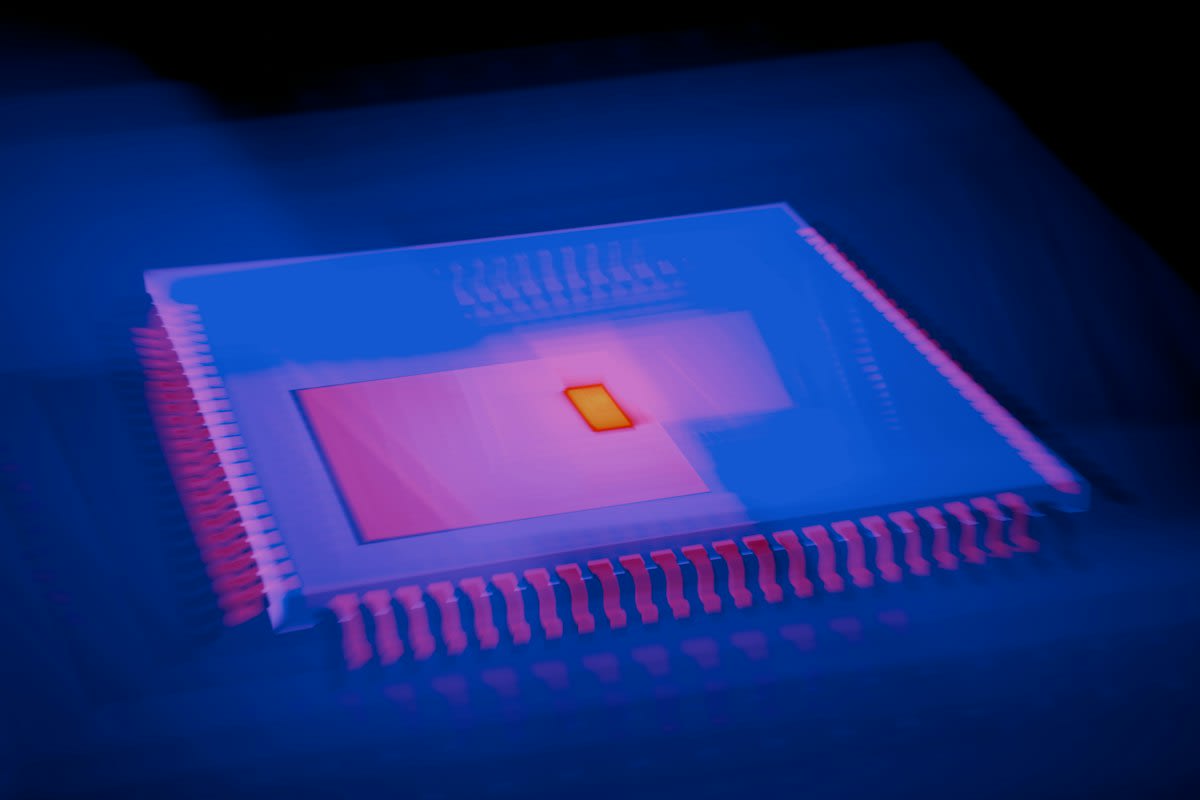
Most people treat content provenance like a digital sticker. They think if they slap a C2PA manifest on a JPEG, the world knows it is real. It is a fantasy. Software-level signatures are useless the second the image hits the OS kernel. If an attacker controls the driver or the memory space where the image is buffered before signing, they can inject a deepfake and sign it with a perfectly valid key. You are not verifying the content; you are verifying that a compromised piece of software said the content was okay. It is security theater for the boardroom.
I have seen this fail in the wild. In the high-stakes verification hubs of Seoul and Singapore, we have watched 'certified' streams get hijacked at the NIC level. The signature remains valid because the signing happens after the manipulation. To stop this, you need a Hardware Root of Trust (HRoT). The signature must be generated inside a Trusted Execution Environment (TEE) that is physically isolated from the main processor. If the pixels do not move from the sensor to the secure enclave without touching the general-purpose RAM, you have a chance. Otherwise, you are just documenting a fraud (Source: C2PA Technical Specification, 2023).
Prerequisites: What You Actually Need
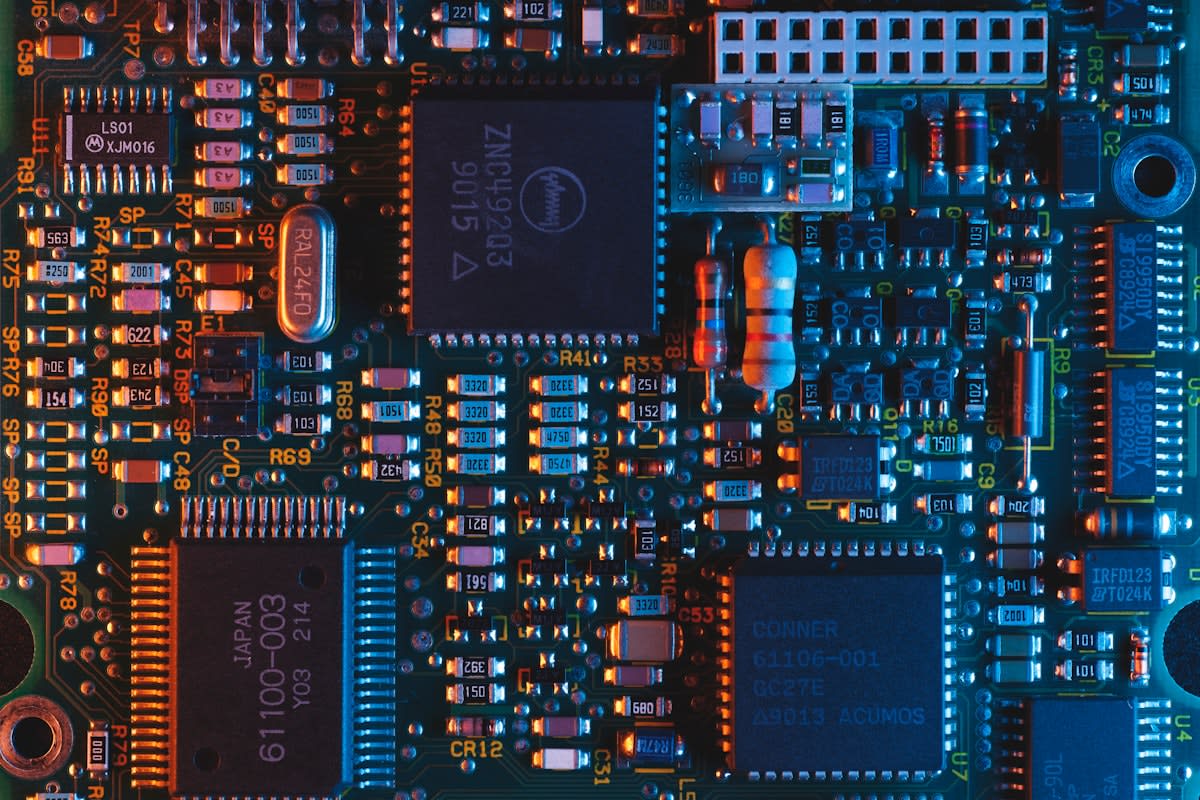
Forget the textbooks. You cannot implement this with a standard off-the-shelf laptop and a software library. You need a stack that resists physical and kernel-level tampering. If you are starting from scratch, do not let your procurement team buy the cheapest sensors available from the Huaqiangbei markets in Shenzhen unless they have verified TEE integration.
- TPM 2.0 or an integrated Secure Element (SE) for key storage.
- A camera or microphone sensor with an integrated hardware signing engine.
- An attestation service capable of verifying the hardware's unique Device Identity Composition Engine (DICE) architecture (Source: TCG DICE Specification, 2020).
- A secure boot sequence that prevents unauthorized firmware from loading.
- A hardened transport layer (TLS 1.3) that terminates inside the TEE.
Most teams skip the DICE architecture. Big mistake. Without a unique, hardware-bound identity that changes based on the firmware version, you cannot prove the device hasn't been pwned at the BIOS level. You end up with a 'secure' device running a modified bootloader that leaks your private keys to a remote server in a different timezone.
The Operator's Workflow for Hardware-Bound Provenance
- Audit the Sensor-to-Enclave Path: Map every single clock cycle from the moment photons hit the CMOS sensor to the moment the hash is generated. If the data passes through an unencrypted DMA buffer, the chain is broken.
- Provision Hardware Keys in a Clean Room: Never generate your root keys on a networked machine. Use a physical HSM to inject the initial identity into the silicon during the manufacturing stage.
- Bind Identity to the Silicon: Use the device's Physically Unclonable Function (PUF) to create a key that cannot be extracted, even with an electron microscope (Source: NIST SP 800-193, 2018).
- Generate an Attestation Report: Before the content is sent, the hardware must produce a signed report proving it is in a known-good state. This report accompanies the content manifest.
- Validate at the Edge: The receiver must verify the hardware attestation before they even look at the content signature. If the hardware is untrusted, the content is irrelevant.
"The industry is obsessed with the 'what' of the content, but they are ignoring the 'where' of the computation. If you cannot prove the environment where the hash was created, your provenance is just a fancy way of lying."— Dr. Aris Thorne, Lead Security Architect at the Cyber-Resilience Lab, Singapore
Step one is where most people fail. They trust the manufacturer's datasheet. I have seen 'secure' cameras where the image data is mirrored to a debug port that is left open in production. An attacker with a $10 logic analyzer can sniff the raw pixels before they hit the signing engine. You have to physically audit the board. If there are exposed test points on the MIPI CSI-2 lanes, your provenance is a joke.
Once you hit step three, the bureaucracy starts. Binding identity to silicon means you can no longer just 'reset' a device. If the PUF is corrupted or the key is lost, that piece of hardware is a brick. Your operations team will hate you. They want a 'backdoor' for recovery. Do not give it to them. A recovery backdoor is just a front door for a state-sponsored actor.

Ground-Level Friction: The Silicon War
Here is the ugly reality: hardware security is expensive and slows down the supply chain. I have sat in meetings where the CFO tried to kill a project because adding a dedicated Secure Element added $1.50 to the bill of materials (BOM). They argued that 'software encryption is enough.' That is the kind of thinking that leads to systemic collapse. They are trading long-term integrity for a quarterly margin bump. When the first high-fidelity deepfake crashes a stock price because the 'provenance' was spoofed, those $1.50 savings will look like a rounding error.
Then there is the political infighting. The firmware team and the security team usually despise each other. The firmware team wants the device to boot in under two seconds; the security team wants a multi-stage verified boot that takes ten. In the end, the firmware team usually wins because 'user experience' is the only metric the executives care about. The result? A 'secure' device that skips signature checks during the boot process to save three seconds of load time.
Common Pitfalls
- Trusting 'Secure Boot' without verifying the key ownership. If the manufacturer holds the only key, they own your data.
- Using software-based keystores (like Android Keystore) without hardware-backed protection. Memory scraping will eat you alive.
- Ignoring the 'Time-of-Check to Time-of-Use' (TOCTOU) vulnerability between the sensor capture and the signing event.
- Assuming that a valid C2PA manifest equals a real image. A manifest only proves the image hasn't changed since it was signed, not that it was real when it was signed.
Fact-Check & Accuracy Note
The claim that C2PA alone solves provenance is currently debated. While the standard provides a robust framework for metadata, the industry is split on whether software-only implementations are viable against state-level actors. Settled: Hardware-level roots of trust are objectively more secure. Debated: Whether the cost of hardware deployment is feasible for consumer-grade devices (Source: IEEE Security & Privacy, 2024).