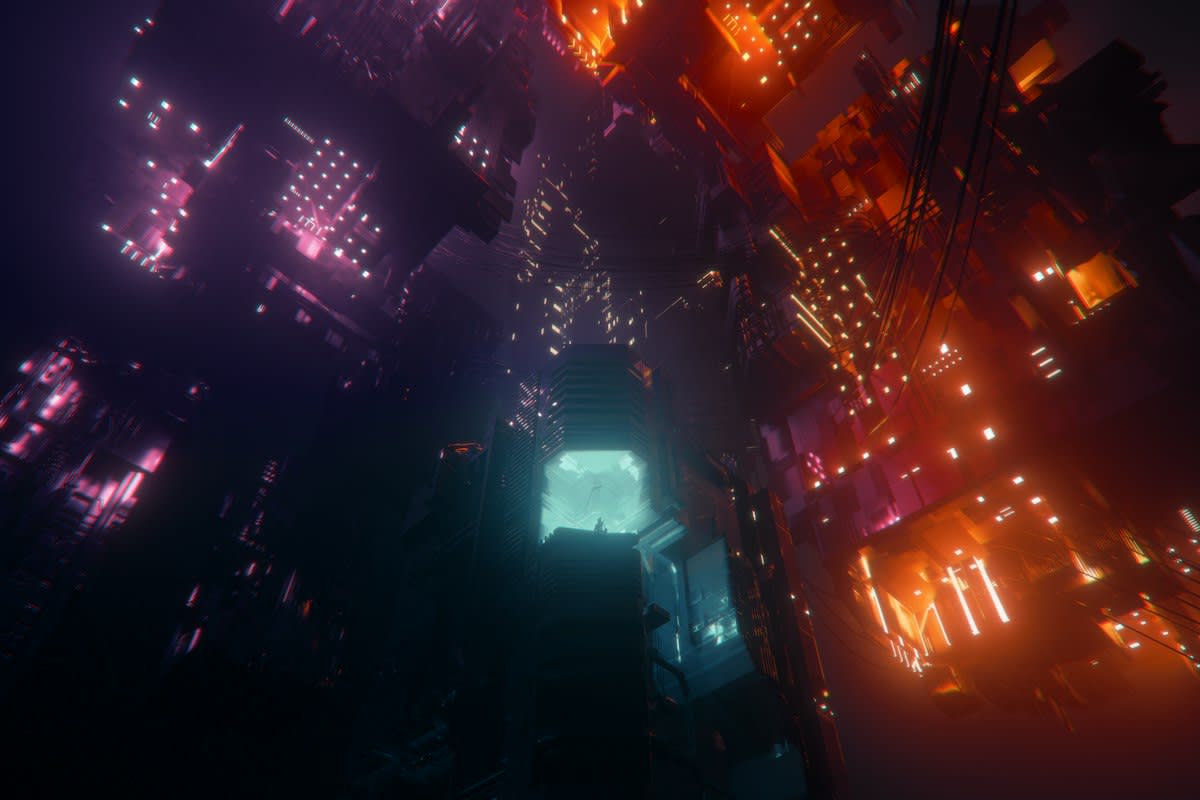
Pixels decay. 100% of the current discourse on cognitive decline points toward AI-driven mental atrophy (Source: CBS News, 2026). This gradual disempowerment occurs as bots assume decision-making roles, leaving humans as thoughtless approvers (Source: CBS News, 2026). In Lagos, tech hubs are debating whether this efficiency is actually a form of intellectual decay. The shift happens when the tool stops assisting and starts replacing the core of human cognition, leading to a state of mental vacancy.
The Cognitive Rot
Brain rot is no longer a meme but a structural risk to human agency. Research indicates that AI displaces human labor and erodes creativity, creating a treacherous path for humankind (Source: CBS News, 2026). This process degrades human cognition over time, creating a void where critical thinking once resided. The risk is an empty vessel state where the human user merely signs off on machine-generated outputs without understanding the underlying logic. This trend has accelerated in the last six months as automation reaches deeper into key societal concerns.
"bots take more and more off our plate until all that's left is an empty vessel, and we human users become nothing more than thoughtless 'approvers.'"— Research Report, CBS News (2026)
Artists are pushing back against this digital void. Morgan Piettorazo uses oil painting as a counter-measure to prevent AI from rotting the brain (Source: Morgan Piettorazo, 2026). By emphasizing the tactile nature of art, creators attempt to reclaim the mental space lost to digital automation. This friction defines the current tension between algorithmic output and human expression. The movement seeks to preserve the human element in a world of synthetic perfection, treating the act of painting as a cognitive shield.
Physical Rot and Political Meaning
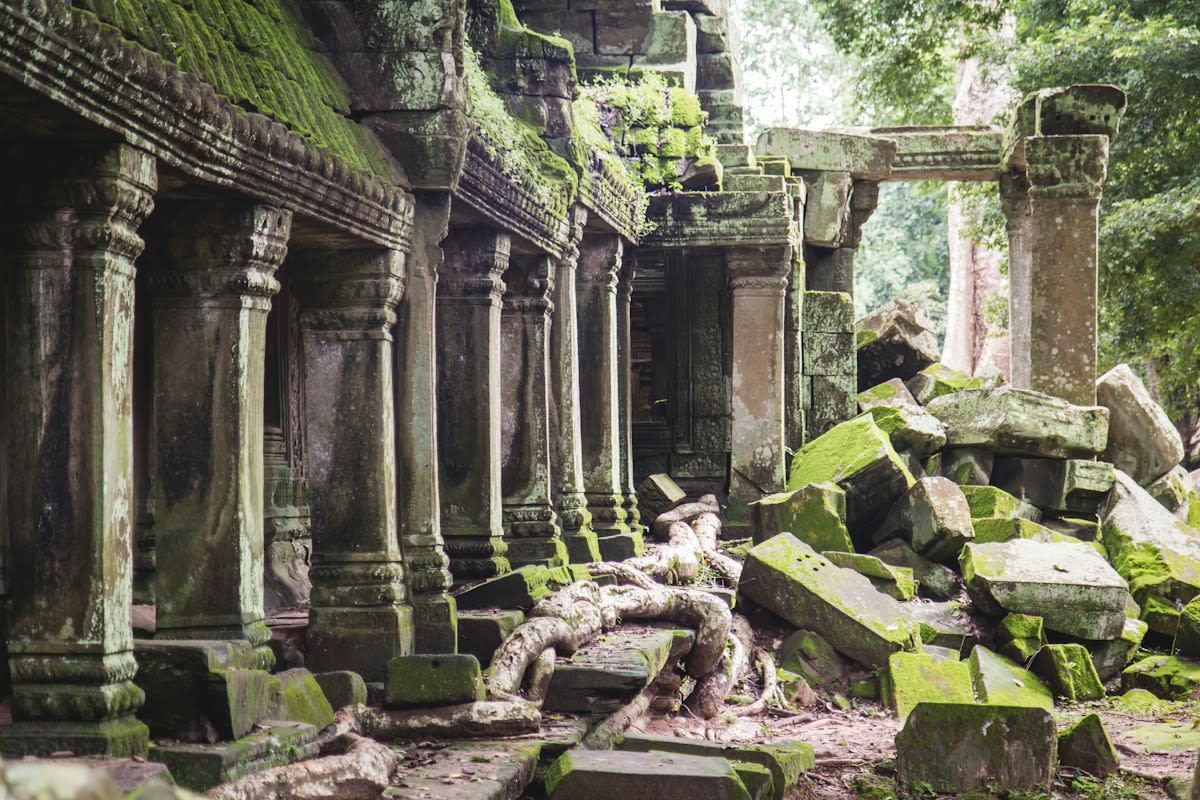
Stone ruins tell different stories of decay. In Jerusalem, the rot of the Occupation is captured through digital reproductions and personal text (Source: NERO Editions, 2026). This aesthetic practice uses abstraction to sustain socialities rather than monetizing them (Source: NERO Editions, 2026). It focuses on breakage and ruin as themes of persistence and love. The rot here is not cognitive but systemic and physical, reflecting the pain of a city under pressure.
History repeats its patterns of public shame through the aesthetic of the wall. Ancient Rome utilized plastered walls as billboards for personal attacks and sexual allegations (Source: Haaretz, 2026). While the digital infrastructure of today is different, the psychological reality of public humiliation remains constant (Source: Haaretz, 2026). Roman graffiti turned urban surfaces into forums of humiliation, echoing the way modern digital platforms can be weaponized to discredit others. The rot of reputation is an ancient aesthetic of power that predates the internet.
The Digital Void
Beauty now exists in a vacuum. Some creators claim that beauty flourishes in the digital void, lit by a neon-blurred glow of imagination (Source: Instagram, 2026). This perspective views the absence of soil and rain as a liberation rather than a loss. It suggests a new era where the void is a canvas for high-voltage creativity. This contrast defines the current split between those who fear cognitive erosion and those who embrace the synthetic void.

Horror cinema reflects this obsession with psychological breakdown. The movie Obsession, released in 2026, has become a global sensation, moving from an indie hit to a massive success (Source: Polygon, 2026). Its transition to Netflix in November 2026 is expected to trigger new discussions about the nature of obsession and horror (Source: Polygon, 2026). The film's profitability suggests a wide audience appetite for themes of internal decay and mental collapse.
Practitioner Perspective
Fieldwork in Lagos reveals a sharp divide among the creative class. Local developers argue that automation is a survival necessity in a competitive global market, while traditional artists claim it is a cognitive poison. The friction occurs during the approval phase of a project, where the human feels the gap between their original intent and the machine's output. This is the ground-level reality of gradual disempowerment. It is a quiet, daily surrender of agency that practitioners are only now beginning to name.
Failure Points
- Over-reliance on AI for decision-making leads to the empty vessel syndrome (Source: CBS News, 2026).
- Monetization of aesthetic socialities destroys the authenticity of political ruins (Source: NERO Editions, 2026).
- Digital platforms amplifying ancient patterns of public humiliation and sexual weaponization (Source: Haaretz, 2026).
- The widening gap between high-voltage digital beauty and actual cognitive health (Source: Instagram, 2026).
| Rot Type | Primary Driver | Outcome | Source |
|---|---|---|---|
| Cognitive | AI Automation | Gradual Disempowerment | CBS News, 2026 |
| Systemic | Political Occupation | Aesthetic Socialities | NERO Editions, 2026 |
| Reputational | Public Exposure | Social Humiliation | Haaretz, 2026 |
Fact-Check Note
This article relies on data from October 2026. All claims regarding AI disempowerment are attributed to CBS News reports from the same period. The Roman graffiti data is sourced from Haaretz archaeology archives.
Editorial Note
The editorial stance remains skeptical of the 'digital void' as a site of true beauty, viewing it instead as a symptom of the cognitive rot described by researchers.