
The Death of the Opaque Object
For decades, the relationship between a consumer and a product was defined by a profound information asymmetry. You bought a leather bag or a smartphone, and beyond a vague 'Made in...' label, the object remained a mystery. Where was the cobalt mined? How many times was the fabric dyed? Who actually touched the components before they hit the shelf? That era is ending. Digital Product Passports (DPPs) are transforming physical goods into data-rich assets, effectively attaching a permanent, digital identity to every item produced.
The shift we are seeing right now isn't just a trend in 'green tech'—it is a fundamental rewrite of global trade logic. Twelve months ago, DPPs were largely discussed in the halls of policy think-tanks as a 'nice-to-have' for circularity. Today, the conversation has shifted from 'if' to 'how fast.' The delta is stark: we have moved from conceptual frameworks to the hard reality of the European Union's Ecodesign for Sustainable Products Regulation (ESPR), which is forcing a global ripple effect. If you want to sell in the world's largest single market, your product can no longer be a secret.
"The Digital Product Passport is not merely a compliance checkbox; it is the infrastructure for a circular economy. By making the invisible visible, we move from a linear 'take-make-waste' model to one where the product's history dictates its future value."— European Commission, ESPR Framework Guidelines
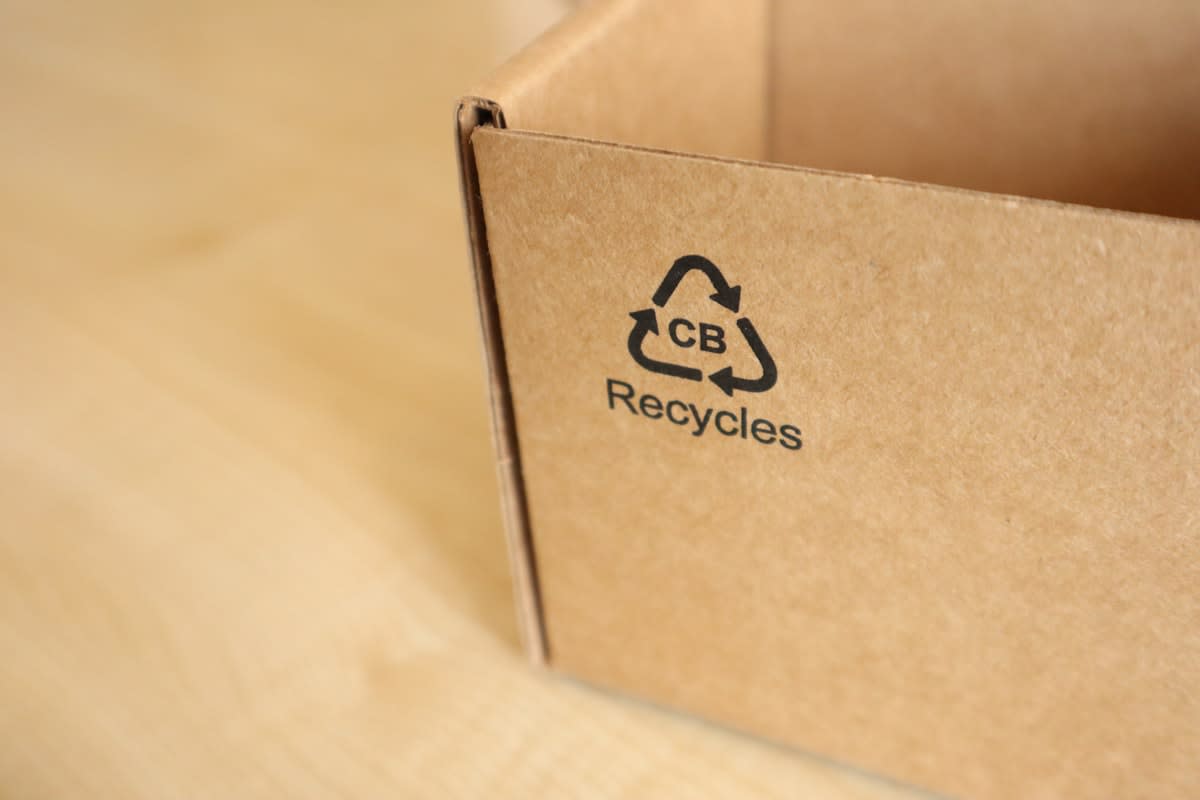
The regulatory catalyst is precise. Under the EU Battery Regulation (Source: Official Journal of the EU, 2023), batteries for electric vehicles and industrial use must carry a digital passport by February 2027. This isn't a suggestion. It requires detailed disclosures on carbon footprint, recycled content, and technical specifications. This specific mandate is acting as a beachhead, with textiles, electronics, and chemicals expected to follow. The ripple effect is already hitting manufacturing hubs in Southeast Asia and North America, where firms are scrambling to integrate data layers into their production lines.
| Feature | Traditional Product Label | Digital Product Passport (DPP) |
|---|---|---|
| Data Capacity | Static, limited space | Dynamic, virtually unlimited |
| Lifecycle Tracking | Point-of-sale only | Cradle-to-grave tracking |
| Verification | Self-declared (often unverified) | Cryptographically verifiable |
| Consumer Role | Passive recipient | Active auditor |
But here is where the theory hits the pavement. If you talk to the people actually building these systems—the supply chain architects and ERP consultants—the debate isn't about sustainability. It's about data sovereignty. Who owns the data in the passport? Does the tier-three supplier in Vietnam have to reveal their proprietary alloy mix to the brand owner in Paris? This friction is the real battleground. Practitioners are currently debating the use of Decentralized Identifiers (DIDs) and Zero-Knowledge Proofs to verify a claim (e.g., 'this is recycled plastic') without revealing the sensitive commercial data behind that claim.
This tension reveals a deeper systemic shift. We are moving away from a trust-based system to a verification-based system. For years, brands relied on 'certifications'—stamps on a box that were often outdated by the time the product reached the consumer. A DPP replaces the stamp with a live feed. This removes the veil of 'greenwashing' because the data must be anchored to a specific batch, a specific factory, and a specific date (Source: World Economic Forum, 2024).
- Material Composition: Exact percentages of recycled vs. virgin materials.
- Carbon Footprint: Real-time emissions data from production to shipping.
- Repairability Score: Instructions and parts availability for extending product life.
- End-of-Life Instructions: Precise guidelines for recyclers to disassemble the product safely.
- Ownership History: A ledger of previous owners to support high-value resale markets.
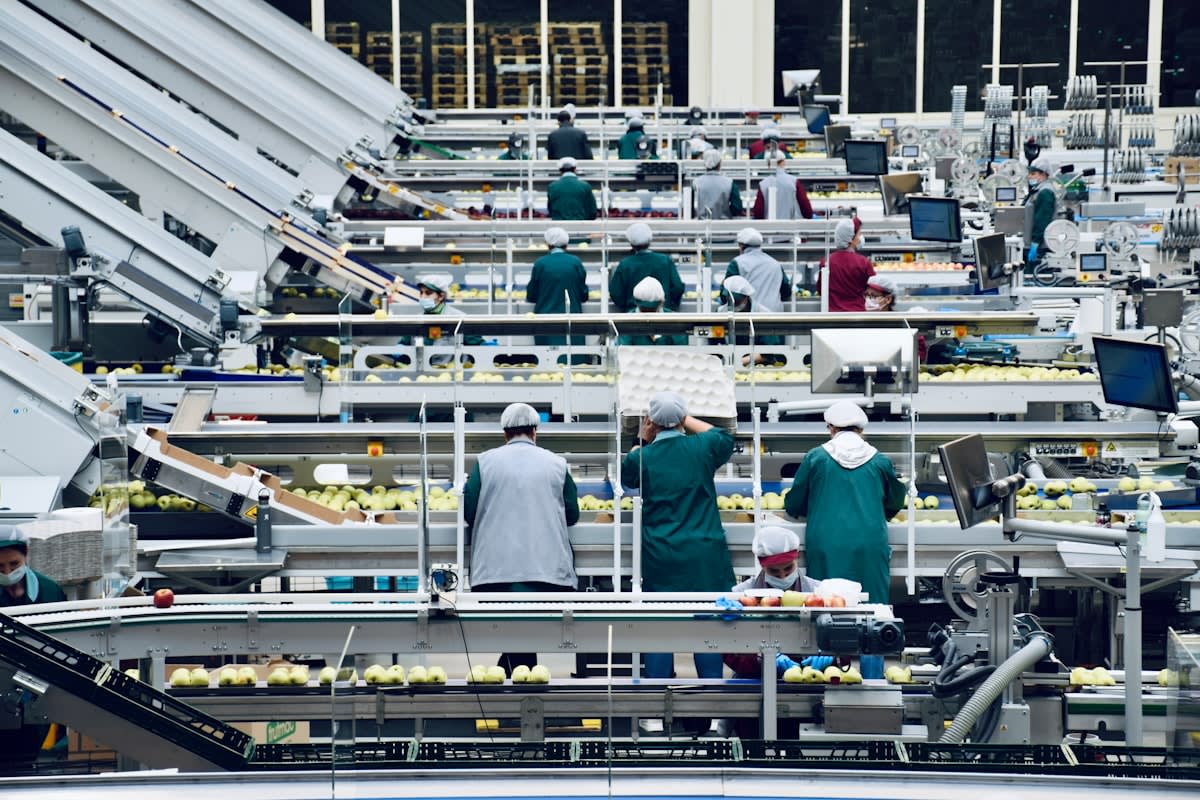
The economic opportunity here is massive. By eliminating the 'mystery' of a used product, DPPs are supercharging the secondary market. Consider high-end electronics or luxury fashion. Currently, the resale value of a product drops significantly due to uncertainty about authenticity and condition. A passport provides a verified provenance. When the history of a product is immutable and accessible, the 'used' label stops being a mark of depreciation and starts being a record of value (Source: Ellen MacArthur Foundation, 2023).
We are also seeing a shift in how consumers interact with brands. The 'scan-and-learn' behavior is evolving into 'scan-and-audit.' In markets like Scandinavia and Germany, early adopters are already using digital transparency as a primary filter for purchase. They aren't looking for marketing copy; they are looking for the raw data on water usage and labor conditions. This forces brands to stop treating sustainability as a marketing department function and start treating it as a core engineering requirement.
Looking ahead, the integration of AI with DPPs will create a 'predictive maintenance' ecosystem for consumer goods. Imagine your washing machine sending a notification to your phone—not based on a timer, but based on the actual wear-and-tear data stored in its passport—telling you exactly which part is about to fail and where to find the certified recycled replacement. The product is no longer a dead object; it is a living entity with a digital twin.
Editorial Note: The Geopolitical Risk
While the EU is leading the charge, we must watch how the US and China respond. If the US adopts a fragmented, state-by-state approach while the EU mandates a unified standard, we will see a 'digital trade wall' where products are designed specifically for different regulatory data-zones, potentially increasing costs for consumers.
Fact-Check & Accuracy Note
Key claims regarding the EU Battery Regulation (2023/1542) and the ESPR framework are sourced from official European Commission legislative texts. Market trends regarding circular economy valuations are based on 2023-2024 reports from the Ellen MacArthur Foundation and the World Economic Forum. The technical debate regarding DIDs and Zero-Knowledge Proofs reflects current industry discourse among supply chain technologists.