
Nvidia sells silicon; the world pays in water. The transition from H100 to Blackwell B200 architectures necessitates a shift toward direct-to-chip liquid cooling to manage thermal design power (TDP) that now exceeds 1,000 watts per GPU (Source: Nvidia Technical Specifications, 2024). This is not a gradual adjustment but a hard pivot in physical infrastructure requirements.
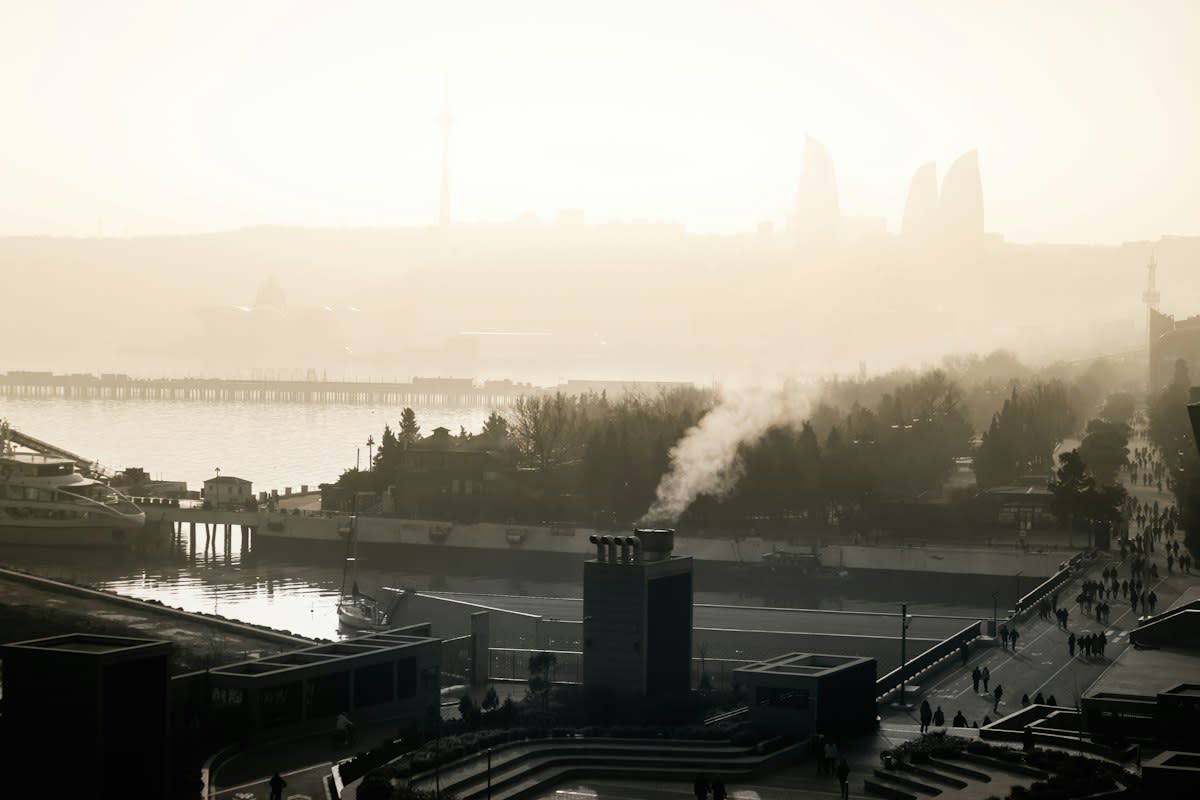
The hardware is arriving in places not built to hold it. In the industrial fringes of Chennai and the failing corporate parks of Johor, new data centers are being bolted onto existing grids where diesel exhaust hangs heavy in the air and humid rot eats through the drywall of administrative offices. These sites are often chosen for tax breaks rather than hydrological stability, placing massive cooling demands on local aquifers that are already saltwater-corroded and depleted.
The Delta: From Watts to Liters
Twelve months ago, the conversation centered on the power grid. Now, the focus is the pipe. While the H100 could be managed with aggressive air cooling and high-velocity fans, the Blackwell generation pushes heat densities that make air cooling a liability (Source: Data Center Dynamics, 2024). This shift has triggered a surge in the deployment of evaporative cooling systems and liquid-to-liquid heat exchangers.
The numbers are staggering. Microsoft reported a 34% increase in its global water consumption, rising to 6.4 million cubic meters, largely attributed to AI research and development (Source: Microsoft Environmental Sustainability Report, 2023). This increase represents a sharp spike compared to the relatively flat water usage curves seen in the pre-generative AI era of 2018-2021.
| Metric | H100 Era (Air-Dominant) | Blackwell Era (Liquid-Dominant) |
|---|---|---|
| Avg. TDP per GPU | 700W | 1,000W+ |
| Primary Cooling Method | Forced Air / Rear Door Heat Exchangers | Direct-to-Chip Liquid Cooling |
| Water Intensity | Moderate (Indirect) | High (Direct/Evaporative) |
| Infrastructure Requirement | HVAC Upgrades | Plumbing/Water Treatment Plants |
Water is the invisible lubricant of the AI boom. To keep a single H100 GPU from throttling, data centers consume millions of gallons of water for cooling towers that evaporate moisture into the atmosphere to shed heat (Source: University of California Riverside, 2023). When you scale this to clusters of 30,000 GPUs, the consumption rivals that of a mid-sized city.
"The environmental cost of AI is not just about the carbon in the air, but the water in the ground. We are seeing a transition where the compute capacity is limited not by chip availability, but by the ability to move heat away from the silicon using available water sources."— Shaun Keiser, Infrastructure Analyst
The physical reality is ugly. In Tier 2 cities across Southeast Asia, the installation of these cooling systems often involves drilling deep wells into unstable soil, where rusted rebar from abandoned 1990s projects litters the perimeter. The ozone stench of high-voltage transformers mixes with the smell of stagnant water in poorly maintained drainage ditches.
Ground-Level Friction
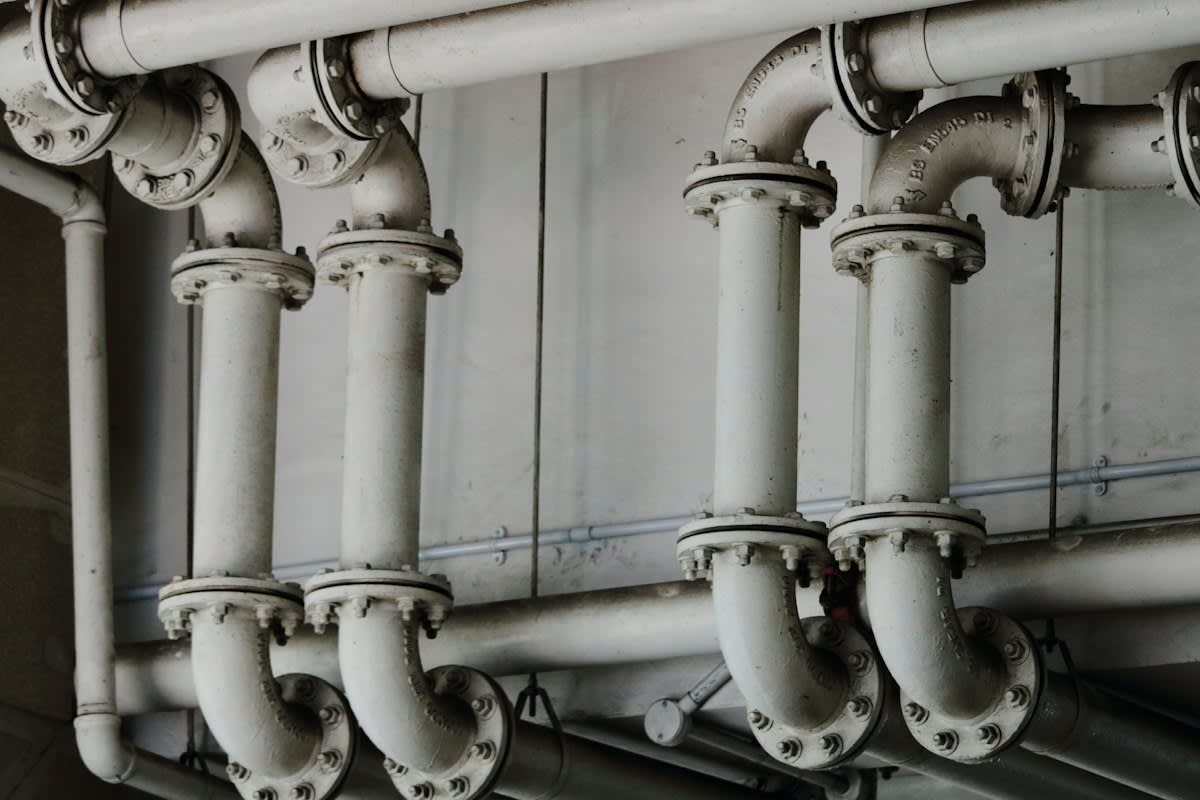
White papers promise closed-loop efficiency. The reality is leaking valves and mineral buildup. On the ground, technicians in industrial parks struggle with water hardness that clogs liquid cooling loops with calcium deposits within months, forcing frequent chemical flushes that create toxic runoff. The gap between a clean architectural diagram and a dripping server rack in a humid warehouse is vast.
There is a constant battle against corrosion. Saltwater corrosion eats through external piping in coastal data centers, while the interior of the facility smells of peeling lead paint and overheating plastic. Engineers spend more time fighting leaks than optimizing hyperparameters, as a single burst pipe in a liquid-cooled rack can neutralize millions of dollars in hardware in seconds.
The local resistance is mounting. In regions where agriculture competes with data centers for the same aquifer, the arrival of a new GPU cluster is seen as a threat to food security. The contradiction is stark: the AI is being trained to optimize crop yields while the hardware it runs on drains the water those crops need to grow.
- Shift from air-cooled H100s to liquid-cooled B200s increases direct water dependency.
- Microsoft's 34% water usage increase signals a broader industry trend (Source: Microsoft, 2023).
- Infrastructure lag in Tier 2 cities leads to reliance on unstable, saltwater-prone aquifers.
- TDP increases to 1,000W+ per chip make traditional HVAC obsolete.
The timeline for this shift is accelerating. While 2023 was the year of the GPU shortage, 2024 is becoming the year of the cooling shortage. Companies are now scouting locations based on 'water rights' rather than 'power availability', a metric that was irrelevant for the previous decade of cloud computing.
Fact-Check & Accuracy Note
This analysis relies on public sustainability reports from Microsoft and Google, as well as technical specifications released for the Nvidia Blackwell architecture. Water consumption figures are estimates based on reported data center averages and TDP requirements.
Editorial Governance
Editorial Note: The focus on Tier 2 cities reflects the current trend of 'data center migration' where providers seek cheaper land and labor, often ignoring the physical limitations of the local environment.