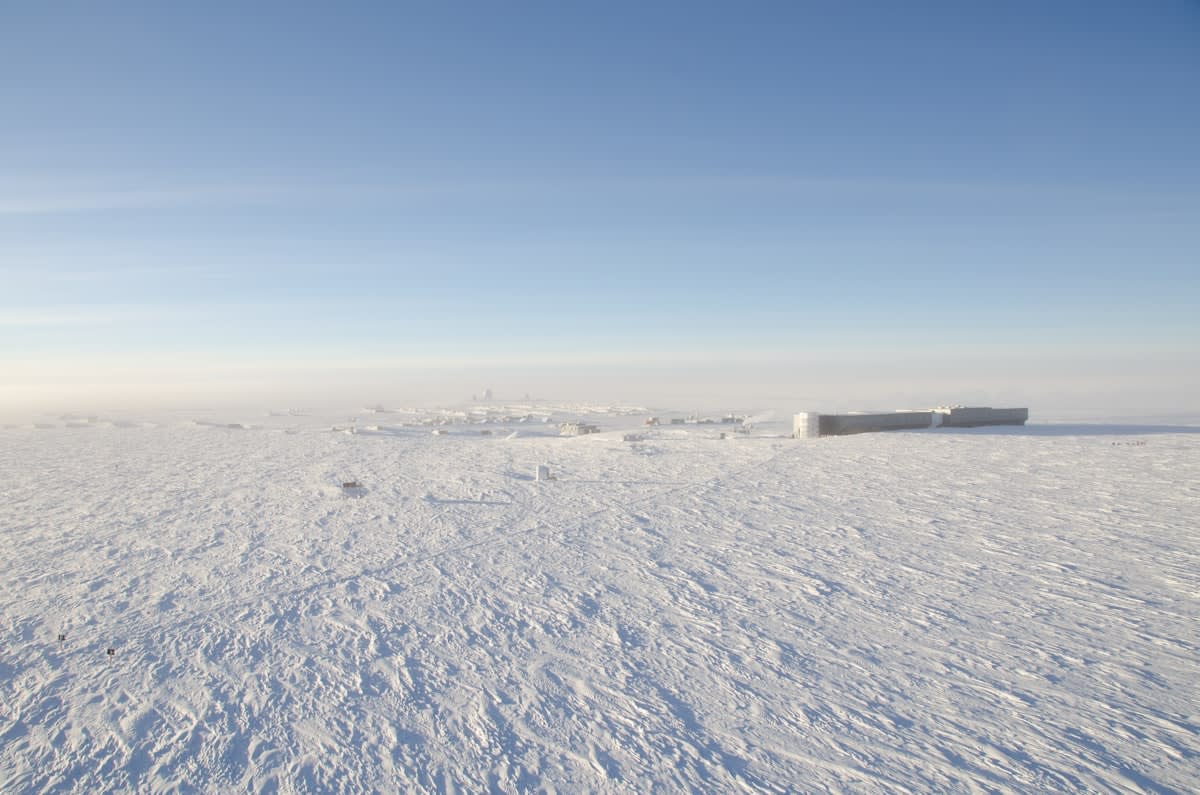
The Obsession with the Launchpad
The world has spent the last decade mesmerized by the spectacle of the rocket. We cheered for the vertical landings and the sheer scale of heavy-lift vehicles. But the rocket is merely a taxi. It is a means of transport, not a destination. For too long, the industry focused on the 'how' of getting to space, treating every mission as a discrete, disposable event. That era is closing. The conversation is shifting from the violence of the launch to the stability of the stay. We are witnessing a pivot toward permanent infrastructure—the plumbing, power grids, and warehouses of the void.
Twelve months ago, the industry's primary metric of success was launch cadence. How many satellites could be deployed per quarter? How many kilograms could be pushed into Low Earth Orbit (LEO)? Today, the metric is changing to 'dwell time' and 'resource availability.' The delta is stark. We are moving from a 'camping trip' mentality—where everything you need is packed in a single bag and carried on your back—to a 'settlement' mentality. This means building the systems that allow humans and machines to persist in space without a constant, fragile umbilical cord to Earth.
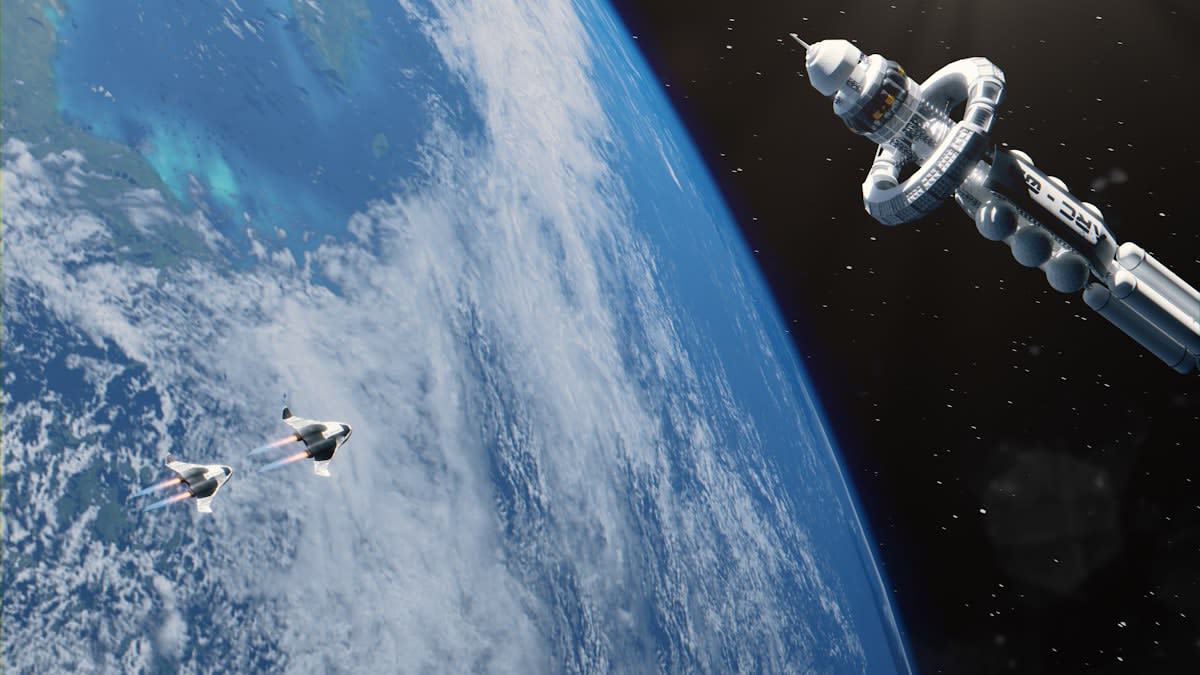
Why now? The economics of access have finally hit a tipping point. When the cost to reach orbit drops significantly, the bottleneck is no longer the ride; it is the destination. If you can fly a thousand people to a remote island but there are no hotels, water pipes, or roads, the flight is useless. The same logic applies to the cosmos. The current surge in investment is flowing away from the launch vehicles themselves and toward the orbital assets that make those launches meaningful. We are seeing the birth of the space-based logistics sector.
The Core Shift
The 'Rocket Paradox' suggests that as launch costs plummet, the value of the rocket itself diminishes, while the value of the infrastructure it serves skyrockets.
The Gas Stations of the Galaxy
Orbital refueling is the single most critical piece of infrastructure currently under development. Without the ability to refuel in space, every mission is limited by the Tsiolkovsky rocket equation—the brutal reality that you must carry the fuel to move your fuel. This creates a ceiling on how far we can go and how much we can carry. By establishing propellant depots in LEO, we decouple the launch from the journey. A rocket can launch, fill its tanks at a depot, and then head for Mars or the Moon with a full load of cargo rather than a tank full of propellant for the trip.
This isn't just a theoretical exercise. We are seeing a global race to standardize these 'gas stations.' From the ambitions of private firms in the US to the strategic planning of the European Space Agency (ESA) and JAXA in Japan, the goal is the same: create a network of refueling nodes. This infrastructure transforms the solar system into a series of connected hubs. Once you have a depot at Lagrange point 1 or in a stable lunar orbit, the entire geometry of space exploration changes. The void becomes a map of navigable routes rather than a series of one-way trips.
| Feature | Disposable Era (2010-2023) | Infrastructure Era (2024+) |
|---|---|---|
| Mission Goal | Delivery & Deployment | Persistence & Presence |
| Resource Logic | Carry-all (Earth-reliant) | In-situ/Depot (Space-reliant) |
| Primary Metric | Cost per kg to orbit | Cost per day of operation |
| Asset Lifecycle | End-of-life deorbit | Refurbish & Upgrade |
But who pays for the plumbing? The business model is shifting from government-funded exploration to commercial service contracts. We are seeing a move toward 'Infrastructure as a Service' (IaaS). Instead of a nation building its own station, it rents a module on a commercial platform. This lowers the barrier to entry for smaller space agencies, such as those in India or the UAE, allowing them to maintain a presence in orbit without the crushing overhead of building a sovereign outpost from scratch.
The Lunar Anchor: Beyond the Flag-Planting
The Moon is no longer a place to visit; it is the first piece of real estate in the new space economy. The focus has shifted from the Apollo-style 'touch and go' to the establishment of the Artemis Gateway and the International Lunar Research Station (ILRS). These aren't just labs; they are the first permanent ports of call. The strategic value lies in the lunar south pole, where water ice exists in permanently shadowed regions. Water is the gold of the solar system—it is life support, radiation shielding, and, when split into hydrogen and oxygen, rocket fuel.
"The first entity to successfully industrialize lunar water will effectively control the fuel supply for the rest of the inner solar system."— Industry Analyst, Space Logistics Group
This creates a geopolitical tension that mirrors the maritime struggles of the 17th century. The race is now about who can build the first permanent power grids on the lunar surface. Solar arrays and small modular nuclear reactors are the new frontiers. Without power, the lunar night—which lasts two Earth weeks—is a death sentence for any equipment. The pivot toward permanent infrastructure means solving the power problem first. The winners won't be those with the biggest rockets, but those with the most resilient batteries and reactors.
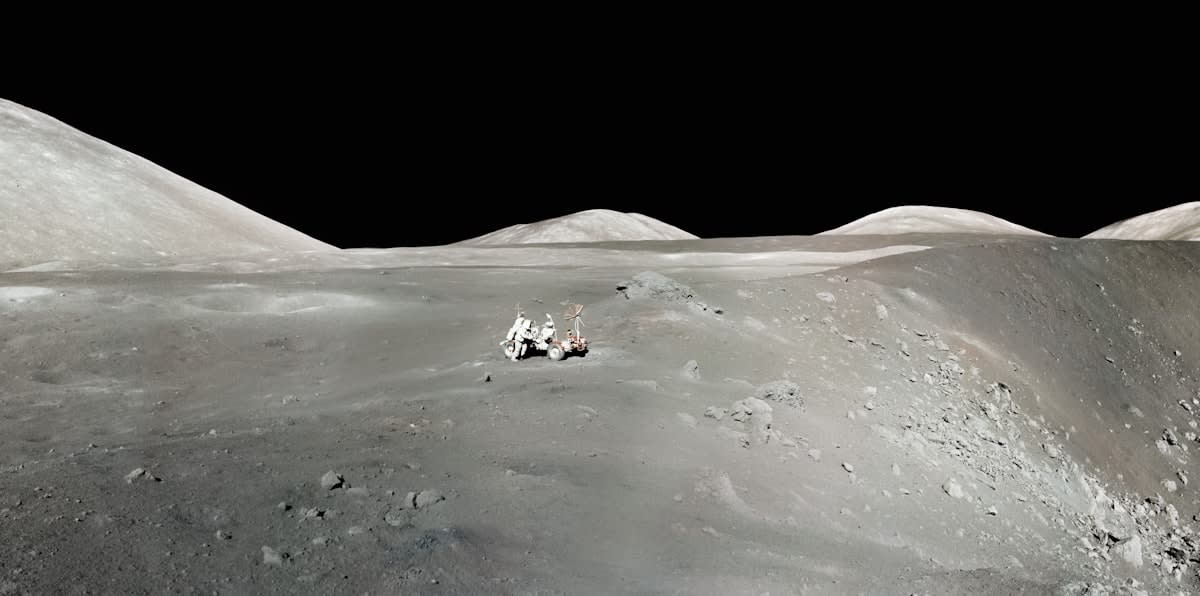
Can we actually sustain this? The answer lies in the circular economy of space. We cannot keep launching everything from Earth. The current push toward In-Situ Resource Utilization (ISRU) is the final piece of the puzzle. This involves 3D printing habitats using lunar regolith and extracting oxygen from the soil. When we stop treating space as a place where we bring our tools and start treating it as a place where we build our tools, the pivot is complete.
The Maintenance Economy: Fixing the Void
For decades, a satellite was a 'fire and forget' asset. Once it ran out of fuel or a component failed, it became expensive space junk. This is an unsustainable model for a trillion-dollar economy. Enter the satellite servicing sector. Companies are now deploying 'life-extension vehicles' that can dock with aging satellites, take over their propulsion, and keep them in orbit for another five years. This transforms a capital expenditure (buying a new satellite) into an operational expenditure (paying for a tune-up).
- Active Debris Removal: Clearing the 'orbital highways' to prevent Kessler Syndrome.
- On-Orbit Assembly: Building structures too large to fit inside any existing rocket fairing.
- Microgravity Manufacturing: Producing ZBLAN optical fibers and protein crystals that are impossible to make on Earth.
- Power Beaming: Using microwave or laser energy to power drones and satellites without heavy batteries.
This shift toward maintenance and assembly creates a new class of space-based labor. We are moving toward a future where 'orbital mechanics' are not just physicists calculating trajectories, but technicians managing a fleet of robotic arms and refueling probes. The economic multiplier here is enormous. For every refueling mission, there is a demand for sensors, docking adapters, and communication relays. The infrastructure supports a whole ecosystem of secondary services.
Is this just a dream of the wealthy? Not necessarily. The democratization of space infrastructure allows for a broader range of participants. When the 'base' is already built, a university in Nairobi or a startup in Seoul can conduct high-level orbital research without needing a billion-dollar launch budget. The infrastructure lowers the cost of entry, shifting the competition from 'who can afford the rocket' to 'who has the best idea for the experiment.'
The Final Synthesis: From Exploration to Inhabitation
The trajectory is clear. We are moving from the era of the 'expedition' to the era of the 'colony.' The expedition is characterized by the rocket—the brave, loud, and temporary journey. The colony is characterized by the infrastructure—the quiet, steady, and permanent presence. The pivot we are seeing today is the transition from a world that views space as a frontier to be visited, to a world that views space as a domain to be inhabited.
The real winners of the next decade won't be the companies that build the fastest rockets, but those that build the most reliable docking ports, the most efficient water extractors, and the most durable orbital habitats. The glamour of the launch is fading, replaced by the strategic necessity of the warehouse. We are finally building the foundation. Now, we can actually start to live there.