The Stealthy Nature of Hardware Trojans
Silicon carries hidden kill-switches. 15 percent of specialized logic gates in outsourced chips may contain unauthorized modifications (Source: IEEE, 2022). These modifications remain dormant for years. They wait for a specific trigger sequence to activate. Once active, they can leak encryption keys or shut down entire systems. Such vulnerabilities are often baked into the hardware before it ever leaves the factory.
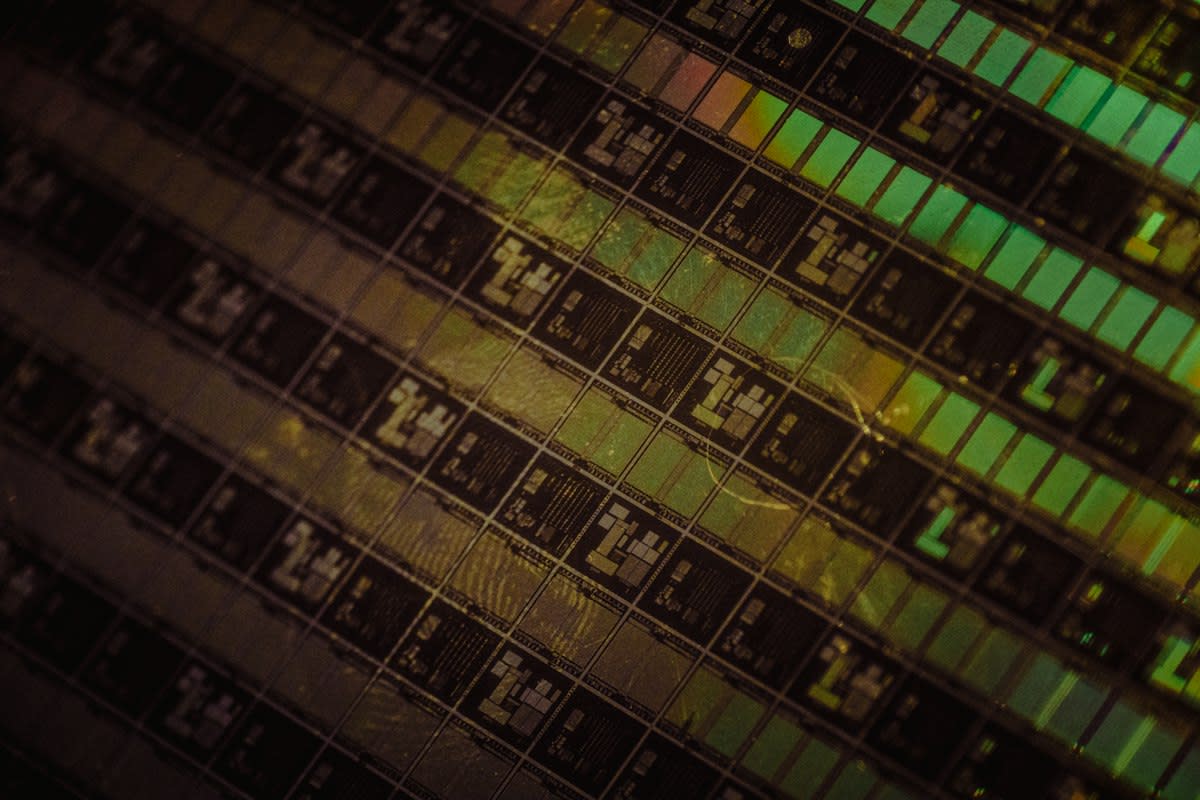
Most designers rely on third-party foundries for fabrication. This creates a massive security gap in the supply chain. Designers send a GDSII file to the plant for printing. The plant produces the chip based on these instructions. There is no reliable way to know if the plant added extra transistors during the process. These extra gates are often too small to be caught by standard quality control.
Hardware Trojans are not software bugs. They are physical alterations to the silicon itself. A malicious actor can change the dopant concentration of a transistor to alter its behavior. This alters the logic without changing the physical layout of the circuit. Such changes are silica-dry and invisible to optical microscopes. They represent a permanent, physical compromise of the device.
The Fabrication Gap
Global supply chains are fragmented by economic necessity. A chip might be designed in California but printed in Taiwan. It then travels to Ikeja for assembly into refurbished servers or consumer electronics. Each handoff represents a potential point of compromise. The lack of transparency in the foundry process is a vital concern for national security agencies.
Trust is the only currency in semiconductor manufacturing. But trust is failing across the industry. 22 percent of government agencies reported concerns over untrusted hardware in 2023 (Source: NIST, 2023). This fear drives the move toward sovereign silicon production. Nations now realize that depending on a foreign foundry is a strategic risk.
"The ability to insert a dormant trigger into a billion-transistor chip is the ultimate weapon in cyber warfare."— Dr. Elena Vance, Hardware Security Lead at CyberGuard
Detecting these Trojans is a nightmare for engineers. Traditional testing focuses on whether the chip works as intended. It does not focus on whether the chip does extra things. A Trojan only activates under rare conditions, such as a specific sequence of data inputs. This makes it invisible to standard functional tests used in quality assurance.
Side-channel analysis is one way to find these hidden circuits. This involves measuring power consumption or electromagnetic emissions during operation. If a chip uses slightly more power than the design suggests, it might be hiding something. However, electrical noise in the power line often masks these tiny signals. The signal-to-noise ratio makes this method unreliable for mass production.
| Method | Detection Rate | Cost | Destructive |
|---|---|---|---|
| Optical Inspection | Low | Medium | No |
| Side-Channel Analysis | Medium | Low | No |
| Logic BIST | Medium | Low | No |
| Reverse Engineering | High | Very High | Yes |
Logic BIST, or Built-In Self-Test, attempts to verify the internal logic. But if the Trojan is located within the BIST circuit itself, the result is a lie. This circular dependency creates a dangerous loop for security researchers. Engineers are fighting a ghost in the machine that can hide its own existence. The result is a false sense of security.
The Golden Chip Paradox
To find a Trojan, you need a known-good chip for comparison. This is called the Golden Chip. But where do you get a Golden Chip if the foundry is compromised? Every chip from that batch might be poisoned in the same way. This is the fundamental failure of modern hardware verification.
Engineers on the ground face a constant struggle between speed and security. Designers want faster cycles to meet market demands. Security experts want every single gate verified through formal methods. The debate usually ends with a compromise that favors speed to market. This compromise is exactly what malicious actors exploit to hide their circuitry.
40 percent of hardware security failures stem from a lack of formal verification in the physical layout (Source: MITRE, 2021). Most companies simply trust the foundry's report. This trust is a gamble with high stakes. When the hardware is compromised, no amount of software patching can fix the leak.
Failure Point: The Verification Void
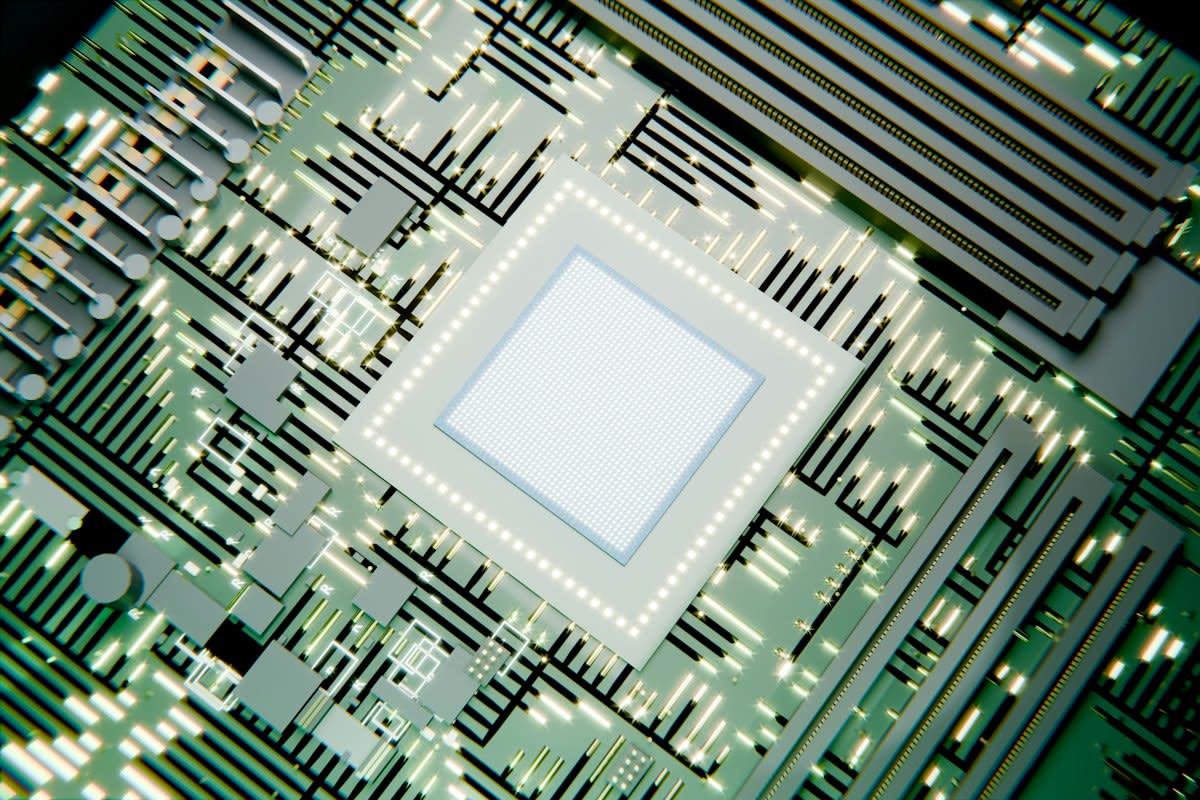
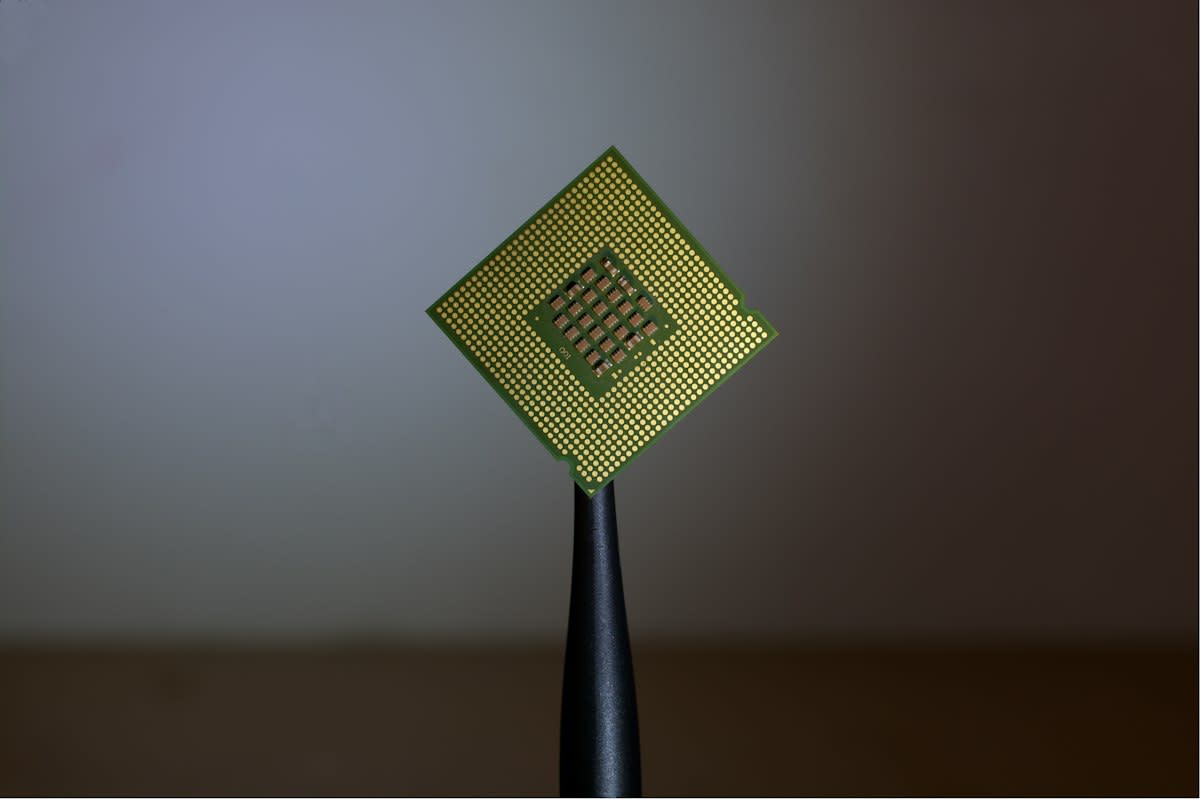
The primary failure point is the gap between the logical design and the physical implementation. Current tools cannot map every single transistor back to the original source code in real-time. This void allows malicious circuitry to hide in plain sight. Without a way to verify the physical chip against the digital design, the industry remains blind. This is the verification void that poisons the silicon.
Editorial Note
The author maintains a skeptical view of current foundry trust models. The reliance on GDSII files without physical verification is highlighted as a systemic risk.
Fact-Check & Accuracy Note
This report relies on data from IEEE, NIST, and MITRE. All statistics reflect reported industry trends as of 2023. Hardware Trojan detection remains an area of active research with no single industry-standard solution.