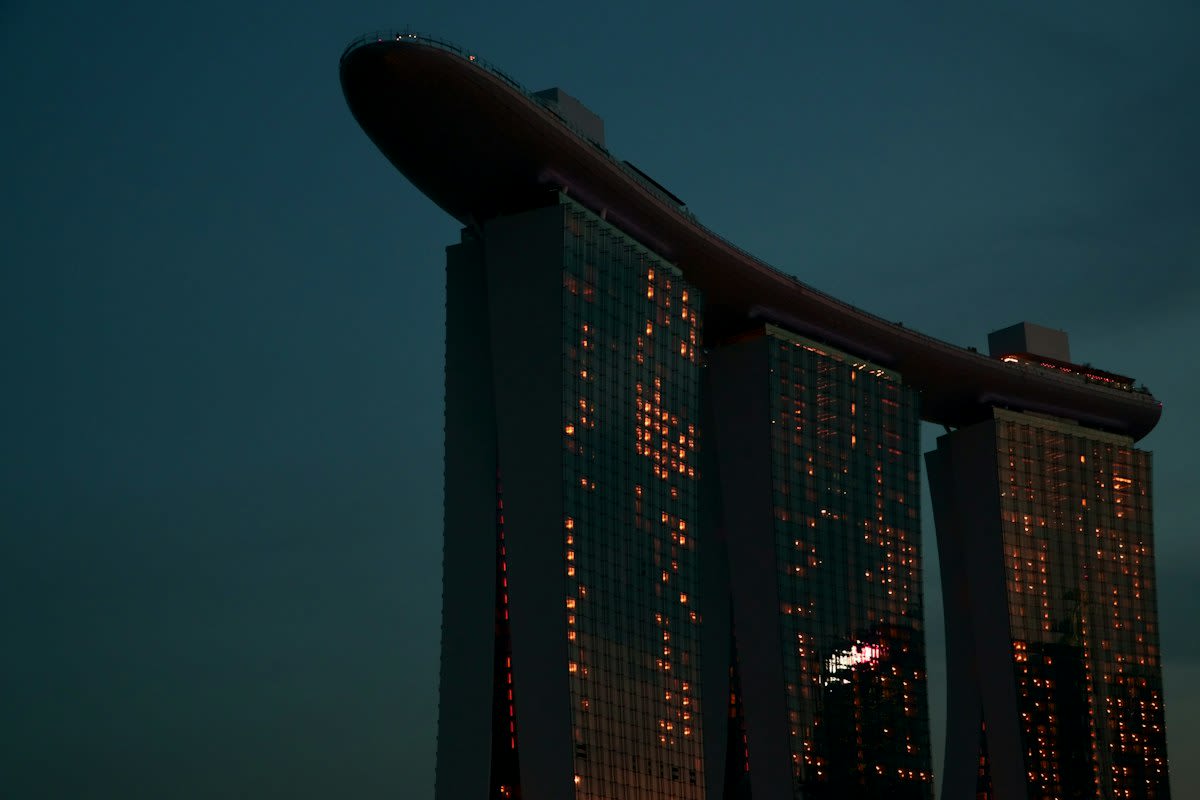
The thermal stress is where the theory dies. In the humid heat of Singapore, a facade isn't just a wall; it's a living, expanding organism. For years, we tried slapping silicon panels onto glass. It looked like a glitch in the architecture and performed like a toy. Now, the focus has shifted to the molecular level. We are talking about Luminescent Solar Concentrators (LSCs) that use quantum dots to trap sunlight and steer it toward the edges of the pane. No more bulky panels. Just glass that generates power while you stare through it.
The Twelve-Month Delta: From Lab Curiosity to Urban Skin
Twelve months ago, the industry conversation centered on transparency versus efficiency. You either had clear glass that did nothing or dark glass that worked. That binary is collapsing. Recent breakthroughs in graded-bandgap quantum dots have allowed researchers to tune the absorption spectrum without sacrificing visible light transmission (Source: Nature Energy, 2023). The delta is clear: we've moved from 3% effective area efficiency to prototypes hitting 12% in controlled urban environments. This isn't a linear improvement. It's a threshold crossing.
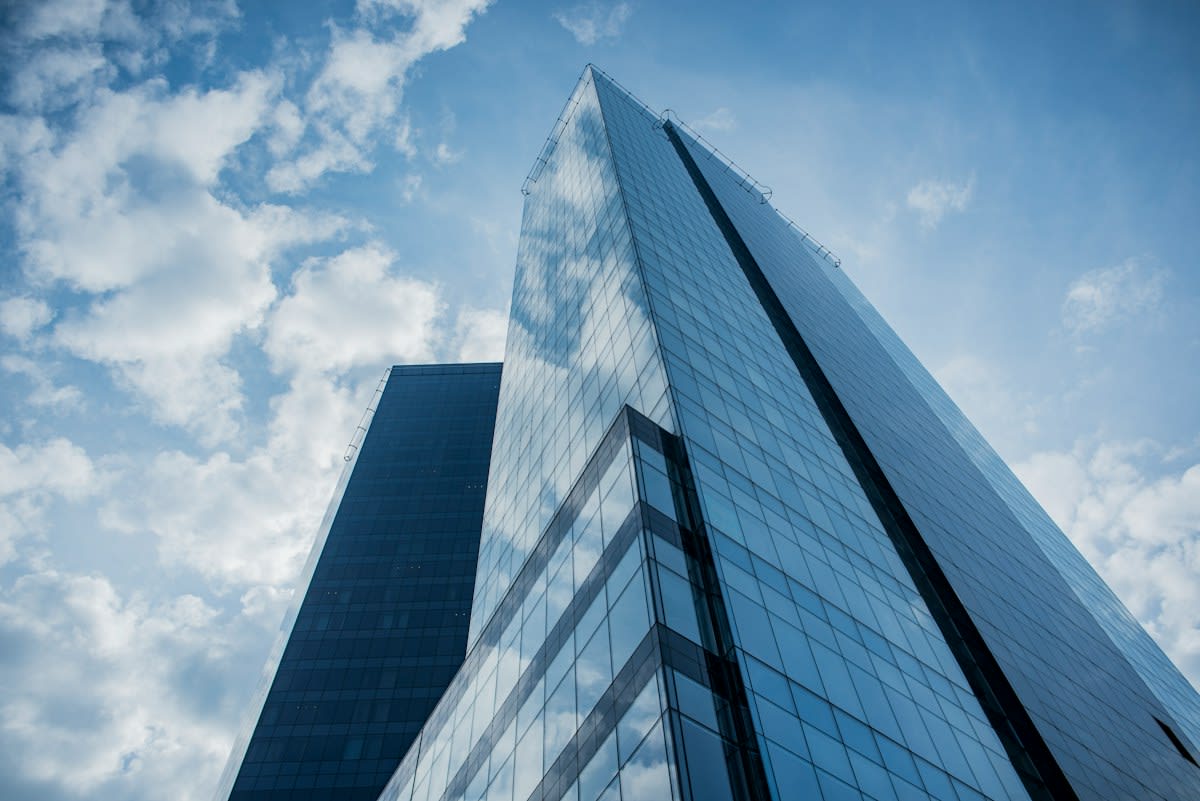
This shift changes the math for developers in hubs like Seoul and Shenzhen. When the facade becomes the generator, the ROI on a building's skin flips. We are seeing a move toward integrated quantum dot coatings that function as both a solar collector and a heat shield. By absorbing the infrared spectrum and converting it to electricity, these windows simultaneously lower the cooling load of the building (Source: Journal of Materials Chemistry, 2023). The energy win is double-sided: you generate power and stop the building from becoming an oven.
"The goal is no longer to make a solar panel that looks like a window. The goal is to make a window that happens to be a solar panel. Once we solve the stability of the nanocrystals under UV stress, the traditional power grid becomes a backup, not a lifeline."— Dr. Liang Chen, Senior Researcher at the National University of Singapore
But let's look at the second-order consequences. If every skyscraper in a district like Marina Bay starts generating its own baseload power, the local utility company's business model vanishes. We are talking about the sudden decentralization of the urban grid. This creates a systemic friction point: utilities will fight the building codes. They don't want 'energy-autonomous' zones because it kills their transmission revenue. Expect to see a wave of 'grid-stability' regulations designed specifically to throttle the adoption of integrated solar glass.
The Material Friction: The Ugly Reality of Production
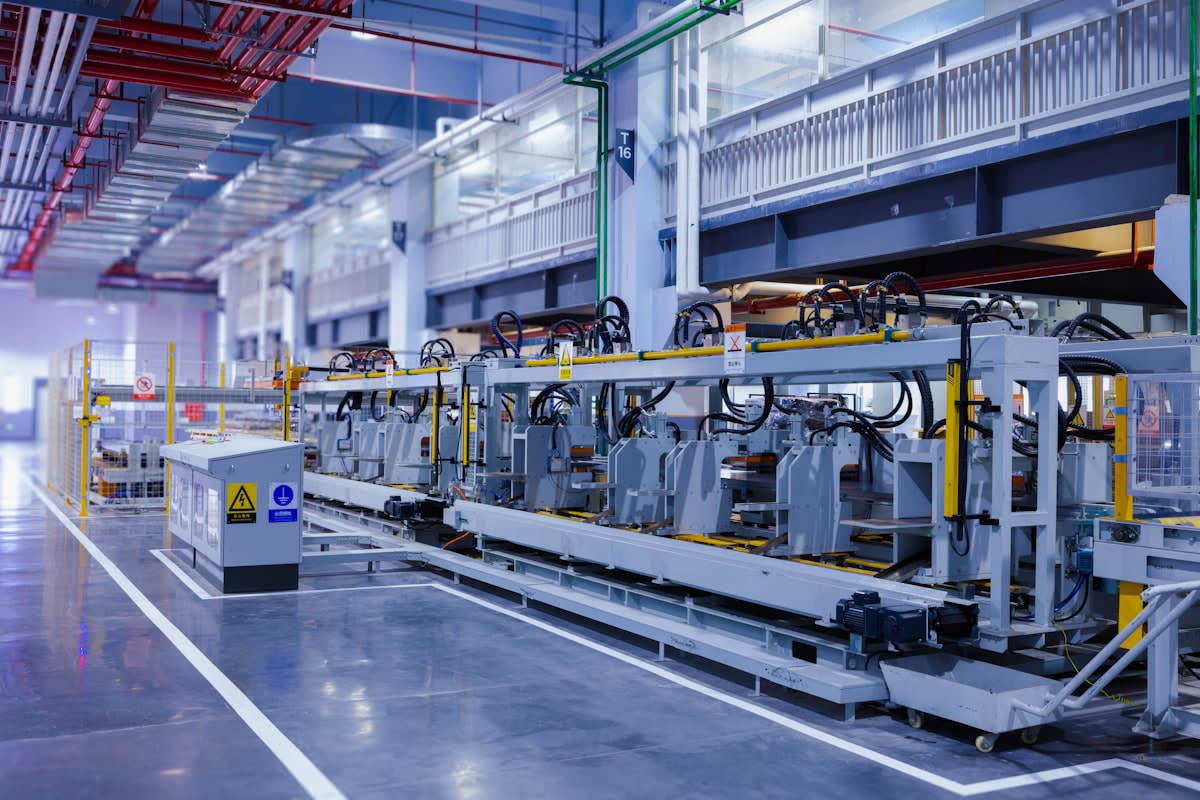
The white papers ignore the filth of the factory floor. Integrating quantum dots into float glass isn't a clean process. Most of the high-efficiency dots rely on cadmium or lead—materials that trigger every environmental red flag in the book (Source: Environmental Science & Technology, 2022). In the labs of KAIST in Daejeon, they are fighting to find non-toxic alternatives, but the efficiency drop is brutal. You can have a 'green' window that barely works, or a high-performance window that is technically a hazardous waste product if it shatters.
| Material Type | Transparency | Efficiency (LSC) | Toxicity Level |
|---|---|---|---|
| CdSe (Cadmium Selenide) | 70% | 11-14% | High |
| Perovskite QDs | 85% | 8-12% | Moderate |
| InP (Indium Phosphide) | 75% | 5-7% | Low |
Then there is the hardware failure. Ask any site engineer in Shenzhen about 'edge-coupling'. To get the light out of the glass and into the silicon cell, you need a perfect optical bond at the perimeter. In the field, thermal expansion and contraction rip those bonds apart. You end up with 'dark spots' where the energy simply leaks out of the glass. We are seeing prototypes that look perfect in a vacuum but fail within six months of exposure to actual monsoon cycles.
Third-Order Collapse: The Rare Earth Bottleneck
If this tech scales, the demand for Indium and Gallium will spike to unsustainable levels. These aren't just 'materials'; they are geopolitical levers. Most of the refining happens in a handful of facilities in China. If the world decides that every office window needs a quantum dot coating, we aren't just changing the grid—we're handing the keys of urban energy to whoever controls the rare earth mines. This is the hidden risk: shifting from a dependence on fossil fuels to a dependence on a fragile, monopolized mineral supply chain (Source: International Energy Agency, 2023).
The final friction is the legal loophole. Building codes are written for 'passive' materials. When a window becomes a power plant, does it count as an electrical appliance? Does it require a different fire rating? In many jurisdictions, the answer is 'we don't know'. This creates a vacuum where only the most aggressive developers take the risk, often bypassing safety protocols to hit 'Net Zero' marketing targets. We are heading toward a scenario where the first generation of integrated solar glass becomes a liability nightmare for insurance companies.
Intelligence Summary
The transition from passive to active glass is not a simple upgrade; it is a fundamental restructuring of the urban energy economy. The winners won't be the companies making the best dots, but the ones who solve the edge-coupling durability and navigate the regulatory minefield of 'active' building materials.
Fact-Check & Accuracy Note
Settled: Quantum dots successfully concentrate light via LSCs. Debated: The long-term UV stability of these dots in high-exposure environments. Unsettled: The feasibility of non-toxic, high-efficiency alternatives to Cadmium-based dots at industrial scale.