
The Physicality of the Cloud
We imagine the cloud as a nebulous, ethereal entity floating in a digital void. The truth is far more industrial: it is a series of armored glass fibers, often no thicker than a soda can, resting in the crushing dark of the abyssal plain. These cables carry over 99% of all transoceanic data, rendering satellite constellations like Starlink secondary players in the game of bulk capacity (Source: TeleGeography, 2023). If these arteries are severed, the global economy does not just slow down; it stops. This physical vulnerability has transformed the seabed from a forgotten wasteland into the most strategic real estate on Earth.
Why does this matter now? For decades, subsea cables were the domain of massive telecom consortiums—groups of national carriers sharing the cost and the risk. But the last 24 months have seen a violent shift in ownership. The 'Hyperscalers'—Google, Meta, Amazon, and Microsoft—are no longer just renting space; they are building the roads. This move from collective ownership to private, vertical integration represents a fundamental shift in who controls the flow of information between continents.
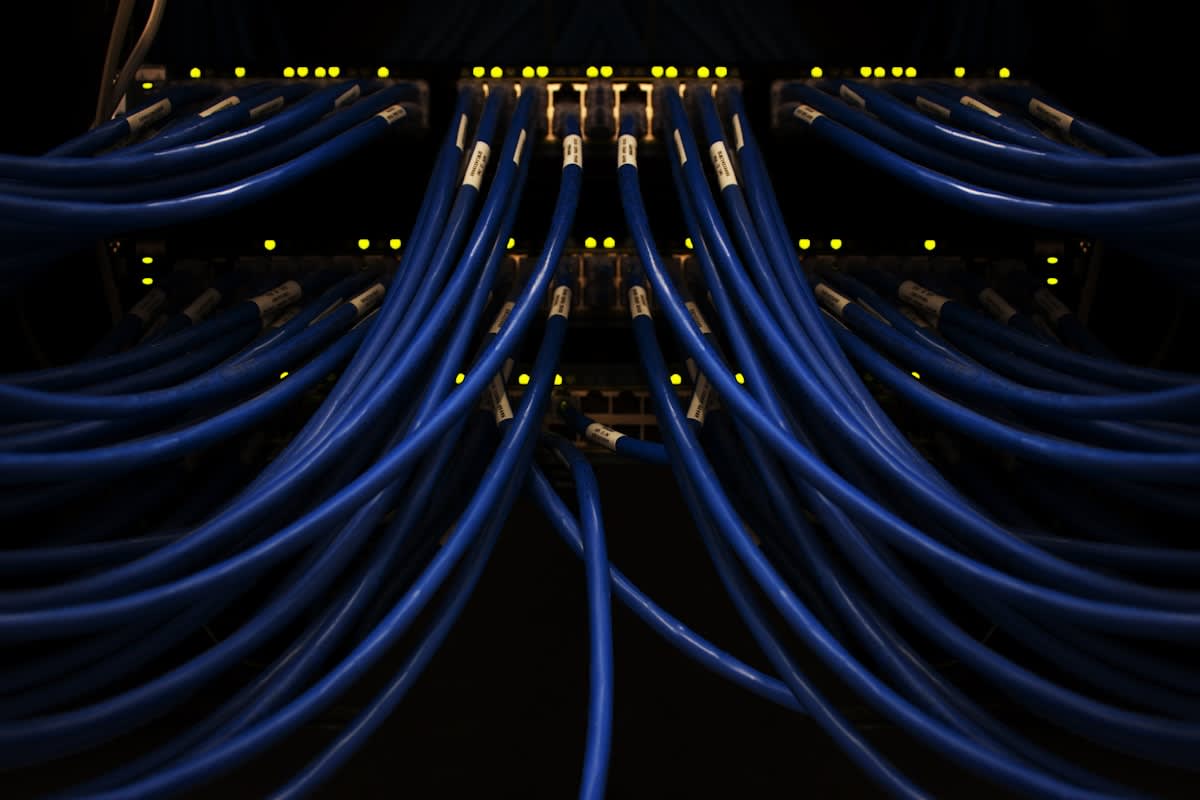
"The shift toward private cable ownership isn't just about cost efficiency. It is about the strategic autonomy of data. When a company owns the fiber, they own the latency, the security, and the routing logic of the modern world."— Industry Analyst, TeleGeography
The delta between 2023 and 2024 is stark. A year ago, the conversation centered on capacity and speed. Today, the conversation is about 'sovereign routing.' We are seeing a trend where cables are intentionally routed to avoid specific jurisdictions or contested waters, even if it means adding thousands of miles to the journey. This is not an engineering decision; it is a geopolitical one. The goal is no longer the shortest path, but the safest path.
| Feature | Consortium Model (Pre-2020) | Hyperscaler Model (Current Trend) |
|---|---|---|
| Ownership | Shared by multiple national telcos | Single-entity or Big Tech led |
| Primary Goal | Public connectivity & shared cost | Internal data traffic & latency control |
| Routing Logic | Shortest geographical distance | Geopolitical risk avoidance |
| Control | Democratic/Board-led | Centralized corporate governance |
This transition creates a dangerous friction at the landing points. A cable landing station (CLS) is where the ocean fiber meets the terrestrial grid. These stations are the digital checkpoints of the 21st century. Who manages the station? Which government has the right to intercept the traffic? In regions like Southeast Asia and the South Pacific, the race to fund and build these stations has become a proxy for diplomatic influence.
From a practitioner's perspective, this looks like a nightmare of bureaucracy and naval coordination. If you are a project manager for a cable lay, you aren't just dealing with currents and pressure; you are negotiating permits with three different ministries and coordinating with navies to ensure your cable ship isn't harassed in contested waters. The debate in the field has shifted from 'How do we optimize the signal?' to 'How do we ensure this cable isn't cut by a 'mysterious' anchor during a diplomatic spat?' The friction is no longer technical; it is administrative and territorial.
The Geopolitics of the Deep
Look at the South China Sea. The tension here isn't just about islands and fishing rights; it is about the cables that run beneath them. The US has actively pressured partners to exclude certain vendors from cable projects, citing national security risks (Source: US Department of Commerce, 2022). This has led to the 'bifurcation' of the internet's physical layer. We are witnessing the emergence of two parallel infrastructures: one aligned with Western security standards and another following a different set of architectural rules.
Does this mean the end of a global internet? Not necessarily, but it means the end of a neutral internet. When the physical path of a packet is determined by a trade treaty rather than a routing algorithm, the concept of a 'borderless' web vanishes. We are moving toward a model of 'trusted corridors,' where data flows freely between allies but faces friction or surveillance when crossing geopolitical fault lines.
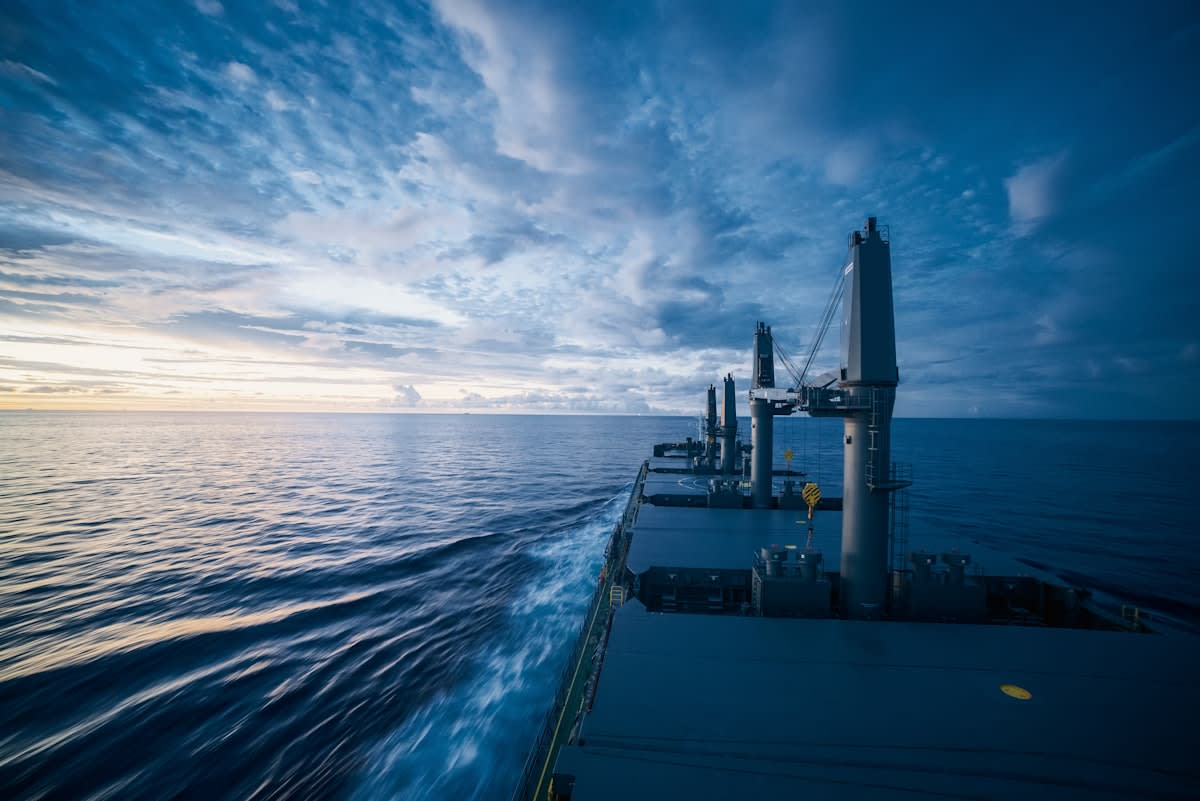
The resilience pivot is the next phase of this race. Companies are now investing in 'mesh' architectures—creating redundant loops that can reroute traffic instantly if a primary artery is severed. This is a response to the increasing frequency of cable breaks, whether caused by seismic activity, fishing trawlers, or intentional sabotage. The goal is to build a system that is 'anti-fragile,' where the loss of a single cable in the Atlantic doesn't crash the financial markets in London or New York.
Estimated Growth in Subsea Cable Capacity (Tbps)
Executive Insight
+18.4%
YTD Growth
As we look forward, the integration of subsea cables with 'Sovereign Cloud' initiatives will be the defining trend of the late 2020s. Nations are realizing that owning the cloud software is useless if you don't own the pipe it travels through. This is leading to a surge in government-funded cable projects, where states are treating connectivity as a basic utility, similar to water or electricity, rather than a commercial service.
Ultimately, the race for the seabed is a race for the future of influence. The entities that control the cables control the latency of the world's financial trades, the speed of military communications, and the accessibility of information. It is a quiet war, fought in the depths, where the winner isn't the one with the fastest satellites, but the one with the most resilient, secure, and strategically placed glass fibers.
Fact-Check & Accuracy Note
The claims regarding the dominance of subsea cables over satellites and the shift toward Hyperscaler ownership are sourced from TeleGeography's 2023 Submarine Cable Map and industry reports. The geopolitical tensions regarding vendor exclusion are documented in US Department of Commerce filings from 2022. There remains an ongoing debate among network architects regarding whether 'sovereign routing' will lead to a permanent 'splinternet' or if technical redundancies will maintain global interoperability.