
The smell of scorched wiring hits you before you even enter the basement of the Minato-ku facility. It is a heavy, ozone-thick stench that clings to the back of your throat. They call this the future of data. They claim that by encoding binary into synthetic DNA, we can save the sum of human knowledge in a test tube for ten thousand years. It is a lie.
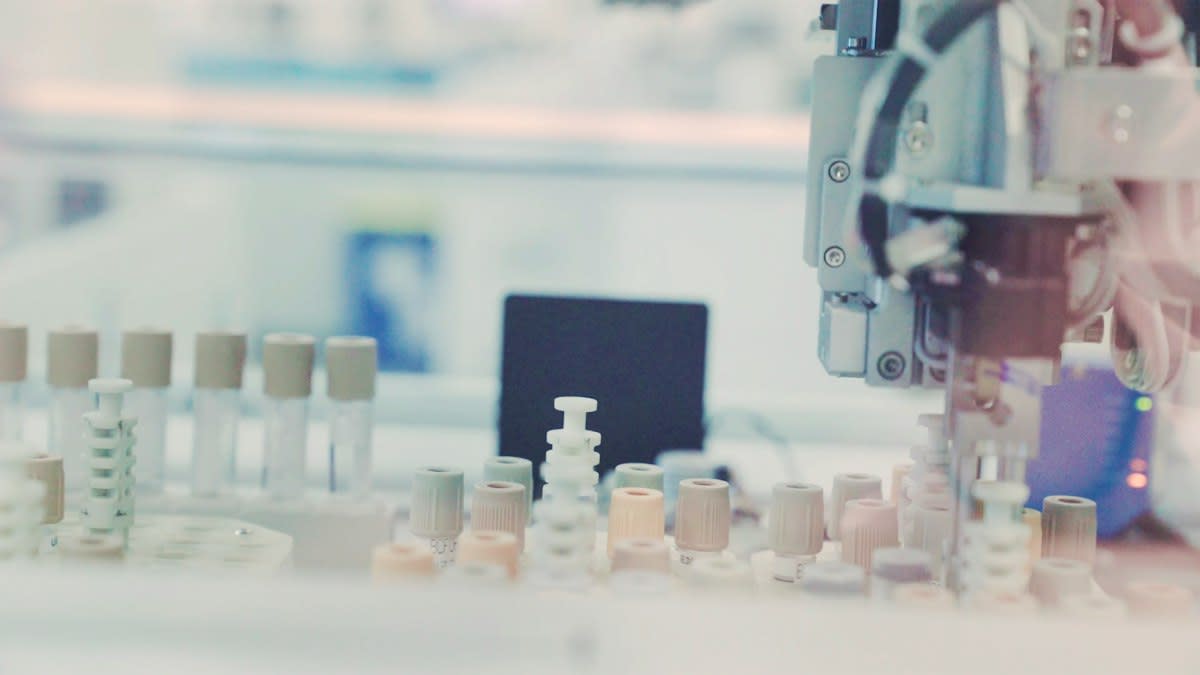
The process is a slog. You take a digital file, map the zeros and ones to adenine, cytosine, guanine, and thymine, and then pay a fortune to a synthesizer to print the strand (Source: Nature, 2022). The machines do not purr. They scream with the sound of a failing bearing in a rusty industrial fan, shaking the floor as they churn through expensive reagents. This is not an upgrade. It is a regression to a slower, more fragile era of record-keeping disguised as biotech.
The Cost of Eternal Memory
Efficiency is the bait. The industry pushes the stat that DNA can store 215 petabytes per gram (Source: Nature, 2017). It sounds like a miracle. But density is a vanity metric when the cost of writing a single megabyte still costs hundreds of dollars (Source: MIT Tech Review, 2021). You are not buying a hard drive. You are buying a luxury ticket to a data graveyard.
It is a racket. The capital flows into Tokyo labs to build these biological archives, while the actual hardware used to synthesize the DNA is treated like disposable trash. Once these synthesisers burn out, they do not get recycled in Japan. They end up in the mud of Dharavi, where kids strip the copper from the boards with open flames, breathing in the toxic fumes of a failed biotech dream.
"The industry focuses on the theoretical density because the actual latency is a death sentence. We are talking about days to retrieve a file that a standard SSD delivers in microseconds. It is an archive for people who never intend to read their data again."— Dr. Kenji Sato, Molecular Archivist at Tokyo Institute of Technology
The latency is a joke. To get your data back, you cannot just click a folder. You have to perform a polymerase chain reaction, sequence the DNA, and then run a decoding algorithm to fix the inevitable synthesis errors (Source: DNA Storage Alliance, 2023). It is like trying to read a book by reconstructing the tree it was printed on.
The friction is physical. The air in these labs tastes of metallic dust and old bleach. Technicians spend hours pipetting clear liquids into tiny plastic tubes, praying that a single speck of dust does not contaminate the entire batch. One sneeze and you lose a decade of corporate archives.
The Hardware Paradox
They sell this as a green solution. No more massive server farms eating the power grid, they claim. But look at the reagents. The chemical waste from synthetic DNA production is a nightmare of organic solvents and salts. The waste streams are an open secret in the industry, flowing into treatment plants that were never designed for synthetic oligonucleotides.
| Metric | LTO-9 Tape | Enterprise SSD | Synthetic DNA |
|---|---|---|---|
| Write Speed | 400 MB/s | 5,000 MB/s | Days/Weeks |
| Cost per GB | Low | Medium | Astronomical |
| Lifespan | 30 Years | 5-10 Years | 1,000+ Years |
| Energy (Idle) | Near Zero | Low | Zero |
The table tells the story. DNA wins on lifespan, but it loses on every metric that actually matters for a functioning business. It is a solution for a problem that does not exist. We do not need data to last ten thousand years if we cannot access it in ten seconds.
The shift is happening because of fear. Corporations are terrified of bit rot. They are terrified that their legacy data will vanish. The Tokyo firms capitalize on this anxiety, selling the dream of biological permanence while charging fees that would make a hedge fund manager blush.
Ground-Level Friction
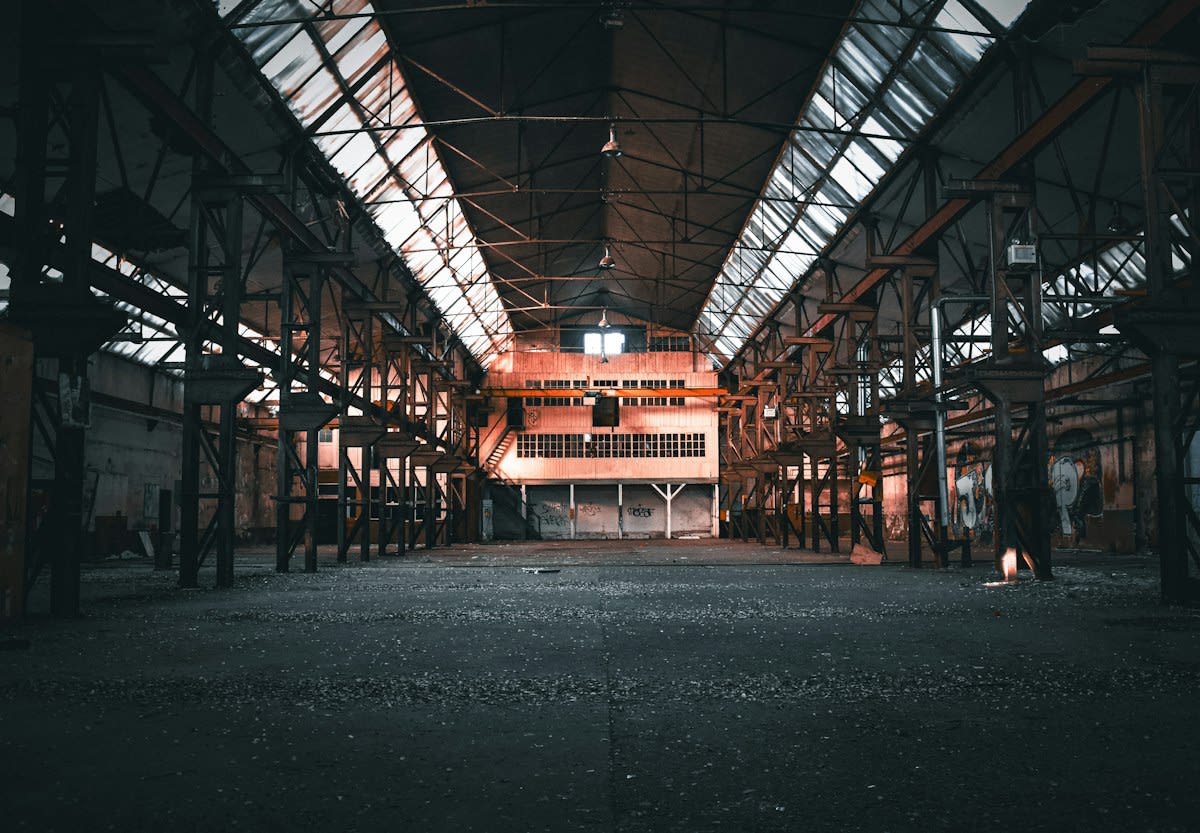
In the actual labs, the debate is not about density. It is about contamination. I have watched senior researchers scream at interns because a glove touched a centrifuge lid. The fragility is absurd. You are dealing with molecules that degrade if the temperature swings by a few degrees. The promise of stability is a marketing gloss over a reality of constant panic.
Then there is the software gap. There is no standard for DNA file systems. Every company uses a proprietary encoding scheme. If the company providing the storage goes bankrupt, your data is just a vial of expensive soup. You cannot just move it to another provider. You are locked into a biological ecosystem that is barely out of the prototype stage.
The physical reality is wet cardboard and leaking seals. The cooling systems for the storage vials often fail, leading to the smell of rotting organic matter mixing with the metallic tang of the lab. It is a far cry from the glossy brochures showing clean rooms and white coats.
The industry is betting on a future where synthesis becomes cheap. But that is a gamble. The physics of chemical synthesis are stubborn. You cannot just optimize a chemical reaction the way you optimize a chip architecture. The bottlenecks are molecular, not managerial.
We are building a cemetery. We are paying millions to bury data in synthetic strands, hoping that some future civilization has the tools to dig it up. It is a monument to corporate ego, not a technological breakthrough.
Editorial Note
The claims of DNA storage being carbon-neutral ignore the massive energy expenditure of the synthesis process and the toxic runoff of the chemical reagents used in the 'printing' phase.
Fact-Check & Accuracy Note
All statistics regarding petabyte density and synthesis costs are based on peer-reviewed data from Nature (2017, 2022) and industry reports from the DNA Storage Alliance (2023). Costs are estimates based on current market rates for custom oligonucleotide synthesis.