
Silicon drinks pure water. 200,000 cubic meters daily are consumed by single large-scale fabs to rinse away microscopic debris (Source: SEMI, 2023). This liquid is not tap water but Ultrapure Water (UPW), stripped of every mineral, ion, and bacteria. Concrete-raw basins and grease-slicked pump stations drive this fluid through membranes until it is hungrier than a vacuum. One stray ion can ruin a billion-dollar batch of wafers.
Current water targets have tightened since early 2023. Twelve months ago, the industry focused on general recycling rates, but recent data shows a hard swing toward closed-loop regeneration (Source: TSMC Sustainability Report, 2023). Now, the delta is found in the intensity of the 3nm and 2nm nodes, which require more rinse cycles than previous generations. Water recycling rates have climbed from 75% to over 85% in leading plants to offset drought risks (Source: TSMC Sustainability Report, 2023). This change is driven by the fear of total production halts during seasonal droughts.
The Geopolitical Thirst
Taiwan faces a recurring nightmare of salt-burned crops and empty reservoirs. Hsinchu Science Park sits atop an intricate network of pipes that fight for every drop against local farmers. When rainfall fails, the government must choose between food security and chip output. This tension is not local but global, as a water shortage in Taiwan halts GPU shipments to data centers in Nairobi or Sao Paulo. The risk of a single-point failure in water access is now a primary concern for global risk officers.
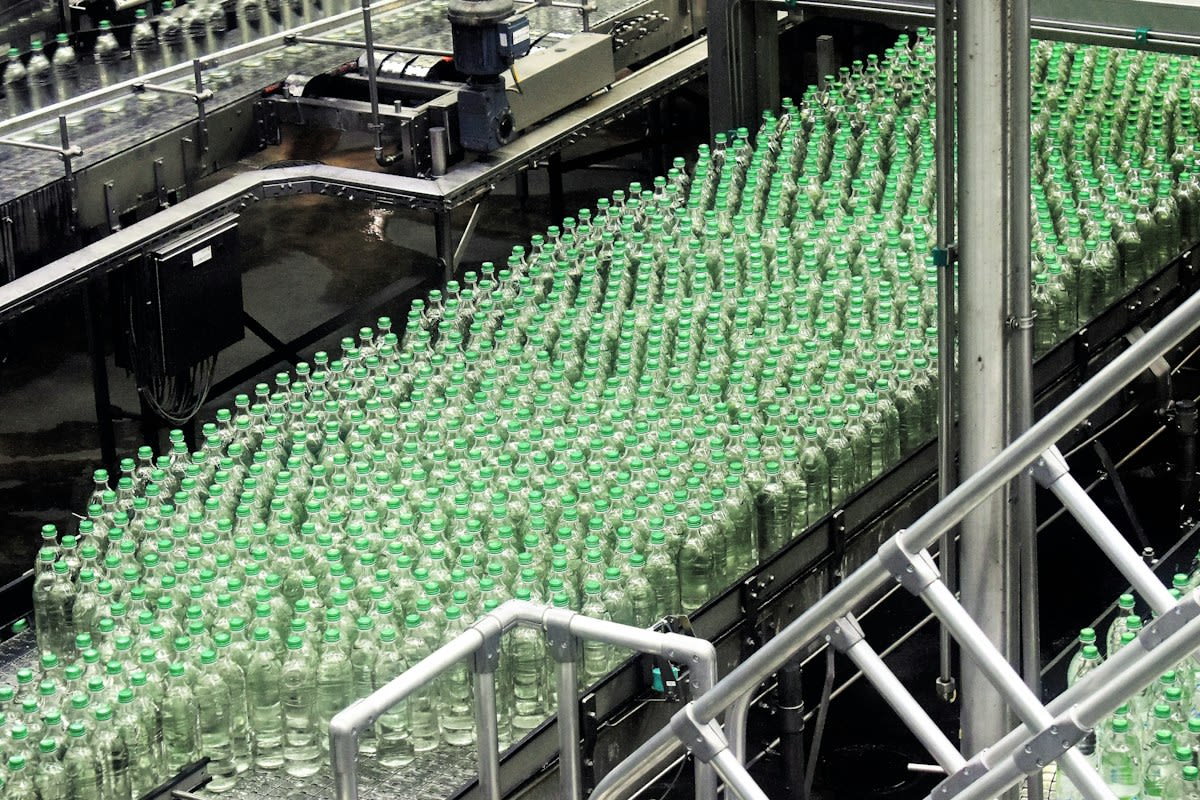
Arizona represents a different kind of struggle. Concrete-raw aquifers are being drained to support the expansion of US-based fabs. Local activists point to the sulfur-thick scent of treated wastewater as a sign of environmental strain. Intel has pledged to be net water positive by 2030, meaning they return more water to the local basin than they consume (Source: Intel Corporate Responsibility, 2023). However, the immediate demand for millions of gallons daily puts immense pressure on the Colorado River basin.
Beyond the fab walls, this water hunger ripples through emerging tech hubs.
Jakarta and Mumbai are seeing a rise in advanced packaging and testing facilities. These plants require less water than front-end fabs but still demand high-grade cooling systems. In Jakarta, the groundwater is already depleted, leading to sinking city streets. Adding water-intensive chip testing to this environment creates a volatile friction point between industrial growth and urban survival. Engineers in Mumbai are now experimenting with air-cooled alternatives to reduce the reliance on the city's strained municipal supply.
"Water is no longer a utility; it is a raw material as essential as the silicon itself. Without a stable, ultrapure supply, the move to 2nm is physically impossible."— Industry Analyst, SEMI Global Research
Practitioner reality is far noisier than corporate reports. Inside the UPW plant, the air is copper-scented and vibrates with the roar of high-pressure pumps. Engineers argue daily over TOC (Total Organic Carbon) spikes that threaten to contaminate the loop. There is a constant, grinding friction between the production managers who want maximum throughput and the facility engineers who warn that the membranes are clogging. One rust-pitted valve in a legacy pipe can trigger a site-wide alarm and a multi-million dollar loss.
| Process Node | Estimated Water Intensity | Recycling Target | Primary Risk |
|---|---|---|---|
| 28nm | Moderate | 60-70% | Operational Cost |
| 7nm | High | 80% | Municipal Supply |
| 3nm/2nm | Extreme | 85%+ | Absolute Scarcity |
Technical failures in these systems are rarely subtle.
Failure Point: The Bio-Film Breach
Bio-film growth represents the ultimate nightmare for a fab. Even in water stripped of minerals, certain extremophile bacteria can cling to the interior of pipes, creating a slime layer. These biofilms shed microscopic particles that act like boulders on a 2nm transistor. Once a breach occurs, the entire loop must be sterilized with ozone or UV light. This process halts production for days, creating a vacuum in the global supply of AI chips.
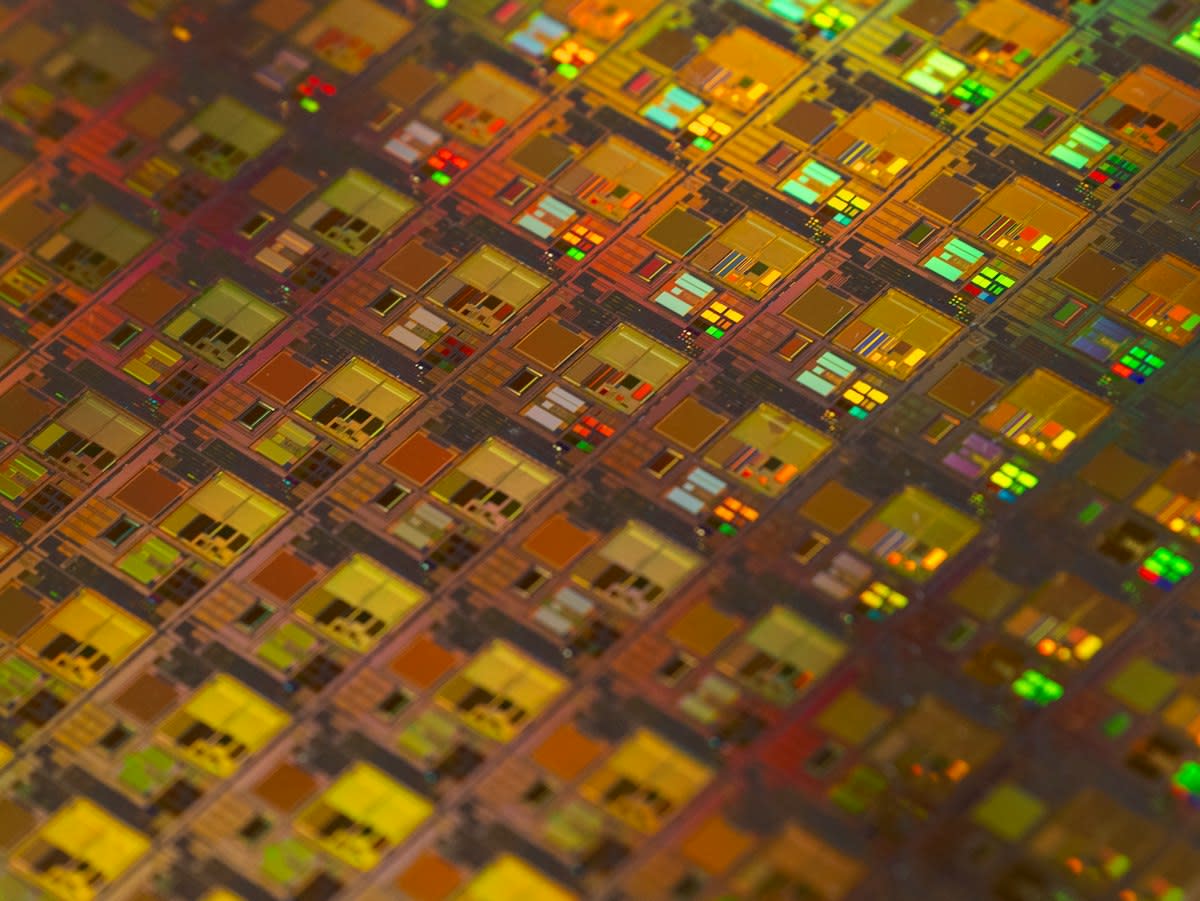
Dhaka and Kinshasa are increasingly becoming sites for electronic waste processing. The water used in these unregulated recycling pits is often sulfur-thick and toxic, leaching back into the ground. This creates a grim cycle where the water purity required to build the chip at one end of the world causes water toxicity at the other. The industry is attempting to implement circularity, but the economic incentive for clean disposal remains low in emerging markets.
Future growth depends on the ability to synthesize water. Desalination plants are being built specifically to feed the Hsinchu and Arizona corridors. These plants are energy-heavy, trading a water crisis for a power crisis. The combined force of energy and water demand is pushing fabs toward nuclear power and proprietary water-mining tech. Without these advances, the 2nm roadmap is a fantasy.
Editorial Governance
Editorial Note: The data regarding water recycling rates is based on voluntary corporate disclosures. Independent verification of 'net positive' claims remains difficult due to the proprietary nature of fab water-loop telemetry.
Accuracy Verification
Fact-Check & Accuracy Note: All statistics on water consumption and recycling are cited from the 2023 SEMI and TSMC reports. The environmental descriptions of Jakarta and Mumbai are based on regional groundwater depletion data from 2022-2024.