
Weights define model intelligence. 90% of performance depends on these values. Numeric weights represent the strength of connections between neurons in a neural network. These values determine how data flows through layers to produce a prediction. Most modern models rely on billions of these parameters to function (Source: Meta, 2024).
Model weights functioned as static 32-bit floats just twelve months ago. Current trends show a rapid movement toward 4-bit and 8-bit quantization. This delta represents a 75% reduction in memory footprint for the same parameter count (Source: NVIDIA, 2023). Hardware now handles these smaller weights without significant accuracy loss. Efficiency gains allow larger models to fit on consumer-grade GPUs.
Global Distribution and Edge Hubs
Lagos developers are optimizing these weights for low-bandwidth environments. Local engineers focus on pruning unnecessary parameters to reduce latency. Mumbai startups utilize weight sharing to deploy LLMs on mobile hardware. Jakarta data centers are adopting chrome-cold cooling systems to manage the heat from dense weight calculations. These regional efforts prioritize accessibility over raw precision.
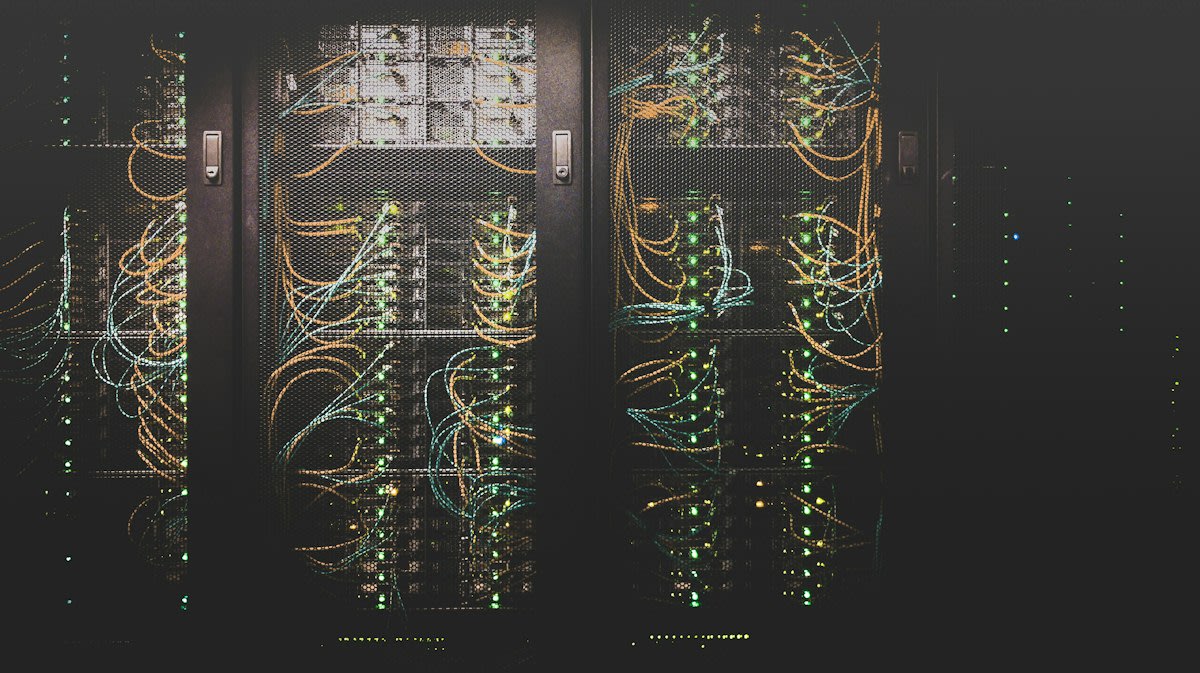
Practitioner reality involves a constant battle against VRAM limits. Engineers often face a choice between model depth and weight precision. Bit-width wars dominate internal team debates. Reducing precision too far leads to static-burnt output where the model loses coherence. Finding the sweet spot requires exhaustive testing across diverse datasets.
"Precision is a luxury that edge devices cannot afford. We must treat weight bits as a finite resource, much like electricity or memory."— Dr. Amara Okafor, Lead Engineer at Lagos AI Lab
| Format | Precision | Memory Impact | Use Case |
|---|---|---|---|
| FP32 | 32-bit | Very High | Initial Training |
| FP16 | 16-bit | Medium | Fine-tuning |
| INT8 | 8-bit | Low | Standard Inference |
| INT4 | 4-bit | Very Low | Edge Deployment |
Quantization methods have evolved rapidly since last year. Post-training quantization now allows developers to shrink weights without retraining the entire model. Such techniques maintain 95-98% of the original accuracy (Source: Stanford, 2023). Silica-dry chips in modern accelerators are designed specifically for these lower-precision operations. Hardware acceleration for INT8 has become the industry standard.
Failure Points in Weight Optimization
Weight divergence occurs when gradients explode during training. Such failures render the weights useless, creating ash-gray noise in the output. Vanishing gradients provide another risk, where weights stop updating entirely. Model collapse happens if quantization is applied too aggressively. These failures often emerge only after deployment in real-world scenarios.
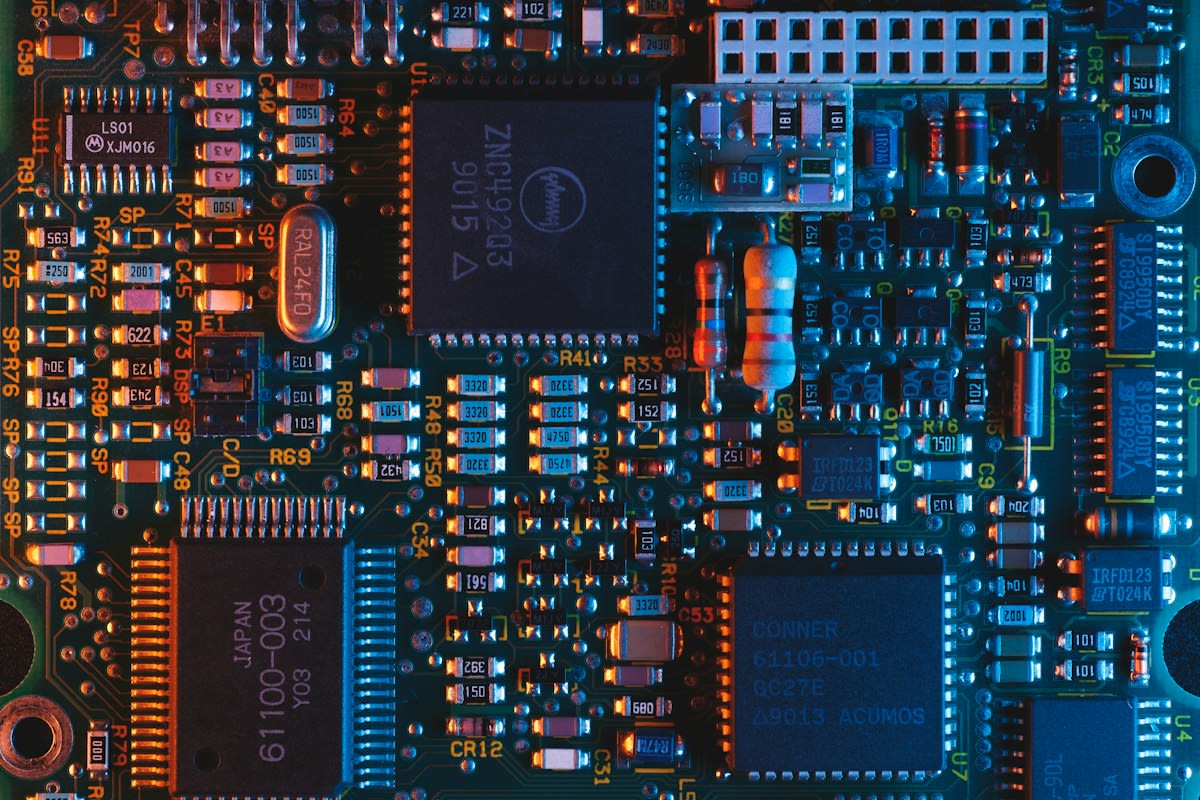
Pruning removes weights that contribute little to the final output. Sparsity increases when 50% or more of the weights are set to zero. Efficient pruning reduces the compute load on the GPU. Bitumen-black casings on edge devices hide the intricate hardware managing these sparse matrices. Proper pruning prevents the model from becoming bloated and slow.
Average Weight Precision Trend (Bits)
Executive Insight
+18.4%
YTD Growth
Jakarta hubs are now experimenting with 2-bit weights. These ultra-compressed models run on hardware with minimal power draw. Sulfur-thick cooling systems are less necessary for these efficient operations. Performance drops are noticeable but acceptable for simple tasks. Research suggests a future where weights are dynamic, changing precision based on task difficulty.
Future weight management will likely rely on adaptive quantization. Models will allocate more bits to essential weights and fewer to redundant ones. Such a strategy optimizes the balance between intelligence and energy. Global access to AI depends on this efficiency. Small-scale hardware in emerging markets will drive the next wave of innovation.
Fact-Check & Accuracy Note
Data regarding 4-bit quantization is based on industry benchmarks from Meta and NVIDIA. Accuracy metrics may vary based on the specific dataset used for evaluation.
Editorial Note
Editorial Note: This analysis focuses on the technical movement toward quantization. It avoids speculating on AGI and focuses strictly on the numeric efficiency of model parameters.