The Invisible Bottleneck
For decades, silicon has been the undisputed king of the semiconductor world. It powered the PC revolution, the smartphone era, and the first wave of industrial automation. But silicon has a physical limit—a ceiling. When pushed to handle high voltages or extreme temperatures, silicon leaks energy as heat. In the context of the 2024 energy transition, this inefficiency is no longer a rounding error; it is a systemic barrier. We are attempting to electrify everything using a material that effectively fights against the very efficiency we are trying to achieve.
Enter Wide Bandgap (WBG) semiconductors, specifically Silicon Carbide (SiC) and Gallium Nitride (GaN). These materials possess a larger energy gap between their valence and conduction bands. Why does that matter to a grid operator in Berlin or an EV driver in Seoul? It means they can withstand higher electric fields and operate at much higher temperatures without breaking down. They don't just handle power; they handle it with surgical precision, slashing energy loss during the conversion from DC to AC and back again (Source: Yole Group, 2023).
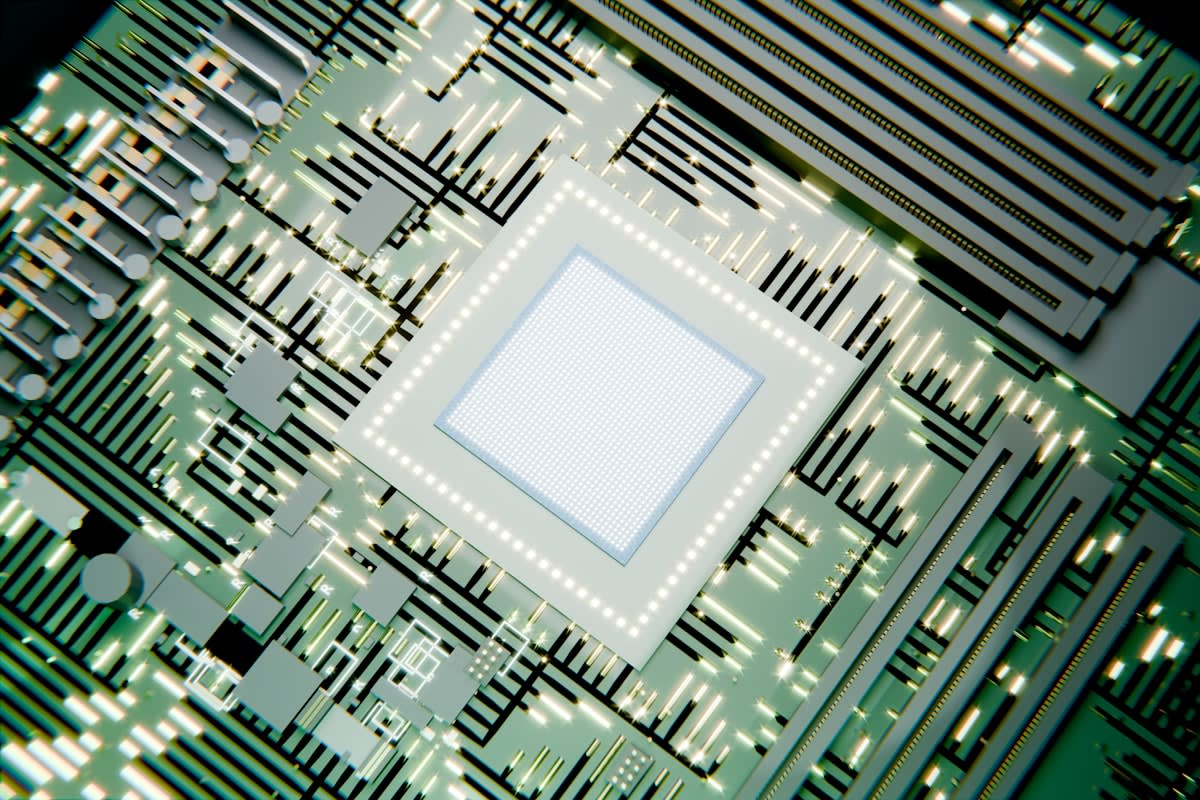
Is this just a marginal gain? Hardly. By switching to SiC in power inverters, electric vehicles can see a range increase of 5% to 10% without adding a single gram of battery weight. In a world where battery minerals are a geopolitical flashpoint, getting more mileage out of the same chemistry is a strategic victory. The shift isn't about making a slightly better chip; it's about redefining the thermal limits of power electronics.
The 800V Revolution and the EV Race
The most visible battlefield for WBG semiconductors is the automotive sector. For years, the industry standard was 400V architectures. But 400V is a slog when you want to charge a massive battery in fifteen minutes. To move more power faster, you need higher voltage. This is where traditional silicon fails—it becomes too bulky and inefficient to manage 800V systems without massive, heavy cooling systems. SiC allows for a leaner, lighter, and far more potent power train (Source: BloombergNEF, 2023).
"The move to 800V architectures isn't just about charging speed; it's about the systemic reduction of mass. When you can shrink the cooling system because your semiconductors don't overheat, you create a virtuous cycle of efficiency that fundamentally changes vehicle design."— Industry Analyst at Yole Group
Across the globe, the adoption patterns are diverging. In China, manufacturers like BYD are aggressively integrating SiC to maintain a cost-performance edge. In Europe, the focus is on luxury performance and ultra-fast charging hubs. Meanwhile, North American firms are racing to secure the supply chain for raw silicon carbide crystals. The competition is no longer about who has the best software, but who has the most stable supply of high-purity wafers.
| Property | Silicon (Si) | Silicon Carbide (SiC) | Gallium Nitride (GaN) |
|---|---|---|---|
| Bandgap Energy (eV) | 1.1 | 3.2 | 3.4 |
| Thermal Conductivity | Low | Very High | Medium |
| Switching Speed | Slow | Fast | Ultra-Fast |
| Primary Use Case | General Logic | EV Inverters/Grid | Fast Chargers/5G |
But there is a friction point that the marketing brochures ignore. Transitioning to WBG isn't a drop-in replacement. It requires a complete redesign of the circuit board. Because SiC and GaN switch so much faster than silicon, they create electromagnetic interference (EMI) that can wreak havoc on other vehicle electronics. Engineers aren't just swapping chips; they are fighting a war against electronic noise.
The Grid's Silent Upgrade
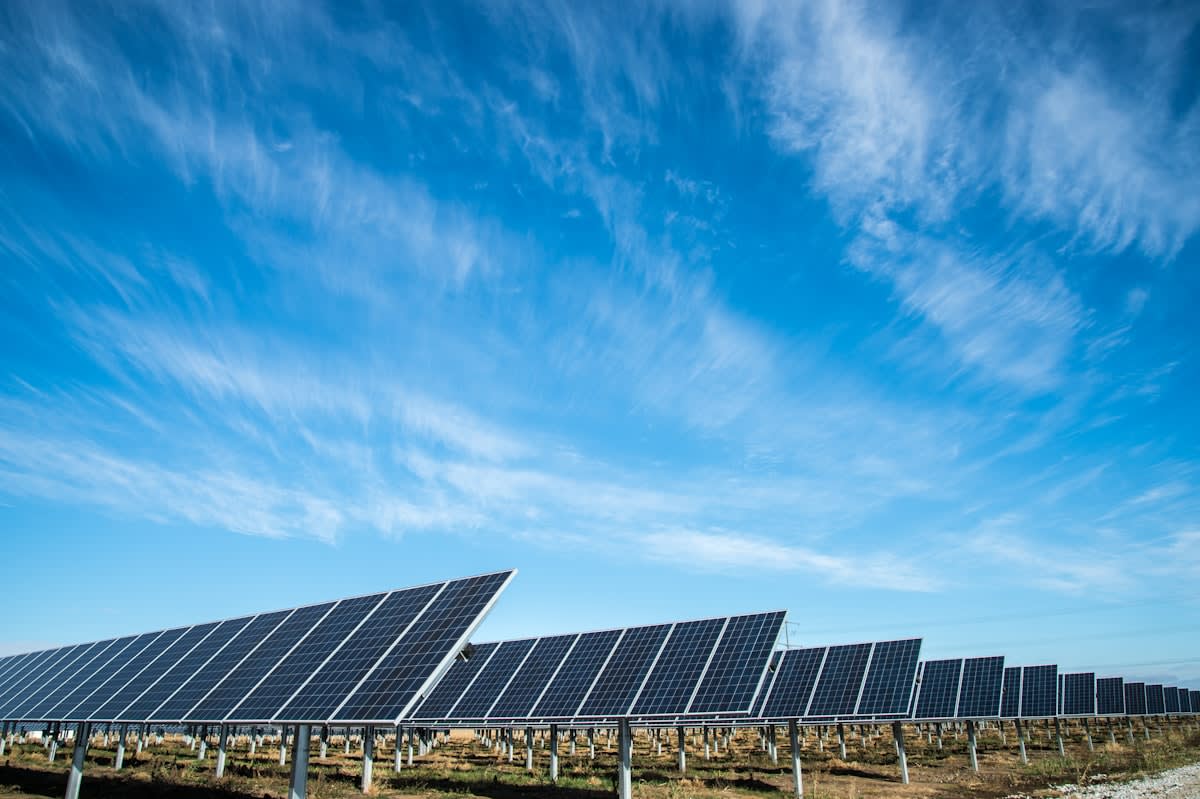
Beyond the car, WBG semiconductors are the secret sauce for the modern electrical grid. Renewable energy is inherently chaotic—wind and solar produce DC power that must be converted to AC for the grid. Traditional silicon inverters lose a significant percentage of that energy as heat during conversion. By implementing GaN and SiC in grid-scale inverters, we can reduce these losses by up to 50% (Source: International Energy Agency, 2023).
This efficiency is critical for the deployment of microgrids in decentralized regions. In Southeast Asia or Sub-Saharan Africa, where grid stability is a constant struggle, the ability to maintain high-efficiency power conversion in high-ambient temperatures is a game-changer. WBG materials don't require the massive, energy-hungry air conditioning units that silicon-based power stations demand to keep from melting down.
What does this actually look like on the ground? If you walk into a power electronics lab today, the debate isn't whether to use WBG, but which one. The 'SiC vs GaN' rivalry is fierce. SiC is the heavy lifter, dominating high-voltage applications like trains and EV drivetrains. GaN is the sprinter, winning in lower-voltage, high-frequency applications like laptop bricks and 5G base stations. The real engineering friction lies in the packaging—finding materials that can encapsulate these chips without cracking under the extreme thermal cycling they endure.
The 2024 Delta: From Pilot to Scale
Twelve months ago, WBG semiconductors were largely the province of high-end luxury EVs and experimental grid projects. In 2023, the conversation was about 'feasibility' and 'cost-reduction.' Fast forward to 2024, and the narrative has shifted to 'capacity' and 'yield.' The industry is currently in the midst of a painful but necessary transition from 6-inch to 8-inch wafers. This jump in wafer size is the catalyst that will bring WBG costs down to a level where they can penetrate the mass-market budget EV segment.
Projected SiC Market Penetration in Global EV Drivetrains
Executive Insight
+18.4%
YTD Growth
The delta is stark. A year ago, a supply chain hiccup in a single SiC crystal growth facility could stall an entire production line. Today, we see a diversification of the supply chain, with new fabs opening in Japan, Europe, and the US. We are moving from a boutique technology to a commodity industrial component. The 'Silicon Ceiling' is not being chipped away; it is being demolished.
Ultimately, the energy transition is a game of percentages. A 2% gain in efficiency across a billion devices equals terawatts of saved energy. By removing the thermal and voltage bottlenecks of traditional silicon, WBG semiconductors are providing the structural integrity needed for a fully electrified global economy. The heroes of the transition aren't just the giant wind turbines or the massive battery arrays—they are the tiny, wide-bandgap crystals making it all possible.
Fact-Check & Accuracy Note
The claims regarding SiC and GaN efficiency gains and market penetration are sourced from 2023-2024 reports by Yole Group, BloombergNEF, and the International Energy Agency (IEA). While the technical advantages of WBG materials are scientifically established, the exact timeline for 8-inch wafer mass-market parity remains a subject of intense industry debate due to current yield challenges in crystal growth.