The Great Recalibration
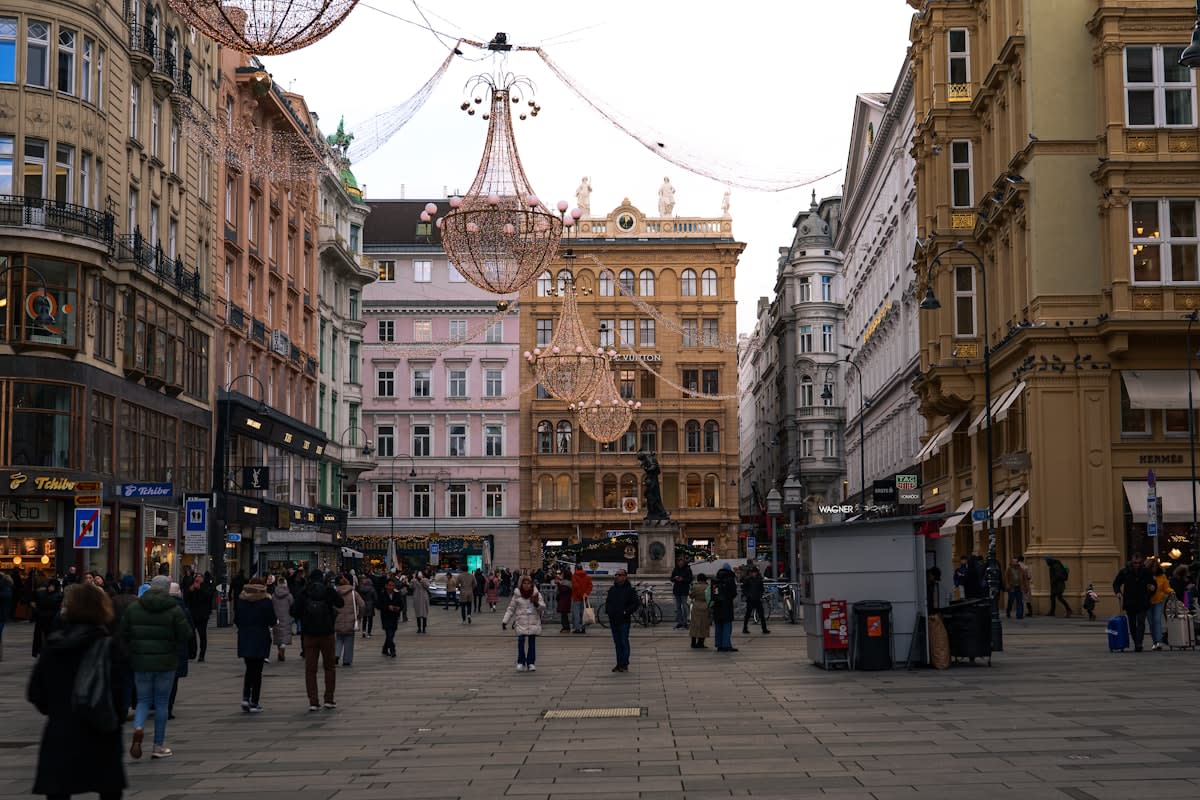
For decades, the global city operated on a simple, aggressive growth logic: more visitors equaled more prosperity. This era of unrestricted expansion treated tourism as a tide that lifted all boats, ignoring the structural erosion occurring beneath the surface. Now, the tide has turned into a flood, and cities are realizing that the very infrastructure designed to welcome the world has become a mechanism for displacing the local. We are witnessing a systemic shift where urban planners are no longer asking how to attract more people, but how to strategically design them out.
Barcelona serves as the primary case study for this trajectory. The city's transformation accelerated after the 1992 Summer Olympics, an event that functioned as a global advertisement, triggering massive investments in waterfront redevelopment and transportation. While these moves successfully established Barcelona as a premier destination, they also laid the groundwork for an unsustainable surge. By 2025, the city was receiving 16 million visitors, leading to a breaking point where the urban space became saturated with souvenir shops and phone case vendors, crowding out the essential services—like bakeries and bookstores—that make a neighborhood livable.
"We also believe that tourists will be more interested in a city where urban space isn’t entirely souvenirs, phone cases and kebabs."— Donaire, Barcelona Official
This is not merely a reaction to crowds; it is a strategic pivot toward a high-value visitor model. The goal is to replace the transient, low-spend beach and party tourist with the culture and business traveler. These visitors are viewed as financially and culturally sustainable, providing the necessary revenue without the same level of infrastructure degradation. By shifting the target demographic, cities are attempting to decouple economic gain from physical congestion, effectively creating a tiered system of access.
The Financial and Regulatory Moat
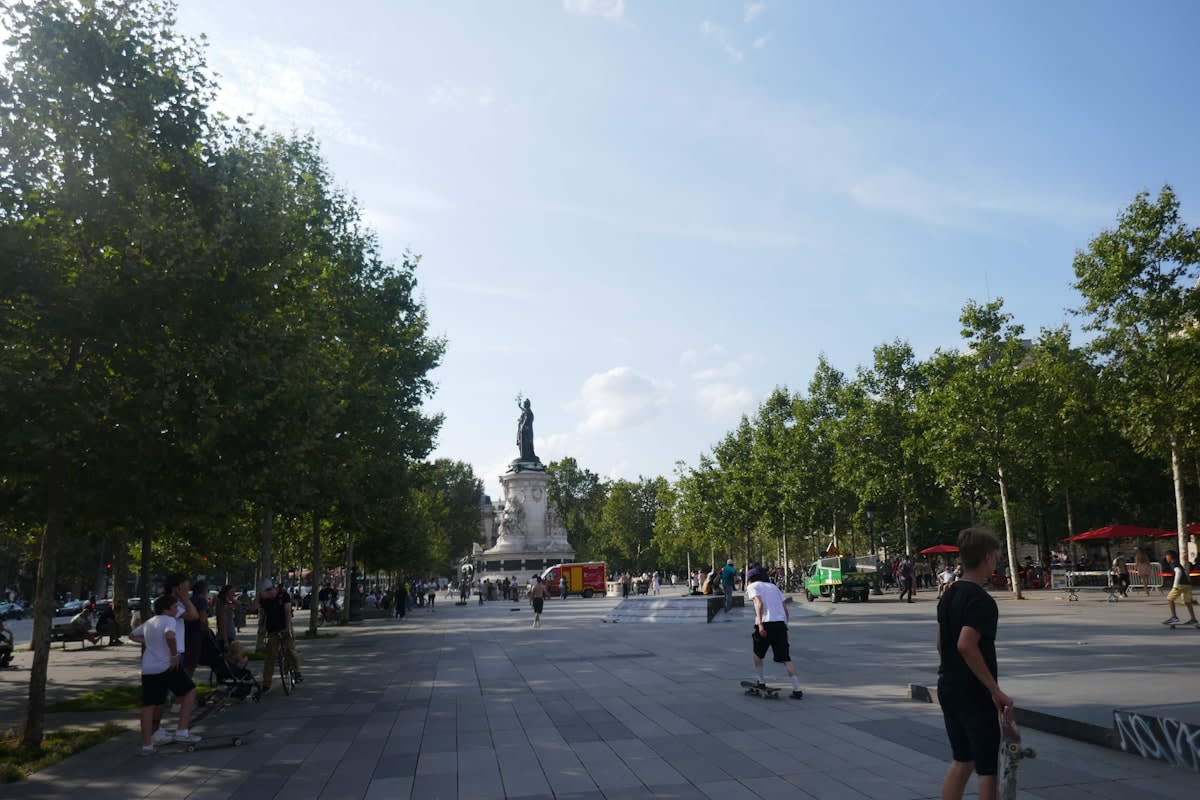
To achieve this curation, cities are building financial and regulatory moats. Tourist taxes, once a minor administrative fee, have evolved into a primary tool for demand management. By increasing the cost of overnight stays, cities like Amsterdam are creating a price barrier that filters out the budget-conscious mass tourist. This is paired with aggressive limits on new hotel construction, ensuring that the supply of visitor accommodation does not continue to cannibalize the housing stock available to permanent residents.
| City/Region | Primary Exclusion Tool | Target Outcome | Key Metric/Trigger |
|---|---|---|---|
| Barcelona | Visitor Caps & STR Regulation | Balance of Culture/Business | 16M visitors (2025) |
| Amsterdam | Stay Away Campaign & Hotel Limits | Reduction of Nuisance Tourism | Overnight Tax Increases |
| Balearic Islands | Visitor Caps | Resident Service Protection | 70% Resident Support |
| Venice | Day Visitor Limits | Crowd Management | Infrastructure Strain |
| Kyoto | Behavioral Regulation | Cultural Preservation | Visitor Conduct Issues |
The battle over short-term rentals (STRs) represents the most visceral part of this architecture. In the Balearic Islands, where Mallorca receives over 13 million annual visitors and Ibiza exceeds 3 million, the pressure on housing has reached a critical mass. Residents are no longer just complaining; they are actively sabotaging rental key boxes. The systemic response is a move toward stricter enforcement and the removal of illegal listings, shifting the priority of residential accommodation over visitor lodging in neighborhoods facing severe housing pressure.
- Rising rents driven by STR conversion
- Overstretched hospitals and public services
- Water shortages and waste management failures
- Loss of neighborhood-centric businesses
- Congested public transport and road networks
When we analyze these pressures, it becomes clear that the economic benefits of mass tourism are unevenly distributed. While international hospitality groups and cruise lines capture the bulk of the revenue, the local residents absorb the externalities. This imbalance is the catalyst for the current trend of exclusion. The objective is to transition to a model where fewer visitors stay longer and spend more with locally owned businesses, thereby reducing the environmental and infrastructure footprint.
The Psychology of Deterrence
Beyond taxes and laws, cities are experimenting with psychological deterrence. Amsterdam's Stay Away campaign is a theatrical but precise example of this strategy. By explicitly discouraging certain types of travelers—those characterized as bringing nuisance—the city is attempting to rebrand itself. It is a bold move that flips the traditional tourism script: instead of inviting the world, the city is telling a specific segment of the world to stay home.
This shift in communication signals a new era of urban pride that prioritizes the quality of life for the citizen over the experience of the guest. When a city tells tourists to stay away, it is asserting that its primary function is to be a place to live, not a theme park to be consumed. This psychological boundary is often more effective than a tax, as it alters the perceived desirability of the destination for the very people the city wishes to exclude.
This pattern is echoing globally. From Dubrovnik managing cruise arrivals to Santorini regulating passenger flow, the trend is a move toward a managed-access ecosystem. Even Kyoto is focusing on visitor behavior to protect its cultural integrity. These aren't isolated incidents of anti-tourism; they are a coordinated global shift toward sustainable urbanism. The goal is to ensure that the city remains a functional entity for its inhabitants while still capturing the economic upside of high-value tourism.
The Resilience Pivot
The shift from mass tourism to curated tourism is not an act of hostility, but a strategy for resilience. By limiting volume and increasing value, cities can protect their infrastructure and ensure that the local economy serves the residents first.
Ultimately, the architecture of exclusion is about reclaiming the right to the city. When 70% of Balearic residents support visitor caps, they are voting for a future where their hospitals aren't overstretched and their roads aren't permanently congested. The challenge for these cities will be to maintain this balance without completely pricing out the diversity that makes global hubs attractive in the first place. The transition from a wide-open door to a curated gate is a precarious one, but for many global cities, it is the only way to survive their own popularity.