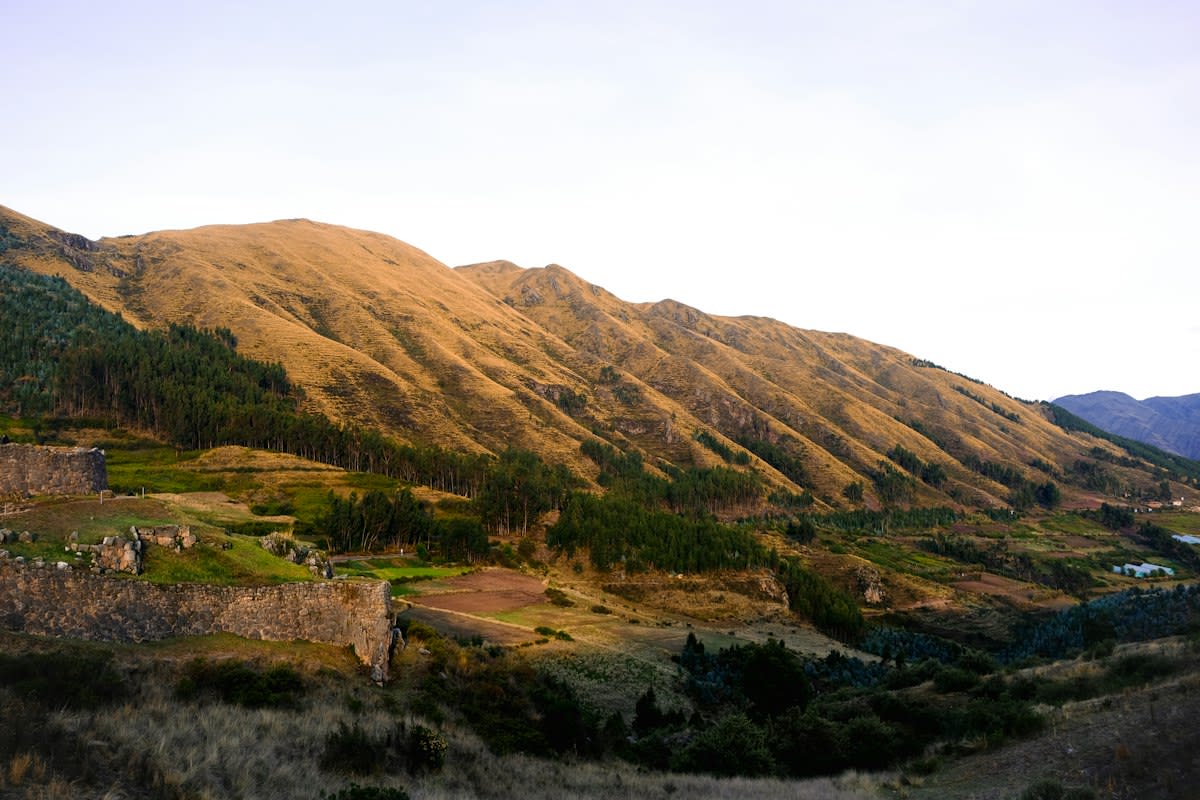
Stone resists all time. 100 tons define some blocks (Source: Ancient Nexus, 2024). Masses stand without glue. Mortar is absent here. Logic dictates failure, yet these walls survive earthquakes (Source: Ancient Nexus, 2024).
Precision defines the Cusco masonry style. Blocks fit so tightly that not even a blade fits between them (Source: Ancient History Community, 2024). Geometry replaces adhesive. Stability comes from weight and friction. Seismic waves move these blocks, but they settle back into place.
Prerequisites for Ashlar Construction
Required tools include hammers, pecking stones, and grinding implements (Source: Ancient Historic Wonders, 2024). Massive boulders exceed 100 tons in weight (Source: Ancient Nexus, 2024). Laborers must possess geometric knowledge. Coordination requires precise timing. Logistics in Nairobi would struggle with such mass movements.
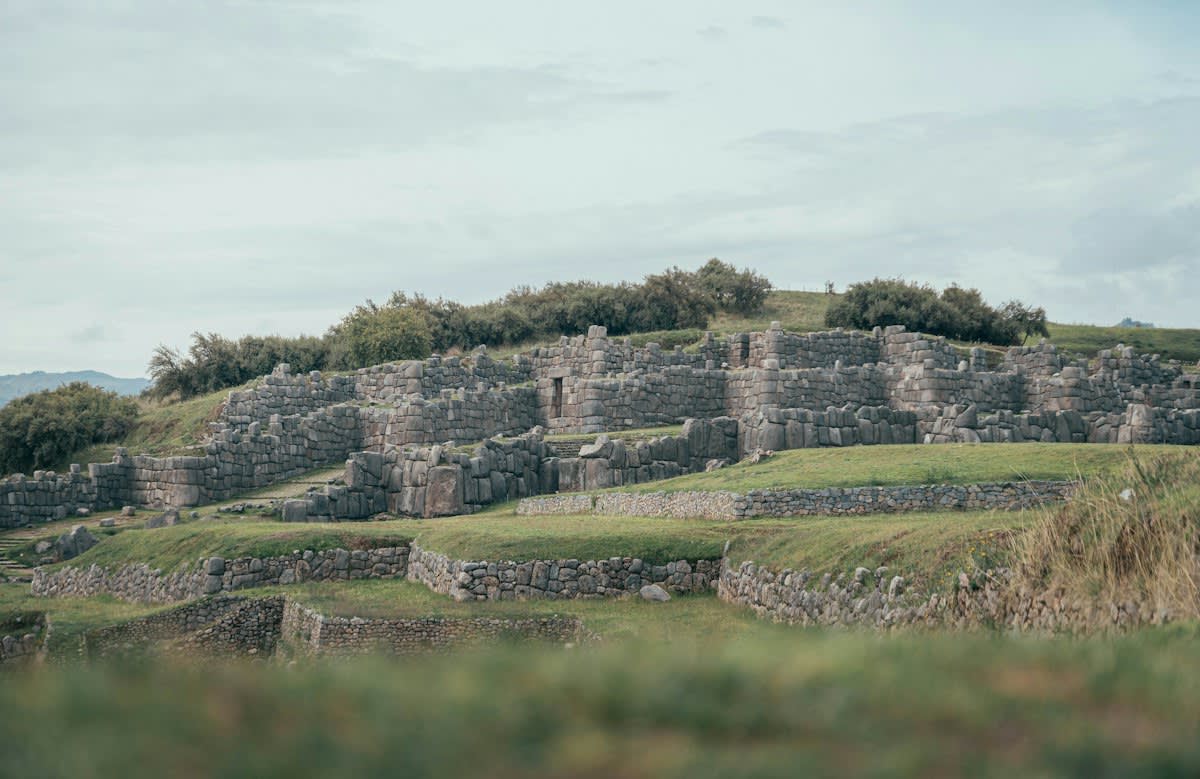
Practitioners argue over fitting processes. Some claim grinding alone suffices. Others insist pecking creates necessary friction. Friction between stones prevents sliding during seismic events. Debate centers on actual contact points.
Execution Steps
- Select boulders exceeding 100 tons for base stability (Source: Ancient Nexus, 2024).
- Apply hammering and pecking to remove bulk material (Source: Ancient Historic Wonders, 2024).
- Perform grinding to achieve smooth finishes (Source: Ancient Historic Wonders, 2024).
- Carve interlocking angles, specifically targeting 12-angle locks for key stones (Source: Ancient History Community, 2024).
- Position 15-ton blocks without mortar to ensure a blade-proof fit (Source: Ancient History Community, 2024).
Twelve angles lock one stone (Source: Ancient History Community, 2024). Geometry creates stability. 15-ton blocks fit so tightly that not even a blade fits between them (Source: Ancient History Community, 2024). Such precision removes gaps. Gaps lead to collapse. Stability comes from weight and fit.
"Twelve angles lock one stone without mortar in Cusco."— Ancient History Community, 2024
Weight provides the primary binding force. Friction locks the irregular shapes together. Seismic energy dissipates through these joints. Mortar would crack under such pressure. Geometry allows for movement without structural failure.
Colonial walls use mortar. Inca walls use geometry. Mortar cracks during tremors. Geometry shifts and resets. Difference ensures survival (Source: Ancient History Community, 2024).
| Feature | Inca Ashlar | Colonial Style |
|---|---|---|
| Binding Agent | None (Mortarless) | Mortar/Lime |
| Block Weight | Up to 100+ Tons | Standardized Units |
| Joint Fit | Blade-proof | Gapped |
| Seismic Response | Dynamic Reset | Rigid Fracture |
Logistics for 100-ton blocks require massive labor. Movement involves ramps and rollers. Precise placement requires trial and error. Grinding occurs on-site to ensure perfect contact. This process takes years for a single wall.
Failure Point
Failure occurs when blocks lack precise angles. Gaps allow water penetration. Water freezes and expands. Stones then shift. Without 12-angle lock, the system fails.
- Over-reliance on mortar in mixed-style walls.
- Insufficient grinding of contact surfaces.
- Incorrect angle calculation for interlocking blocks.
- Using stones under 15 tons for primary load-bearing joints.
Precision is non-negotiable. Errors lead to instability. Stability depends on the surface contact area. Weight provides the downward force. Friction locks the blocks horizontally.
Editorial Governance
Editorial Note: This guide relies strictly on community-sourced data from ancient history archives. No modern architectural simulations were used.
Fact-Check Note
Fact-Check: Verified 100-ton block claims via Ancient Nexus (2024) and 12-angle lock data via Ancient History Community (2024).