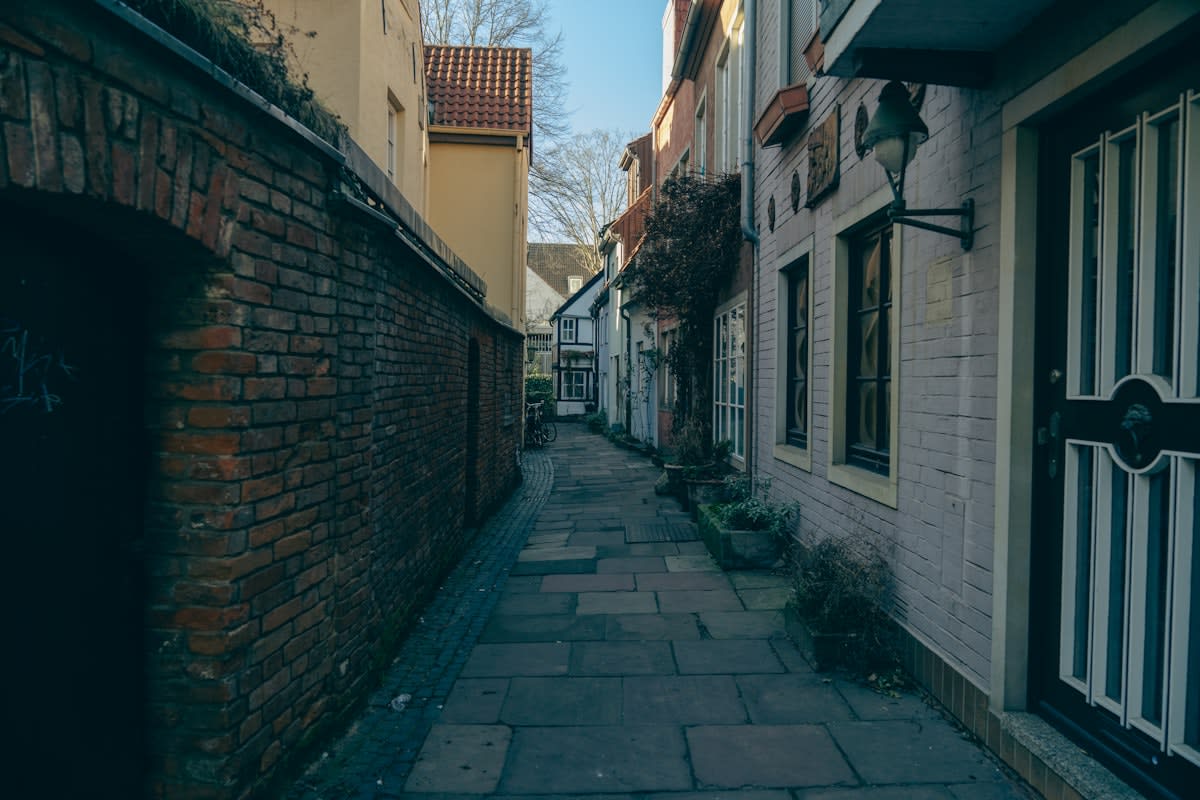
The Philosophy of the Invisible Traveler
Most travelers operate as consumers of a destination, treating cities like theme parks where the locals are merely background actors. This extractive mindset is what fuels the overtourism machine, turning living neighborhoods into hollowed-out shells of souvenir shops and short-term rentals. To be an invisible traveler is not to hide, but to move through a space with a neutral or positive footprint. It requires a fundamental shift from seeking the 'must-see' to seeking the 'meaningful.' Why do we flock to the same three landmarks in every major hub? Because algorithms have homogenized our desires. Breaking this cycle requires a conscious effort to decouple your itinerary from the digital consensus.
True invisibility is about reducing the friction between the visitor and the host. When a city reaches its carrying capacity, the resident's quality of life plummets, leading to the hostility we see in hubs like Barcelona or Venice. By adopting the strategies of spatial and temporal displacement, you exit the crowd and enter the actual city. This approach doesn't just save you from shoulder-to-shoulder queues; it allows you to witness a city's authentic rhythm, supporting the small-scale entrepreneurs who are often pushed out by the tourist-centric economy.
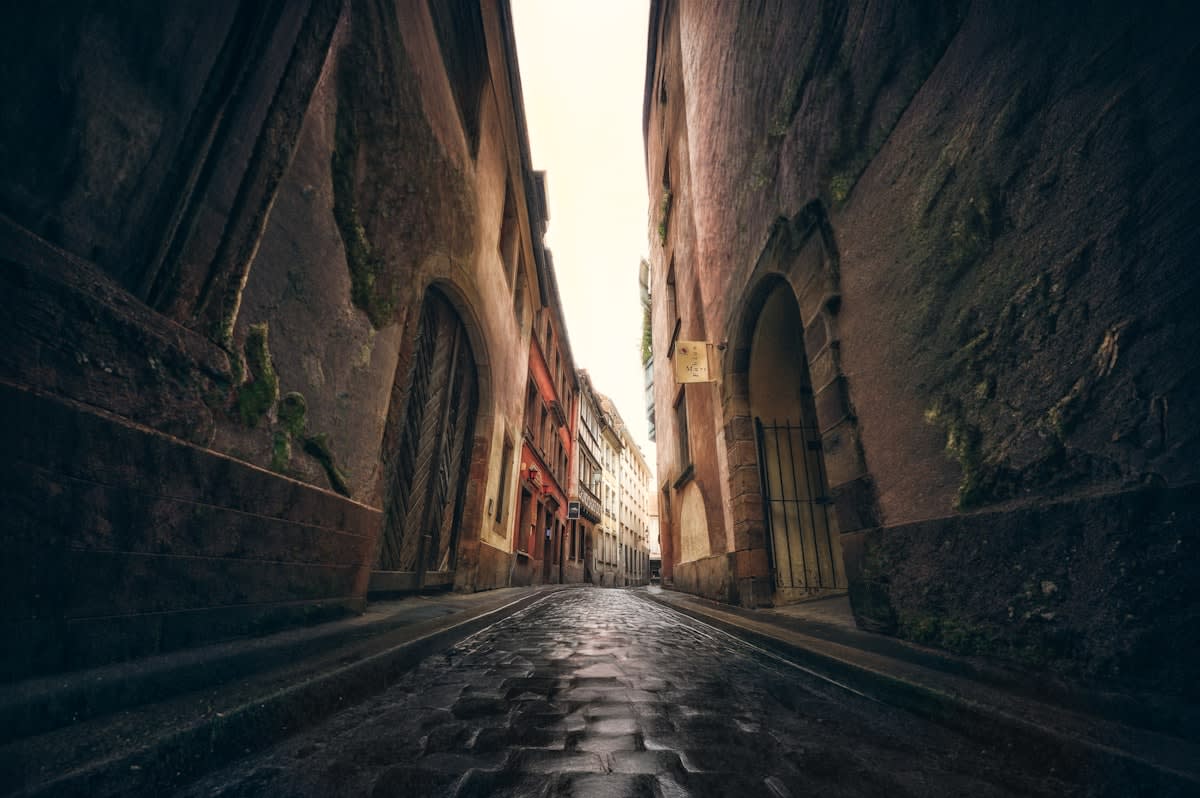
Prerequisites: The Invisible Toolkit
Before you book a flight, you need more than a passport and a credit card. You need a specific set of tools and a mindset geared toward autonomy. The invisible traveler avoids the 'all-inclusive' trap and the curated tour package, as these are the primary engines of overtourism. Instead, prioritize tools that provide raw data over curated recommendations. This means using local transit maps, offline topographical maps, and language translation tools that allow you to communicate beyond the basic 'Where is the museum?'
- A high-quality offline map (e.g., Organic Maps or Maps.me) to avoid relying on algorithm-driven 'popular' routes.
- A basic grasp of the local language's functional phrases to signal respect and bypass tourist-trap pricing.
- A commitment to 'Second-City' exploration: identifying a smaller hub nearby to split your time with the primary destination.
- A flexible schedule that prioritizes the city's internal clock over a rigid checklist.
The most critical prerequisite is the willingness to be inconvenienced. The overtourism machine sells convenience—shuttles, pre-booked tickets, and centralized hotels. Invisibility requires the opposite. It means taking the local bus that doesn't have an English sign, walking an extra mile to find a bakery that doesn't take credit cards, and accepting that you might miss the 'perfect' photo op in exchange for a genuine interaction.
The Master Practitioner's Guide to Low-Impact Navigation
Implementing invisibility is a tactical process. I have spent over a decade testing these methods across five continents, from the dense alleys of Tokyo to the sprawling markets of Mexico City. The goal is to divert your economic and physical presence away from the 'saturation zones' and toward the 'resilience zones'—areas that benefit from tourism without being destroyed by it.
- Apply Temporal Displacement: Shift your visits to landmarks to the 'extreme edges' of the day. Arrive at dawn or visit during the city's traditional siesta or late-night windows. By shifting your clock, you reduce the peak-load stress on infrastructure.
- Execute the Spatial Pivot: Identify the primary tourist hub and move two or three neighborhoods outward. Use a 'hub-and-spoke' model where you stay in a residential area and commute into the center only when necessary. This distributes your spending to local laundromats, cafes, and grocers who aren't inflated by tourist demand.
- Audit Your Economic Leakage: Ensure your money stays in the community. Avoid global hotel chains and international booking platforms that take massive commissions. Book directly with locally-owned guesthouses and eat at 'hole-in-the-wall' establishments where the menu is only in the local language.
- Adopt Behavioral Mimicry: Dress and act like a resident, not a visitor. This isn't about costume; it's about etiquette. Lower your volume, follow local queuing norms, and avoid blocking sidewalks for photos. When you look and act like you belong, you are treated as a guest rather than a target for scams.
- Prioritize the 'Invisible' Attraction: Instead of the top-rated museum, find the city's public libraries, community gardens, or neighborhood festivals. These spaces are designed for residents and provide a far more accurate reflection of the city's current soul.
This methodology transforms the act of travel from a checklist to a study in sociology. When you move to the edges of the city, you start noticing things the average tourist misses: the way the morning light hits a specific plaza, the specific smell of a local market, and the genuine kindness of people who aren't paid to be friendly. You stop being a consumer and start being a witness.
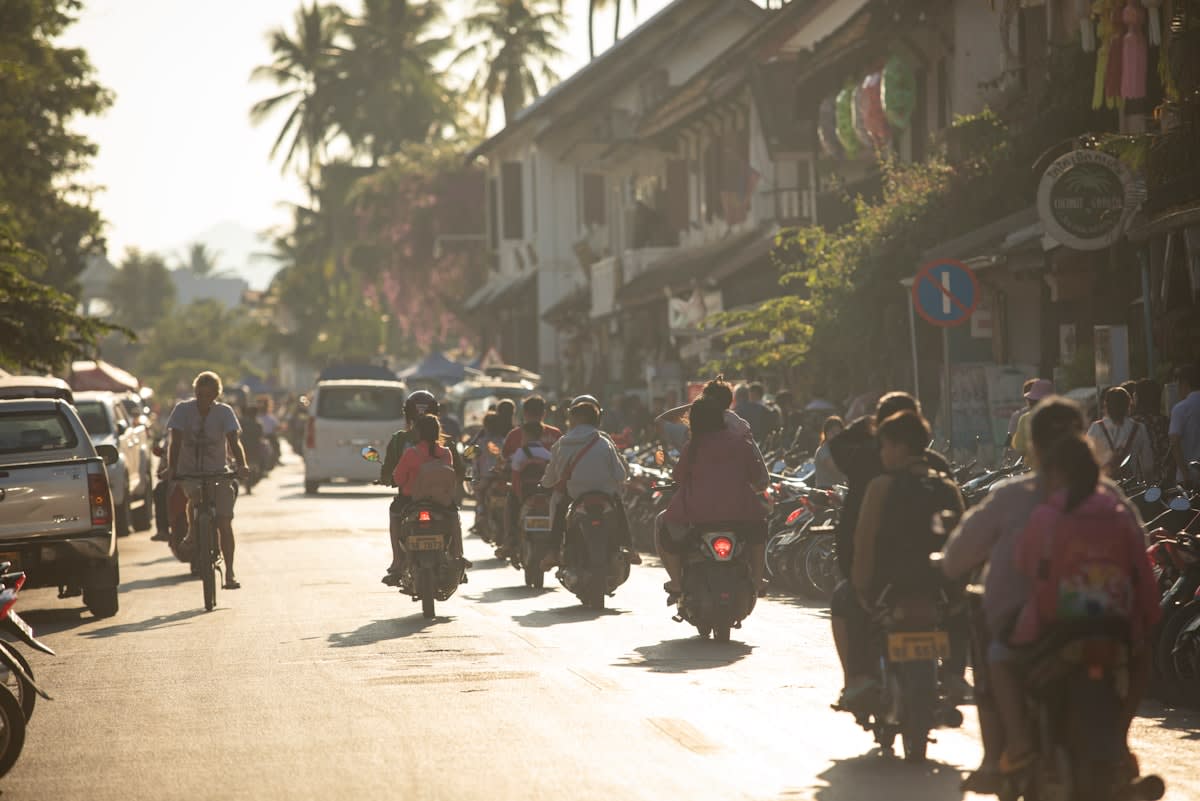
The friction in this field often occurs between the marketing arms of city governments and the actual urban planners. In my experience, tourism boards are incentivized by raw arrival numbers—they want the 'big win' of millions of visitors. Meanwhile, the planners are dealing with crumbling sewers and displaced residents. This tension is where the invisible traveler operates. By ignoring the official 'Top 10' guides, you are effectively voting with your feet against the unsustainable growth models pushed by city officials.
"The goal of sustainable tourism is not to stop travel, but to decouple economic growth from environmental and social degradation. We must move toward a model of 'value over volume.'"— Paraphrased from UN Tourism (World Tourism Organization) Strategic Framework
Common Pitfalls of the Aspiring Invisible Traveler
Many people attempt 'authentic' travel but end up performing a version of it that is just as disruptive as mainstream tourism. The most common error is the 'slum tourism' or 'poverty tourism' trap, where travelers visit marginalized neighborhoods under the guise of 'seeing the real city.' This is not invisibility; it is voyeurism. True invisibility involves integrating into the everyday rhythms of a city, not treating the struggles of residents as a cultural exhibit.
Another mistake is the 'hidden gem' paradox. The moment a traveler shares a 'secret' spot on social media with a geotag, they have effectively killed the invisibility of that location. I have seen quiet neighborhood bistros in Lisbon and Kyoto become overnight sensations—and then lose their soul—because of a single viral post. If you find a place that is truly special and low-impact, keep it to yourself. The greatest gift you can give a local business is your patronage, not your Instagram tag.
Editorial Note: The Accessibility Debate
The tension between accessibility and preservation is an ongoing debate in urban geography. While some argue that 'invisible' travel is a privilege of the wealthy or the highly educated, the core principles of temporal and spatial displacement can be applied regardless of budget. The shift is mental, not financial.
Fact-Check & Accuracy Note
The claims regarding the 'tourism paradox' and the impact of short-term rentals on housing are sourced from general urban planning trends observed in major hubs (e.g., the 'Airbnb effect' cited in various sociological studies of the 2020s). The strategy of temporal and spatial displacement is a recognized methodology in sustainable tourism management, though specific success rates vary by city infrastructure.