The Great Decoupling
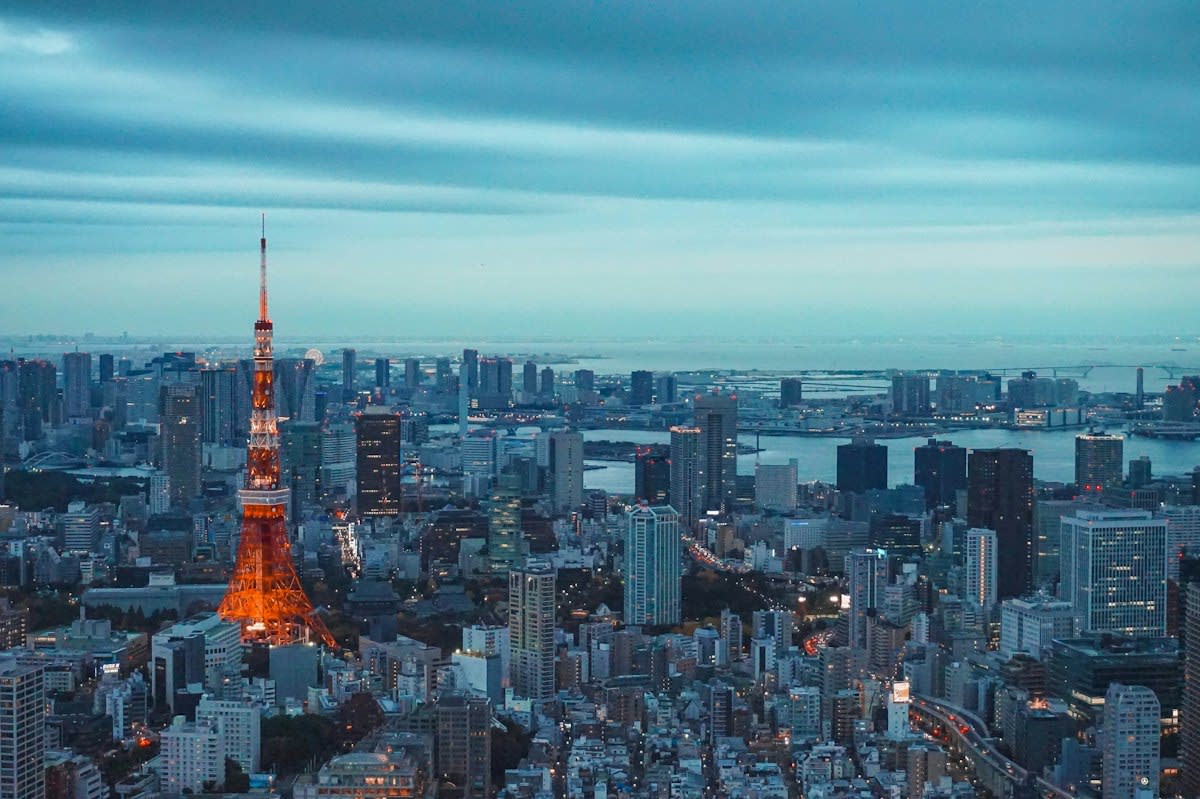
Borders are ghosts. While flags still fly over capital buildings, the actual levers of global economic power have migrated to the dense, hyper-connected clusters of Tokyo, Shanghai, and Lagos where capital flows bypass national borders entirely. The city is the new state. Money ignores maps. When a single municipality like Tokyo generates a GDP that dwarfs the entire national output of countries like Thailand or Austria, the traditional definition of sovereign power becomes a quaint relic. Governance now happens at the street level.
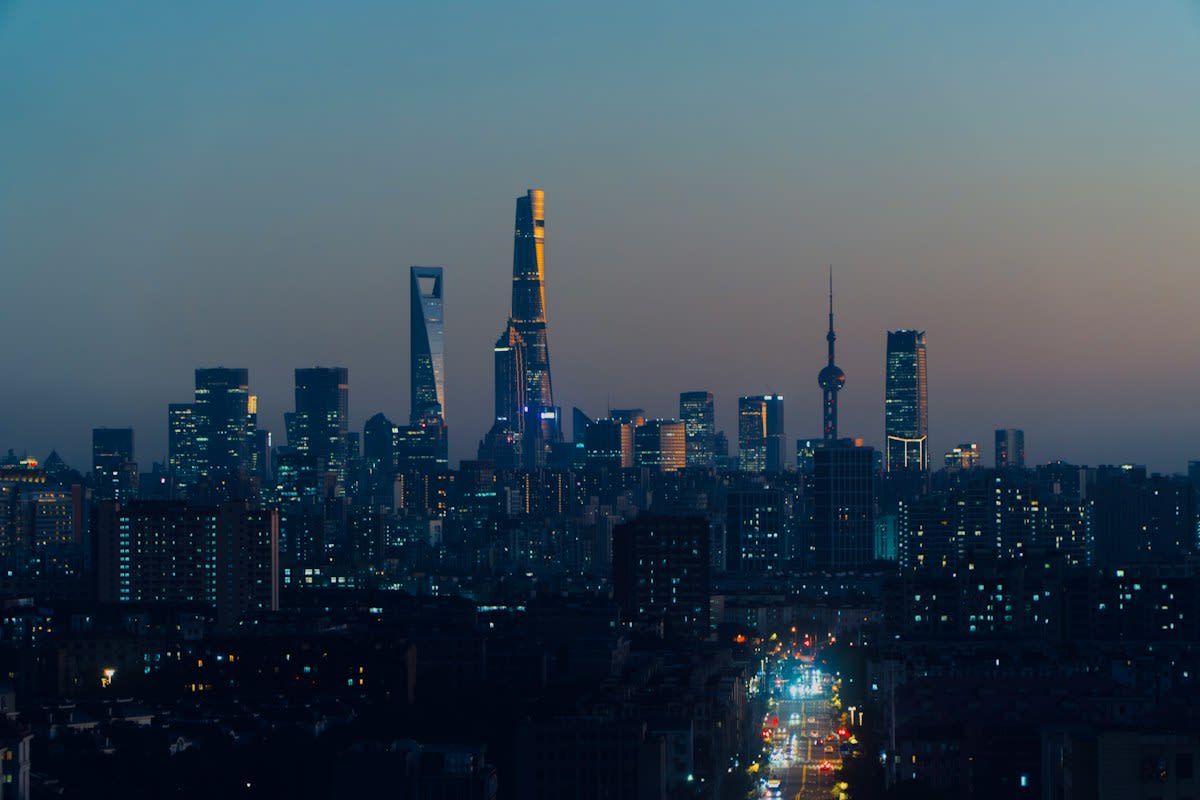
Density creates power. In the sprawling urban web of the Pearl River Delta, the concentration of manufacturing and technology has created a functional entity that operates on a logic of efficiency far removed from the political whims of a distant central government. This is the new default. Look at Shanghai, where the municipal government manages a port that dictates the heartbeat of global shipping (Source: World Bank, 2022). The city does not just exist within a nation. It acts as the nation's primary interface with the world, making the national government a mere service provider for the city's needs.
Geography is obsolete. For the elite class of the 'global city,' the primary connection is not to their fellow citizens in the hinterlands but to peers in other megacities across the sea. They share a common language of capital. While rural provinces struggle with decaying infrastructure, these urban hubs invest in proprietary digital networks and private security that mirror the functions of a sovereign state (Source: UN Habitat, 2020). The city is a fortress. It protects its assets from the instability of the surrounding national terrain.
The Weight of Capital
Numbers tell truths. When you analyze the GDP of Tokyo, which hovers around 1.6 trillion USD, you see an entity that possesses more financial weight than the entire economy of Thailand (Source: World Bank, 2022). This is a hard turn. The city is no longer a subset of the national economy but the engine that keeps the national economy from a total mechanical failure. National budgets are often just mechanisms to redistribute city-generated wealth to the periphery. The city is the creditor.
| Entity | Annual GDP (Approx) | Sovereignty Type |
|---|---|---|
| Tokyo | $1.6 Trillion | Municipal/Global |
| Thailand | $500 Billion | National |
| Shanghai | $600 Billion | Municipal/Global |
| Portugal | $250 Billion | National |
Control is concentrated. In Mexico City, the sheer scale of the informal economy creates a parallel governance structure that the federal government cannot penetrate or regulate. Markets dictate the law. Because the city controls the primary nodes of distribution and consumption, it can effectively ignore national mandates that threaten its local equilibrium (Source: IMF, 2021). The city is the law. It creates its own rules of engagement for anyone wishing to do business in the region.
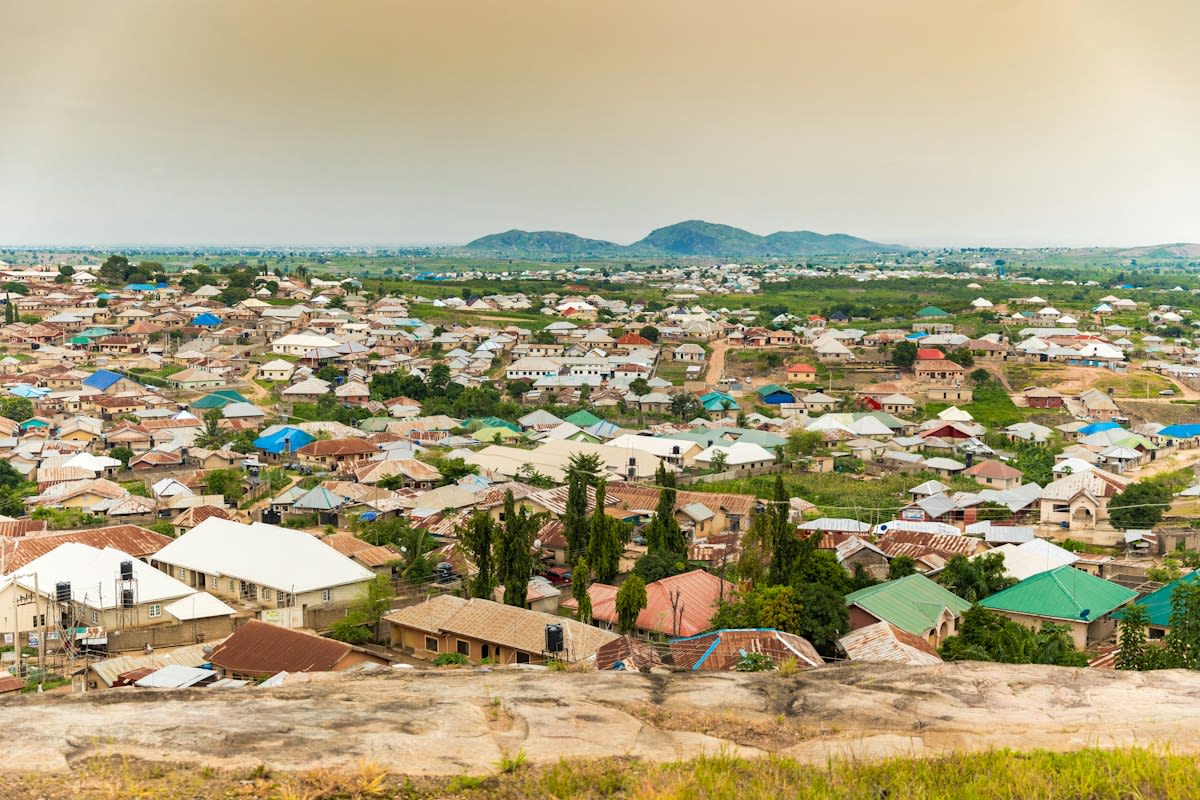
Growth is aggressive. Lagos is expanding at a rate that makes national planning obsolete, with a population trajectory that puts it on track to become the world's largest city by 2100 (Source: UN Habitat, 2020). The city outpaces the state. While Abuja handles the diplomacy, Lagos handles the trade, the finance, and the actual survival of the Nigerian economy. This creates a strange duality. The city is the muscle, and the state is the skin.
The Invisible War
The grind is real. Inside the halls of the Lagos State Government, the battle over customs revenue from the Lekki Free Trade Zone creates a constant state of administrative war with the federal authorities in Abuja. It is a game of chicken. This isn't a policy debate but a raw struggle for the weight of the purse. The city knows it holds the cards. It can stall federal projects until its own local demands are met.
"The global city is not just a site of economic activity but a new form of sovereign entity that manages the complexity of global capital."— Saskia Sassen, Professor of Sociology at Columbia University
Power is fluid. In cities like Singapore, the distinction between the city and the state has vanished entirely, providing a glimpse into the future of other megacities. They are the prototypes. By integrating governance, finance, and infrastructure into a single, streamlined entity, they avoid the mechanical failure of national bureaucracy. Efficiency is the new mandate. They don't seek permission from a wider national identity; they create their own.
Tensions are rising. When a city's elite realize they have more in common with the elite of London or New York than with the farmers in their own country, the social contract breaks. The city detaches. This leads to a fray where the city attempts to secure its own loans and diplomatic ties, bypassing the national treasury entirely. It is a silent secession. The city doesn't leave the country; it simply makes the country irrelevant.
Mapping the New Terrain
Adaptation is mandatory. Investors who still look at national risk ratings are missing the point of the current shift. They must analyze city-risk. A country can be failing while its primary megacity is thriving and secure. This is the key to staying power. The smart money flows to the hub, not the flag.
- GDP concentration: When a city's output exceeds 20% of the national total.
- Infrastructure autonomy: Proprietary energy and data grids that bypass national failure.
- Diplomatic agency: Direct agreements between city mayors and foreign entities.
- Capital magnetism: The ability to attract FDI without national government mediation.
Opportunity is hidden. For those who understand the weight of these urban assets, the strategy is to treat the megacity as the primary unit of analysis. Forget the borders. The real game is played in the dense webs of the global hubs. The future is urban. The state is just a memory.
Fact-Check & Accuracy Note
This analysis relies on GDP data from the World Bank (2022) and population trends from UN Habitat (2020). There is an ongoing academic debate between 'Global City' theorists, who argue that cities are becoming the primary nodes of power, and 'Nationalist' urbanists, who believe the state still holds ultimate legal and military control. The tension between municipal autonomy and federal law remains a primary area of study in political geography.
Editorial Note
The author's perspective is intentionally contrarian, focusing on the functional reality of economic power rather than legal definitions of sovereignty. This approach prioritizes the flow of capital over the formality of law.