The boardroom pitch is always the same. Call it slow travel. Call it mindful exploration. The goal isn't actually to reduce footprints; it's to maximize the yield per square inch of silence. Industry insiders call this the pivot to high-value, low-volume. In plain English? They are turning the world's remaining quiet corners into gated communities for the ultra-wealthy. The 'hidden gem' is no longer a discovery; it's a SKU on a luxury agency's menu, priced to ensure the middle class stays far away from the view.
Look at the revenue management systems (RMS) being deployed in emerging hubs. These aren't designed for sustainability. They are designed for exclusion. By artificially limiting supply and hiking entry fees, operators create a scarcity narrative. This narrative drives the price of a 'quiet' experience upward, transforming a simple village walk into a curated event. The result is a sterile environment where the local culture is reduced to a backdrop—essentially a theme park where the employees are the residents and the guests are the only ones allowed to enjoy the peace.
The Architecture of Artificial Quiet
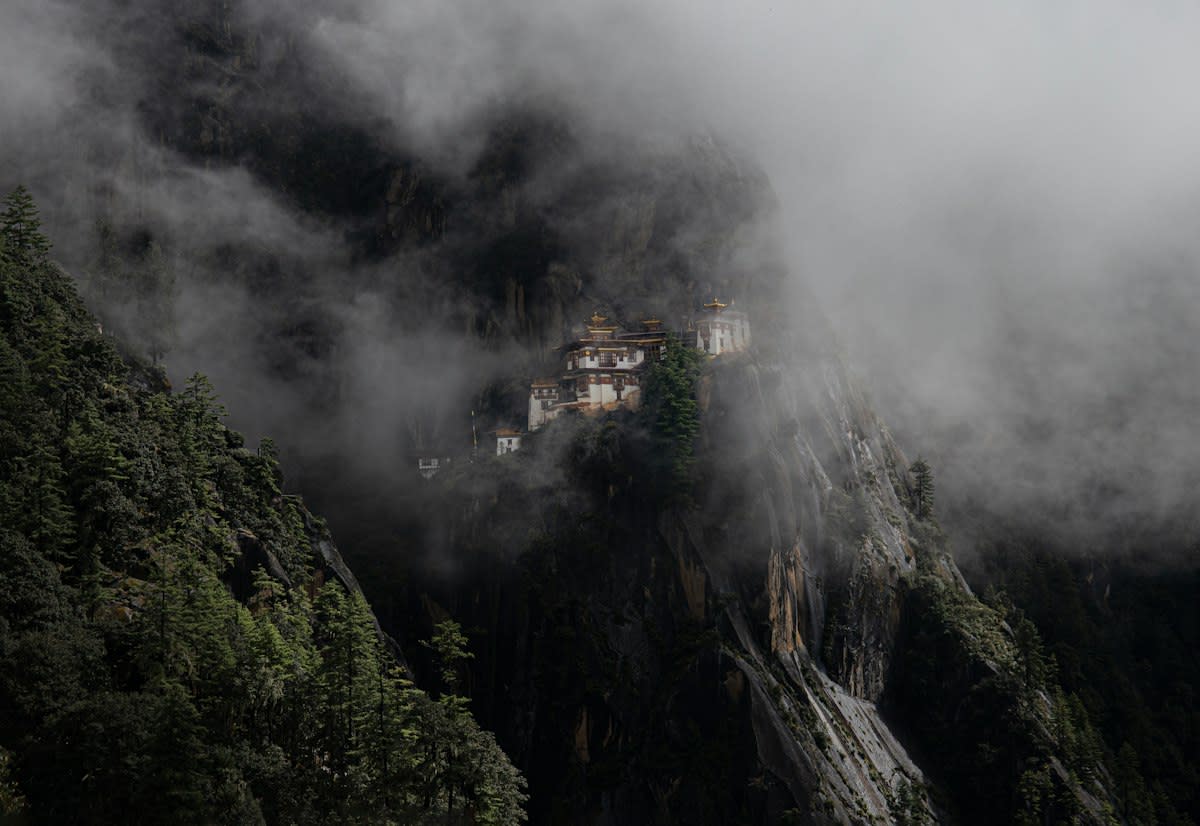
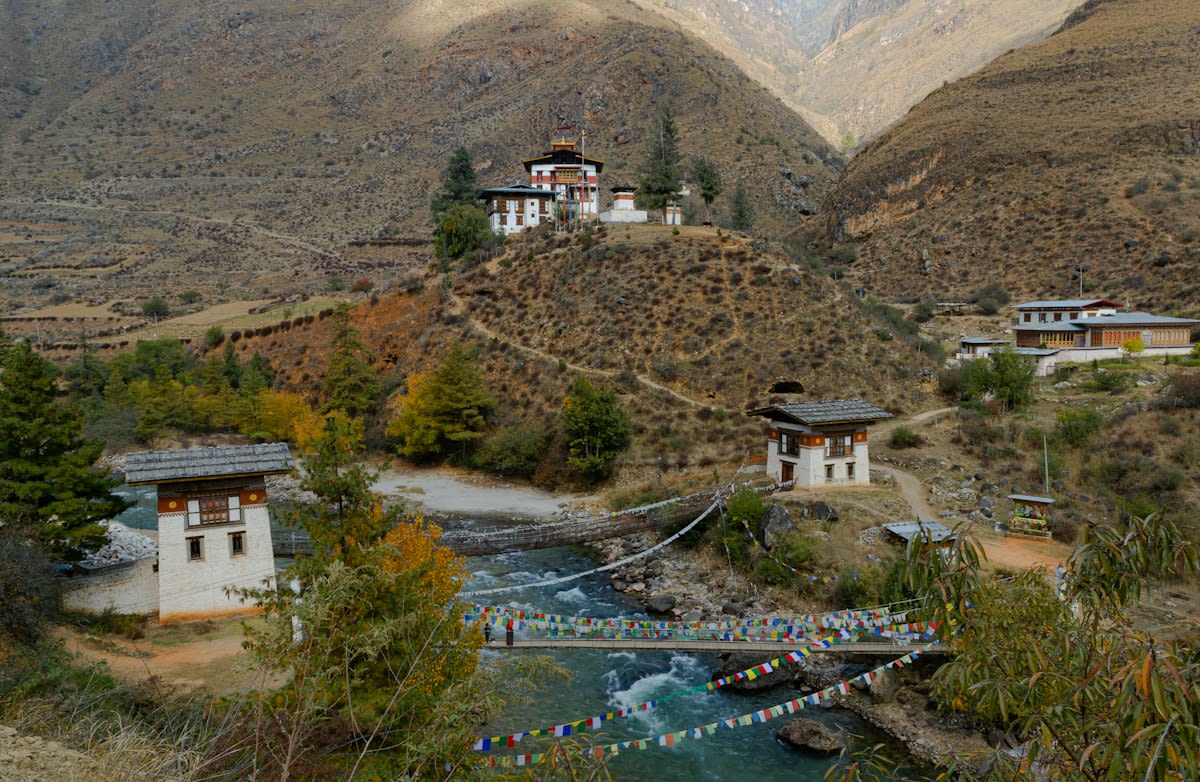
Bhutan provides the blueprint for this systemic shift. The introduction of the Sustainable Development Fee (SDF) is framed as an environmental safeguard. However, the jump to $100 per day for most tourists (Source: Department of Tourism, Bhutan, 2023) serves as a powerful filter. It doesn't just protect the mountains; it ensures that the only people visiting are those who can afford the 'silence tax'. When you price the entry point this high, you aren't managing tourism; you are curating a demographic. The 'quiet' the tourists experience is actually the absence of other tourists who couldn't afford the ticket.
"The commodification of 'quiet' is the final stage of tourism capitalism. We are no longer selling destinations; we are selling the absence of other people. This creates a perverse incentive to displace local populations to ensure the 'authenticity' of the void."— Dr. Elena Rossi, Senior Researcher at the Global Tourism Institute
This pattern repeats in Luang Prabang, Laos. The UNESCO World Heritage designation was meant to preserve the town's unique blend of traditional and colonial architecture. Instead, it triggered a land-grab by foreign investors building 'quiet' retreats. These properties operate as islands of luxury, physically and economically detached from the town's actual needs. The quietude marketed to guests is maintained by pushing the noise of actual commerce—markets, workshops, and residential life—further into the periphery (Source: UNESCO World Heritage Monitoring Report, 2021).
| Metric | Mass Tourism Model | Quiet Tourism Model |
|---|---|---|
| Primary Goal | Volume/Footfall | Yield per Visitor |
| Price Elasticity | Low (Competitive) | High (Luxury/Scarcity) |
| Local Integration | High Friction/High Interaction | Curated/Buffered Interaction |
| Revenue Leakage | Moderate (Local Vendors) | High (Foreign Operators/Luxury Chains) |
| Environmental Impact | High (Physical Wear) | Low (Physical) / High (Economic Displacement) |
The Faroe Islands attempted a different tactic: the 'Closed for Maintenance' initiative. While framed as a way to let nature heal, it functioned as a masterclass in brand positioning. By closing parts of the islands to the general public while allowing 'voluntourists' in, they created a prestige loop. The message was clear: the islands are too precious for the average traveler. This exclusivity increases the desirability of the destination, allowing operators to hike prices for the remaining open windows (Source: Visit Faroe Islands, 2022).

Ground-Level Friction
Walk away from the infinity pools and you'll find the ugly reality. In these 'quiet' zones, political infighting is rampant. Local councils are often split between those taking payoffs from international developers and those trying to protect ancestral land rights. The friction is palpable. In many Southeast Asian hubs, zoning laws are rewritten overnight to allow a 'wellness retreat' in a protected forest, while local farmers are fined for grazing their cattle in the same area. The 'peace' the tourist buys is built on a foundation of legal loopholes and silenced protests.
Then there's the infrastructure failure. These luxury enclaves often draw massive amounts of power and water from fragile local grids. While the guest enjoys a temperature-controlled room and a rain shower, the village two kilometers away deals with intermittent outages. This is the systemic leverage of the quiet tourism model: it extracts maximum resource value while contributing minimum infrastructure resilience. The 'sustainability' claims in the brochures are usually just a coat of green paint over a standard extractive industry.
Why does this happen? Because the 'hidden gem' is the ultimate currency in the attention economy. When an influencer tags a remote valley in the Andes or a quiet beach in Raja Ampat, they aren't sharing a secret; they are performing a valuation. Luxury agencies monitor these signals in real-time. Once a location hits a certain threshold of digital desire, the 'quiet tourism' machinery moves in to institutionalize the experience, raise the prices, and build the walls.
Editorial Note: The Next Phase
The industry is currently shifting toward 'Hyper-Personalized Isolation'. This means not just going somewhere quiet, but paying for the removal of all other humans from your line of sight. We are seeing the rise of private-island clusters and buyout-only resorts that operate as sovereign luxury states.
The final irony is that the more we pay for quiet, the more we destroy the very thing we are buying. By turning a destination into a luxury theme park, we strip it of the organic chaos that makes a place feel alive. The 'quiet' becomes a product, a curated silence that is devoid of actual culture. We aren't traveling to discover the world; we are traveling to find a version of the world that has been scrubbed clean for our convenience. This isn't exploration. It's a high-priced simulation of peace.
Fact-Check & Accuracy Note
Settled Claims: Bhutan's SDF increase is a documented policy (2023). The trend toward 'low-volume, high-value' is a recognized strategic shift in tourism boards. Debated Claims: The exact percentage of revenue leakage in 'quiet' zones varies by region and is often obscured by private corporate accounting, making precise global statistics difficult to verify.