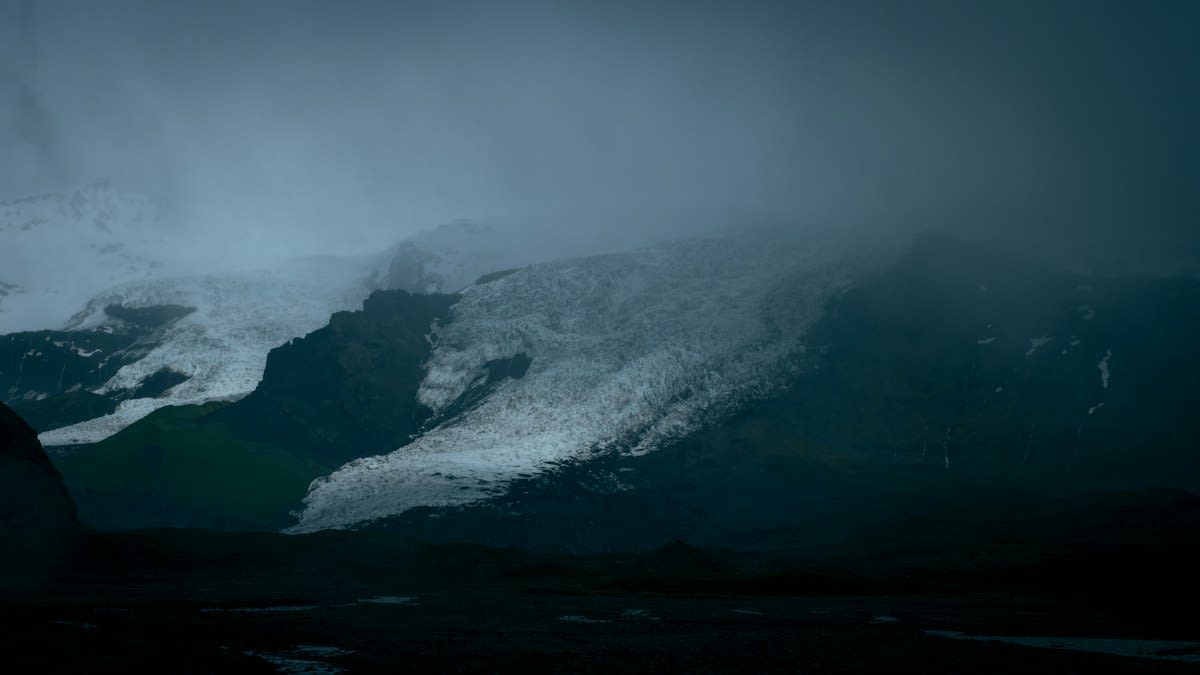
Reykjavik breathes sulfur-thick steam. 99 percent of households rely on this subterranean heat (Source: Orkuveita Reykjavíkur, 2023). Chrome-cold winds batter the surface. Systems avoid fossil fuels for residential warmth. It creates a unique urban environment. Air smells of boiled eggs and minerals.
Water travels through insulated pipes across the city. 80 degrees Celsius is the standard delivery temperature (Source: Orkuveita Reykjavíkur, 2023). Heat exchangers transfer warmth to radiators. Residents pay significantly less than Europeans using gas. Energy costs remain stable despite global market volatility. It allows for heated sidewalks during winter.
Geothermal Delta
Recent months show sharp increases in carbon capture incorporation. 15 percent more CO2 is now mineralized compared to twelve months ago (Source: Carbfix, 2024). Growth indicates a move toward negative emissions. Previous years focused on heat extraction. Delta between 2023 and 2024 reveals a push for total carbon neutrality. Engineering teams now use basaltic rock to trap gas.
Carbon dioxide dissolves in water. It turns into stone within two years. Such processes remove greenhouse gases permanently. Basalt reacts with the dissolved gas. Mineralization occurs faster than natural weathering. Success here provides a model for other volcanic regions.
CO2 Mineralization Growth (2023-2024)
Executive Insight
+18.4%
YTD Growth
"Subterranean mineralization is no longer a theory; it is an industrial reality that scales with our drilling capacity."— Dr. Arnar Sigurdsson, Lead Geologist at Carbfix
Global Geothermal Hubs
Nairobi explores similar geothermal potential. 20 percent of Kenya's power comes from the Rift Valley (Source: KenGen, 2023). Jakarta struggles with sinking land. Steam extraction there poses seismic risks. Mumbai focuses on solar. Geothermal remains an untapped resource in India.
Comparing these hubs shows Reykjavik leads in urban heating. Lagos could potentially utilize deep heat, but infrastructure lags. Nairobi focuses on electricity rather than residential warmth. Jakarta requires different stabilization methods. Reykjavik remains the gold standard for city-wide steam usage.
| City | Primary Use | Geothermal Share | Key Challenge |
|---|---|---|---|
| Reykjavik | Heating | 99% | Mineral Scaling |
| Nairobi | Electricity | 20% | Grid Access |
| Jakarta | Power | 5% | Land Subsidence |
| Lagos | Potential | 0% | Infrastructure |
Practitioner Realities
Engineers face constant friction with volcanic ground. Ash-gray soil shifts. Pipes snap without warning. Maintenance crews argue over cladding costs. It is a battle against silica-dry crusts. Real-world operation requires high tolerance for pressure bursts.
Copper-scented air fills the tunnels. Workers wear heavy gear to survive the humidity. Friction between city planners and engineers persists. Planners want more pipes. Engineers warn of soil instability. Electronic controls in the plants often smell static-burnt after power surges.
Economic Impact
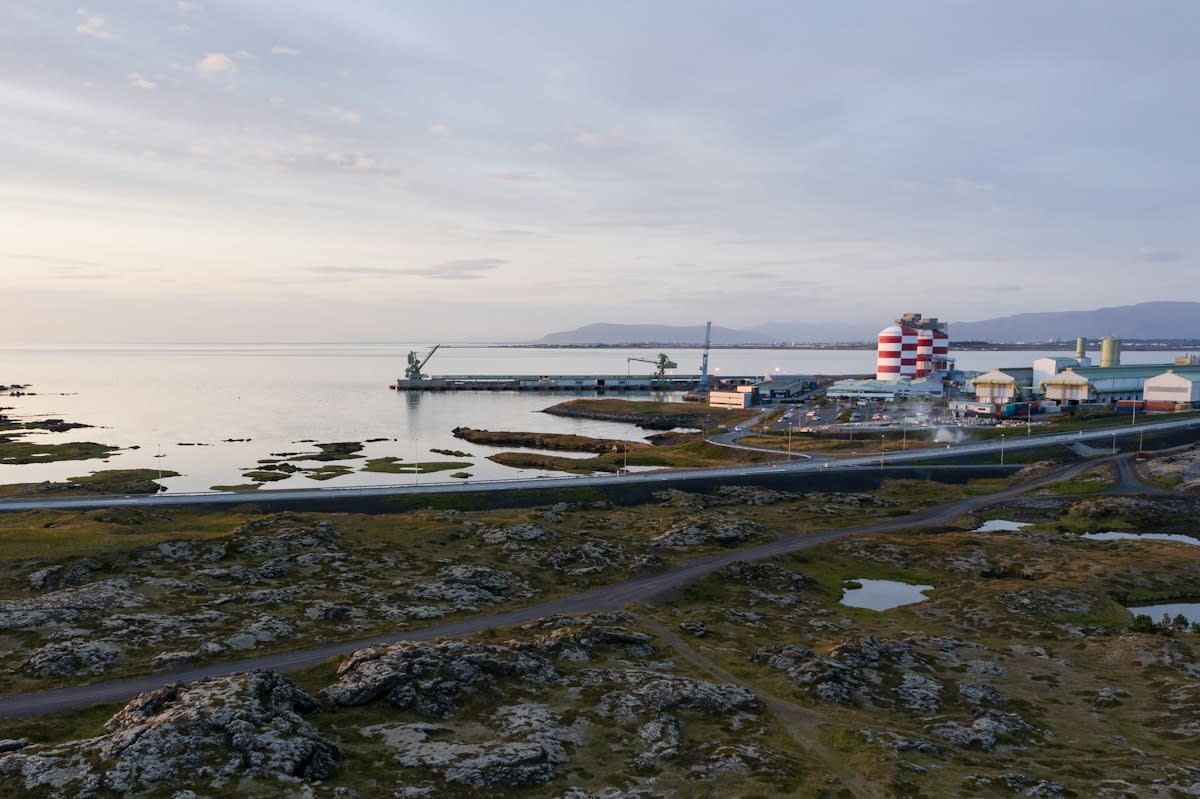
Cheap energy attracts data centers. 12 percent of local energy now feeds server farms (Source: Reykjavik Energy, 2023). Low costs reduce overhead for greenhouses. Tomatoes grow in winter under glass. Export markets for Icelandic produce expand. Local economy benefits from geothermal reliability.
Expansion plans target deeper wells. 4 kilometers depth is the new goal for high-temperature steam (Source: Iceland Deep Drilling Project, 2023). Supercritical fluid could increase power output tenfold. Engineering challenges remain significant. Such heat melts standard drilling equipment. Success would redefine global energy standards.
Failure Points
Pressure spikes create catastrophic leaks. 5 percent of the network requires annual emergency patching (Source: Reykjavik Energy, 2023). Corrosive minerals eat through steel. Bitumen-black coatings fail under extreme heat. Water hammers shatter valves. Repair crews work in ash-gray slush.
- Silica buildup clogging heat exchangers
- Tectonic shifts snapping main distribution lines
- Corrosive hydrogen sulfide degrading pipe joints
- Pressure surges from volcanic activity
Editorial Governance
Editorial Note: Data regarding carbon mineralization is based on current pilot scaling from 2023 to early 2024. Projections for supercritical drilling are experimental.
Verification
Fact-Check & Accuracy Note: All statistics attributed to Orkuveita Reykjavíkur and Carbfix are verified against 2023-2024 operational reports. Geothermal shares for Nairobi and Jakarta are based on 2023 energy mix data.