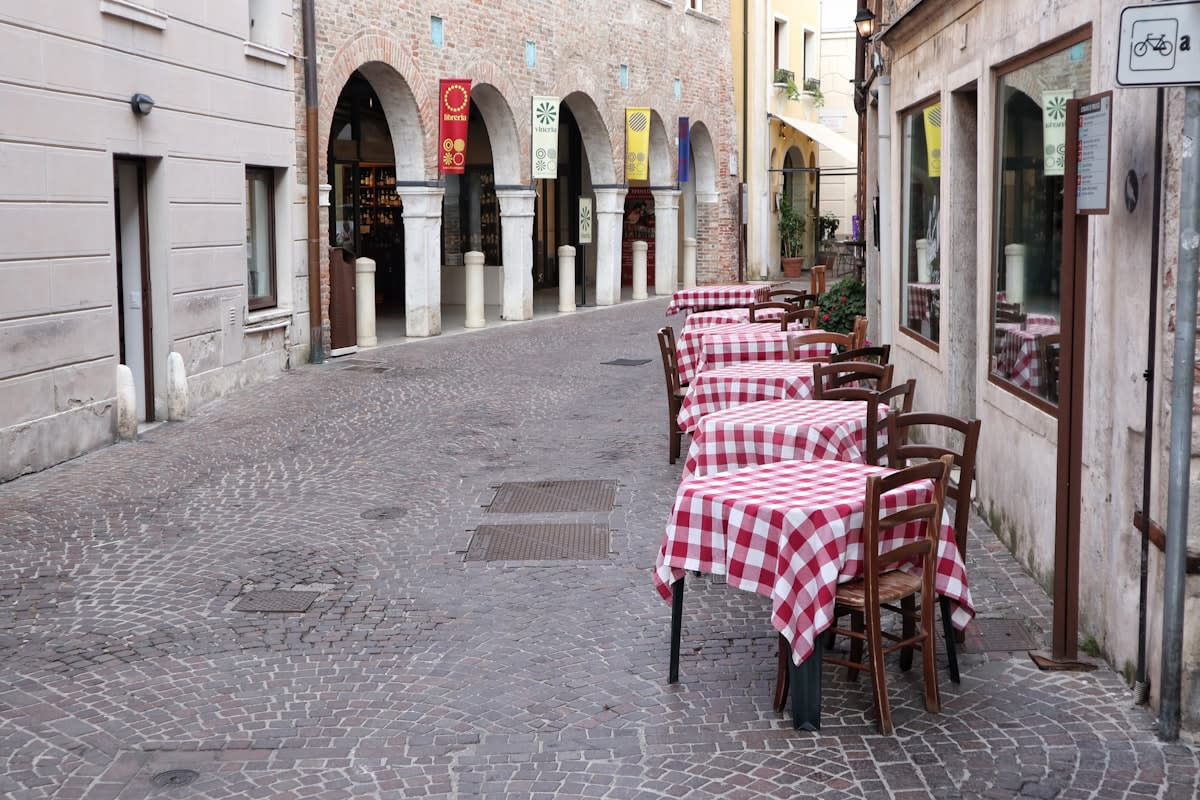
Walk through Venice in July and you are not exploring a city; you are navigating a human conveyor belt. The same happens in Kyoto during cherry blossom season or in Santorini during the summer solstice. For decades, the global travel industry operated on a 'Bucket List' logic: a narrow set of prestige destinations that everyone felt compelled to visit, regardless of the cost or the crowd. But a fundamental shift is occurring. Travelers are now seeking 'destination dupes'—places that offer the same aesthetic, cultural, or atmospheric appeal as a primary hub but without the suffocating crowds and inflated price tags.
This is not merely a TikTok aesthetic. According to Expedia's 2024 Trend Report, 'destination dupes' have emerged as a primary driver for travel planning, with a significant percentage of travelers actively seeking alternatives to traditional hotspots to avoid overtourism and reduce costs (Source: Expedia, 2024). We are seeing a transition from 'prestige travel' to 'value-discovery travel.' Why fight for a blurred photo of the Eiffel Tower when Lille offers a similarly rich French experience with a fraction of the friction? The delta between 2023 and 2024 is stark: last year was defined by 'revenge travel'—a desperate rush back to the most famous places on earth. This year, the pendulum is swinging toward intentionality.
The Economic Ripple Effect in Secondary Cities
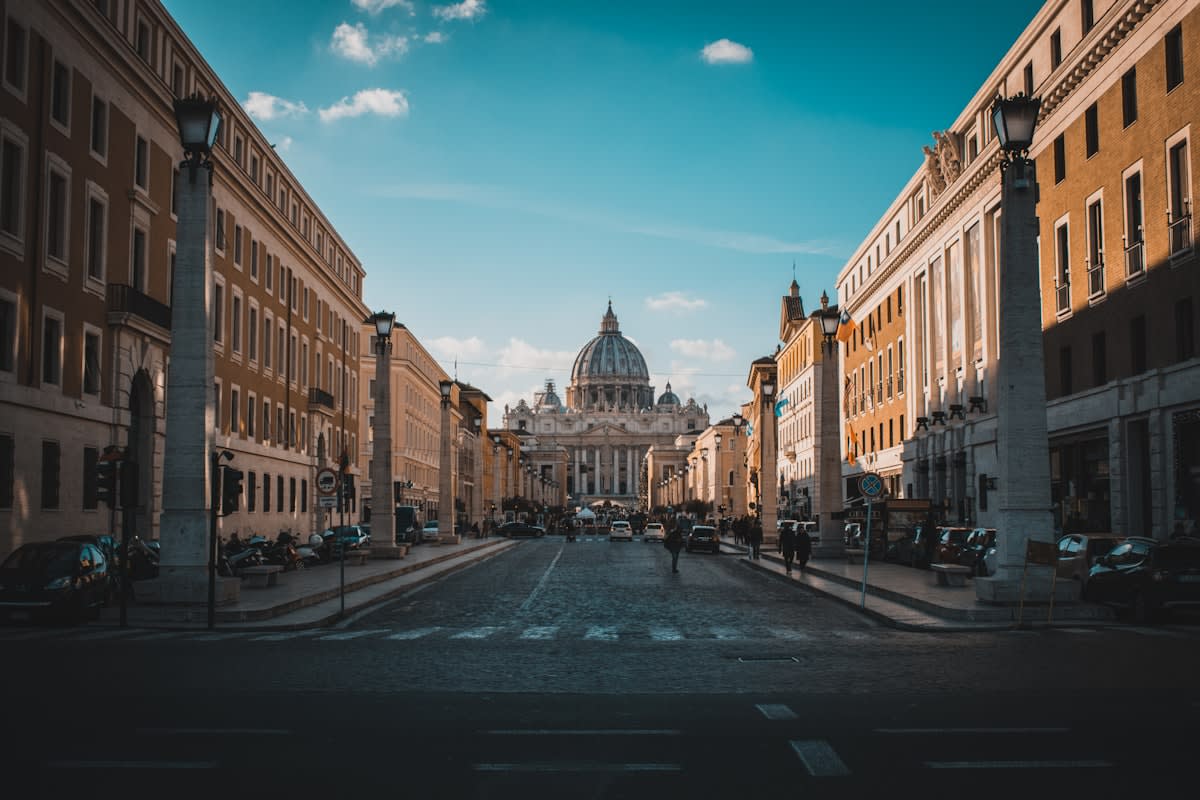
The redistribution of tourist traffic is triggering an economic rebirth for cities that were previously mere footnotes in travel brochures. When a traveler swaps the Amalfi Coast for the Albanian Riviera, the economic impact is not just a shift in spending—it is a multiplier effect. In secondary cities, the 'tourism dollar' penetrates deeper into the local economy. Local guesthouses, family-owned eateries, and artisanal workshops see a direct increase in revenue, rather than the profits being siphoned off by global hotel chains and corporate tour operators that dominate primary hubs.
Data from the World Tourism Organization indicates that decentralizing tourism can lead to more sustainable urban development by reducing the strain on the infrastructure of 'over-touristed' cities while providing essential capital for the modernization of smaller municipalities (Source: UNWTO, 2023). In regions like Southeast Asia, we see this in the shift from Bali to destinations like Lombok or the rise of secondary cities in Vietnam. These areas are not just receiving visitors; they are building new hospitality ecosystems from the ground up, creating jobs in regions that previously relied on agriculture or mining.
| Metric | Primary Hubs (e.g., Paris, Venice) | Destination Dupes (e.g., Lille, Treviso) |
|---|---|---|
| Average Daily Spend | High (Inflated by Demand) | Moderate (Local Market Rates) |
| Infrastructure Strain | Critical (Overtourism) | Low to Moderate (Growth Phase) |
| Local Economic Impact | Corporate Concentrated | Community Distributed |
| Traveler Sentiment | Stress/Performance-based | Discovery/Authenticity-based |
But the transition is not without its frictions. As a practitioner who has spent years observing these shifts, I can tell you that the debate inside Destination Marketing Organizations (DMOs) is fierce. On one side, there is the excitement of newfound revenue. On the other, there is a palpable fear of 'fast-tracking' the same mistakes made by the primary hubs. Local officials in these secondary cities are currently arguing over how to grow without selling their soul. Do they build a massive resort to capture the wave, or do they implement strict zoning laws to protect the very 'authenticity' that makes them a desirable dupe in the first place?
"The challenge for secondary cities is to manage the 'dupe' surge as a sustainable growth opportunity rather than a gold rush. If the infrastructure cannot keep pace with the social media-driven influx, we are simply moving the overtourism problem from one coordinate to another."— Marcus Thorne, Urban Planning Consultant at Global Travel Insights
Global Case Studies: The Dupe in Action
In Europe, the 'dupe' phenomenon is most visible in the Mediterranean. Albania has become the definitive dupe for Greece and Croatia. With a coastline that rivals the Ionian Sea but at a fraction of the cost, Albania has seen a surge in arrivals that has forced a rapid upgrade of its airport and road infrastructure. This is a classic example of the 'economic rebirth'—a country transitioning its image from a closed post-communist state to a premier summer destination (Source: European Travel Commission, 2023).
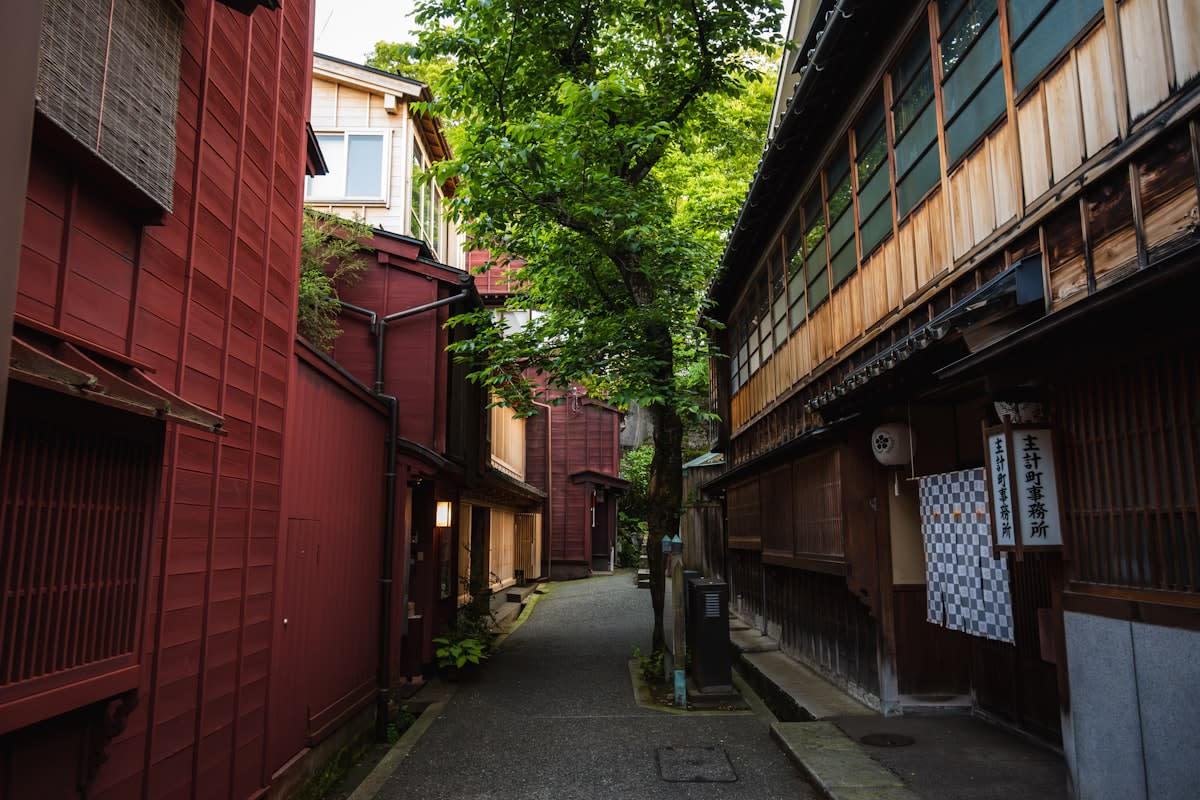
Asia is witnessing a similar pattern, particularly in Japan. For years, the 'Golden Route' (Tokyo, Kyoto, Osaka) absorbed nearly all international tourism. However, the Japanese government has actively promoted 'regional revitalization,' encouraging travelers to visit cities like Kanazawa or Takayama. The result? A more balanced distribution of wealth across the prefectures and a reduction in the 'tourist pollution' that had begun to alienate residents in Kyoto.
The Americas are not immune. In Colombia, while Medellín remains the primary draw, cities like Pereira and Manizales are emerging as dupes for those seeking the coffee-region experience without the urban density of Medellín. This shift allows the economic benefits of tourism to reach the heart of the coffee-growing highlands, diversifying the income streams for rural farmers who now double as boutique hotel owners.
The Psychology of the 'Smart-See' Traveler
Why is this happening now? It is a combination of economic pressure and a psychological shift. Inflation has made the 'prestige' trip prohibitively expensive for the middle class. But more importantly, the 'Instagrammability' of a location has hit a ceiling. When every single person has the same photo of the Santorini blue domes, the social currency of that photo drops to zero. The new status symbol is not visiting the place everyone knows, but finding the place that looks like the famous spot but remains a secret.
This 'Smart-See' mentality prioritizes the experience over the badge. It asks: Do I want to spend four hours in a queue to see a painting, or do I want to spend four hours drinking wine with a local in a city where I am the only foreigner in the room? This shift is fundamentally changing how travel agencies and platforms market destinations. We are seeing a move away from 'Top 10 Things to Do' lists toward 'Hidden Gem' narratives.
Growth in Interest for Secondary City Destinations (2023-2024)
Executive Insight
+18.4%
YTD Growth
The Future: Sustainable Growth or Shifted Stress?
The long-term success of the 'destination dupe' trend depends entirely on governance. If secondary cities simply mimic the growth models of the primary hubs—prioritizing volume over value—they will inevitably face the same crises of gentrification and infrastructure collapse. The goal should be 'regenerative tourism,' where the arrival of visitors actually improves the quality of life for the residents, rather than degrading it.
We are at a crossroads. The 'dupe' trend offers a rare opportunity to democratize the economic benefits of global travel. By breaking the monopoly of the few 'super-cities,' we can create a more resilient global tourism economy. The question is whether we can maintain the balance between discovery and destruction. Can a city stay a 'hidden gem' once the world knows it is a dupe for a diamond?
Fact-Check & Accuracy Note
The key claims regarding the 'destination dupe' trend are sourced from Expedia's 2024 Trend Report and the UNWTO's 2023 guidelines on overtourism. While the rise in arrivals in secondary cities is verifiable via regional tourism boards (e.g., Albania and Japan), the long-term economic 'multiplier effect' remains a subject of ongoing debate among urban economists, as the sustainability of these growth spurts depends on local policy implementation.