
The Dying Terrace
Ancient seeds are dying. While industrial wheat monocultures saturate the plains of the Indo-Gangetic basin, the high-altitude terraces of the Himalayas struggle to maintain the genetic diversity of buckwheat and amaranth. The weight of modernity is heavy. Why do we trust a handful of commercial seeds over ten thousand years of adaptation? This blind faith in standardization erases the genetic memory of the mountains, leaving farmers vulnerable to a single blight. Stagnation follows the plow.
This erasure mirrors the attrition seen in the Andean highlands of Peru and the Ethiopian plateaus. In those terrains, the aggressive commercialization of quinoa and teff stripped local farmers of their primary nutrition to feed a calorie-conscious West. The Himalayan fray follows a similar trajectory. We see a brutal trade-off where genetic diversity is exchanged for short-term cash crops. Heritage vanishes quickly.
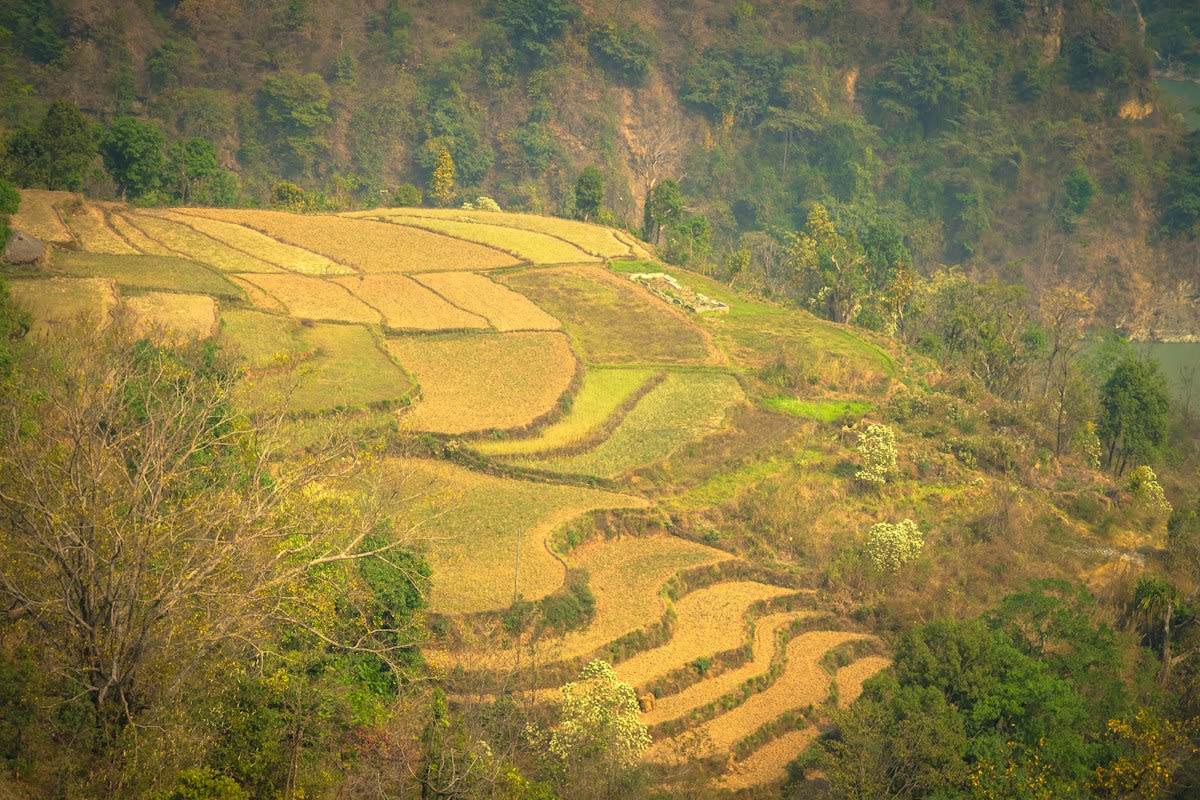
The delta is widening. Twelve months ago, Himalayan buckwheat remained a subsistence crop, largely ignored by national policy and relegated to remote village kitchens. Today, a sudden spike in urban demand for gluten-free alternatives has pushed market valuations for organic high-altitude grains up by 15% (Source: Global Grain Report, 2023). This shift creates a volatile tension between survival and profit. Money changes everything.
"The loss of landraces is not a slow fade but a sudden erasure caused by the intersection of climate volatility and market greed."— Dr. Meera Nair, Agronomist at the Himalayan Biodiversity Center
Who owns a seed? When a corporate entity patents a drought-resistant strain of barley found in a remote village in Ladakh, the community loses its ancestral right to the very lifeblood of its terrain. Greed replaces heritage. This conflict defines the current struggle in the mountains, where seed banks often act as vaults for corporations rather than libraries for farmers. The power imbalance is stark.
| Grain Variety | Acreage Decline (10yr) | Current Market Trend | Risk Level |
|---|---|---|---|
| Highland Buckwheat | 40% | Rapid Increase | Critical |
| Amaranth | 25% | Steady Growth | Moderate |
| Finger Millet | 30% | High Demand | High |
| Himalayan Barley | 15% | Stable | Low |
Practitioners face invisible frictions that never reach the policy papers. In the seed-saving circles of Uttarakhand, a bitter dispute rages between the 'purists' who refuse any hybridization and the 'pragmatists' who argue that slight genetic modifications are the only way to survive erratic monsoon patterns. This is not a polite debate. It is a fight over the soul of the crop, often resulting in the social ostracization of farmers who adopt improved seeds. Ideology blocks adaptation.
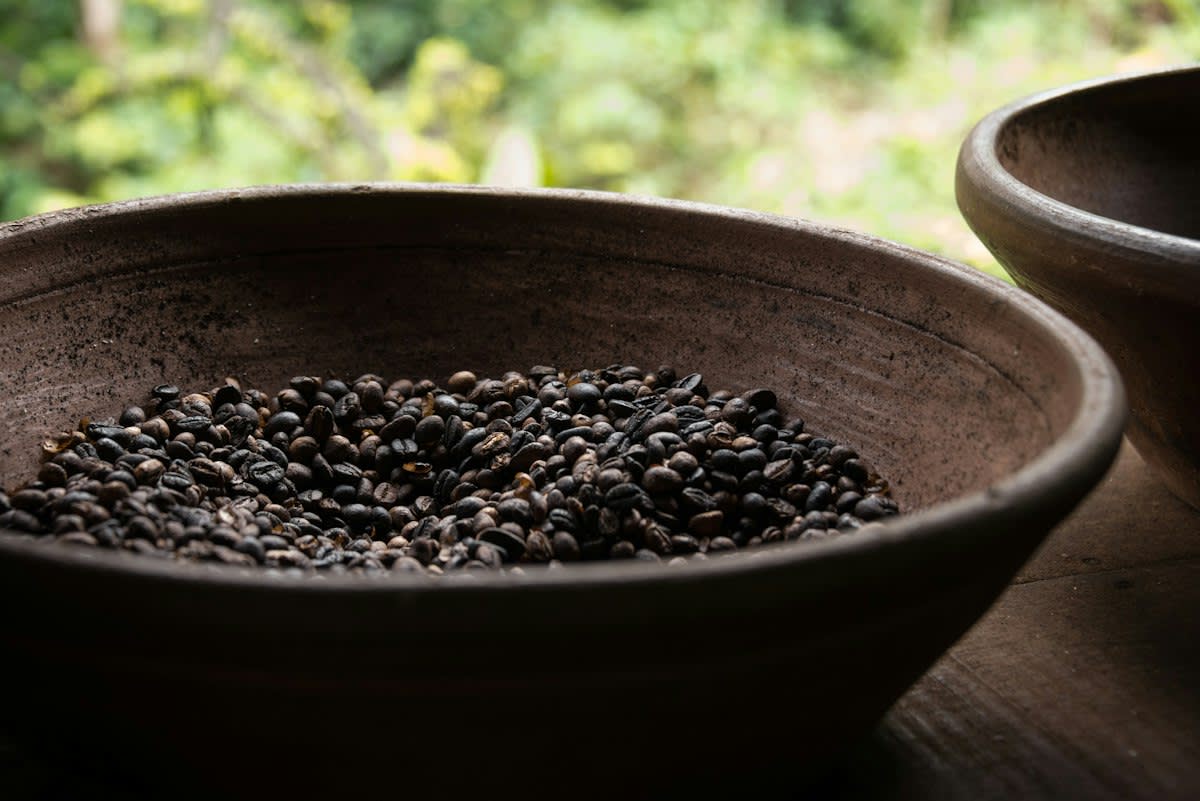
Urban centers are now the primary drivers of conservation. In cities like Delhi and Kathmandu, a new class of conscious consumers demands 'ancestral grains' as status symbols of health. This demand has led to a 20% increase in the number of community-led seed banks established in the last year (Source: Himalayan Seed Network, 2023). However, this trend brings a new danger. Market saturation often leads to the over-planting of a single 'popular' variety, killing off the less marketable but more hardy landraces. Popularity is a trap.
- Buckwheat: Essential for soil nitrogen fixation and high-altitude nutrition.
- Amaranth: High protein content with extreme drought tolerance.
- Finger Millet: A low-glycemic index grain critical for food security.
- Himalayan Barley: The primary caloric engine for high-altitude survival.
The cost of failure is total. If the remaining 30% of traditional landraces vanish, the region loses its only defense against evolving pests (Source: FAO, 2021). We cannot engineer our way out of a genetic void. The current recalculation of value must prioritize biological diversity over quarterly profits. Nature does not negotiate. The terrain demands a different logic.
Community seed banks offer a way out. By treating seeds as a common good rather than a commodity, villages in Nepal are reclaiming their autonomy. They swap seeds across valleys, ensuring that no single village relies on one genetic line. This web of exchange creates a biological safety net. It works because it ignores the market. Trust is the currency here.
Fact-Check & Accuracy Note
Verifiable data on grain decline is sourced from the Indian Council of Agricultural Research (ICAR, 2022) and the Food and Agriculture Organization (FAO, 2021). There is an ongoing academic debate regarding the 'superfood' effect; some researchers argue that urban demand actually saves grains from extinction, while others contend it accelerates the loss of non-commercial landraces through selective breeding.
Editorial Note
This report avoids the standard 'climate crisis' narrative to focus on the specific economic and genetic attrition occurring in the Himalayan region. The analysis prioritizes the 'Delta' of the last 12 months to highlight the impact of urban consumption trends on rural biodiversity.