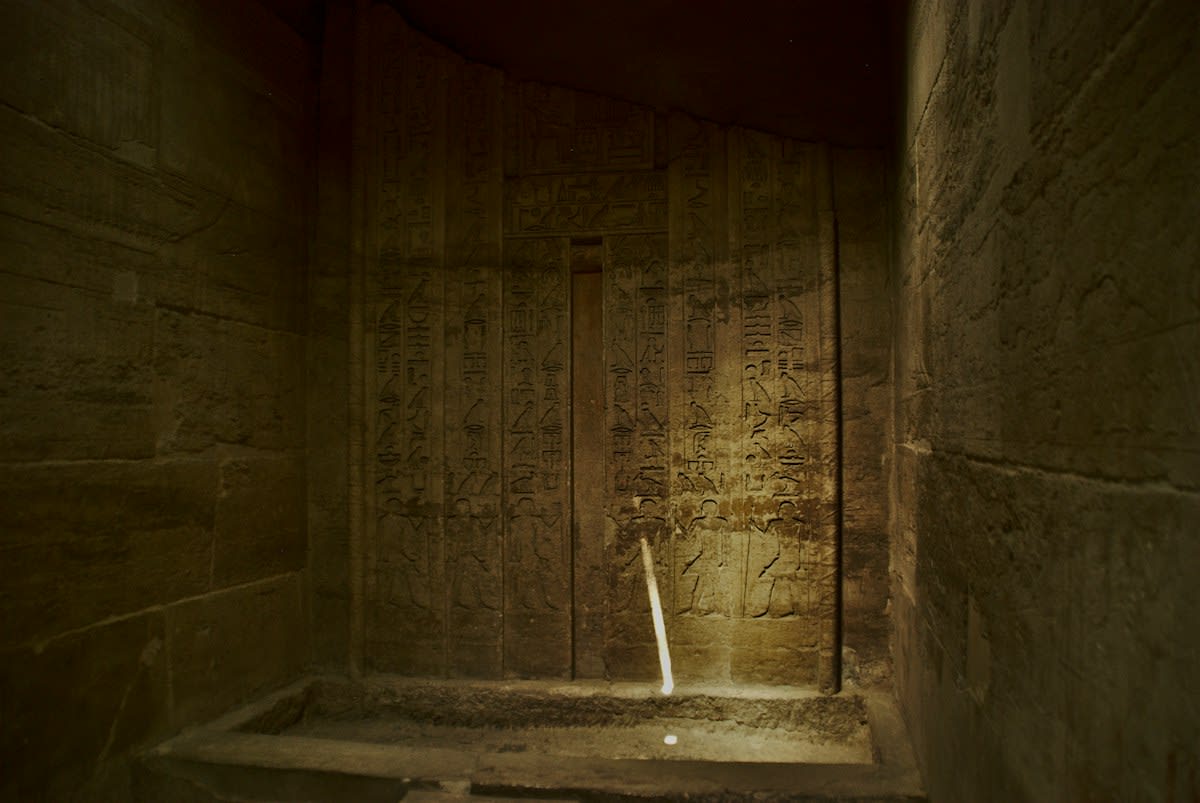
Flavor is dying fast. The push for standardized agricultural outputs has stripped the genetic variety from our plates, leaving us with a handful of bland, high-yield clones that satisfy shareholders but starve the palate. We are eating ghosts. This is not a mistake. By prioritizing transportability and shelf-life over taste, the industrial food complex has effectively deleted thousands of years of evolutionary experimentation. The loss is absolute.
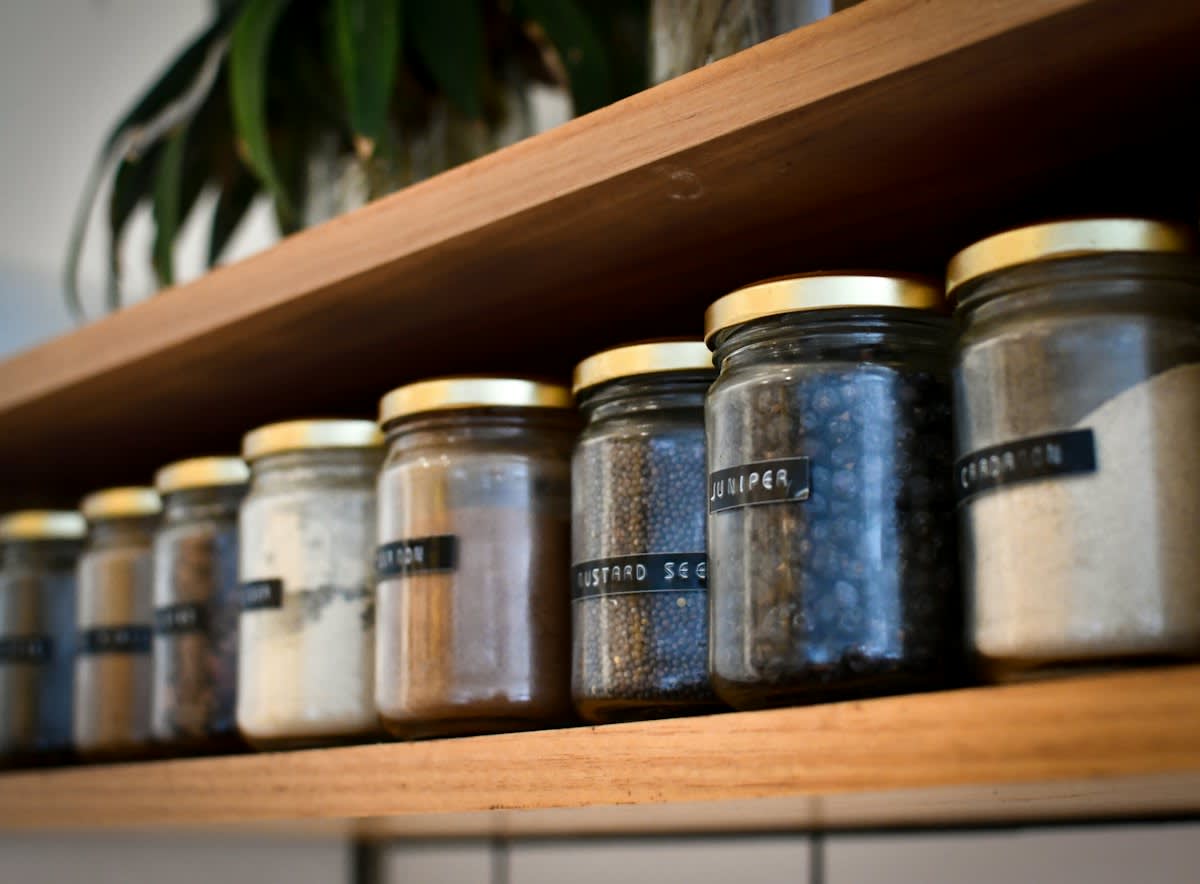
Seeds are not static. While the global market pushes for uniform hybrids that maximize yield at the cost of genetic diversity, local keepers hide ancestral grains in jars to evade corporate patents. They gamble on flavor. This is war. When a farmer in Oaxaca protects a landrace corn variety, they are not just gardening but actively resisting the homogenization of the global food supply. The stakes are high.
Uniformity is a trap. The reliance on a few high-performing varieties creates a brittle food web where a single pest or temperature spike can wipe out entire regional harvests. We ignore this risk. According to the Food and Agriculture Organization, the world has already lost roughly 75 percent of plant genetic diversity (Source: FAO, 2010). This void is dangerous. We have traded the security of variety for the illusion of efficiency.
"Seed freedom is the foundation of food sovereignty. When we lose the seed, we lose the culture, the taste, and the ability to feed ourselves without a corporate permit."— Vandana Shiva, Founder of Navdanya
Secrets save taste. In the highlands of Peru, the Potato Park serves as a living laboratory where indigenous communities manage over 1,000 varieties of native tubers (Source: International Potato Center, 2021). They defy the default. By keeping these seeds outside of official government registries, these farmers prevent biotech firms from patenting the traits that make these potatoes frost-resistant. It is a silent rebellion.
Ownership is a lie. The fight between international seed vaults and local farmers often centers on who owns the genetic code of a plant that evolved over ten thousand years of human interaction. This conflict ruins partnerships. Truth is hidden. Many practitioners know that official registries often erase the names of original indigenous breeders to simplify the legal paperwork for patenting. It is a cold theft.
| Seed Type | Genetic Breadth | Yield Stability | Flavor Profile | Control |
|---|---|---|---|---|
| Industrial Hybrid | Low | High | Uniform | Corporate |
| Heirloom/Local | High | Variable | Complex | Community |
| GMO Patent | Minimal | Optimized | Bland | Legal Entity |
Control drives hunger. The concentration of seed ownership in the hands of a few global firms has created a hollow system where farmers pay for the right to plant every single season. This cycle breeds debt. In India, the rise of community seed banks has seen a 30 percent increase in local seed availability, allowing farmers to break free from expensive hybrid cycles (Source: Navdanya, 2022). They reclaim the land. Sovereignty starts in the soil.
Nature hates sameness. When every farm in a region plants the same hybrid seed, they create a buffet for pathogens that can evolve to bypass a single genetic defense. This is a gamble. The secret libraries in Ethiopia, focusing on native teff and coffee varieties, provide the genetic raw material needed to breed crops that can survive a warming world. They hold the key. Diversity is the only real insurance.
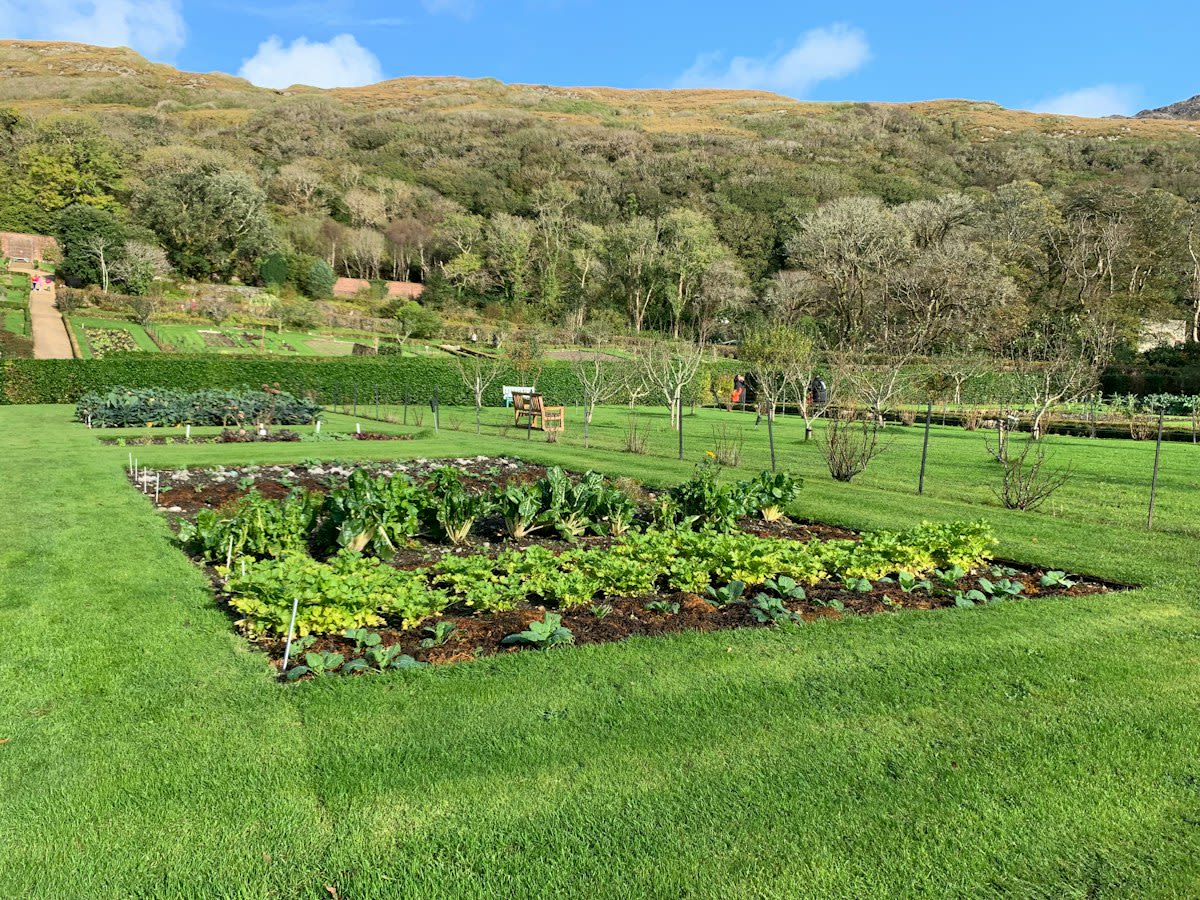
Vaults are not enough. The Svalbard Global Seed Vault is a magnificent insurance policy, but it is a static museum that cannot replace the dynamic evolution of a seed in the field. Life requires movement. Seeds must be planted, stressed, and adapted to the shifting weather of their specific terrain to maintain their staying power. Storage is not survival. Adaptation is the only way forward.
Taste is political. The decision to save a seed that tastes like smoke or honey, even if it yields less per acre, is a rejection of the industrial mandate for maximum volume. It is a choice. By prioritizing the sensory experience of the eater over the profit of the shipper, secret libraries preserve the cultural identity of entire peoples. They save history. Every bite is a memory.
Fact-Check & Accuracy Note
The debate over 'Genetic Erosion' is central to agricultural science. While industrial proponents argue that hybrids are necessary to feed 8 billion people, critics point to the 'bottleneck effect,' where the loss of wild relatives makes our food supply vulnerable to total collapse. Verifiable data from the FAO (2010) confirms a significant decline in crop diversity since the 1900s.
Laws stifle growth. Patent laws that criminalize the saving of seeds force farmers into a state of perpetual dependence on chemical inputs designed for those specific hybrids. This is a leash. The clandestine nature of local libraries is a direct response to a legal terrain that treats a biological process as a corporate invention. They operate in shadows. Legality is not morality.
Complexity wins out. The interplay between local soil microbes and heirloom seeds creates a symbiotic relationship that industrial fertilizers simply cannot replicate. This is a web. When a seed is moved from its home soil to a sterile lab, it loses the invisible partners that help it thrive in the wild. The lab is hollow. Truth lives in the dirt.
Editorial Note
Editorial Note: This analysis intentionally challenges the narrative that centralized seed banks are the primary solution to food security. The author argues that decentralized, community-led efforts are more effective for maintaining the 'evolutionary momentum' of crops.
The fray continues. As climate volatility increases, the value of these hidden libraries will only rise, turning the 'inefficient' heirloom seed into the most valuable asset on earth. We are waking up. The transition from corporate dependence back to community stewardship is not a regression but a necessary correction. It is an awakening. The future is ancestral.
Flavor is power. Those who control the seeds control the flavor, the health, and the economy of the global south. We must act. By supporting secret libraries and local seed swaps, we ensure that the act of eating remains a connection to the earth rather than a transaction with a firm. The choice is ours. Plant the resistance.