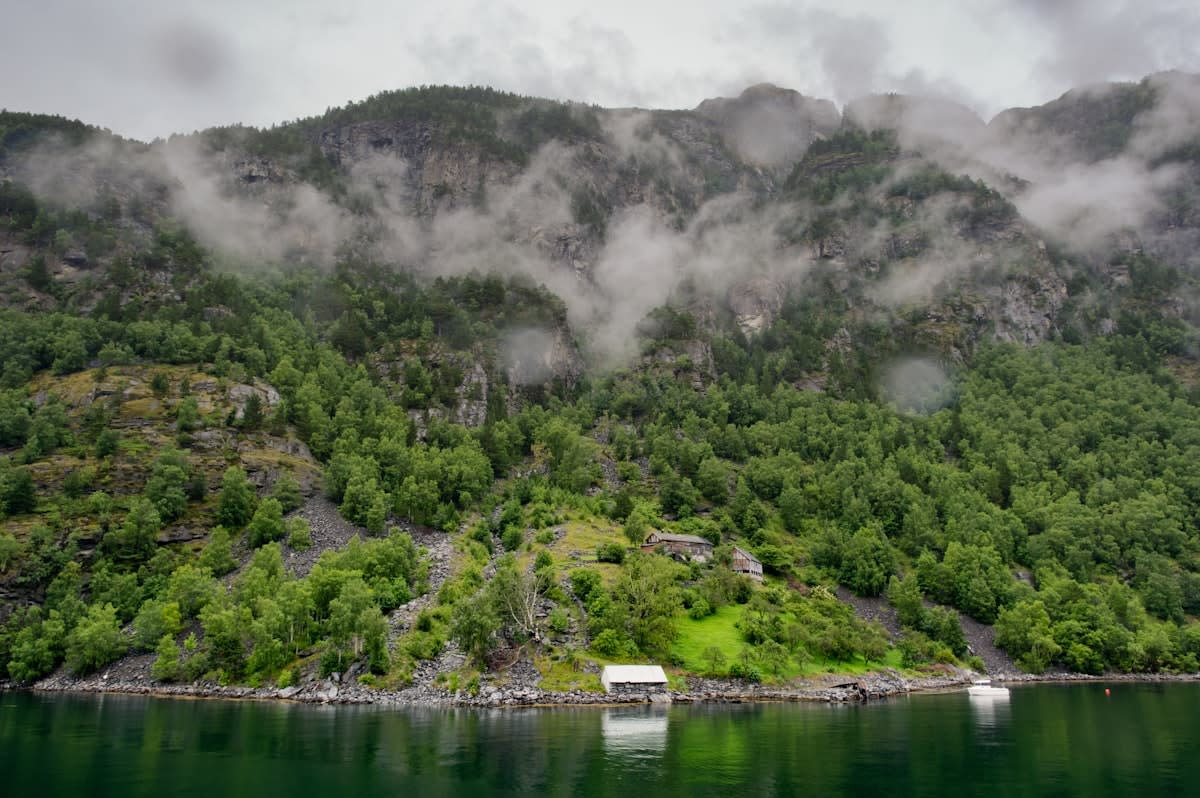
The traditional summer holiday is breaking. For decades, the global elite and middle-class travelers alike chased the Mediterranean sun or the Caribbean coast, treating high temperatures as a proxy for relaxation. But the math has changed. When midday temperatures in Southern Europe consistently breach 40 degrees Celsius, the 'sun-and-sand' model becomes a liability rather than a luxury. Enter the 'coolcation'—a strategic shift toward higher latitudes and higher altitudes to find respite. This isn't just about avoiding heatstroke; it is a fundamental reorganization of how we perceive value in travel. Why fight crowds in a sweltering plaza when you can experience the midnight sun in a quiet Nordic fjord or the crisp air of the Patagonian highlands?
Finding a high-value coolcation requires more than a quick search for 'cold places.' It demands a methodical approach to climate mapping, budget optimization, and impact assessment. Most travelers make the mistake of simply swapping one tourist trap for another—trading the crowds of Santorini for the crowds of Reykjavik. The real art lies in identifying 'secondary hubs': destinations that offer the same thermal relief and aesthetic appeal but lack the predatory pricing and infrastructure strain of primary gateways. Have you ever wondered why some travelers seem to find pristine, affordable escapes while others pay a premium for a crowded 'hidden gem'?
Prerequisites: Your Coolcation Toolkit
Before you book a flight to the Arctic Circle or the Southern Alps, you need a specific set of tools and a mindset shift. You cannot apply tropical travel logic to sub-polar or alpine regions. The volatility of northern weather means that a single day can encompass four seasons. Relying on a standard weather app is a recipe for disaster; you need historical climate data to understand the 'thermal floor' of your destination.
- Climate-Data.org or similar historical weather databases to identify average July/August lows.
- A flexible 'Shoulder-Season' calendar (typically late May to early June, or September to October).
- High-performance, layering-based apparel (merino wool, Gore-Tex) to avoid over-packing bulky gear.
- A commitment to 'Slow Travel' principles to reduce the carbon intensity of reaching remote latitudes.
- A currency conversion strategy for high-cost regions like Scandinavia or Switzerland.
Most people overlook the logistical friction of coolcations. In the south, infrastructure is built for mass tourism; in the north, it is often sparse. You are trading convenience for serenity. This means your prerequisites must include a willingness to handle 'the last mile'—the final leg of a journey that might involve a local ferry, a rental 4x4, or a long-distance train. If you aren't prepared for a lack of ubiquitous ride-sharing apps, you'll find yourself stranded in a very beautiful, very cold place.
The Step-by-Step Sourcing Process
- Define Your Thermal Baseline: Decide on your ideal temperature range. For most coolcationers, this is between 12°C and 22°C. Use climate maps to filter out destinations that still peak too high or drop into uncomfortable freezes during your window.
- Identify the 'Secondary Hub': Instead of the primary capital (e.g., Oslo, Helsinki, Vancouver), look for regional centers within a 3-hour radius. Search for towns with strong local industries—fishing, forestry, or mining—that have recently invested in boutique hospitality. These areas often provide 30-50% better value than the primary tourist hubs.
- Calculate the Value-to-Impact Ratio: Evaluate the transport cost against the local cost of living. A cheap flight to a high-cost destination like Iceland often results in a more expensive trip than a longer train journey to a mid-cost destination like Slovenia or Estonia.
- Audit the Infrastructure Capacity: Check local forums and municipal sites to ensure the destination isn't suffering from 'displacement over-tourism.' If a small village is suddenly trending on social media, move your target 50 miles further north or east.
- Optimize the Transit Loop: Plan a linear or circular route using rail or electric vehicle rentals. Avoid 'hop-on-hop-off' short-haul flights, which are the primary drivers of the carbon footprint in northern travel.
The effectiveness of this process depends on your ability to resist the 'Instagram Effect.' When you see a photo of a mirror-like lake in the Lofoten Islands, remember that ten thousand other people are seeing the same image. The real value is found in the gaps. I always suggest looking at the map and finding the town just past the one everyone is talking about. That is where the prices drop and the authenticity rises.
"The coolcation isn't just a trend; it's a migration of demand. The challenge is ensuring this shift doesn't destroy the very serenity travelers are seeking through unplanned infrastructure spikes in fragile ecosystems."— Sarah Jenkins, Chief Sustainability Officer at Global Travel Alliance
Let's talk about the numbers. The shift is already quantifiable. Search interest for 'coolcations' rose by 40% in the first half of 2024 (Source: Booking.com, 2024). This isn't a fringe movement; it is a systemic response to climate volatility. Furthermore, over-tourism in traditional summer hubs has seen a 15% shift toward northern latitudes in select European markets (Source: European Travel Commission, 2023). This data suggests that the 'window of opportunity' for undiscovered northern gems is closing rapidly.
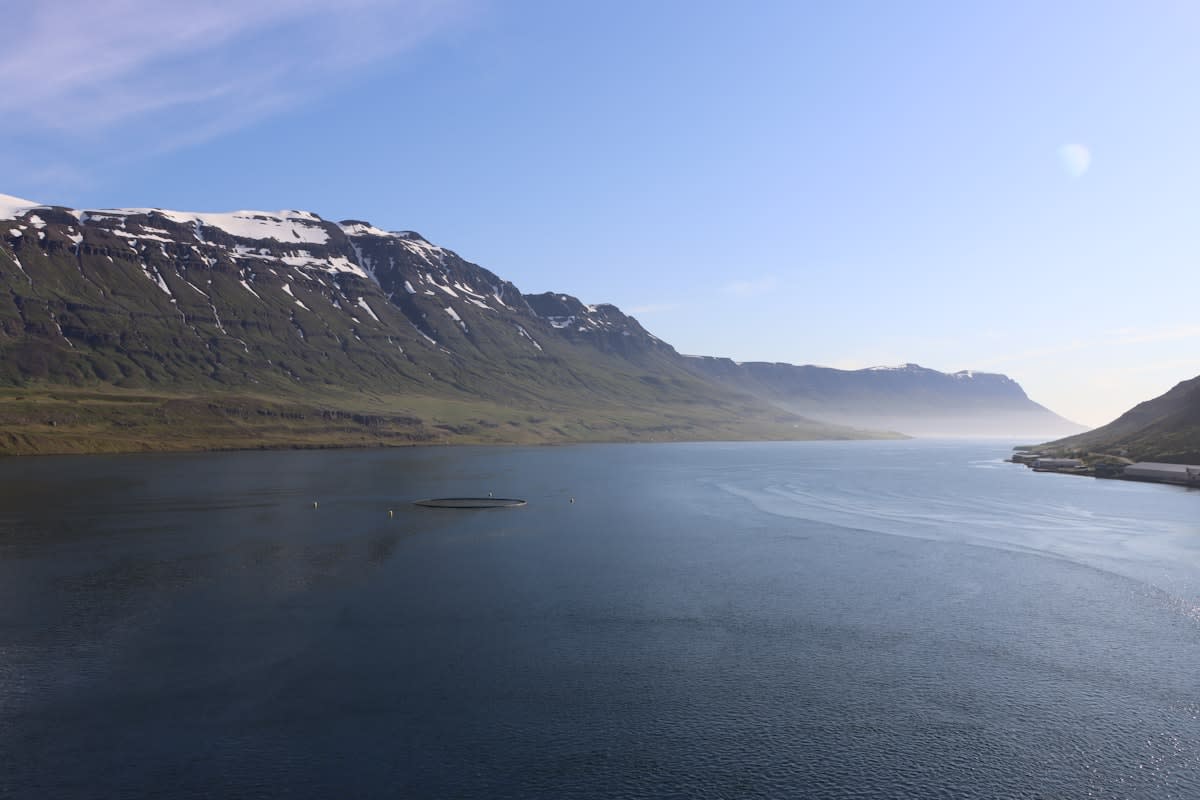
From a practitioner's perspective, the real debate in the travel industry right now is the 'displacement effect.' We argue constantly about whether we are solving the problem of over-tourism or simply relocating the pressure. I've seen this firsthand in small Nordic villages where the infrastructure simply cannot handle a 20% spike in July visitors. The friction happens at the local level: the village bakery runs out of bread by 10 AM, and the hiking trails erode faster than the municipality can repair them. When you choose your destination, you aren't just picking a temperature; you are choosing which local economy to support and which ecosystem to potentially stress.
Common Pitfalls to Avoid
The most common error I see is the 'Ghost Town Trap.' Many travelers book secondary hubs during the shoulder season, only to find that the local economy completely shuts down. In some parts of Northern Canada or rural Scandinavia, the 'season' is brutally short. If you arrive two weeks too late, you might find the only hotel in town closed and the local grocery store operating on limited hours. Always verify 'operational windows' for local services before committing to a remote location.
Another frequent mistake is underestimating the 'Last Mile' cost. You might find a high-value Airbnb in a remote fjord, but if the only way to reach it is a private shuttle costing 200 Euros, your 'value' play has evaporated. Always calculate the total cost of transit from the nearest airport or rail head to your final destination. In the north, distance is measured in time and cost, not just kilometers.
| Factor | Traditional Sun-Vacation | Strategic Coolcation |
|---|---|---|
| Primary Driver | Heat/Beach Access | Thermal Relief/Nature |
| Price Volatility | Extreme Peak in July/August | Moderate Peak / High Shoulder Value |
| Infrastructure | High Density/Mass Market | Low Density/Boutique or Local |
| Environmental Risk | Heatwaves/Wildfires | Ecosystem Erosion/Over-crowding |
Fact-Check & Accuracy Note
Key claims regarding search trends (40% increase) and market shifts (15% shift to north) are sourced from Booking.com (2024) and the European Travel Commission (2023). The 'displacement effect' remains a subject of ongoing debate among urban planners and tourism boards, with no global consensus on the optimal threshold for visitor capacity in fragile northern ecosystems.