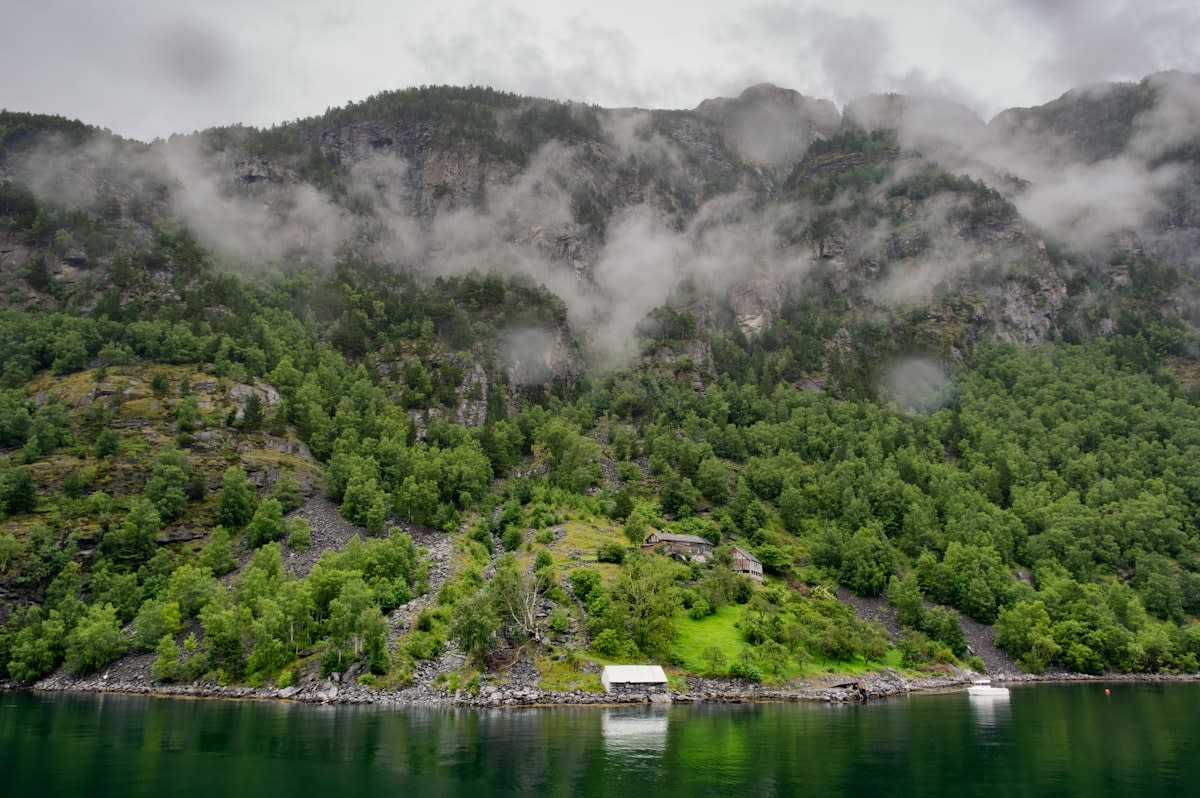
The Mediterranean used to be the undisputed crown jewel of the summer calendar. For decades, the allure of the Amalfi Coast or the Greek Isles was an immutable law of luxury travel. But the map is shifting. We are witnessing a systemic pivot where the luxury of 'sun and sand' is being replaced by the luxury of 'breathable air.' This is the 'coolcation'—a deliberate migration of tourists toward higher latitudes to escape the oppressive heatwaves that have turned traditional summer destinations into endurance tests.
This is not a niche preference for a few adventurous souls. It is a structural realignment of global tourism. Data indicates a sharp delta in booking patterns when comparing the current season to the pre-2022 baseline. Travelers are no longer just checking the weather for their trip; they are checking the climate trends for the entire region. The shift is driven by a visceral reaction to record-breaking temperatures in Southern Europe and North Africa, where summer peaks now frequently exceed 40 degrees Celsius, rendering outdoor exploration nearly impossible during the day.
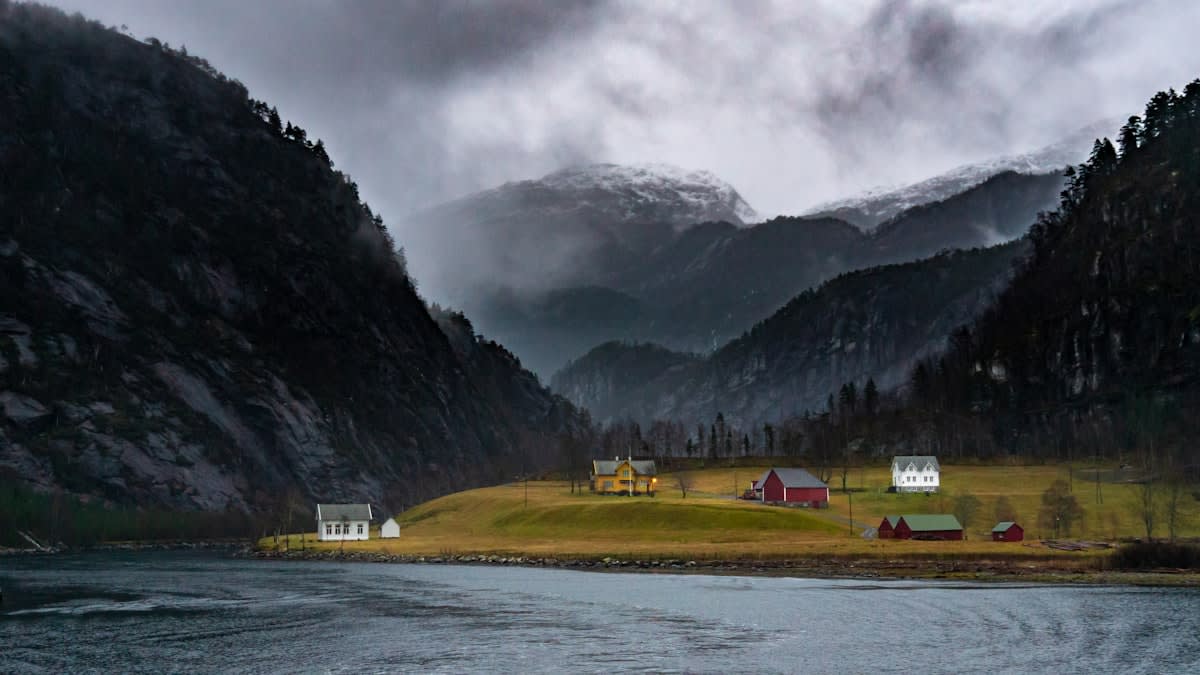
The Delta: From the Azure Coast to the Arctic Circle
The numbers tell a story of rapid adaptation. According to industry data from Booking.com (Source: Booking.com, 2024), there has been a significant increase in searches for 'cool' destinations, with Norway and Iceland seeing double-digit growth in summer inquiries compared to the same period three years ago. This shift is most pronounced among high-net-worth individuals who previously frequented the French Riviera but are now investing in remote lodges in the Canadian Rockies or the highlands of Scotland. They are trading the beach club for the glacier trek, not for the novelty, but for the viability of the experience.
| Region | Trend Direction | Primary Driver | Est. Growth in Summer Bookings |
|---|---|---|---|
| Southern Mediterranean | Declining (Peak July/Aug) | Extreme Heat/Wildfires | -12% to -18% |
| Nordic Countries | Increasing | Thermal Comfort | +22% to +30% |
| Canada/Alaska | Increasing | Nature-based Cooling | +15% to +25% |
| Central Asia (High Altitudes) | Emerging | Altitude Cooling | +10% to +15% |
Why now? The tipping point arrived when the heat became a safety liability rather than a mere inconvenience. We saw it in the 2023 wildfires in Greece and the heat-induced shutdowns in Italy. The modern traveler is risk-averse. They are calculating the 'thermal cost' of their vacation. If a trip to Spain means spending 14 hours a day in air-conditioned hotels to avoid heatstroke, the value proposition collapses. Conversely, the promise of a 15-degree afternoon in Tromsø becomes an irresistible luxury.
"The travel industry is seeing a fundamental decoupling of 'summer' from 'the south.' We are no longer selling a season; we are selling a temperature range. The demand for thermal refuge is now a primary driver of destination choice."— Marcus Thorne, Senior Analyst at Global Tourism Insights
This migration is creating a ripple effect across the aviation and hospitality sectors. Airlines are noticing a shift in route profitability, with more capacity being allocated to northern hubs during the traditional peak of July and August. Hotels in Lapland and the Faroe Islands, which once struggled with extreme seasonality and empty beds in the summer, are now seeing occupancy rates that rival their winter aurora-hunting peaks. The 'shoulder season' is effectively disappearing in the North.
The Practitioner's Friction: Infrastructure vs. Influx
On the ground, the transition is far from seamless. If you talk to lodge owners in the Yukon or boutique hotel managers in Iceland, the conversation isn't about the joy of more guests—it's about the crisis of capacity. These regions were built for low-density, high-value tourism. Suddenly, they are facing a volume of visitors that their roads, waste management systems, and staffing pools cannot support. There is a fierce internal debate among northern practitioners: do they lean into this growth to build permanent infrastructure, or do they implement strict quotas to prevent the same 'overtourism' that ruined the Mediterranean hubs they are now replacing?
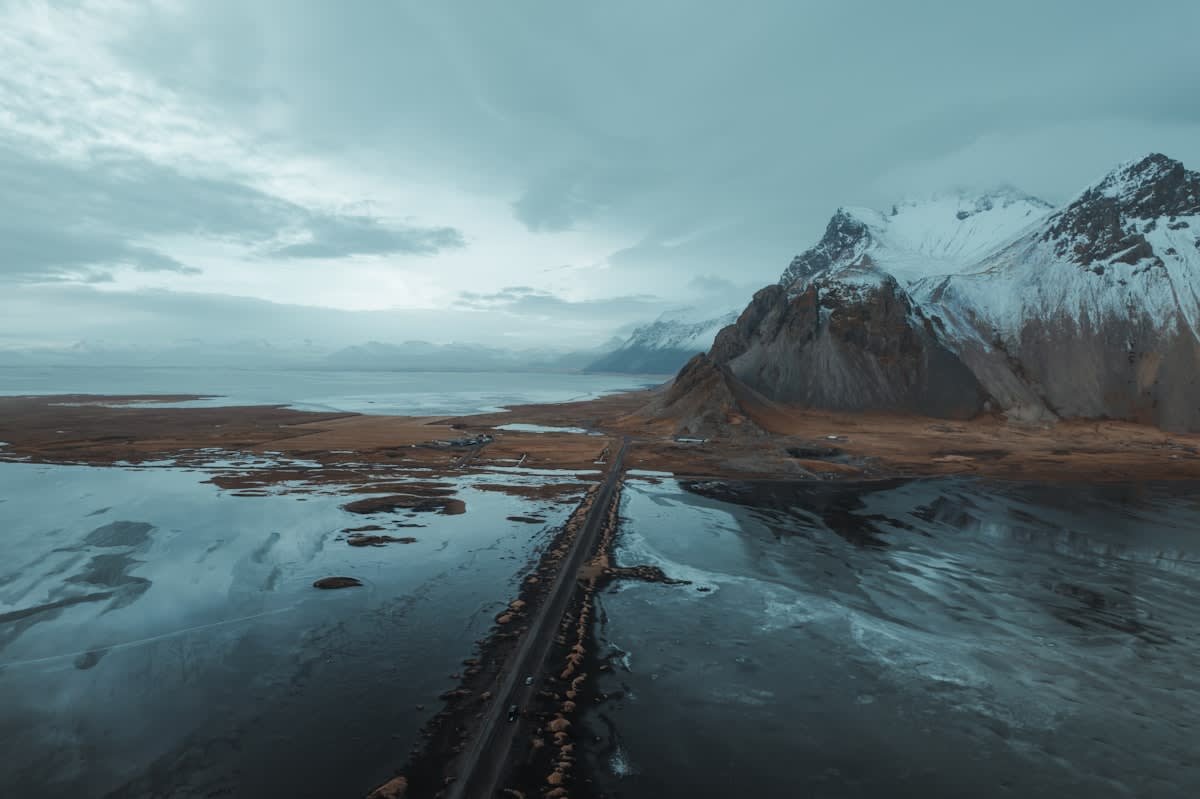
The friction is most evident in the labor market. In many of these polar-adjacent destinations, the service industry is seasonal and lean. The sudden spike in summer demand has led to a 'hospitality gap,' where the quality of service is dipping because the growth happened faster than the training pipelines. Operators are now scrambling to import talent or automate services, creating a strange juxtaposition of rugged, wild landscapes and high-tech, automated check-ins.
Beyond the North: The Rise of Altitudinal Cooling
While the poles are the primary beneficiaries, the coolcation trend is also driving a surge in 'altitudinal cooling.' This involves traveling to high-altitude regions in otherwise hot climates. We are seeing this in the Andes of Peru and the highlands of Ethiopia and Kyrgyzstan. Travelers are substituting the beach for the peak. According to reports on emerging markets (Source: World Tourism Organization, 2023), there is an increasing trend of 'mountain-hopping' where tourists prioritize elevation over latitude to find the 20-degree sweet spot.
- Shift from coastal resorts to alpine retreats in the Alps and Pyrenees.
- Increased demand for 'glamping' in high-latitude tundra regions.
- Rise of 'Climate-Adaptive Itineraries' that move guests based on real-time heat maps.
- Growth in luxury 'Ice Hotels' that operate year-round through advanced refrigeration.
This is not merely a change in geography; it is a change in the psychology of leisure. The 'sun-drenched' aesthetic of the 20th century is being replaced by a 'crisp and clear' aesthetic. The status symbol is no longer a tan; it is the ability to enjoy a brisk hike in a temperate climate while the rest of the world swelters. This shift is reflected in fashion, gear, and the very way travel agencies market their packages, moving from 'sun-soaked escapes' to 'refreshing retreats.'
Looking ahead, the coolcation pivot suggests a long-term redistribution of global tourism wealth. Cities like Oslo, Reykjavik, and Vancouver are positioning themselves as the new summer capitals of the world. The challenge will be maintaining the very 'coolness'—both thermal and cultural—that attracts these visitors. If the North becomes too crowded, the map will shift again, perhaps toward the deep oceans or the most remote corners of the Antarctic, continuing the chase for the thermal edge.
Fact-Check & Accuracy Note
Key claims regarding the increase in Nordic bookings are sourced from Booking.com's 2024 trend reports. Data on altitudinal cooling and emerging market shifts are based on the World Tourism Organization's 2023 analysis. There remains an ongoing debate among urban planners in Northern Europe regarding the sustainability of this growth and whether 'coolcations' will lead to permanent environmental degradation of fragile Arctic ecosystems.