
The Death of the Bucket List
For decades, global tourism operated on a colonial-era logic of concentration. Travelers flocked to a handful of 'must-see' capitals—Paris, Venice, Kyoto, New York—creating a winner-take-all economic model. This 'Bucket List' mentality turned cities into theme parks of their former selves, where the cost of entry skyrocketed while the actual experience diluted. Why pay a premium to stand in a three-hour queue for a monument you've already seen a thousand times on a screen? The psychological contract between the traveler and the destination has snapped.
We are witnessing a systemic decoupling. The modern traveler is no longer seeking the validation of a checklist; they are seeking a price-performance ratio that the legacy hubs can no longer provide. This isn't a mere trend in 'slow travel' or a niche preference for the adventurous. It is a rational economic response to the inflation of the 'Tourist Trap.' When the cost of a mediocre hotel in a primary hub exceeds the cost of a luxury villa in a secondary city, the capital will inevitably migrate. (Source: UN Tourism, 2023)
"The concentration of tourism in a few 'super-hubs' has reached a point of diminishing returns. We are seeing a structural pivot where sustainable growth is now found in the periphery, not the center."— World Tourism Organization (UNWTO), Strategic Outlook 2024
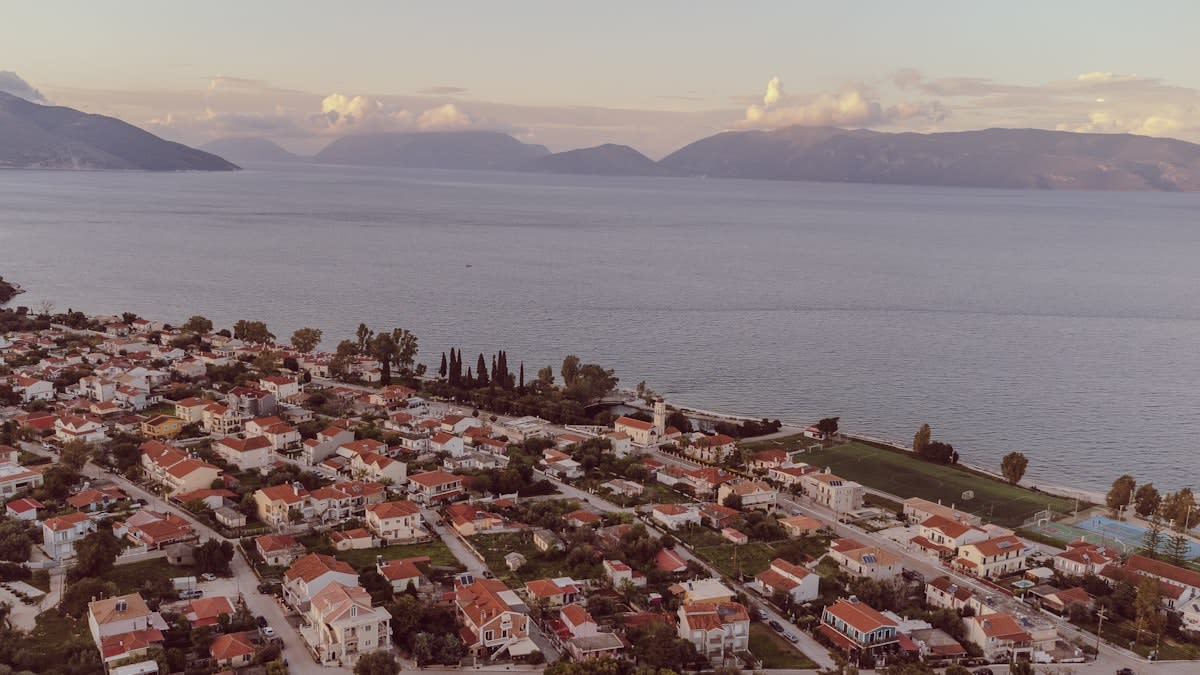
This migration of capital is creating a new class of 'Destination Dupes.' These are locations that offer a similar aesthetic or cultural vibe to a primary hub but at a fraction of the cost and friction. Albania is the new Maldives; Uzbekistan is the new Silk Road alternative to more crowded Central Asian routes; the Alentejo region is replacing the overcrowded Algarve. This is not accidental. It is a coordinated effort by emerging economies to capture the leakage of wealth from over-saturated markets.
Crucially, this shift is redrawing the global economic map. Local governments in these secondary nodes are no longer waiting for the trickle-down effect from the capital city. They are building independent infrastructure—boutique hotels, regional airports, and digital nomad hubs—to attract high-spending, long-stay visitors. The result is a dispersion of GDP that strengthens regional resilience and reduces the fragility of national economies dependent on a single 'golden goose' city.
But the transition from a hub-and-spoke model to a dispersed network isn't without significant friction.
The Geography of the 'Dupe' Economy
To understand the scale of this shift, we must look at the delta between legacy hub growth and emerging node growth. While primary cities are implementing 'tourist taxes' and entry fees to curb crowds, secondary cities are aggressively lowering barriers to entry. (Source: OECD Tourism Trends, 2023). This creates a vacuum effect, pulling millions of travelers away from the center. The economic impact is staggering: we are seeing a shift in hospitality investment from the 'Top 10' global cities to 'Tier 2' and 'Tier 3' regional centers.
| Metric | Legacy Hyper-Hubs | Emerging Dispersion Nodes |
|---|---|---|
| Average Daily Spend (USD) | 450 - 800 | 120 - 300 |
| Visitor Sentiment (Local) | Hostile/Saturated | Welcoming/Opportunistic |
| Annual Growth Rate (Visitor Vol) | 1-3% (Stagnant) | 12-25% (Rapid) |
| Infrastructure Focus | Crowd Control/Taxation | Capacity Expansion/Connectivity |
Does this mean the great capitals will collapse? Hardly. But their role is changing. They are shifting from 'primary destinations' to 'gateway hubs.' A traveler might land in London or Tokyo, but they spend only 48 hours there before heading to the periphery. This reduces the pressure on the city core while extending the economic benefit to the hinterlands. The 'gateway' model is more sustainable, but it requires a total rethink of how urban transport and regional connectivity are funded.
The Practitioner's Friction: Infrastructure vs. Income
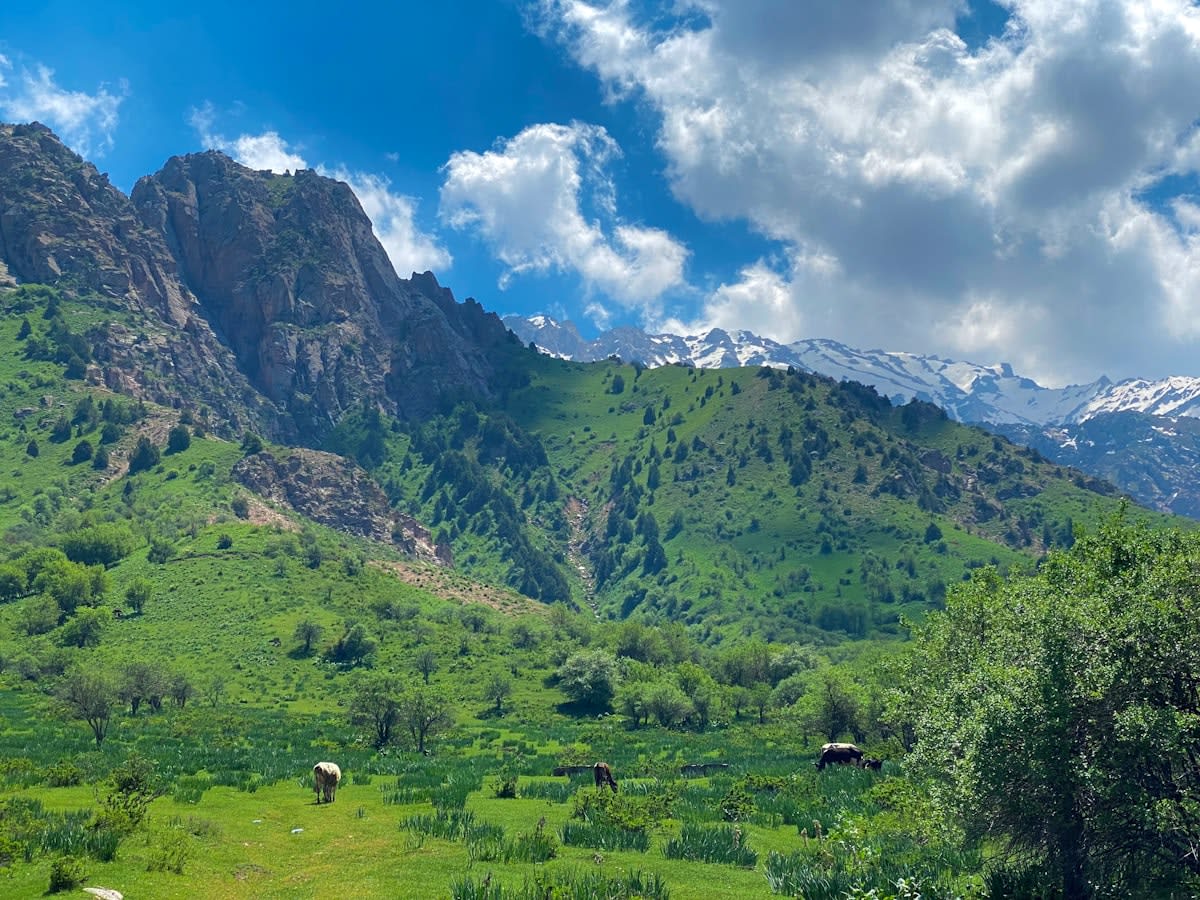
From the perspective of a regional planner, this dispersion is a double-edged sword. In my years consulting for regional development boards, the tension is always the same: the local mayor wants the GDP spike, but the city engineer is terrified the sewage system will collapse under a 300% increase in foot traffic. The debate isn't about whether to accept tourists, but how to scale without destroying the very 'authenticity' that attracted the visitors in the first place. This is the 'Paradox of Discovery'—the moment a place becomes a viable 'dupe,' it begins its own journey toward becoming a tourist trap.
Real-world friction manifests in the conflict between short-term rental gains and long-term housing stability. When a secondary city in Georgia or Portugal suddenly becomes the 'next big thing,' Airbnb-ification happens overnight. Local practitioners are now debating 'zoning for resilience'—creating strict limits on non-resident housing to ensure that the economic windfall of tourism doesn't price out the service workers who make the destination function. (Source: World Economic Forum, 2024)
This ground-level struggle is a microcosm of a larger systemic reallocation of global capital.
Systemic Implications for Global Capital
The flight from tourist traps is fundamentally a reallocation of investment. We are seeing a pivot toward 'distributed hospitality.' Instead of massive 1,000-room resorts in a single hub, investors are funding clusters of smaller, high-yield boutique properties across a wider geographic area. This reduces the risk of 'single-point failure'—where a strike in one city or a natural disaster in one hub wipes out an entire season's revenue.
- Diversification of Investment: Capital is flowing into secondary airport expansions and regional rail networks.
- Digital Nomadism as an Anchor: The rise of remote work has turned 'vacations' into 'workations,' increasing the average length of stay from 4 days to 21+ days.
- Cultural Arbitrage: Travelers are now valuing 'unfiltered' experiences over curated luxury, driving demand for rural and industrial heritage sites.
- Economic Decentralization: Wealth is moving from metropolitan centers to rural provinces, stimulating local entrepreneurship.
The bottom line is that the global economic map is becoming more granular. The era of the 'super-destination' is being replaced by a network of 'micro-destinations.' This is a more resilient system. It distributes the environmental burden of tourism and prevents the total cultural sterilization of the world's most famous cities. While the transition is messy, the result is a more balanced global economy where value is derived from uniqueness rather than fame.
Fact-Check & Accuracy Note
Key claims regarding the shift in visitor volume and growth rates are sourced from UN Tourism (2023) and OECD Tourism Trends (2023). The analysis of 'zoning for resilience' and housing stability refers to frameworks discussed in the World Economic Forum's 2024 reports on sustainable urbanism. There remains an ongoing debate among economists regarding whether 'Destination Dupes' simply move the problem of overtourism rather than solving it.