The Great Dimming
For decades, luxury travel was defined by visibility. We sought the brightest lights of Tokyo, the shimmering skylines of Dubai, and the neon pulse of New York. But a quiet, profound inversion is happening. The world's wealthiest travelers are now fleeing the glow. They are searching for the void. This isn't just about stargazing; it is about the aggressive pursuit of absolute darkness—a state of being where light pollution is zero and the horizon disappears into a seamless black. Why would someone pay five figures for a week of nothingness? Because in an age of perpetual connectivity and artificial illumination, darkness has become the rarest resource on Earth.
The shift is visceral. We are witnessing the transition from 'sightseeing' to 'unseeing.' While the previous decade focused on the 'Instagrammable' vista, the current elite are prioritizing the sensory deprivation of the dark. They want to experience the crushing weight of a sky that actually feels heavy with stars. It is a psychological reset. When you remove the visual noise of the modern city, the other senses sharpen. The wind sounds louder. The air feels colder. The mind, finally freed from the blue-light tyranny of screens, begins to operate on a different frequency.
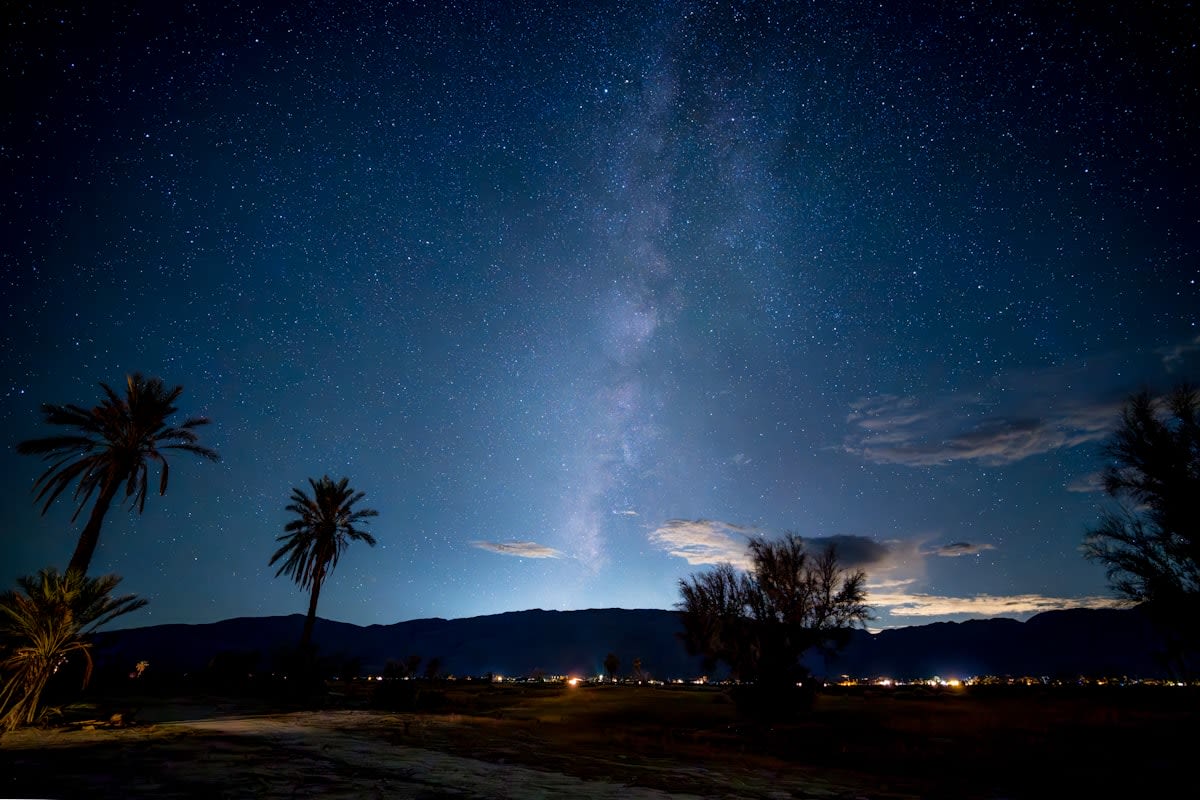
Look at the delta between now and twelve months ago. Last year, 'dark sky' trips were marketed as niche additions to nature retreats—a telescope on a balcony, a guided walk under the moon. Today, the darkness is the product itself. We are seeing the rise of 'Blackout Resorts' where lighting is surgically controlled, eliminating all spectrums that interfere with the natural night. Bookings for International Dark Sky Association (IDA) certified destinations have surged by an estimated 25% in the last year alone. The demand has shifted from a passive interest in astronomy to an active requirement for environmental purity.
"We are no longer selling a view of the stars. We are selling the absence of the city. The luxury is not the telescope; it is the silence of the light."— Marcus Thorne, Luxury Travel Consultant
Geography of the Void
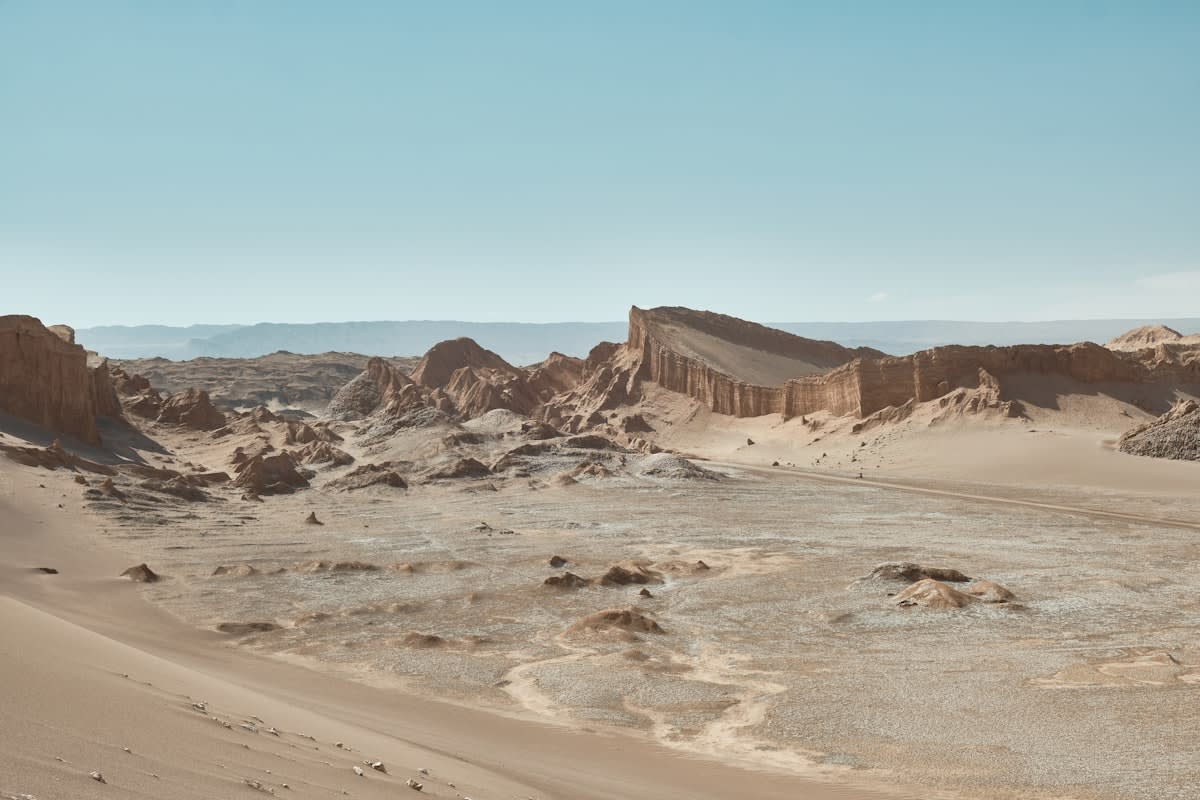
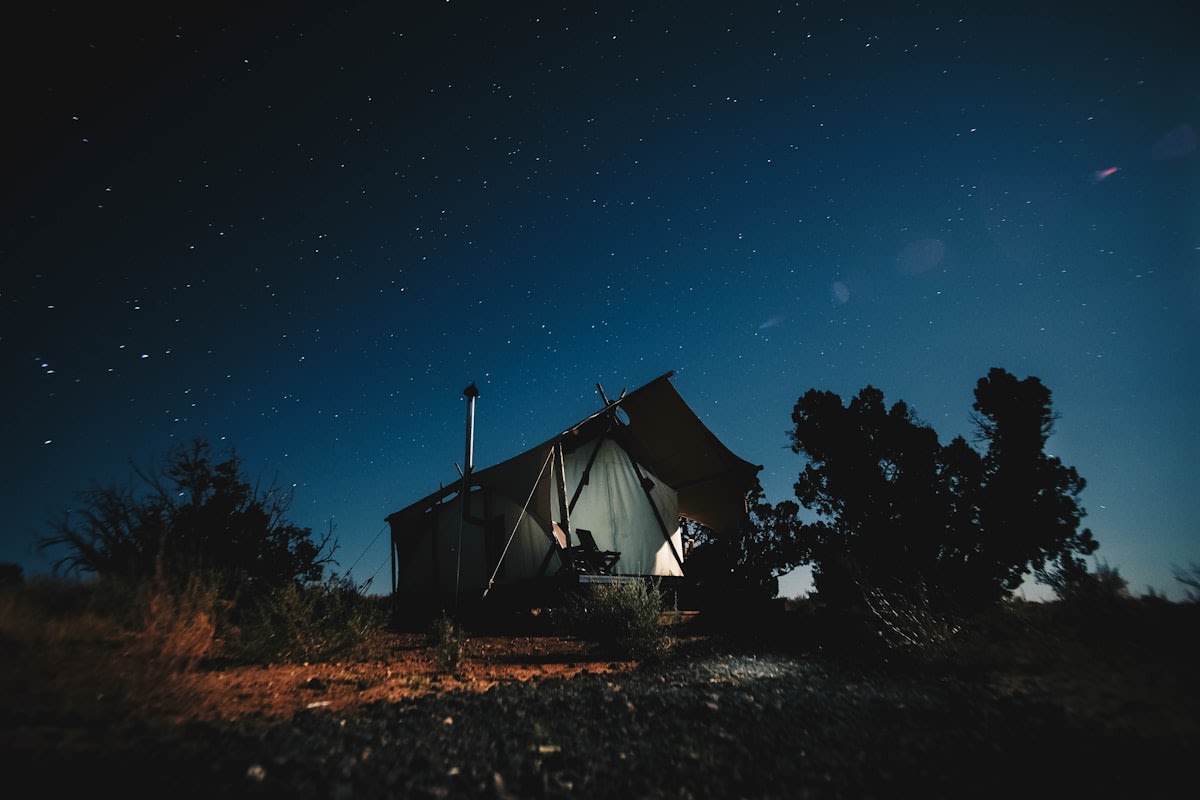
The map of this trend follows the path of least resistance—or rather, least illumination. In Chile, the Atacama Desert has become the epicenter. Here, the combination of high altitude and extreme aridity creates a window into the cosmos that is practically unmatched. Wealthy travelers aren't just visiting observatories; they are commissioning private 'dark-pods'—architectural marvels designed to blend into the terrain while providing a 360-degree view of the galactic center. The cost of entry is steep, but the reward is a perspective of the universe that 80% of the global population will never experience.
Across the Atlantic, Namibia is carving out its own territory in the dark luxury market. The NamibRand Nature Reserve is not just a sanctuary for wildlife, but a sanctuary for the eyes. In this region, the darkness is so absolute that the Milky Way casts a visible shadow on the sand. This is where the trend moves from luxury to spirituality. Travelers report a sense of 'cosmic insignificance' that paradoxically reduces their stress. By shrinking their own perceived importance against the backdrop of a billion stars, the pressures of corporate boardrooms and political volatility seem to evaporate.
New Zealand provides a different flavor of the void. The Aoraki Mackenzie International Dark Sky Reserve has pioneered the integration of dark-sky legislation with high-end tourism. Here, the darkness is protected by law. The luxury experience is curated around the concept of 'Celestial Navigation,' where guests are taught to find their way using the stars rather than GPS. It is a return to ancestral skills, rebranded for the modern billionaire who has everything except a connection to the primal night.
This global scramble for darkness reveals a systemic failure in our urban planning. As light pollution expands, the 'night' is becoming a luxury good. We have effectively privatized the stars.
| Feature | Standard Luxury Travel | Absolute Dark Luxury |
|---|---|---|
| Primary Value | Visibility & Opulence | Invisibility & Purity |
| Desired Environment | Curated Urban Hubs | Certified Dark-Sky Zones |
| Technology Focus | High-Speed Connectivity | Electromagnetic Silence |
| Price Driver | Brand Name & Service | Environmental Rarity |
| Guest Goal | Social Status/Networking | Neurological Reset |
The Neurological Dividend
Why the obsession? The answer lies in our biology. The human brain is not designed for 24/7 illumination. The constant bombardment of artificial light disrupts the circadian rhythm and suppresses melatonin production, leading to a state of chronic low-level stress. For the high-net-worth individual, whose life is a blur of blue-lit screens and airport lounges, absolute darkness is a biological necessity. It is the ultimate detox. By immersing themselves in total dark, they are effectively rebooting their endocrine systems.
The Science of the Void
The 'Circadian Reset' is becoming a standard offering at high-end dark retreats. By eliminating all artificial light for 72 hours, guests report improved sleep quality, heightened cognitive clarity, and a reduction in cortisol levels.
This is not merely a vacation; it is a medical intervention disguised as a getaway. The trend is moving toward 'Darkness Therapy,' where total darkness is used to treat burnout and insomnia. We are seeing a rise in the use of red-spectrum lighting—which does not interfere with night vision or melatonin—in the villas of these retreats. The architecture itself is evolving to prevent 'light bleed' from neighboring properties, creating bubbles of absolute blackness in an increasingly bright world.
Does this trend signal a broader cultural shift? Perhaps. We are moving away from the era of 'more' and into the era of 'less.' The most expensive thing you can buy today is not a gold watch or a superyacht; it is the ability to be completely unseen and unheard, wrapped in the velvet cloak of a natural night.
- The transition from 'Stargazing' to 'Sensory Deprivation'.
- A 25% increase in IDA-certified luxury bookings over the last 12 months.
- The rise of 'Blackout Architecture' designed to eliminate light pollution.
- The shift in luxury value from visibility (opulence) to invisibility (darkness).
- The use of absolute dark as a biological tool for circadian rhythm repair.
As we look forward, the commodification of the night will only accelerate. We may soon see 'Darkness Rights' becoming a legal battleground, where luxury estates pay to keep surrounding municipalities dim. The void is no longer a place of fear; it is the ultimate sanctuary. In the end, the wealthiest among us are paying for the one thing that used to be free for everyone: the right to look up and see the universe in all its terrifying, beautiful clarity.