The Philosophy of the Unseen
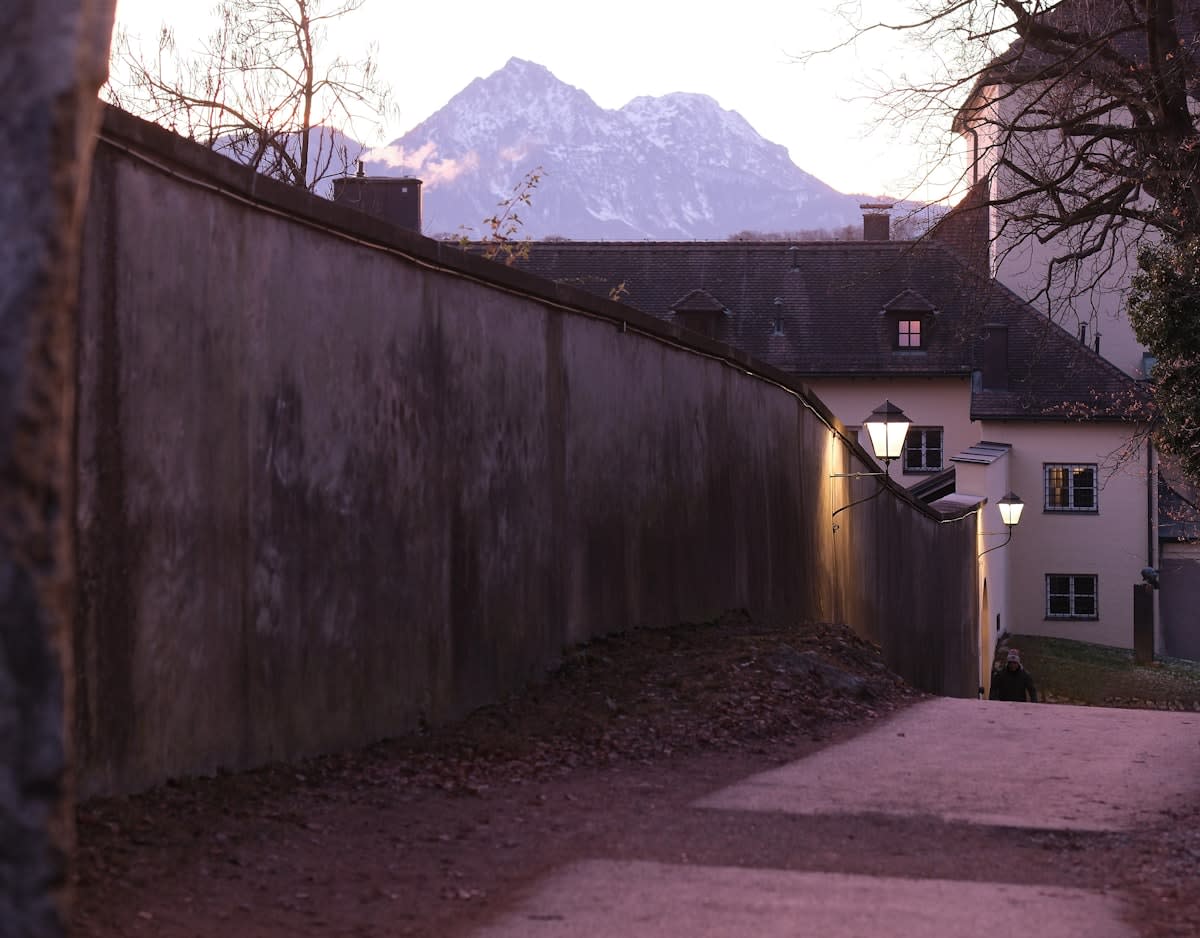
Stop following the blue dot. For a decade, global travel has been reduced to a checklist of curated vistas, where the goal is not experience but verification. We have entered the era of the Instagram-Queue, where travelers wait three hours to photograph a doorway they have no interest in entering. This is not exploration; it is a pilgrimage to a digital altar. Under-tourism is the strategic rejection of this cycle. It is the intentional pursuit of spaces that lack the infrastructure of mass tourism but possess a surplus of cultural integrity. Why settle for a sanitized version of a city when the raw, unpolished reality exists just two train stops further?
Defining the Shift
Under-tourism is not about visiting 'empty' places; it is about finding places where the local rhythm outweighs the tourist economy. It is the shift from being a consumer of a destination to being a guest within a community.
The psychological toll of over-tourism is evident in the resident-to-tourist ratios of global hubs. In cities like Venice, where the ratio can swing wildly toward the visitor during peak seasons, the resulting friction creates a hostile environment for both parties. When 30% of residents in high-density European hubs report a decreased quality of life due to tourist saturation, the ethical imperative for the traveler shifts. We must move toward a model of distribution. By diverting our presence to under-touristed regions, we don't just find peace; we distribute economic benefits to communities that are often ignored by the global travel industry.
Prerequisites for the Intentional Traveler
Before you can master the art of the quiet map, you must strip away the safety nets of modern travel. The primary barrier to discovering meaningful spaces is the desire for frictionless convenience. Under-touristed areas rarely have English-language signage, seamless ride-sharing apps, or hotels with 24-hour concierge services. You are trading convenience for authenticity. This requires a fundamental shift in mindset: you must accept that the most rewarding moments often emerge from the friction of not knowing exactly where you are or how to ask for the bill.
- Cultural Humility: The willingness to be the least knowledgeable person in the room.
- Analog Tools: A physical map and a notebook to record observations without the distraction of a screen.
- Linguistic Basics: Mastery of at least 50 core phrases in the local tongue to break the 'tourist bubble'.
- Temporal Flexibility: An itinerary that allows for three-day detours based on local recommendations.
- Low-Impact Gear: Equipment that blends in rather than announcing your status as a visitor.
The Strategic Framework for Discovery
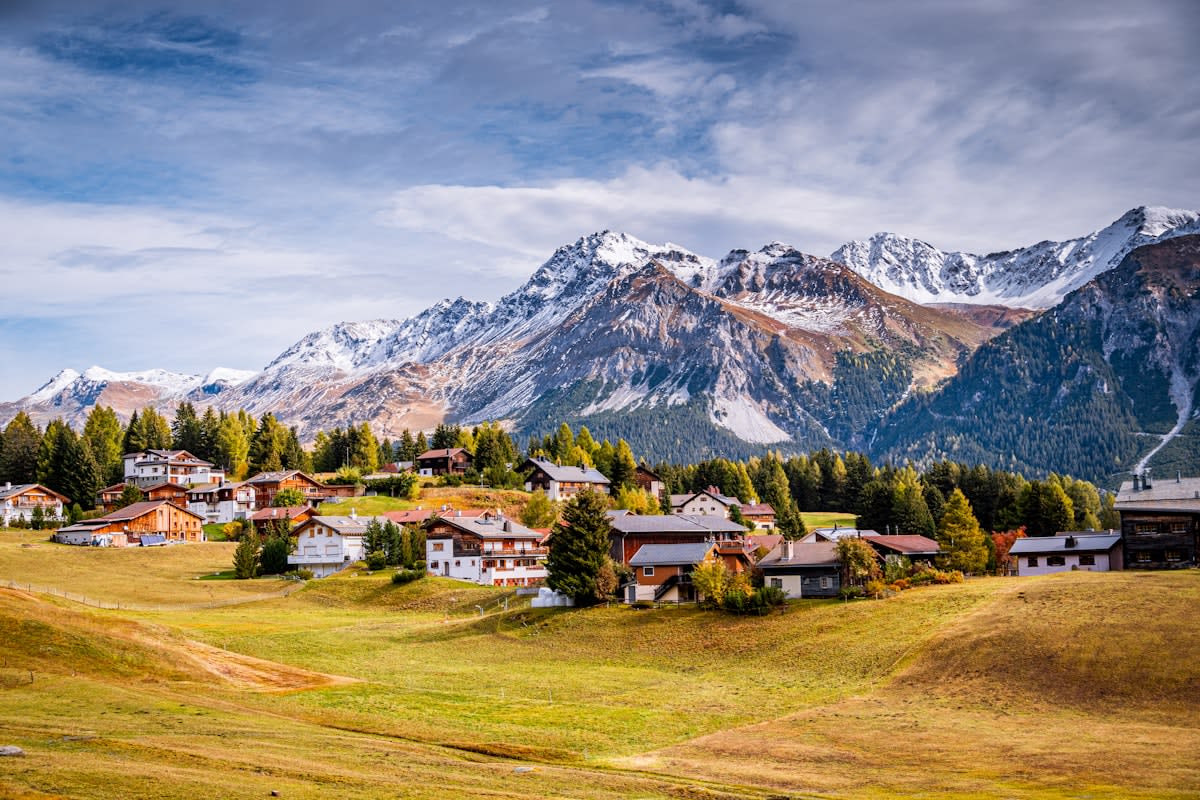
Finding these spaces is a science of elimination. You cannot find the uncrowded by searching for 'hidden gems' on a search engine; the moment a place is labeled a 'hidden gem' on a blog, it ceases to be hidden. Instead, you must analyze the flow of global transit. Look for the 'Second-City' pivot. Every country has a primary hub that absorbs 80% of the tourism. The Second City—often an industrial center, a regional administrative capital, or a former trade port—usually offers the same cultural density with a fraction of the crowd. While the world flocks to Tokyo, the discerning traveler looks to Kanazawa. While Paris is choked with queues, Lyon offers a deeper dive into the culinary soul of France.
- The Second-City Pivot: Identify the primary tourist hub and move one tier down the urban hierarchy to a regional center.
- Infrastructure Gap Analysis: Locate areas that are accessible by public transit but lack a high density of international hotel chains.
- Temporal Shifting: Schedule visits during the 'true' shoulder season—the awkward weeks between the official tourist windows when local life resumes its natural pace.
- The Linguistic Wedge: Use local-language search terms (translated via deep-learning tools) to find forums and blogs written by residents for residents.
- The Localized Feedback Loop: Spend your first 48 hours in a location asking locals where they go to escape the city, then go there immediately.
Implementing the Linguistic Wedge is perhaps the most powerful tool in your arsenal. Most travelers rely on English-language reviews, which creates a feedback loop that steers everyone toward the same five restaurants. By searching for 'best local eats' in the native language of the region, you unlock a different map entirely. You will find the family-run bistro in a residential neighborhood of Seoul or the hidden courtyard cafe in a quiet district of Mexico City. These spaces operate on a different social contract; they aren't designed to impress a visitor, but to serve a neighbor.
"The most meaningful experiences are found not in the destination, but in the gap between the map and the reality. When you stop looking for the landmark, you start seeing the place."— Julian Thorne, Global Transit Strategist
Consider the impact of temporal shifting. The industry speaks of 'shoulder seasons,' but these have become commercialized. To truly experience under-tourism, you must look for the 'dead zones'—the Tuesdays in November or the rainy Thursdays in May. In these windows, the economic pressure on the local population eases. You are no longer a walking wallet; you are a curiosity. This shift in perception changes the nature of your interactions from transactional to relational. You are more likely to be invited into a home or shown a private gallery when you aren't just another face in a swarm of ten thousand.
| Metric | Over-Touristed Hub | Under-Touristed Alternative |
|---|---|---|
| Primary Motivation | Visual Validation | Cultural Immersion |
| Economic Flow | Global Chains | Local Micro-Entrepreneurs |
| Resident Sentiment | Resentment/Fatigue | Curiosity/Hospitality |
| Pace of Experience | Accelerated/Scheduled | Organic/Slow |
The data supports this divergence. Recent shifts in travel behavior show a 25% increase in search volume for 'slow travel' and non-capital destinations. This isn't just a trend; it is a survival mechanism for the travel industry. When the second-city strategy is applied, the economic impact is distributed more equitably. A 10-15% increase in visitor spending in a regional town can fund a new library or repair a historic bridge, whereas the same spending in a saturated hub often just lines the pockets of international hotel conglomerates.
Avoiding the Discovery Paradox
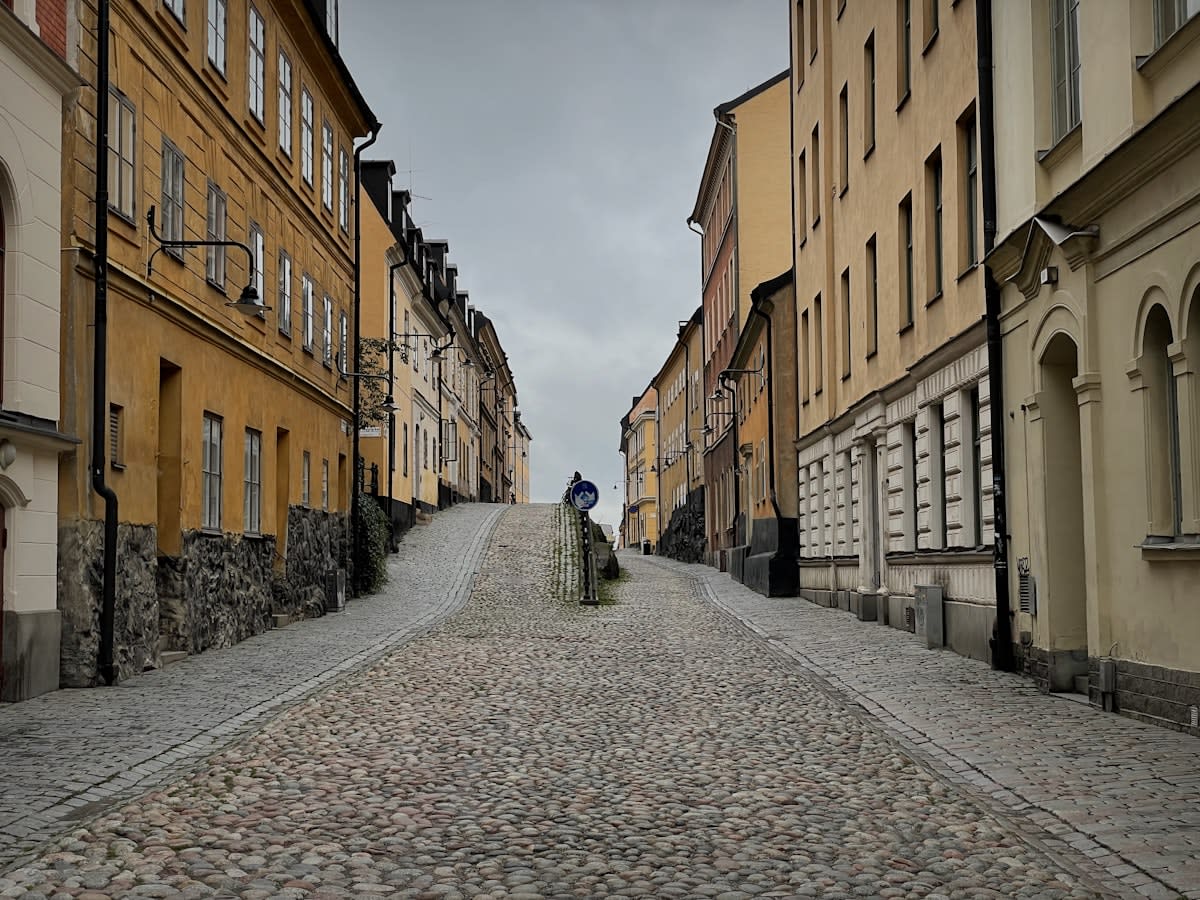
There is a danger inherent in the pursuit of the uncrowded: the Discovery Paradox. The moment a practitioner of under-tourism shares a 'secret' location on a global platform, they begin the process of destroying the very quality they admired. To combat this, you must adopt a policy of selective silence. Do not geotag specific, fragile locations. Do not promote the 'hidden' spot to a mass audience. The goal is to maintain the equilibrium of the space. If you treat a quiet village as a trophy to be displayed, you are merely a different flavor of the same consumerist tourist.
- The 'Influencer' Trap: Posting high-resolution imagery of a fragile site, leading to a sudden surge in unsustainable foot traffic.
- The Savior Complex: Assuming that a local community 'needs' your tourism to survive, rather than asking what they actually want.
- The Comfort Bubble: Trying to force the amenities of a five-star hotel onto a rustic guesthouse, eroding the local character.
- The Linguistic Lazy-Loop: Relying entirely on translation apps without attempting the vulnerability of speaking the language.
- The Checklist Mindset: Visiting a quiet place just to say you've been somewhere 'off the beaten path', without engaging in the culture.
Ultimately, the art of under-tourism is an exercise in restraint. It is the ability to be present in a space without the need to capture it for an audience. By focusing on the periphery, we rediscover the joy of the unknown. We move from being observers of a staged performance to participants in a living history. The world is still vast, still mysterious, and still quiet—if you are brave enough to stop following the map and start reading the land.