The Pivot from Restriction to Incentive
For years, the playbook for overcrowded cities was simple: build a fence or set a cap. We saw this in the abrupt closures of Maya Bay in Thailand or the strict permit systems in Machu Picchu. But a sharper, more calculated shift has emerged over the last twelve months. We are moving away from the blunt instrument of the 'ban' and toward the surgical precision of 'Silent Tourism'. This isn't about stopping travel; it is about using economic levers to nudge visitors toward the periphery, effectively paying them—via vouchers, tax rebates, or discounted access—to avoid the historic core during peak windows.
Contrast the data from early 2023 with the current landscape. A year ago, the narrative was dominated by 'anti-tourism' protests in places like Barcelona and the Canary Islands, characterized by local anger and reactive legislation. Today, the approach is proactive and algorithmic. Cities are now treating tourist flow like electrical grids, implementing 'demand management' to prevent system failure. The goal has shifted from maximizing arrival numbers to maximizing the 'spatial distribution' of those arrivals. Why fight the crowd when you can simply price them out of the center and incentivize them toward the outskirts?
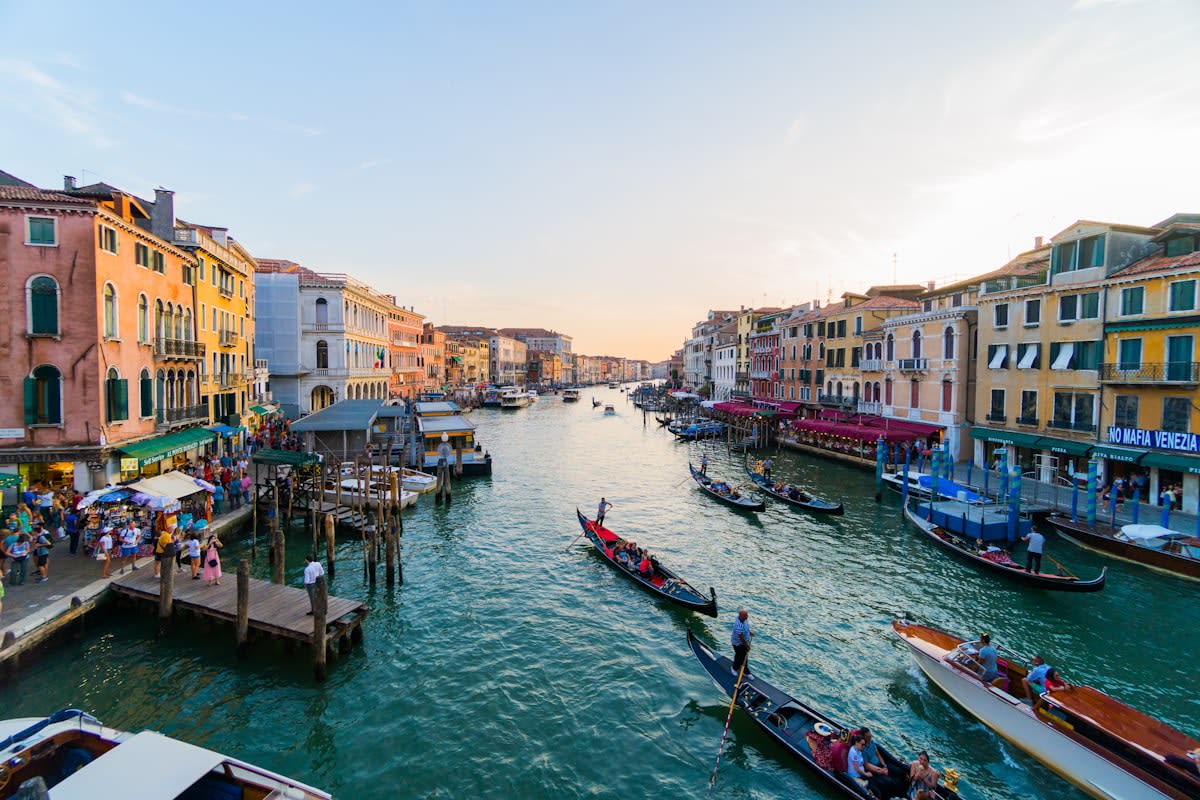
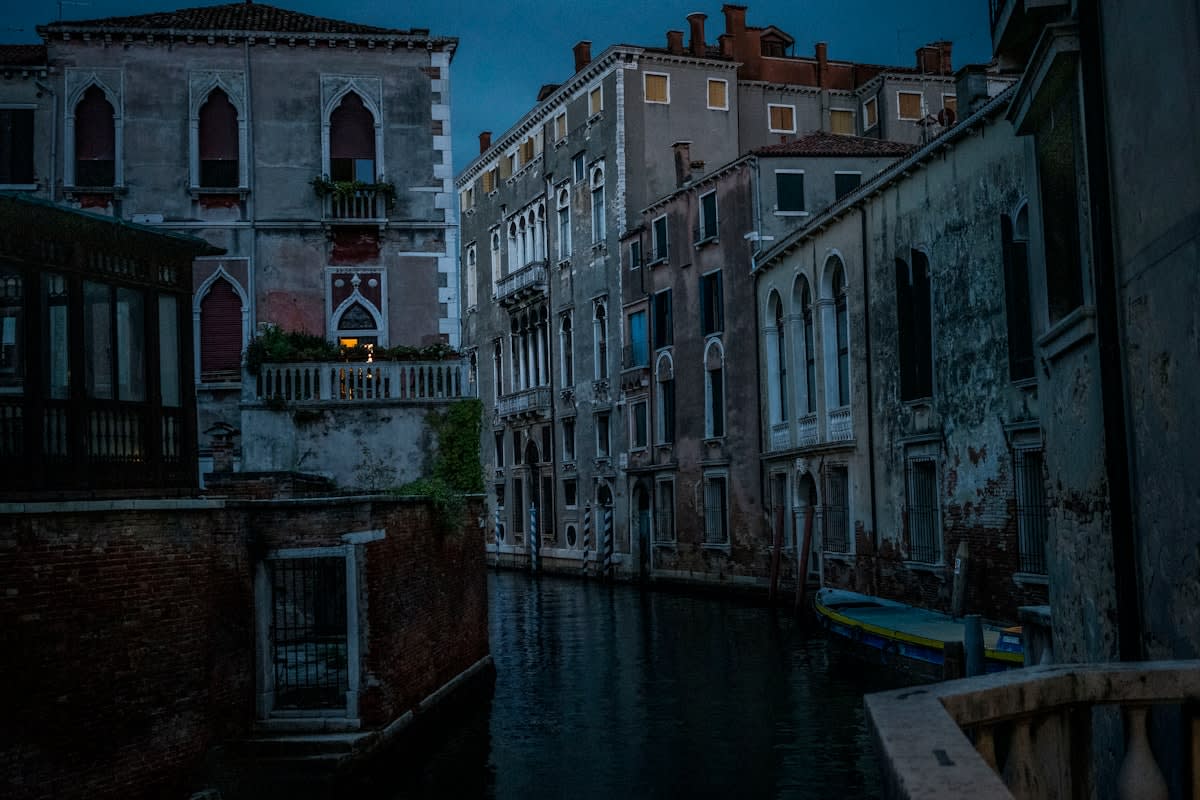
Venice provides the most aggressive case study in this trend. The introduction of the 'Contributo di Accesso'—a pilot entry fee for day-trippers—isn't just a revenue grab; it is a psychological filter (Source: Venice Municipality, 2024). By charging visitors to enter the city on peak days, Venice is essentially creating a financial incentive for the 'low-impact' traveler to choose a different date or a different destination entirely. This move signals a broader acceptance that the 'free city' model is dead for global hubs. The center is now a premium product, and the outskirts are the new frontier for sustainable growth.
This European experiment is finding a mirror image in the East, where the approach is less about fees and more about the curation of silence.
The Asian Model: Curated Silence and Hidden Gems
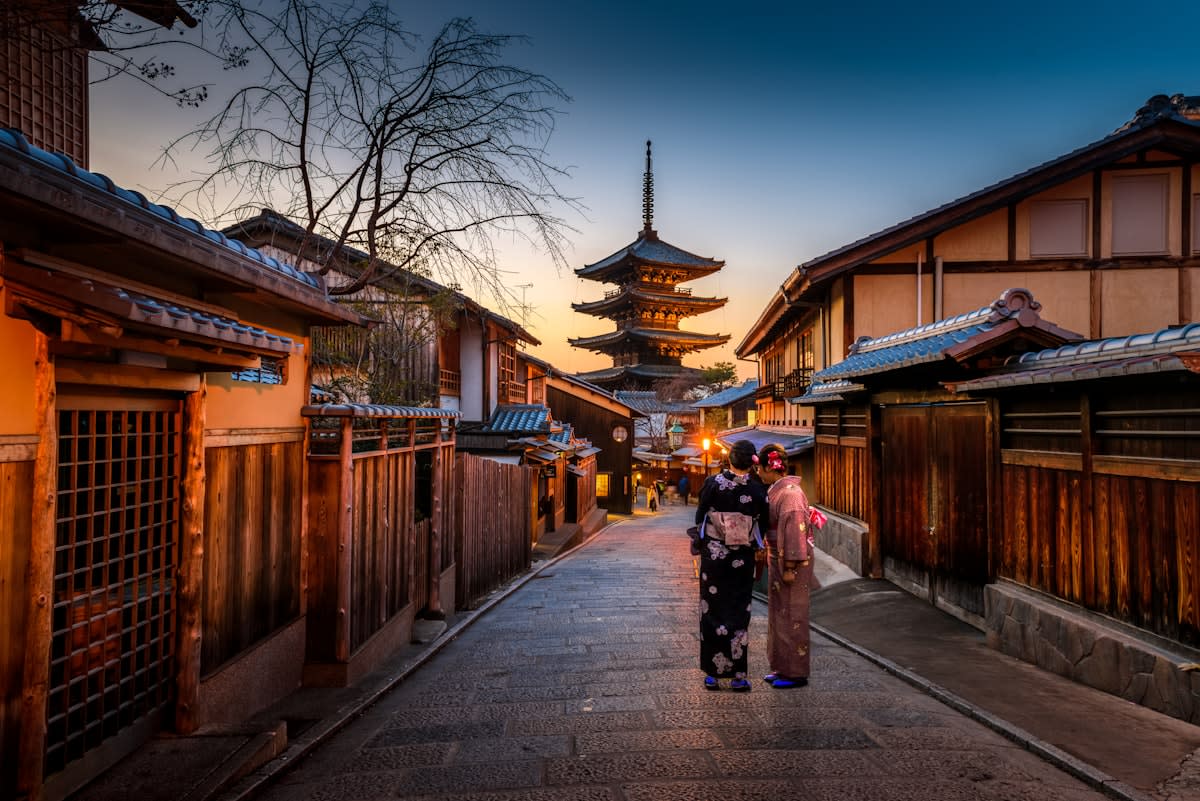
In Japan, the battle against 'overtourism' has moved beyond the Golden Route of Tokyo, Osaka, and Kyoto. The Japan National Tourism Organization (JNTO) has pivoted its entire marketing strategy toward 'hidden gems,' actively steering visitors toward lesser-known prefectures to alleviate the pressure on Kyoto's Gion district (Source: JNTO, 2024). In Kyoto, the closure of private alleys in Gion to tourists isn't just about privacy; it is a strategic move to reclaim the 'silent' nature of the neighborhood. The city is effectively telling the world: the center is full, but the periphery is waiting.
"The objective is no longer to attract the most people, but to attract the right people to the right places at the right time. We are designing a tourist experience that respects the resident's right to silence."— Representative, Japan National Tourism Organization (JNTO)
Bhutan has long been the gold standard for this 'high-value, low-volume' philosophy. By implementing a Sustainable Development Fee (SDF) of $100 per day for most visitors, Bhutan ensures that tourism remains a tool for conservation rather than a catalyst for degradation (Source: Department of Tourism, Bhutan, 2023). While other nations are just now discovering the need for dispersal, Bhutan has operationalized it. They don't just manage the crowd; they curate the entire journey to ensure that the environmental and cultural 'noise' remains low.
Is this a form of gentrification for travel? Perhaps. But for the city planner, it is a survival mechanism. By paying for the 'silence' of the center—either through subsidies for peripheral businesses or by offering discounts to those who visit during 'off-peak' hours—cities are attempting to decouple economic gain from physical congestion. The delta here is clear: we have moved from the 'Tourism Growth' era to the 'Tourism Optimization' era.
To understand the scale of this shift, we have to look at the metrics that actually matter to the practitioners on the ground.
| Metric | Old Tourism Model (Pre-2023) | Silent Tourism Model (2024+) |
|---|---|---|
| Primary Goal | Maximize Total Arrivals | Maximize Spatial Distribution |
| Pricing Strategy | Static/Seasonal Pricing | Dynamic/Incentive-Based Pricing |
| Success Indicator | Hotel Occupancy Rates | Resident Satisfaction Index |
| Visitor Flow | Centralized (Hub-and-Spoke) | Decentralized (Mesh Network) |
The Practitioner's Friction: The Shopkeeper vs. The Planner
On the ground, this transition is not seamless. As someone who has spent a decade interviewing urban planners and local merchants, I can tell you that the 'Silent Tourism' debate is a war of interests. The city planner sees a crowded square as a failure of logistics—a bottleneck that degrades the quality of life for residents. But the souvenir shop owner in that square sees that same crowd as their mortgage payment. When a city pays visitors to avoid the center, they are essentially redistributing wealth from the historic core to the outskirts.
The real friction occurs during the 'transition gap'. If a city successfully nudges 20% of its traffic away from the center, the peripheral businesses might not have the infrastructure to handle the surge, while the central businesses see a sudden drop in revenue. This is where the 'incentive' part of the equation becomes critical. Governments are now debating 'compensation funds' for central businesses that lose foot traffic due to dispersal policies. It is no longer just about tourism; it is about urban economic restructuring.
We are seeing the rise of 'Smart Tourism' dashboards that provide real-time congestion data to visitors. Some cities are experimenting with 'gamified dispersal,' where tourists earn digital rewards or discounts at local restaurants for visiting 'quiet zones' during peak hours. This turns the act of avoiding the center into a reward-seeking behavior, effectively hacking the tourist's psychology to serve the city's logistical needs.
While the logistics are complex, the long-term goal is a resilient form of travel that doesn't destroy the very thing people are traveling to see.
The Future of the Global Destination
The rise of Silent Tourism suggests that the 'world-class destination' of the future will not be the one that attracts the most people, but the one that manages them most invisibly. We are entering an era of 'Invisible Infrastructure,' where AI-driven pricing and subtle behavioral nudges ensure that no single street becomes a theme park. The most successful cities will be those that can offer a 'silent' experience in the heart of a metropolis, making quietude the ultimate luxury good.
Ultimately, this is a story of resilience. Cities like Amsterdam, which moved its cruise ship terminals away from the center to reduce density (Source: City of Amsterdam, 2023), are proving that urban centers can survive the onslaught of global travel if they are willing to relinquish the 'center-at-all-costs' mentality. The world isn't stopping its travels; it is simply learning how to spread the weight.
Fact-Check & Accuracy Note
Key claims regarding Venice's entry fees (2024), Japan's 'hidden gems' strategy (2024), Bhutan's SDF (2023), and Amsterdam's cruise terminal shifts (2023) are sourced from the respective municipal and national tourism boards. The 'Silent Tourism' terminology is an industry synthesis of current de-tourism and dispersal trends. Ongoing debate remains regarding the equitable distribution of economic benefits between city centers and peripheries.