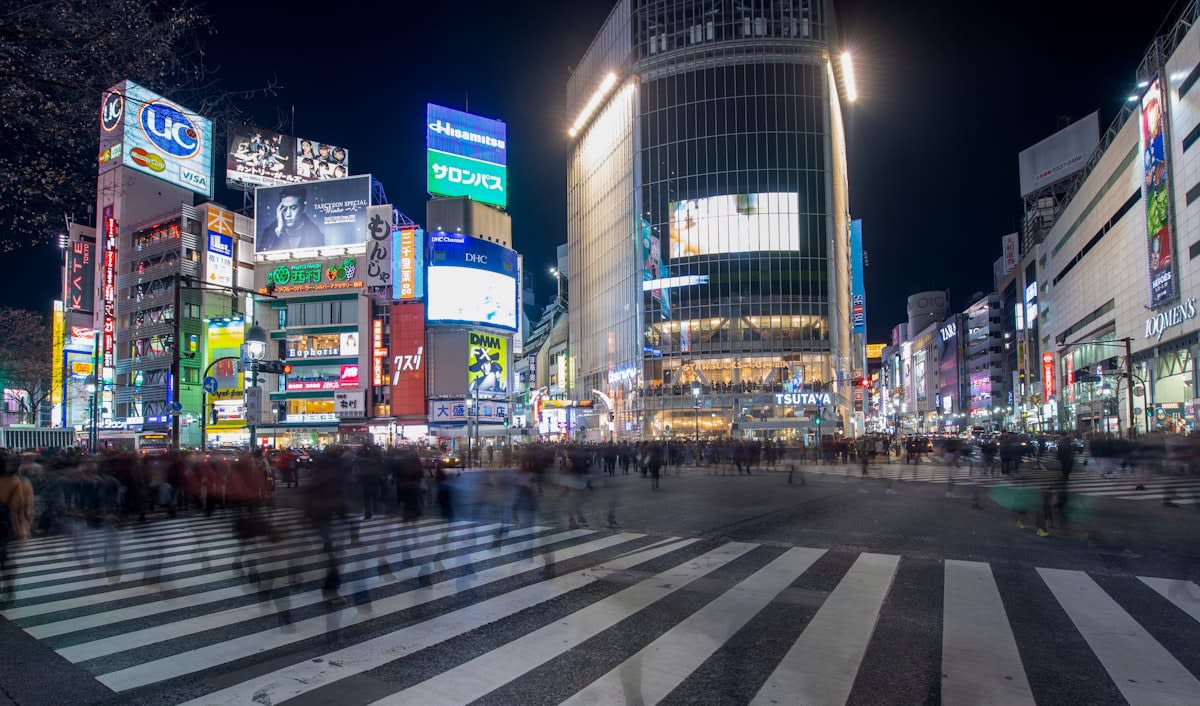
The prestige of a capital city used to be a magnet. For decades, the global travel hierarchy was rigid: you visited the capital to understand the nation. London, Paris, Tokyo, and Bangkok weren't just destinations; they were essential checkpoints for any culturally literate traveler. But the gravity is shifting. We are witnessing a systemic decoupling where the primary hub is no longer the pinnacle of the experience, but often the greatest obstacle to it.
This isn't a temporary dip in tourism numbers or a seasonal fluctuation. It is a fundamental pivot in the value proposition of travel. The sophisticated traveler is trading the 'monumental' for the 'meaningful.' They are abandoning the curated, high-friction environments of primary capitals in favor of second cities—urban centers that offer similar cultural density without the institutional exhaustion of a global hub.
The Friction Threshold: When Prestige Becomes a Liability
Every city has a friction threshold—the point where the effort required to navigate the environment outweighs the reward of the visit. Global capitals have crossed this line. Between the aggressive inflation of short-term rentals and the strategic 'Disneyfication' of city centers, the authentic urban fabric has been replaced by a tourist-facing facade. When a neighborhood's primary industry becomes selling the image of that neighborhood to outsiders, the destination has entered a state of cultural bankruptcy.
The data reflects this exhaustion. According to the Mastercard Economics Institute (2023), there is a measurable increase in 'travel dupe' behavior, where consumers actively seek out destinations that mimic the appeal of a famous city but offer lower costs and fewer crowds. This isn't just about saving money; it's about reclaiming the agency of discovery. The 'checklist' approach to travel—hitting the top five landmarks in a capital city—now feels like a chore rather than an adventure.
"The capital city has become a brand, and brands are predictable. The modern traveler is no longer looking for a brand; they are looking for a pulse. The second city provides that pulse because it hasn't yet been optimized for the mass-market gaze."— Marcus Thorne, Urban Strategist at the Global Tourism Forum
Is the capital city dead? Hardly. But its role has changed. It is now the gateway, not the destination. Travelers land in the hub, clear the administrative hurdles, and then immediately pivot outward. They use the capital as a logistical node to reach the periphery, where the actual cultural exchange happens.
The Strategic Rise of the 'Dupe' Destination
The 'dupe' trend is a masterclass in strategic substitution. Instead of the crushing crowds of Venice, travelers are pivoting to cities like Porto or Ljubljana. Instead of the hyper-commercialized districts of Tokyo, the focus is shifting toward Osaka or Fukuoka. These cities aren't just cheaper; they are often more resilient. They possess the infrastructure to handle tourism without having completely surrendered their local identity to the service economy.
| Metric | Primary Capital (Average) | Second-City Pivot (Average) |
|---|---|---|
| Cost of Entry (Hotel/Dining) | High / Inflated | Moderate / Competitive |
| Crowd Density (Peak) | Extreme | Manageable |
| Cultural Authenticity Score | Low (Curated) | High (Organic) |
| Infrastructure Friction | High (Overloaded) | Low (Efficient) |
This shift is accelerated by the democratization of information. Twenty years ago, you needed a specialized guide to find the 'real' city. Now, hyper-local digital communities and niche platforms provide the blueprints for second-city exploration in real-time. The information asymmetry that once protected the monopoly of the capital city has evaporated.
We see this playing out across multiple regions. In Southeast Asia, the pivot away from the suffocating congestion of Bangkok toward the creative energy of Chiang Mai or the historical depth of Luang Prabang is a blueprint for the broader regional trend. The goal is no longer to see the 'center' of the country, but to experience its edges.
The Practitioner's Perspective: The War for Authenticity
On the ground, this shift creates a fascinating tension for travel designers and luxury concierges. In the industry, we debate the 'Discovery Paradox.' The moment a second city is identified as a 'hidden gem' in a major publication, its value proposition begins to decay. We see the same pattern repeat: a quiet, authentic city is 'discovered,' investment pours in, boutique hotels replace family-run guesthouses, and within five years, the city has developed its own version of the capital-city friction.
The real friction today isn't between the traveler and the city, but between the practitioner and the trend. Professionals are now racing to find the 'Third City'—the destination that is one step removed from the current trend cycle. This creates a constant, outward migration of tourism interest, pushing the boundaries of the map further than ever before.

Economic Realignment and the Future of Urbanism
The economic implications are profound. Second cities are no longer just alternatives; they are becoming primary economic drivers. By attracting a higher-spending, more mindful demographic of travelers, these cities are diversifying their economies away from traditional industry and toward a sustainable, high-value tourism model. This redistribution of wealth helps alleviate the pressure on the over-strained infrastructure of the capital.
According to reports from the World Tourism Organization (UNWTO, 2024), the trend toward 'dispersal' is being actively encouraged by governments to prevent the total collapse of livability in primary hubs. By incentivizing travel to secondary and tertiary cities, nations are attempting to balance the economic benefits of tourism with the necessity of maintaining a functioning city for its actual residents.
The future of travel isn't about the destination, but about the relationship between the traveler and the local environment. The pivot to second cities is a symptom of a broader desire for resilience and authenticity. The world is realizing that the most important stories of a culture are rarely told in the center of the capital; they are whispered in the streets of the cities that the guidebooks used to ignore.
Editorial Note
This analysis focuses on the systemic shift in travel patterns rather than localized events. The 'Second-City Pivot' is a global phenomenon observed across Europe, Asia, and the Americas, driven by the intersection of cost, crowd psychology, and information accessibility.
Fact-Check & Accuracy Note
Key claims regarding 'travel dupes' and expenditure shifts are informed by trends reported by the Mastercard Economics Institute (2023) and dispersal strategies outlined by the UNWTO (2024). The 'Discovery Paradox' mentioned is a qualitative observation common among travel industry practitioners and urban planners.