The Erosion of the Middle Ground
Cities are breaking. Not the pipes or the roads, but the invisible connective tissue that binds strangers into neighbors. For decades, urban planning has prioritized the 'First Place' (the home) and the 'Second Place' (the workplace), effectively erasing the 'Third Place'—those neutral grounds where people gather regardless of social status or professional hierarchy. When we analyze the transition from the traditional plaza to the sterilized corporate lobby, we see a systemic removal of loitering. This is a tragedy because loitering is the primary mechanism of spontaneous social discovery.
The cost of this erosion is quantifiable. According to the US Surgeon General's 2023 advisory on the epidemic of loneliness and isolation, social disconnection is as deadly as smoking 15 cigarettes a day (Source: US Surgeon General, 2023). We have traded the messy, unplanned interactions of the local pub or the neighborhood kissaten for the curated, frictionless experience of digital feeds. But digital spaces are not Third Places; they are mirrors. A true Third Place requires physical presence, the risk of awkwardness, and a shared sense of geography.
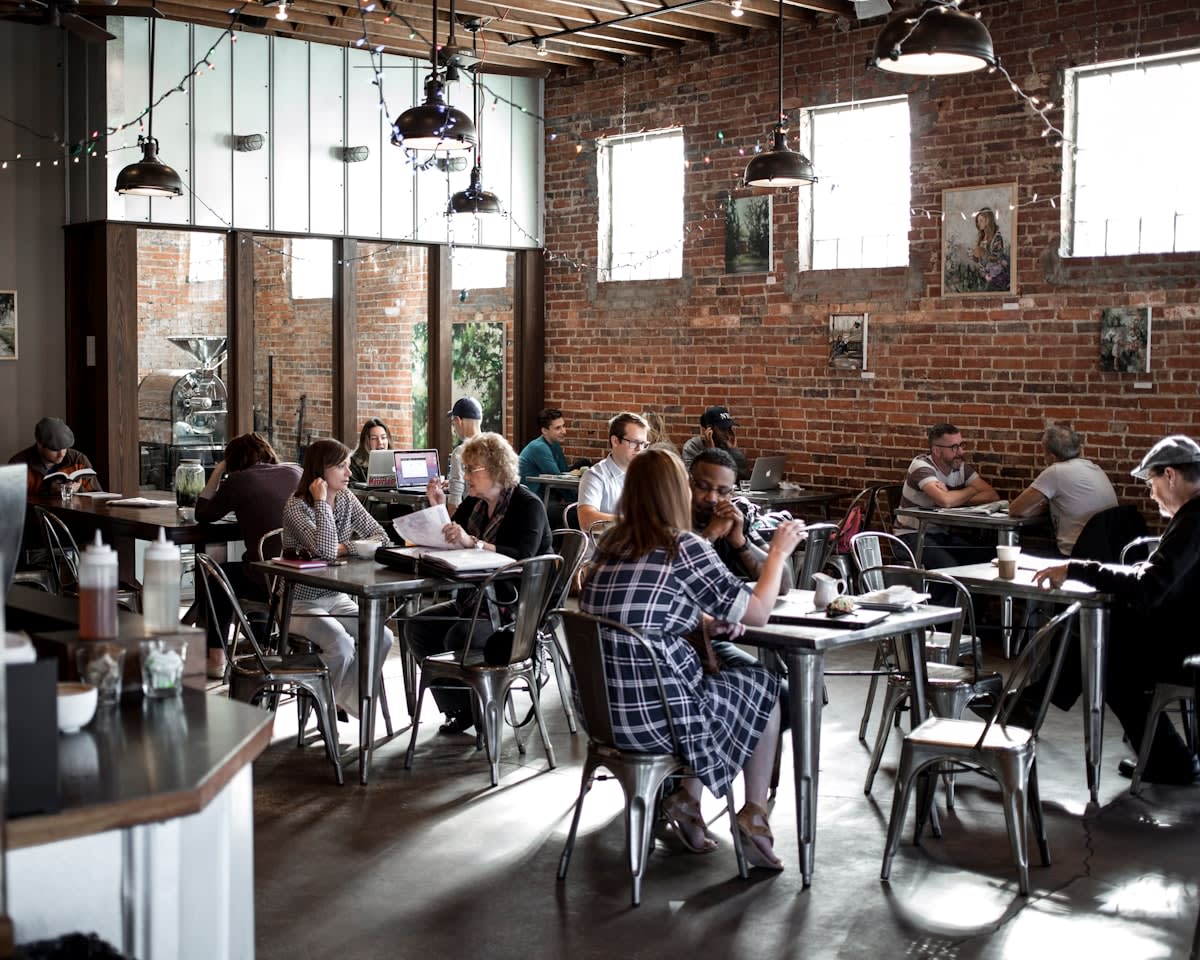
"The third place is a neutral ground where people can gather, relax, and converse. It is a place where the primary activity is conversation, and where the atmosphere is welcoming and inclusive."— Ray Oldenburg, Sociologist and author of The Great Good Place
To solve this, you cannot wait for the city to provide a park or a community center. Government-led initiatives are often too sanitized or bureaucratic to foster genuine organic connection. Instead, you must apply a protocol—a deliberate, strategic approach to architecting your own social anchor. This isn't about finding a 'cool' spot; it's about identifying a space that allows for the ritualization of presence.
Prerequisites for the Protocol
Before you begin the search, you must accept a fundamental truth: a Third Place is not found; it is cultivated. You are not looking for a finished product, but for a venue with the correct structural properties that you can activate through consistency. You cannot build a social anchor if you are treating the city as a series of transactions. You must shift your mindset from consumption to contribution.
- Temporal Budget: A commitment of at least 2-4 hours per week at the same time and place.
- Geographic Proximity: The venue must be within a 15-minute walk or a short, predictable transit ride to lower the friction of attendance.
- Low-Stakes Environment: A space where you are not required to spend significant money to justify your presence.
- Psychological Openness: A willingness to be the first person to say hello to a stranger.
Once these prerequisites are in place, you are ready to move from the theoretical to the tactical. The goal is to move from being a customer to becoming a regular.
The Third Place Protocol: Step-by-Step
- Audit Your Radius: Map every independent cafe, library, pub, bookstore, or community garden within your walking distance. Disregard corporate chains; their standardized layouts are designed for turnover, not lingering.
- The Vibe Check: Visit 3-5 candidates. Look for 'anchors'—people who are clearly regulars. Do the staff know names? Is there a communal table? Does the space feel like it belongs to the neighborhood or to a corporate headquarters?
- Establish the Ritual: Choose one venue and visit it at the exact same time, on the same days, every week. This is the most critical step. Consistency creates visibility, and visibility creates familiarity.
- The Micro-Interaction Phase: Start with the 'staff-first' strategy. Build a rapport with the employees. They are the gatekeepers of the space and the central nodes of the social network.
- The Bridge Leap: Once you are recognized by the staff, begin engaging the other regulars. Use the 'shared environment' opener—comment on the music, the weather, or a local event. This transitions you from a ghost in the room to a member of the community.
The magic happens during the Ritualization phase. In Tokyo, the traditional kissaten serves this purpose; in Mexico City, it might be a specific corner cafe in the Roma district. The common thread is the predictability of presence. When you appear at the same time every Tuesday, you become a landmark. People begin to subconsciously expect you. This expectation is the seed of belonging.
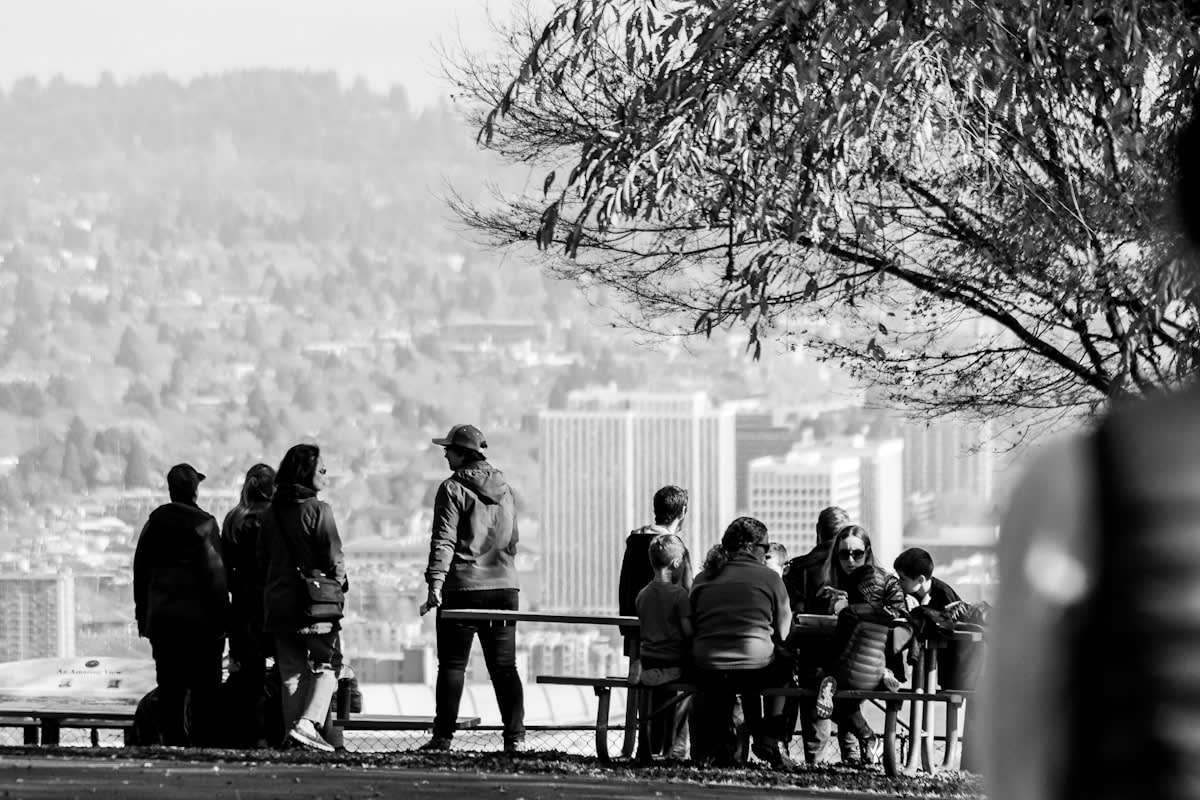
As a practitioner who has implemented this in three different global cities, I've seen the internal debates that plague urban designers. The friction usually lies between 'commercial viability' and 'social utility.' Business owners often want high table turnover to maximize profit, which is the antithesis of a Third Place. The most successful anchors are those where the owner understands that a loyal regular who buys one coffee but stays for three hours is more valuable for the 'vibe' and long-term stability than ten transient customers. This tension is where the real battle for our social lives is fought.
Common Pitfalls to Avoid
Many people fail because they fall into the Aesthetic Trap. They choose a venue because it looks great on Instagram, not because it functions as a social hub. A minimalist, high-design cafe with white walls and silence is a gallery, not a Third Place. You want a space with a bit of 'clutter'—bulletin boards, mismatched chairs, or a communal table. These are visual cues that the space is lived-in and open to human imperfection.
Another common error is Forced Intimacy. Do not attempt to turn a stranger into a best friend in one sitting. The beauty of the Third Place is the 'slow burn' of acquaintance. It is the transition from 'The guy who reads the newspaper' to 'The guy who reads the newspaper and likes jazz' to 'John, who knows a great jazz club.' Respect the pacing of urban social dynamics. If you push too hard, you create friction; if you wait too long, you remain a stranger.
Fact-Check & Accuracy Note
The claims regarding the 'Third Place' are based on the sociological framework established by Ray Oldenburg in 1989. Statistics on the impact of loneliness are sourced from the 2023 US Surgeon General's Advisory. The effectiveness of 'ritualized presence' is a widely accepted principle in urban sociology and community psychology, though the specific 'Protocol' steps are a synthesis of practitioner-led urban adaptation strategies.
Editorial Note
This guide assumes the reader has a baseline of mobility and financial access to visit a commercial or public space. In hyper-gentrified areas, finding a 'low-stakes' venue can be significantly harder, often requiring a shift toward public libraries or community-managed gardens.