
Walk through any major international hub and the sensory assault is immediate. The flashing LEDs of duty-free shops, the rhythmic drone of announcements, and the sheer kinetic energy of thousands of anxious travelers create a high-stimulus environment that historically prioritized retail conversion over human equilibrium. But a systemic shift is occurring. Architects and transit planners are now carving out low-stimulus spaces—quiet zones, dimmed lighting areas, and sensory-neutral lounges—not as luxury perks, but as essential infrastructure. Why now? The answer lies at the intersection of neurological research and a fundamental change in how we define travel wellness.
For decades, the airport blueprint followed a simple logic: keep the passenger moving and maximize their exposure to commercial stimuli. This model ignored the biological toll of transit. We are now seeing a pivot toward environments that acknowledge the physical reality of stress. This isn't about adding a few plants to a terminal; it is a calculated response to the way our brains process environmental overload. By integrating spaces that actively reduce sensory input, airports are attempting to mitigate the cognitive friction that defines the modern travel experience.
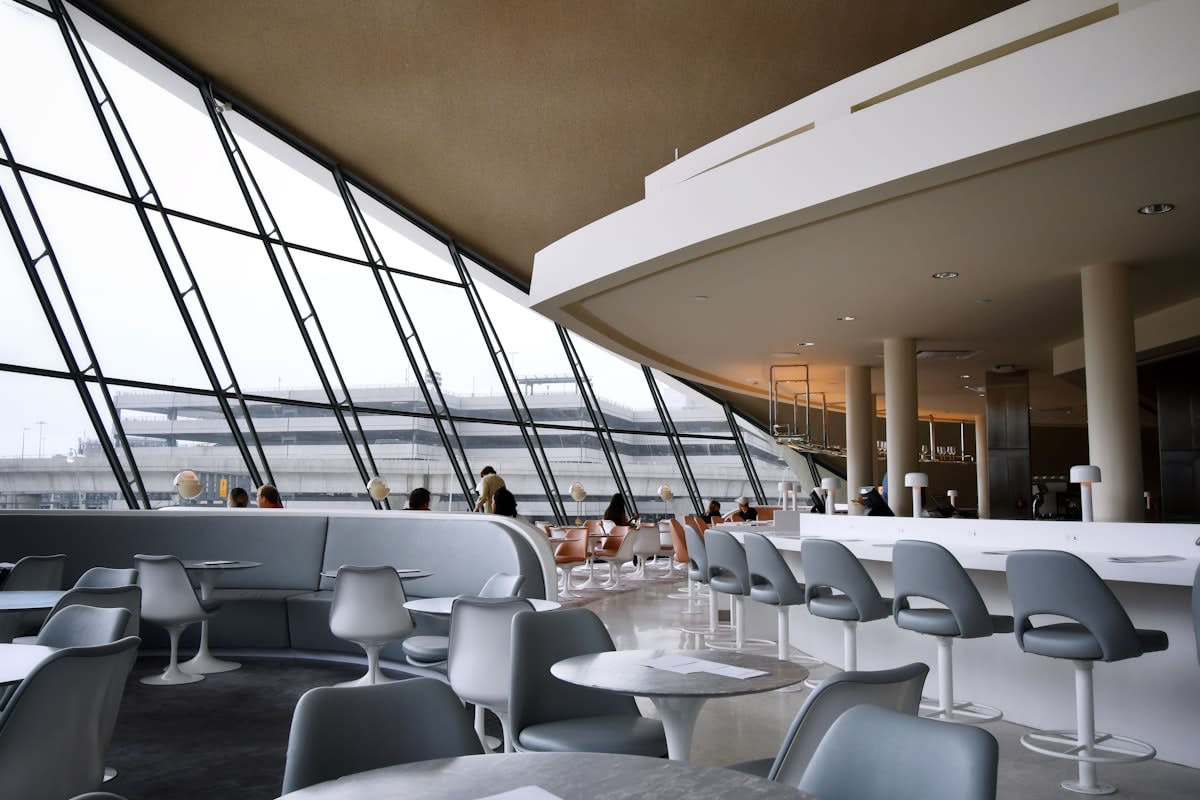
The Biology of the Breakdown
To understand the urgency of low-stimulus design, one must look at the cellular level. Recent research has shifted the focus from neurons to astrocytes—bushy support cells in the brain that were previously overlooked in stress studies. Researchers have identified specific structures on these cells that change when the body is under stress, providing a biological explanation for why high-stimulus environments can trigger anxiety and depression (Source: News-Medical, 2026). When a traveler is trapped in a high-decibel, high-light environment, they aren't just 'stressed'; their brain chemistry is physically reacting to the overload.
"Our findings show that a different type of brain cell, and a structure on that cell most people have never heard of, also plays a role in how the brain responds to stress."— Sara Gutierrez Pelaz, Postdoctoral Researcher at UCLA Health
This cellular response explains why traditional airport design is increasingly obsolete. If the environment itself is a trigger for astrocyte-driven stress, then the airport becomes a catalyst for mental fatigue before the journey even begins. Low-stimulus spaces act as a biological 'reset' button. By stripping away the noise and visual clutter, these zones allow the nervous system to move from a state of hyper-vigilance back to a baseline of calm, effectively protecting the traveler's mental health during the transit window.
Is it possible that we have over-engineered our public spaces to the point of toxicity? The industry is starting to think so. The goal is no longer just efficiency of movement, but the preservation of cognitive capacity. When we reduce the stimuli, we reduce the biological load on the brain, allowing travelers to navigate the remaining necessary stresses—like security checkpoints and boarding gates—with greater resilience.
Applying Attention Restoration Theory to Transit
The design logic behind these spaces often draws from Attention Restoration Theory (ART). While traditionally applied to urban green spaces and waterfronts to generate public engagement without intrusive infrastructure, the principles are being ported into the airport terminal (Source: MDPI, 2025). ART suggests that environments with 'soft fascinations'—natural patterns, muted colors, and low-intensity sounds—allow the mind to recover from the 'directed attention fatigue' caused by urban environments and digital screens.
In an airport, directed attention is exhausted by reading flight boards, navigating signage, and managing luggage. Low-stimulus zones provide the opposite experience. By utilizing sensory restoration strategies, airports can create pockets of recovery. This is not merely an aesthetic choice; it is a strategic deployment of environmental psychology to ensure that passengers do not reach a breaking point before they even leave the ground.
| Design Element | High-Stimulus (Traditional) | Low-Stimulus (Emerging) |
|---|---|---|
| Lighting | High-intensity LED / Fluorescent | Circadian-tuned / Dimmed / Indirect |
| Acoustics | Echo-prone / Constant PA announcements | Sound-absorbing materials / Quiet zones |
| Visuals | Digital signage / High-contrast advertising | Neutral palettes / Natural patterns |
| Objective | Retail conversion & Flow efficiency | Cognitive recovery & Stress mitigation |
This shift represents a fundamental clash in airport philosophy. On one side is the commercial imperative to keep passengers in a state of high-arousal, which typically drives impulse spending. On the other is the emerging wellness imperative. The data suggests that the latter is winning because a stressed passenger is a volatile passenger. By investing in sensory restoration, airports are essentially investing in operational stability.
The Democratization of Wellness
Wellness was once the exclusive domain of the first-class lounge or the luxury spa. However, we are seeing wellness hospitality break out of this luxury bubble. The 'Longevity Everyday' model, currently being implemented by brands like Novotel, emphasizes embedding supportive choices into the ordinary rhythms of a stay rather than treating wellness as a premium retreat (Source: Skift, 2026). This philosophy is mirroring the changes in airport design: wellness is moving from a 'luxury add-on' to a 'standard requirement'.
The demand is driven by the travelers themselves. Research indicates that one in three travelers now takes a daily step to improve their mental or physical wellbeing (Source: Skift, 2026). When a third of the passenger base is actively seeking wellness interventions, the airport can no longer afford to be a sensory wasteland. The shift toward low-stimulus spaces is a direct response to a consumer base that views mental clarity as a non-negotiable part of the travel experience.
"It’s about adding life to years, not years to life."— Minet, Novotel Longevity Everyday Vision
This 'Longevity Everyday' approach suggests that wellbeing is shaped by small, repeated decisions—stepping away from a laptop or protecting an hour of sleep (Source: Skift, 2026). In the context of an airport, a low-stimulus space is that 'small decision.' It is the ability to step away from the chaos for fifteen minutes to regulate the nervous system. This democratization of sensory management is what makes the trend systemic rather than anecdotal.
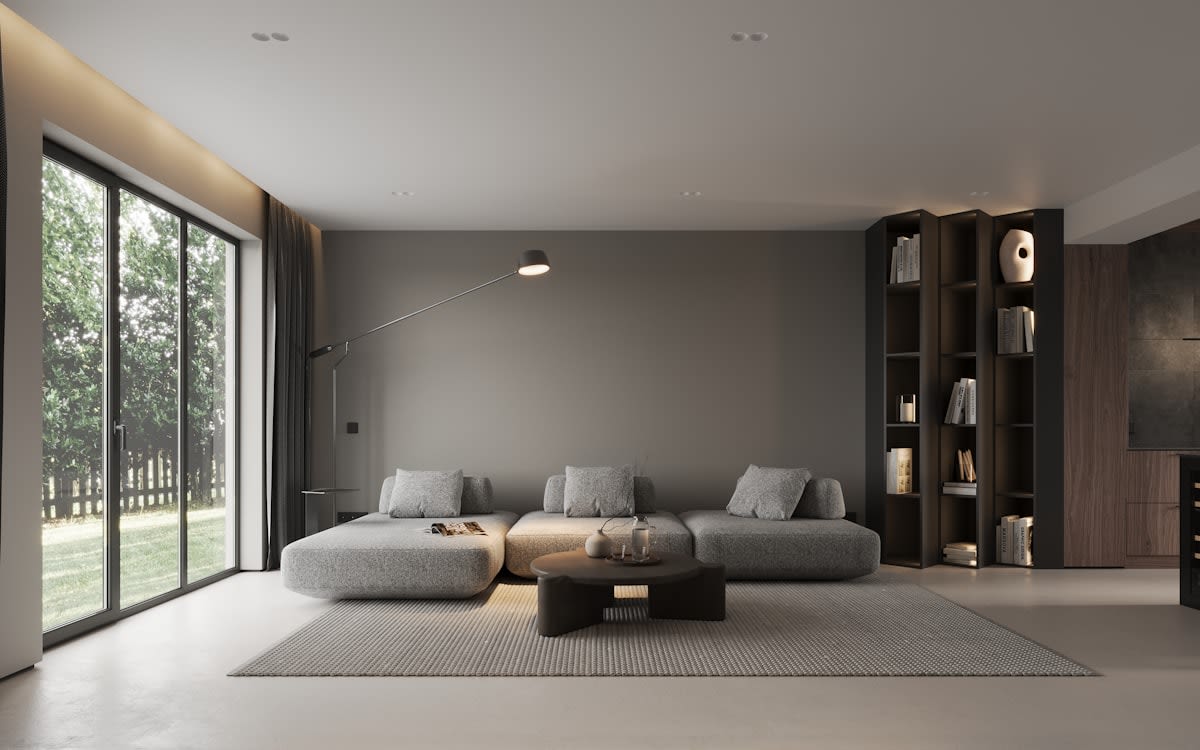
From a practitioner's perspective, implementing these spaces is an absolute nightmare of conflicting interests. I have sat in meetings where retail directors scream about 'lost eyeballs' and 'dead zones' while wellness consultants argue that a panicked passenger is less likely to spend money in the long run. The friction is real. Architects are often forced to hide these low-stimulus zones in the 'corners' of terminals, fighting for every square meter against the high-rent duty-free giants. The debate isn't about whether these spaces work—the biological data from UCLA and the design theory from MDPI prove they do—it's about who owns the square footage.
Yet, the resilience of this trend is found in its scalability. You don't need a full-scale renovation to create a low-stimulus environment. Simple changes in lighting temperature, the introduction of acoustic baffles, and the removal of digital screens in specific zones can create a sanctuary. The industry is learning that silence, in a world of constant noise, is the ultimate luxury—and eventually, the ultimate utility.
Fact-Check & Accuracy Note
The claims regarding astrocyte-driven stress responses are based on research published in Nature and reported by News-Medical (2026). The 'Longevity Everyday' trend and passenger wellness statistics are sourced from Accor research via Skift (2026). The application of Attention Restoration Theory in urban environments is sourced from MDPI (2025). The debate regarding the commercial viability of low-stimulus zones versus retail density remains an ongoing industry conflict.