When politics chose me’: Sonia Gandhi’s 2007 speech offered a glimpse into her personal life
Source Entity
India Latest News: Top National Headlines Today & Breaking News | The Hindu
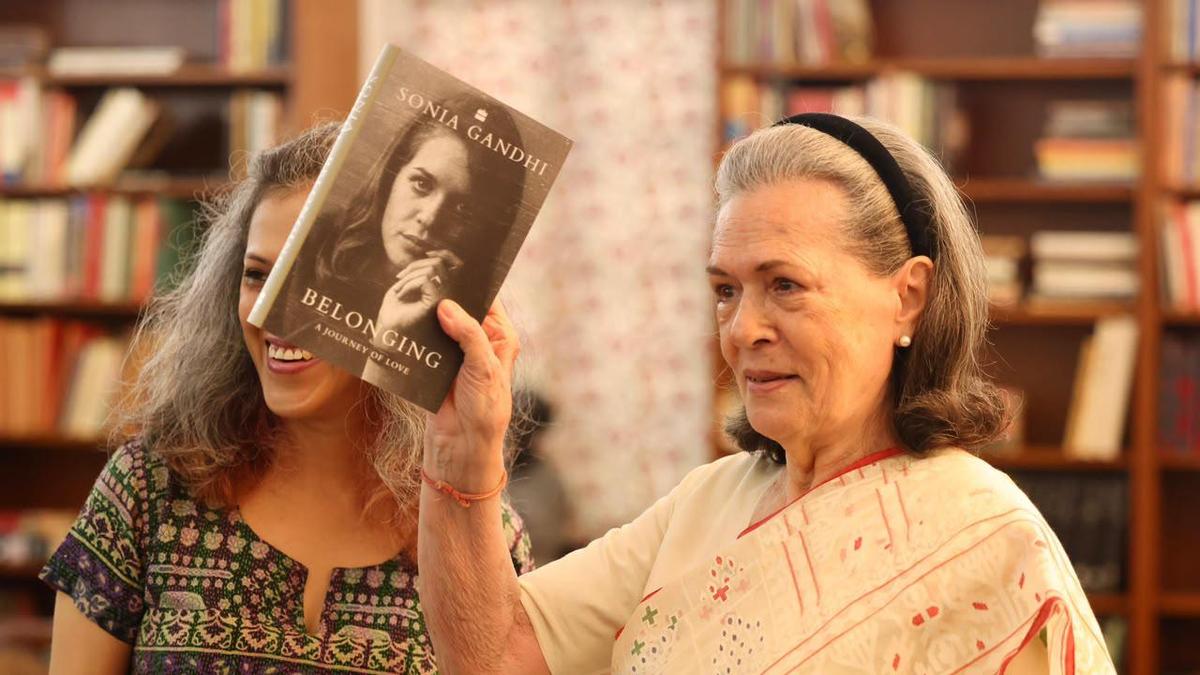
Sonia Gandhi's upcoming memoir 'Belonging: A Journey of Love' is set to provide rare insights into her private life. This follows a 2007 speech where she reflected on her initial expectations of a quiet life in India before entering politics.
The Private Life of a Public Icon
Congress Parliamentary Party (CPP) chairperson Sonia Gandhi has long remained one of the most enigmatic figures in Indian politics. Known for her guarded nature and limited public interviews, her upcoming memoir, Belonging: A Journey of Love, is highly anticipated. It promises to bridge the gap between her public political persona and the private individual who moved to India under vastly different circumstances than those that eventually defined her life.
Origins of a Political Journey
Long before she became the face of the Congress Party, Sonia Gandhi’s arrival in India was defined by personal, rather than political, aspirations. As highlighted in her 2007 address at the Netherlands-based Nexus Institute, her initial intention was to build a private life with her husband, Rajiv Gandhi, who at the time was working as a pilot. The couple had no anticipation of the political trajectory that would eventually consume their lives, with Sonia expecting a quiet upbringing for their two children away from the public gaze.
The Shift from Private to Public
This historical context is crucial for understanding the gravity of her forthcoming memoir. The transition from a pilot's wife to a political matriarch is a narrative that has shaped modern Indian history. Her 2007 speech serves as a foundational text for understanding this evolution, revealing that the 'politics' she became known for was not a path she initially sought, but one she was thrust into by tragic circumstances and a sense of duty to her adopted nation.
Anticipation and Historical Impact
Because Sonia Gandhi has historically been one of India’s most private public figures, the promise of her memoir to create a 'tamasha'—a term implying significant impact or stir—suggests that she intends to provide a candid narrative. Readers and historians alike expect this book to clarify her internal perspective on the turbulent decades she spent at the helm of the Indian National Congress, particularly how she balanced personal loss with the demands of national leadership.
Broader Implications for Political Literature
Memoirs by Indian political leaders often serve as essential historical documents, providing nuance to the official record. By revisiting her 2007 reflections, we see a consistent thread of a woman who has navigated the complexities of power while maintaining a distinct sense of self. The book is likely to offer a masterclass in how personal narratives can reshape the public understanding of political figures who have been subjected to decades of scrutiny.
Conclusion
In summary, the release of Belonging: A Journey of Love is more than a mere publication; it is an opportunity for the public to reconcile the private woman who arrived in India in the 1960s with the leader who defined an era of Indian politics. By grounding her story in her own words, Sonia Gandhi is poised to provide a definitive account of a life defined by duty, tragedy, and an unexpected political calling.
Verification Required?